The Perfect Ribeye Steak for Philly Cheesesteak
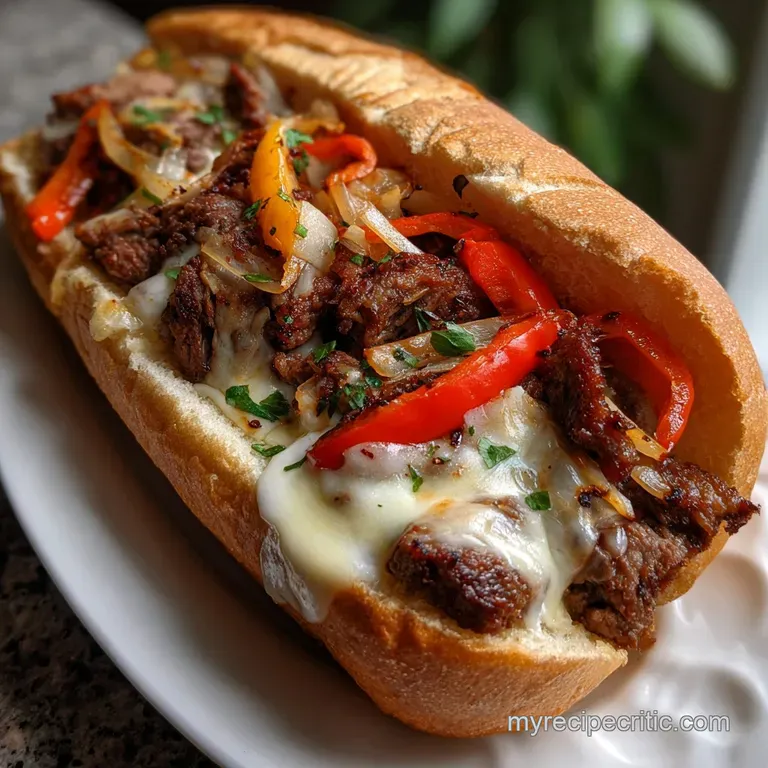
- Effort/Time: 35 minutes (Moderate/Fast)
- Flavor Hook: Nutty, rendered fat meets sharp, melted provolone.
- Perfect for: High-energy-weeknights and game-day-feasts.
- The Ultimate Guide to Ribeye Steak for Philly Cheesesteak
- The Science of Sizzle: Why Ribeye is the Gold Standard
- The Science of Why it Works
- Ingredient Science
- Premium Ingredients and Pro-Level Substitutions
- Step-by-Step Guide to Mastering the Griddle
- Expert Tips and Common Mistakes to Avoid
- Common Myths
- Storage and Freezing Guidelines for Shaved Beef
- Serving Suggestions for a Complete Philly Experience
- Recipe FAQs
- 📝 Recipe Card
The Ultimate Guide to Ribeye Steak for Philly Cheesesteak
Stop settling for the gray, rubbery strips of beef that plague most homemade attempts. We’ve all been there: you buy an expensive cut, toss it in a pan, and end up with a chewy mess that slides out of the roll in one piece.
I spent years chasing that elusive, "melt-in-your mouth" texture found at Pat’s or Geno’s until I realized the secret isn't just the meat it's the thermal management.
My first three attempts at a ribeye steak for philly cheesesteak were total failures because I cut the meat too thick and crowded the pan. The beef steamed in its own juices instead of searing.
I learned that the difference between a sub-par sandwich and a masterclass result lies in the microscopic surface area and the rapid rendering of intramuscular fat.
When you hit a 500°F Lodge Cast Iron Griddle with paper thin ribeye steak for philly cheesesteak, the sizzle is instantaneous. That sound is the Maillard reaction working its magic, turning proteins into complex sugars.
Let's crack on with the science and technique that will change your sandwich game forever.
The Science of Sizzle: Why Ribeye is the Gold Standard
Achieving Authentic South Philly Flavor at Home
The ribeye steak for philly cheesesteak is non-negotiable because of its 1:3 fat-to-protein ratio. Unlike lean sirloin, ribeye contains the spinalis dorsi (ribeye cap), which is the most marbled and flavorful muscle on the steer.
As the heat hits, the solid white fat undergoes a phase change into a liquid lubricant, effectively "confitting" the meat as it sears.
The Role of Fat Marbling in Signature Tenderness
- Lipid Melting: At 130°F, intramuscular fat begins to liquefy, coating individual muscle fibers.
- Connective Tissue Breakdown: While ribeye is low in collagen, the heat softens the remaining elastin, ensuring a "shatter" texture rather than a "rubber" chew.
- Hydrophobic Barrier: The rendered fat creates a barrier that prevents the beef's natural moisture from evaporating, keeping the ribeye steak for philly cheesesteak velvety.
What Makes a Perfect Shaved Steak Texture
The "shave" isn't just an aesthetic choice; it’s a physics solution. By slicing the ribeye steak for philly cheesesteak at a thickness of 1/16th of an inch, you maximize the surface area-to-volume ratio. This allows for a 15 second sear that browns the outside before the interior can overcook and toughen. If you want a perfect pairing for a hearty lunch, this steak is a great precursor to a sweet treat like The Never Fails Comfort Classic Banana Bread Recipe.
The Science of Why it Works
- Maillard Reaction: High heat triggers a chemical reaction between amino acids and reducing sugars, creating hundreds of flavor compounds and a brown crust.
- Protein Denaturation: Rapid heating causes the coiled proteins in the ribeye steak for philly cheesesteak to uncoil and link together, providing structure without losing juice if cooked quickly.
Ingredient Science
Ribeye Steak (1.5 lbs)
- What It Does
- Provides the primary protein and fat source for the sandwich.
- The Chemistry
- The high concentration of intramuscular lipids (marbling) undergoes oxidation and thermal breakdown, releasing volatile aromatic compounds.
- Why This Matters
- This ensures the meat remains succulent even when sliced paper thin and subjected to high intensity heat.
Provolone Cheese (8 slices)
- What It Does
- Acts as a salty, creamy binder for the shaved beef.
- The Chemistry
- Provolone is a pasta filata (stretched curd) cheese; its protein structure allows for high elasticity melting without breaking into oil.
- Why This Matters
- It creates a "velvety" mouthfeel that clings to the ribeye steak for philly cheesesteak rather than sliding off.
Yellow Onions (2 large)
- What It Does
- Adds sweetness and moisture via caramelization.
- The Chemistry
- Heat breaks down the cell walls, releasing sulfur compounds and converting complex starches into simple sugars like glucose and fructose.
- Why This Matters
- The sweetness provides a critical flavor counterpoint to the heavy, savory notes of the beef and salt.
Premium Ingredients and Pro-Level Substitutions
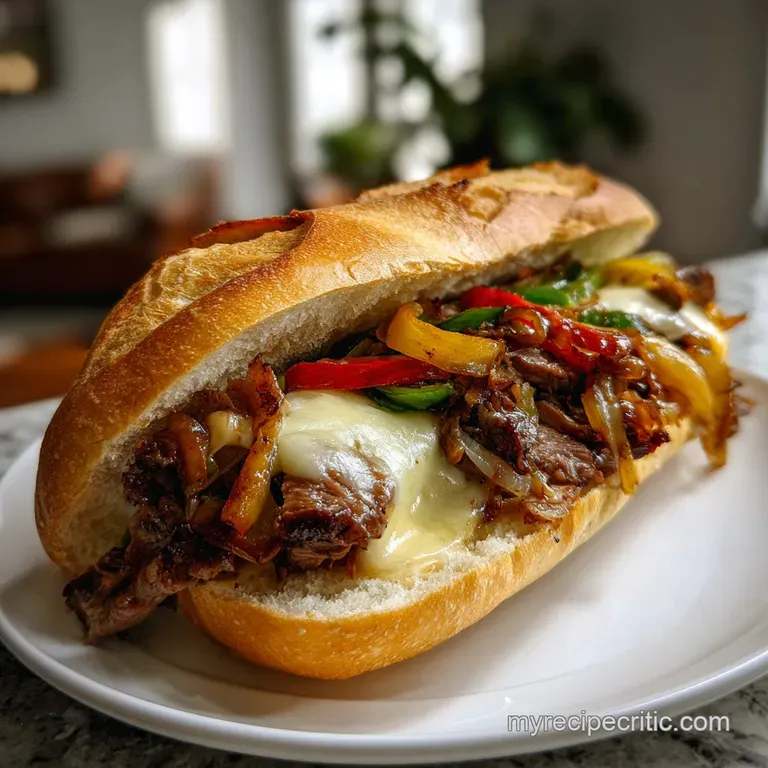
Selecting high-quality Ribeye Steak for Philly Cheesesteak
Look for "Choice" or "Prime" grades at the butcher counter. The "Prime" grade will have more "spider web" marbling, which is ideal for this recipe. Avoid "Select" grades for a steak for philly cheesesteak, as they lack the fat necessary to prevent the meat from drying out during the over high heat sear.
Choosing the Right Cheese: Provolone vs. Whiz
While we are using 8 slices of Sargento Provolone, the debate between Provolone and Cheez Whiz is eternal. Provolone offers a sophisticated, sharp finish, while Whiz provides an emulsified, salty punch.
If you use Provolone, ensure it's "mild" to avoid overpowering the delicate ribeye steak for philly cheesesteak.
The Bread Factor: Why the Roll Makes or Breaks the Sandwich
You need a roll that is "crusty but soft." An authentic Amoroso’s roll is the gold standard because it features a thin, crackly crust and a pillowy interior that absorbs the beef fat without disintegrating.
If those aren't available, a high-quality hoagie roll toasted with Land O'Lakes Butter is your best bet.
| Original Ingredient | Substitute | Why It Works |
|---|---|---|
| Ribeye Steak (1.5 lbs) | Top Sirloin | Leaner and cheaper. Note: Must be sliced thinner and cooked less to prevent toughness. |
| Provolone (8 slices) | White American Cheese | Higher meltability. Note: Adds a saltier, creamier profile but less "bite." |
| Neutral Oil (1 tbsp) | Beef Tallow | Pure beef fat. Note: Significantly increases the "beefy" aroma and Maillard efficiency. |
| Hoagie Rolls (4) | French Baguette | Crispier exterior. Note: Much tougher to chew; may cause "roof-of-mouth" irritation. |
step-by-step Guide to Mastering the Griddle
The Secret Technique for Slicing Ribeye Steak for Philly Cheesesteak
Place your 1.5 lbs of ribeye in the freezer for 45 minutes before slicing. Note: This firms the fat and muscle fibers, allowing you to achieve 1/16 inch "shaved" slices with a sharp knife. Use a Victorinox Fibrox Pro Chef's Knife for the cleanest cuts.
Caramelizing Onions for Maximum Sweetness
Sauté the 2 large yellow onions and 1 green bell pepper in 2 tbsp of unsalted butter over medium heat. Note: Slow cooking allows the sugars to brown without burning the delicate aromatics. Look for a deep golden hue and a soft, "jammy" texture.
Searing and Chopping the Beef for Maximum Surface Area
- Heat the Griddle: Crank your Lodge Cast Iron to medium high until the 1 tbsp of neutral oil wisps with smoke.
- Add the Meat: Place the ribeye steak for philly cheesesteak in a single layer. Note: Crowding the pan drops the surface temperature, causing the meat to steam instead of sear.
- Season: Sprinkle 1 tsp of garlic powder, salt, and freshly cracked black pepper. Note: Salt draws out surface moisture, which must evaporate before browning can begin.
- The Chop: Use two metal spatulas to "hack" the meat into smaller bits as it browns. Note: This creates more jagged edges for the cheese to cling to.
- Incorporate Veggies: Fold the onions and peppers into the beef once it is no longer pink.
- The Cheese Blanket: Divide the mixture into 4 mounds and top each with 2 slices of Provolone. Note: Placing the cheese on the meat while on the griddle ensures an even melt.
- Roll Integration: Place the buttered, open faced hoagie rolls directly on top of the cheese covered meat. Note: This traps the steam, softening the bread while it fuses with the cheese.
Chef's Note: Grate cold butter directly onto the hoagie rolls before toasting for a more even, "shatter crisp" crust.
Expert Tips and Common Mistakes to Avoid
| Problem | Why It Happens | The Fix | Pro Protocol |
|---|---|---|---|
| Tough/Chewy Meat | Sliced with the grain | Slice against the grain | Use a laser honed knife and slice at a 45 degree angle. |
| Soggy Bread | Too much steam | Toast rolls separately | Use a Breville Toaster Oven for the rolls while the meat sears. |
| Dry Beef | Overcooked/low-fat | Use Ribeye + High Heat | Ensure the griddle is at least 450°F before adding the beef. |
Why You Should Never Use Pre-Sliced Frozen Beef
Pre-sliced frozen "steak strips" are often made from "formed" beef or low-quality rounds. They lack the intramuscular fat of a true ribeye steak for philly cheesesteak.
The freezing process in industrial plants often ruptures the cell walls, leading to excessive moisture loss (purge) when the meat hits the pan.
Common Myths
Myth: You must use a specialized deli slicer for the steak. Truth: A 45 minute stint in the freezer makes a standard chef's knife just as effective for "shaving" the beef.
Myth: The onions should be crunchy. Truth: Real Philly onions are cooked until the cellular structure collapses, providing a soft, sweet contrast to the seared ribeye steak for philly cheesesteak.
Storage and Freezing Guidelines for Shaved Beef
Fridge Storage
Store leftover meat and cheese mixture in an airtight Glass Pyrex container for up to 3 days. Do not store inside the bread, or the rolls will become a gelatinous mess.
Optimal Freezing Methods for Bulk Prep
You can freeze the ribeye steak for philly cheesesteakbefore cooking. 1. Shave the raw steak. 2. Lay flat on parchment paper. 3. Vacuum seal using a FoodSaver. 4. Freeze for up to 3 months.
How to Reheat Ribeye Steak for Philly Cheesesteak Without Drying It Out
- - Method
- Place the meat in a small skillet with a splash of beef broth.
- - Cover
- Use a lid to trap the moisture.
- - Time
- 2 3 minutes over medium low heat until the cheese re-melts.
Serving Suggestions for a Complete Philly Experience
This sandwich is a heavy hitter. To balance the 1120 calories, I usually pair it with something acidic. If you're looking for a full meal spread, you might consider starting with a SlowSimmered Creamy Bolognese Sauce Ultimate Comfort Ragù on another night, but for this Philly feast, keep it simple.
- Sides: Old Bay fries or a sharp vinegar based slaw.
- Drinks: A cold cherry soda or a hoppy IPA to cut through the fat of the ribeye steak for philly cheesesteak.
- Dessert: After a savory bomb like this, I highly recommend my Foolproof Homemade Caramel Dip Recipe Liquid Gold for Apple Slices to cleanse the palate with tart apples and sweet sugar.
Using a high-quality ribeye steak for philly cheesesteak isn't just a suggestion; it is the foundation of the dish. By respecting the science of the sear and the precision of the slice, you can recreate a legendary sandwich that rivals any street corner in Philadelphia.
Trust the fat, watch the sizzle, and enjoy the most velvety cheesesteak of your life.
Recipe FAQs
What is the ideal thickness for shaving ribeye for cheesesteaks?
Thin, nearly translucent slices work best. Shaving too thick prevents the necessary surface area for quick caramelization and weeping, leading to chewy strips. Aim for 1/16th inch maximum for authentic texture.
Must the ribeye be partially frozen before slicing?
Yes, partial freezing is essential. Freezing firms the connective tissue structure, allowing a razor sharp knife to glide through cleanly without tearing muscle fibers. This mechanical aid ensures uniform strips.
Can I use a tenderizer mallet instead of shaving for texture?
No, malleting compromises texture integrity. Hammering breaks down the grain inconsistently, creating mushy spots rather than the distinct, fast cooked strands needed for a classic cheesesteak. For uniformly pounded chicken options, see Proper Good homemade chicken salads Classic Comfort Chefs Touch.
Should I sear the steak before chopping it on the griddle?
Sear after chopping, never before. Searing a whole piece locks in moisture prematurely, preventing the full surface area contact needed for the Maillard reaction when sliced thinly. Do not overcook the meat before assembly.
What cheese choice melts better: American vs. Provolone?
American cheese melts smoother due to emulsifiers. Provolone offers superior flavor but requires lower heat and more stirring to achieve a similar creamy consistency throughout the meat pile. Stick with Provolone for authenticity.
Myth: Ribeye fat renders too slowly for this high heat application.
Myth: Rendering fat slowly is required for flavor. Reality: The high heat griddle flash cooks the thin slices, rapidly liquefying the intramuscular fat (marbling) which bastes the meat internally. This process speeds up texture achievement significantly.
Troubleshooting: Why does my cheese separate and become oily?
High heat applied to cheese causes fat and protein separation. Excessive temperature causes the casein proteins to tighten too quickly, forcing the suspended fat molecules out into an oily puddle.
- Reduce burner setting before adding cheese
- Use a dome lid to trap ambient heat
- Stir the meat pile gently after melting
Best Ribeye For Cheesesteak
Ingredients:
Instructions:
Nutrition Facts:
| Calories | 1120 kcal |
|---|---|
| Protein | 51 g |
| Fat | 71 g |
| Carbs | 65 g |
| Fiber | 4 g |
| Sugar | 8 g |
| Sodium | 1450 mg |
