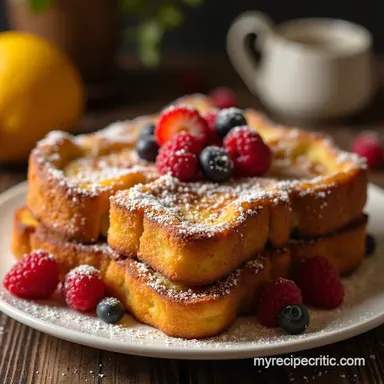
The King of the Crumb Brioche French Toast
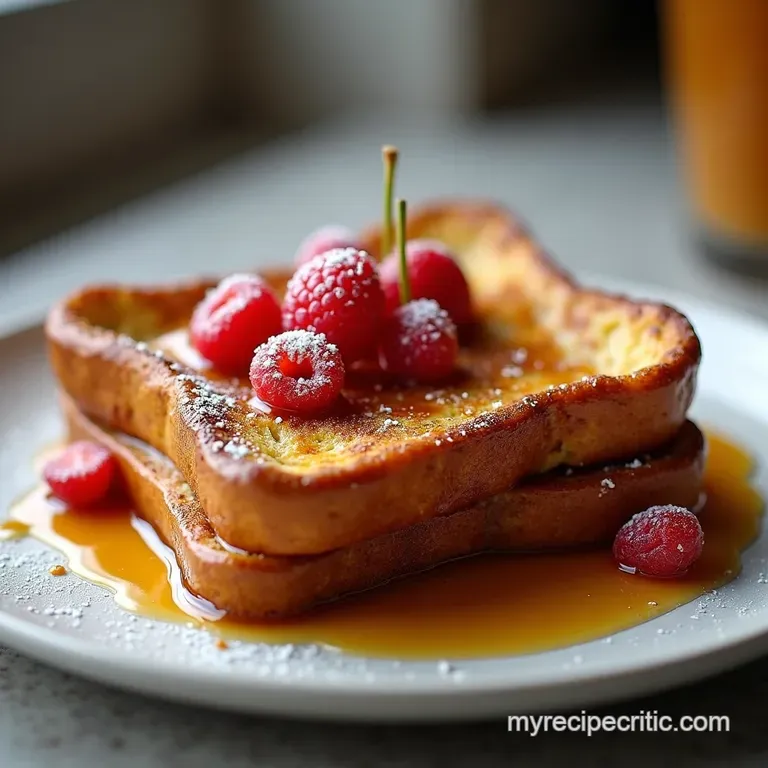
- Unveiling the Zenith of Weekend Breakfast: The Ultimate Brioche French Toast
- Why This Recipe Redefines the Home Brunch Experience
- Assembling Your Indulgence: Essential Components for Perfect Brioche French Toast
- The Step-by-Step Journey to Golden Perfection
- Beyond the Basics: Customizing Your Brioche French Toast
- Recipe FAQs
- 📝 Recipe Card
Unveiling the Zenith of Weekend Breakfast: The Ultimate Brioche French Toast
There are few culinary experiences as immediately gratifying as slicing into a perfectly prepared slice of French toast. But let's be honest: not all French toast is created equal.
To truly elevate this comforting classic into something spectacular something worthy of a slow weekend morning you need the right foundation. That foundation, my friends, is brioche.
This Brioche French Toast Recipe transforms a simple pan-fried item into a rich, almost pastry like indulgence that belongs firmly in the category of yummy breakfast ideas .
This guide walks you through creating what I confidently call the Best Brioche French Toast you'll ever make at home.
Why This Recipe Redefines the Home Brunch Experience
Making phenomenal French toast isn't about complex equipment; it’s about understanding your ingredients and respecting the short process. This particular recipe is rated as Easy in difficulty, meaning that even if you are new to elevated breakfast fare, the results will shock you with their luxurious quality, making it one of the most reliable cozy brunch recipes you can keep in your repertoire.
Elevating the Everyday: Brioche's Superior Texture
The fundamental difference between standard French toast and this rendition lies in the bread itself. Brioche, enriched with eggs and butter, possesses an open, airy crumb structure. When sliced thickly we aim for about 3/4 to 1 inch this structure acts like a perfect sponge.
It’s sturdy enough to hold its shape but porous enough to soak up our rich custard deeply, resulting in a product that is tender and custardy throughout, rather than just wet on the surface. This is the key to unlocking superior brioche bread recipes at home.
The Secret to Custard Saturation Without Soggy Ends
The most common pitfall in French toast making is the dreaded soggy center or a crunchy exterior that hasn’t properly absorbed the batter. Our method sidesteps this by using slightly stale or pre-dried brioche and a calculated soaking time. We are aiming for saturation, not submersion.
The rich, creamy dairy blend in the custard featuring both whole milk and heavy cream coats the exterior beautifully while allowing the interior crumb to absorb the flavor without breaking down structurally.
A Culinary Nod to Classic French Patisserie
While this preparation is decidedly American in its decadence, the use of high-quality brioche connects it conceptually to French baking traditions. We treat the bread with the respect it deserves, infusing the custard with pure vanilla and warming cinnamon.
The final result marries the comfort of home cooking with the refined, buttery elegance you’d expect from a Parisian patisserie. This approach ensures your Easy Brioche French Toast tastes utterly sophisticated.
Related Recipes Worth Trying
- Velvety Chicken Alfredo with Toasted Garlic 40 Mins — Forget clumpy sauces This Best Homemade Alfredo Recipe uses pasta water to create a Truly Velvety Chicken Alfredo Rich savoury comfort food made easily
- My Ultimate brioche french toast heavy cream Chef Secret for Velvety Centers — Fancy a proper brunch My brioche french toast heavy cream recipe is the golden standard Uses the perfect custard ratio for velvety centres and crisp edges...
- Effortless Delicious Classic French Toast My Secret Custardy Pain Perdu — Right then craving truly Effortless Delicious Classic French toast My Easy Pain Perdu recipe guarantees a crisp exterior and perfectly Custardy French Toast...
Assembling Your Indulgence: Essential Components for Perfect Brioche French Toast
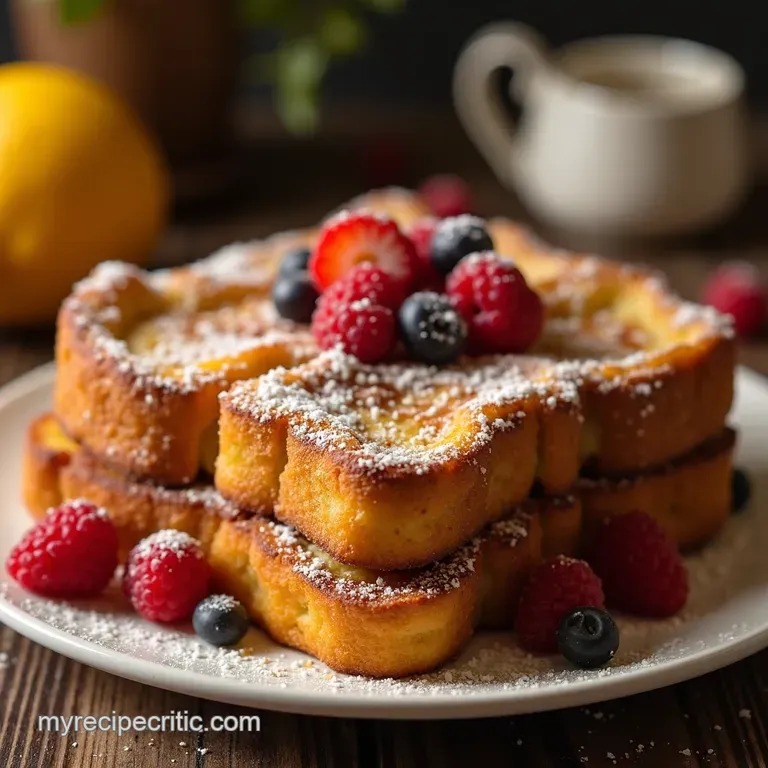
Before we even touch a skillet, we must ensure we have the correct building blocks. A truly great French toast relies on the quality and proportion of four main elements: the bread, the dairy, the binder (eggs), and the flavourings.
Together, these components create the magic that separates this from a simple French toast recipe .
The Richness Ratio: Dairy, Eggs, and Flavor Infusions
For our custard, we want substantial body. I call for 4 large eggs to bind 1 1/2 cups of dairy a combination of 1 cup of whole milk and 1/2 cup of heavy cream. Using full fat dairy is non-negotiable here; the fat carries the flavor and ensures that lovely, velvety texture.
We balance this richness with 2 tablespoons of granulated sugar for a hint of sweetness, 1 teaspoon of pure vanilla extract, 1/2 teaspoon of ground cinnamon, and a vital pinch of salt to enhance every other flavor component.
Sourcing the Right Loaf: Brioche Thickness Matters
When searching for your loaf, aim for one that is already a day old, if possible. If you are using fresh brioche, you must "dry it out" slightly first by giving the slices a quick, very light toast in a dry pan before dipping. You need 8 thick slices, ideally about 3/4 to 1 inch thick.
Thinner slices will dissolve under the weight of the rich custard.
Spice Cabinet Accents for Depth of Flavor
While cinnamon is the backbone of this recipe, don't hesitate to add a whisper of nutmeg or even a tiny pinch of cardamom to your spice mix. These subtle accents provide an aromatic complexity that makes diners pause and wonder what your secret is.
The vanilla extract must be pure, as artificial flavors will taste hollow against the richness of the butter soaked bread.
Selecting Your Frying Medium: Butter vs. Clarified Options
We need the flavor of butter, but we despise burnt milk solids. Therefore, the perfect frying medium involves a marriage: 4 tablespoons of unsalted butter mixed with 1 tablespoon of a high heat neutral oil, like canola or refined coconut oil.
The oil raises the smoke point, allowing the butter to achieve a deep, nutty brown colour without immediately turning black, ensuring a beautiful caramelization on your toast.
The step-by-step Journey to Golden Perfection
With our components ready, the active cooking phase is quick, taking only about 15 minutes total for a full batch of four servings. Timing and temperature management are key here to achieve that perfect contrast between the crisp exterior and the soft, eggy interior.
Crafting the Luxurious Dipping Custard
First, gently whisk the eggs in a wide, shallow baking dish (large enough to accommodate two slices simultaneously). Once slightly broken up, incorporate the milk, cream, sugar, vanilla, cinnamon, and salt. Whisk vigorously until the sugar dissolves and the mixture is uniform.
You want a light, pale yellow liquid ready to embrace the bread.
The Crucial Soaking Phase: Timing is Everything
This is where many people go wrong. Take your 1 inch thick slices of brioche and gently lay them into the custard. Allow each side to soak for a maximum of 30 to 45 seconds. Press down very lightly halfway through the soak time to ensure the surface absorbs liquid, then immediately lift them out.
They should still feel relatively firm, not floppy or saturated beyond recovery.
Mastering the Sear: Achieving That Flawless Exterior
Place a large 10 or 12 inch non-stick or well seasoned cast iron skillet over medium heat. Add about a tablespoon of your butter/oil mixture. Wait until the butter melts and begins to foam gently this foaming indicates it’s hot enough without being searingly hot.
Lay 2 or 3 slices into the pan, ensuring they have space; overcrowding steams the bread rather than frying it.
Stove Top Technique: Heat Control for Even Cooking
Cook the first side undisturbed for approximately 3 to 4 minutes. You are watching for a deep, rich mahogany brown a beautiful caramel crust. If the toast is browning too fast, immediately reduce the heat to medium low. Once the first side is perfect, gently flip.
Add a small fresh knob of butter to the pan before the second side cooks, ensuring every bite has that fresh, nutty butter flavor. Cook the second side for another 3 to 4 minutes until cooked through.
The Grand Finale: Resting and Plating Your Creation
Transfer the cooked slices immediately to a serving plate. Repeat the cooking process until all slices are done, always adding fresh fat to the pan for the next batch. While brioche is decadent on its own, serving immediately allows the residual heat to perfectly finish setting the custard center.
Beyond the Basics: Customizing Your Brioche French Toast
While this recipe stands tall on its own, the beauty of a great base is its adaptability. Think of this as a blank canvas for endless brunch possibilities. If you are planning ahead for a crowd, consider turning this recipe into an Overnight Brioche French Toast Bake —simply assemble the soaked bread in a casserole dish and let it rest in the fridge overnight before baking in the morning.
For those who prefer an even simpler assembly, a Brioche French Toast Casserole is a fantastic, hands off alternative.
Toppings That Transcend Local Cafe Offerings
Move beyond basic syrup! To really lean into the richness of the brioche, try topping your slices with a light dusting of powdered sugar, a dollop of homemade whipped cream infused with orange zest, or a sprinkle of toasted pecans.
For a richer experience, a warm apple cinnamon compote provides a delightful textural contrast.
Nutritional Considerations for the Indulgent Breakfast
Let’s be realistic: this is an indulgent treat. Due to the heavy cream and butter required for this level of texture, the calorie and saturated fat content per serving (roughly 450 500 kcal without toppings) is high.
This is a meal reserved for celebratory mornings or when you truly deserve a satisfying break, not an everyday staple.
Troubleshooting Common Toasting Mishaps
If your toast is pale, your pan wasn't hot enough; increase the heat slightly for the next batch and ensure your fat is foaming before adding the bread. If the edges are too dark but the middle is raw, your heat is too high; reduce it immediately and let the residual heat work its way inward.
Remember, if you’re finding your brioche gets too soggy, you need to pre-toast it slightly, as detailed in the preparation steps.
Make-ahead Strategies for Stress Free Family Mornings
While pan-frying is best done just before serving, you can simplify mornings significantly. Prepare your custard entirely the night before and store it in the refrigerator. You can even slice your brioche and keep it in an airtight container.
When morning arrives, simply whisk the cold custard back up (it might separate slightly), perform your quick dips, and get frying. This efficiency makes this recipe a true star for handling busy family mornings without sacrificing quality.
Recipe FAQs
What’s the secret to getting perfect, non-soggy Brioche French Toast?
The trick lies in two areas: using slightly stale or day-old brioche, as fresh bread turns to mush. Secondly, when dipping, only give it a quick soak about 30 to 45 seconds per side maximum to ensure the custard wets the surface without fully saturating the rich centre.
Can I use regular white bread instead of brioche for this French Toast?
You certainly can, but you’ll be missing out on that signature richness! Brioche, with its high egg and butter content, gives that unbelievably tender, almost cake like interior. If you substitute, use a thick cut bread like Challah and you might need to increase the soaking time slightly.
How do I stop the butter from burning when frying my Brioche French Toast?
That’s a common frustration when cooking with butter! To combat scorching, mix about 1 tablespoon of a neutral oil (like canola or sunflower) with your butter when heating the pan. The oil raises the butter's smoke point, letting you achieve that deep, golden caramelisation without turning the pan black.
Can I make a big batch of this Brioche French Toast ahead of time?
It's best cooked fresh, as French toast is prone to becoming rubbery if reheated improperly. However, you can certainly mix the custard base the day before and keep it chilled. For keeping cooked pieces warm, lay them on a wire rack set over a baking tray in a very low oven (around 200°F/95°C) while you finish the rest.
My toast seems flat after cooking; what went wrong with the texture?
If your toast is flat, it usually means the heat was too low, causing the bread to slowly absorb too much fat and flatten out before setting. Ensure your pan is properly preheated to medium heat before adding the bread, giving you that quick initial sizzle that helps the French toast puff up nicely.
Best Brioche French Toast