Basil Chimichurri
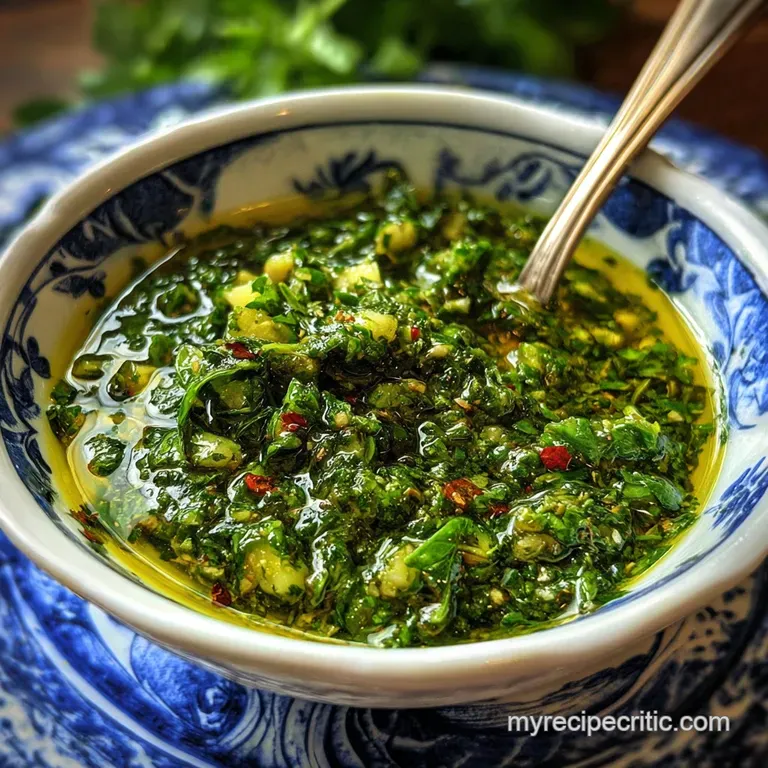
- Time: Active 10 minutes, Passive 0 minutes, Total 10 minutes
- Flavor/Texture Hook: Zesty, herbaceous, and punchy with a rustic, oil suspended texture
- Perfect for: Grilled steaks, roasted salmon, or a quick flavor boost for crusty bread
Why This Sauce Works
The Physics of the Bruise: Hand chopping prevents the high speed friction of blender blades from oxidizing the basil’s delicate oils, keeping the color vivid and the flavor sharp. This preserves the cellular structure of the leaves so the sauce feels bright rather than slimy.
Enzymatic Delay: The red wine vinegar acts as a pH barrier that slows down the browning process (oxidation) once the leaves are cut. This ensures your sauce stays a brilliant green for several hours rather than turning grey within minutes.
Aromatic Maceration: Letting the shallots and garlic sit in the vinegar for a few minutes softens their harsh sulfur compounds. This creates a more rounded, sophisticated flavor profile that doesn't leave you with "garlic breath" for three days.
Decision Shortcut
- If you want a smoother, more emulsified texture, use a mortar and pestle to grind the garlic and herbs into a paste.
- If you want more heat, increase the red pepper flakes to 1 teaspoon for a lingering spicy finish.
- If you want a brighter, citrus forward finish, swap half the vinegar for fresh lemon juice and add a teaspoon of zest.
| Method | Time | Texture | Best For |
|---|---|---|---|
| Stovetop Sear | 8 minutes | Ultra crispy crust | Ribeye or thick pork chops |
| Oven Roast | 18 minutes | Even, juicy interior | Whole salmon fillets or chicken breasts |
| Air Fryer | 12 minutes | Shatter crisp edges | Chicken thighs or cauliflower steaks |
This sauce works incredibly well as a finishing touch for a variety of proteins. If you're looking for a solid main dish to pair this with, my Homemade Chicken Parmesan recipe provides a great crispy base, though you might want to skip the marinara and let the chimichurri take center stage for a fusion twist.
Recipe Metrics and Quick Specs
Before we start chopping, we need to talk about the "how" behind these ingredients. This isn't just a list; it’s a blueprint for balance. When you’re dealing with something as simple as a chimichurri, the quality of your oil and the freshness of your herbs aren't just suggestions they are the entire dish.
| Component | Science Role | Pro Secret |
|---|---|---|
| Extra Virgin Olive Oil | Fat Carrier | Use a "buttery" oil rather than a peppery one to let the basil shine. |
| Red Wine Vinegar | Acidic Brightener | It breaks down the tough fibers in the shallots, "cooking" them slightly. |
| Fresh Basil | Primary Flavor | Only use the leaves; the stems can be bitter and fibrous in this sauce. |
| Kosher Salt | Flavor Enhancer | Use Diamond Crystal for a wider surface area that dissolves evenly in oil. |
Using the right salt is a huge deal here. Table salt is too fine and can make the sauce taste "salty" rather than "seasoned." Kosher salt has those big, flaky crystals that draw out the moisture from the herbs, helping them release their natural perfumes into the oil.
For those who love a herbaceous lifestyle, you might find similarities in the flavor profile here and the one in The Green Goddess recipe. Both rely heavily on the power of fresh, soft herbs to do the heavy lifting.
Building Blocks of Bold Flavor
You’ll want to gather everything before you start. Since this is a raw sauce, there is nowhere for mediocre ingredients to hide. If your basil is looking a bit wilted, give it a quick ice bath for 5 minutes to perk it up before you start chopping.
- 2 cups Fresh Basil leaves: Tightly packed (60g). Why this? Provides the sweet, peppery backbone that distinguishes this from traditional chimichurri.
- 1/2 cup Italian Flat Leaf Parsley: (15g). Why this? Adds an earthy, grassy note that balances the sweetness of the basil.
- 4 cloves Garlic: Mincd (12g). Why this? Essential for that signature chimichurri bite and pungency.
- 1 small Shallot: Brunoised (20g). Why this? Sweeter and more delicate than onion; it adds texture without overpowering.
- 1/2 tsp Red pepper flakes: (1g). Why this? Provides a slow burning heat that cuts through the richness of the oil.
- 1/2 cup Extra Virgin Olive Oil: (108g). Why this? The vehicle that carries all the flavors to your palate.
- 1/4 cup Red Wine Vinegar: (60g). Why this? Provides the necessary acidity to balance the fat and preserve the green color.
- 1 tsp Kosher salt: (6g). Why this? Enhances all other flavors and helps macerate the aromatics.
- 1/2 tsp Freshly cracked black pepper: (1g). Why this? Adds a woody, sharp finish that complements the basil.
| Original Ingredient | Substitute | Why It Works |
|---|---|---|
| Red Wine Vinegar | Lemon Juice | Provides a sharper, more citrusy acidity. Note: Sauce will oxidize faster. |
| Shallot | Red Onion | Similar bite but slightly more aggressive. Soak in water first to mellow it. |
| Extra Virgin Olive Oil | Avocado Oil | Neutral flavor profile. Note: Loses the fruity notes of high-quality olive oil. |
If you are out of red wine vinegar, apple cider vinegar is a decent backup, though it’s a bit sweeter. Avoid white distilled vinegar; it’s too harsh and tastes like a cleaning product in a delicate sauce like this.
Minimal Gear for Maximum Results
You don't need a pantry full of gadgets to make a world class sauce. In fact, using too much tech can actually hurt the final product. A food processor is tempted to turn this into a pesto, which we definitely don't want. We want a loose, spoonable sauce where you can see every individual fleck of herb.
- A Sharp Chef's Knife: This is non negotiable. A dull knife will crush the basil cells rather than slicing them, leading to a dark, wet mess on your cutting board.
- Large Wooden Cutting Board: Wood is easier on your knife and provides a good grip for the herbs.
- Medium Glass Mixing Bowl: Avoid metal bowls if you plan on letting the sauce sit, as the vinegar can sometimes react with certain metals and give the sauce a metallic "off" flavor.
- Small Whisk or Fork: For properly integrating the oil and vinegar into a temporary emulsion.
Chef's Tip: Freeze your basil for exactly 3 minutes before chopping. This firms up the leaves just enough to make them easier to slice cleanly without bruising, keeping that vibrant green color locked in.
Steps to a Perfect Sauce
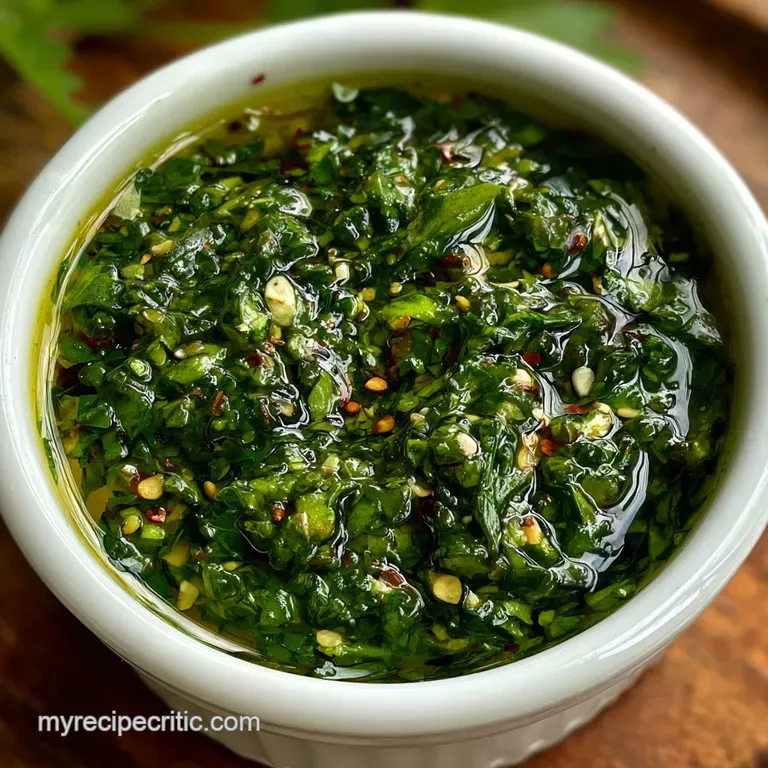
Macerating the Aromatics
- Prepare the shallot. Finely brunoise the 1 small shallot into 1/8 inch pieces.
- Mince the garlic. Use 4 cloves of garlic and mince them until they are almost a paste.
- Combine with acid. Place the shallots, garlic, 1/2 tsp red pepper flakes, 1 tsp kosher salt, and 1/4 cup red wine vinegar into your glass bowl. Note: This "cooks" the raw bite out of the aromatics.
- Let it sit. Allow this mixture to rest for 5 to 10 minutes until the shallots look slightly translucent.
Hand Chopping the Herbs
- Prep the basil. Take your 2 cups of tightly packed basil and 1/2 cup parsley; ensure they are completely dry.
- Slice the leaves. Stack the basil leaves, roll them like a cigar (chiffonade), and then slice through them once. Stop when they are finely chopped but not mushy.
- Rough chop the parsley. Do the same with the parsley, aiming for a similar size to the basil.
Integrating the Oil
- Stir the herbs in. Add the chopped herbs to the vinegar and shallot mixture.
- Slowly add oil. Pour in 1/2 cup extra virgin olive oil while stirring with a fork. The sauce should look like gems suspended in liquid gold.
- Season to finish. Add 1/2 tsp freshly cracked black pepper.
- Final rest. Let the sauce sit at room temperature for 20 minutes until the oil has turned a pale, fragrant green.
Troubleshooting Your Herb Sauce
Sometimes things don't go perfectly, and that's okay. The most common issue people face with herb based sauces is oxidation or a weird bitterness. If your sauce looks a bit "blah," it’s usually an easy fix involving a bit more salt or a splash more acid.
Fixing a Bitter Aftertaste
If your sauce tastes bitter, it’s often because the olive oil was over agitated or the basil was bruised. You can balance this by adding a tiny pinch of sugar or a bit more salt. Salt is the natural enemy of bitterness; it blocks those receptors on your tongue and lets the sweetness of the basil shine through.
Brightening a Dull Color
If the sauce has turned a dark, olive green instead of neon green, it’s likely been sitting too long or the herbs were wet when chopped. To prevent this next time, make sure your herbs are bone dry.
For the current batch, you can "cheat" by stirring in a tablespoon of freshly minced parsley right before serving to add a pop of fresh color.
| Problem | Root Cause | Solution |
|---|---|---|
| Sauce is too watery | Herbs were wet when chopped | Pat herbs dry with a paper towel before slicing. |
| Overpowering garlic | Garlic was too fresh or large | Macerate garlic in vinegar for an extra 10 minutes. |
| Oil is solidifying | Sauce was kept in a cold spot | Bring to room temperature and whisk vigorously for 1 minute. |
Common Mistakes Checklist
- ✓ Don't use a food processor; the heat from the blades will cook the basil and turn it brown.
- ✓ Avoid using the stems of the basil, as they contain a bitter, woody sap.
- ✓ Never add the oil before the vinegar; the salt needs to dissolve in the acid first.
- ✓ Ensure your knife is razor sharp to prevent "weeping" herbs on the cutting board.
- ✓ Don't skip the 20 minute rest period; the flavors need time to marry and mingle.
Personalizing Your Herb Blend
Once you’ve mastered the base, you can start playing with the ratios. Chimichurri is a living recipe it should change based on what you’re eating and what’s in your garden. I’ve made versions of this with mint for lamb, and even a cilantro heavy version for taco night.
Cilantro Basil Fusion
If you’re serving this with grilled shrimp or fish tacos, try swapping the parsley for fresh cilantro. The combination of basil and cilantro creates a floral, almost tropical aroma that is incredible with lime juice instead of red wine vinegar.
It’s a bit of a departure from the Argentinian roots, but it’s a winner every time.
Adjusting the Heat Profile
The red pepper flakes provide a nice, dry heat, but if you want something more aggressive, try adding a finely minced Fresno chili or a de seeded jalapeño. This adds a "fresh" heat and a bit of crunch to the sauce. Just be careful not to overpower the delicate sweetness of the basil.
Keeping the Green Fresh
Basil is notorious for being finicky. If you put it in a cold spot, it turns black. If you leave it out, it wilts. The sauce is similarly sensitive.
Storage: This sauce is best served the day it's made. However, you can keep it in an airtight container at room temperature for up to 4 hours. If you must keep it longer, store it in a cool spot for up to 2 days.
The oil will likely thicken, so you’ll need to let it sit out for 30 minutes before serving.
Zero Waste Tip: Don't throw away those basil and parsley stems! While they aren't great in the sauce, they are packed with flavor. Toss them into a freezer bag and use them the next time you’re making a vegetable or chicken stock. They add a wonderful aromatic depth to soups.
How to Plate It
Presentation is half the battle. Because this sauce is so vibrant, it looks best against charred or browned foods. The contrast between a dark, seared steak and the bright green sauce is visually stunning.
Pairing with Proteins
Don't just dump the sauce over the meat. Instead, slice your steak or chicken first, then spoon the sauce in a line across the center of the slices. This allows the meat to "breathe" and prevents the crust from getting soggy too quickly.
It also lets your guests see the beautiful pink interior of the meat alongside the green sauce.
Improving the Visuals
For a restaurant quality look, use a small spoon to drizzle a few extra drops of plain olive oil around the edges of the chimichurri. This creates a "halo" effect that makes the sauce look even more lush and velvety.
If you’re feeling fancy, a few whole small basil leaves tucked into the sauce right before it hits the table adds a nice structural element.
This sauce isn't just a condiment; it's a tool in your arsenal. Whether you’re looking to impress at a dinner party or just want to make a Tuesday night chicken breast feel special, this basil forward take on a classic is the answer.
Just remember: keep your knife sharp, your herbs dry, and never, ever trust a blender with your basil.
Recipe FAQs
Can you make chimichurri with basil?
Yes, absolutely. While parsley is traditional, basil offers a wonderfully sweet and peppery alternative that can create a delicious variation. The key is to maintain a good balance with the other ingredients.
Can I use basil instead of parsley for chimichurri sauce?
Yes, it's a fantastic substitution. Basil brings a different, brighter sweetness and a slightly peppery note that works beautifully. It's a common and tasty variation, much like how swapping herbs can elevate dishes like our The Ultimate Green Goddess Salad Recipe 20 Mins.
What is the secret to a great chimichurri?
Use the freshest ingredients possible and hand chop everything. Proper emulsification of the oil and vinegar is crucial, along with a good balance of acidity and salt. Mastering the technique of controlling ingredient textures, similar to how we manage dough in Zucchini Ricotta Galette Recipe: Flaky Crust, No Soggy Bottoms, makes a big difference.
What is traditional chimichurri made of?
Traditionally, it's made with fresh parsley, garlic, oregano, olive oil, and vinegar. Red pepper flakes are often included for a touch of heat. The focus is on fresh, vibrant herbs and a zesty, herbaceous flavor profile.
Why is my basil chimichurri turning brown?
It's likely due to oxidation, often from using a blender or bruising the basil. Hand chopping with a sharp knife preserves the herb's cell structure and minimizes browning. Ensuring your herbs are completely dry before chopping also helps maintain that bright green color.
How do I get a looser, less paste like basil chimichurri?
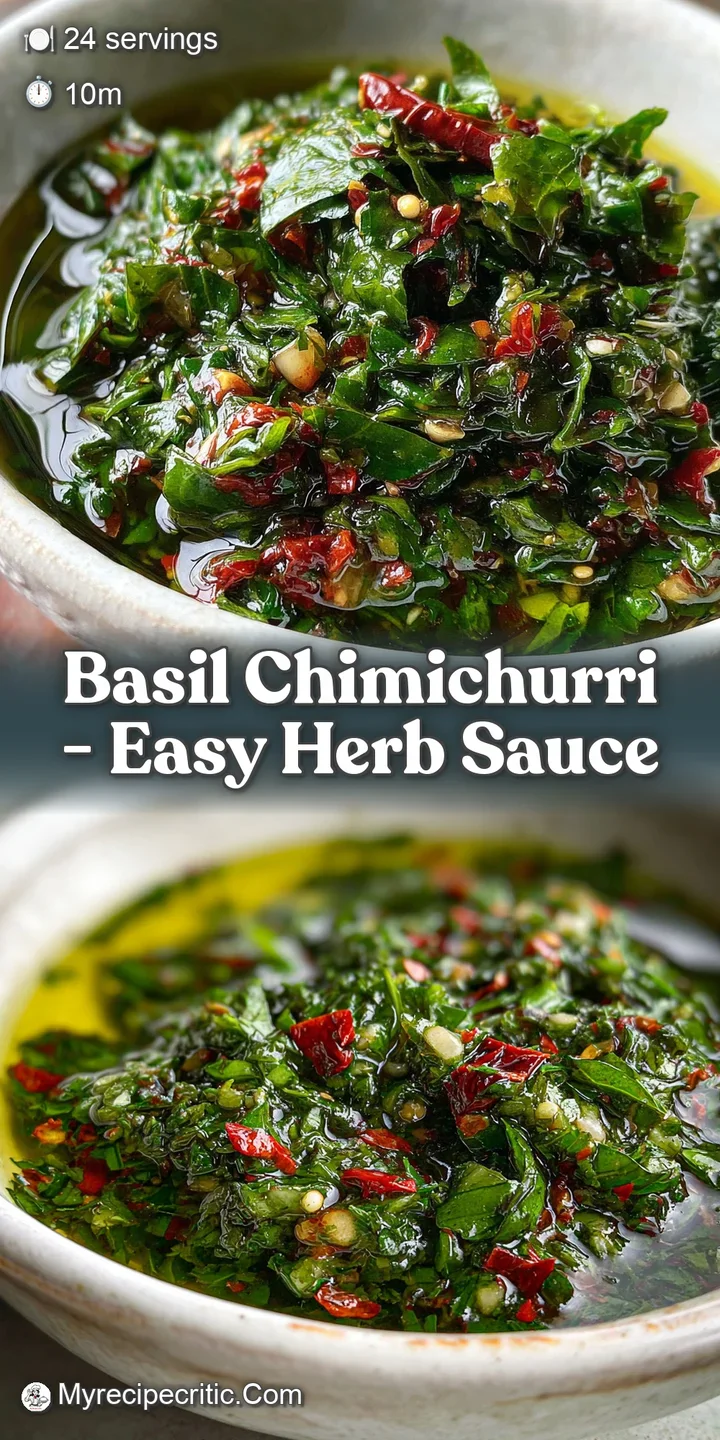
Avoid using a food processor or blender, and hand chop all your ingredients. Focus on slicing the herbs rather than crushing them. The goal is a rustic, textured sauce where individual herb flecks are visible, not a smooth puree.
Can I make basil chimichurri ahead of time?
Yes, it can be made a few hours in advance, up to 2 days if refrigerated. For the best flavor and color, let it sit at room temperature for about 30 minutes before serving and give it a good stir. This allows the flavors to meld beautifully, similar to how slow cooked dishes develop depth, like in our Ravioli Lasagna Bake: The Cheaters Classic Quick Family Dinner.
Basil Chimichurri
Ingredients:
Instructions:
Nutrition Facts:
| Calories | 42 kcal |
|---|---|
| Protein | 0.1 g |
| Fat | 4.5 g |
| Carbs | 0.4 g |
| Fiber | 0.1 g |
| Sugar | 0.1 g |
| Sodium | 96 mg |
