The Golden Standard Truly Simple Authentic German Butter Cookies
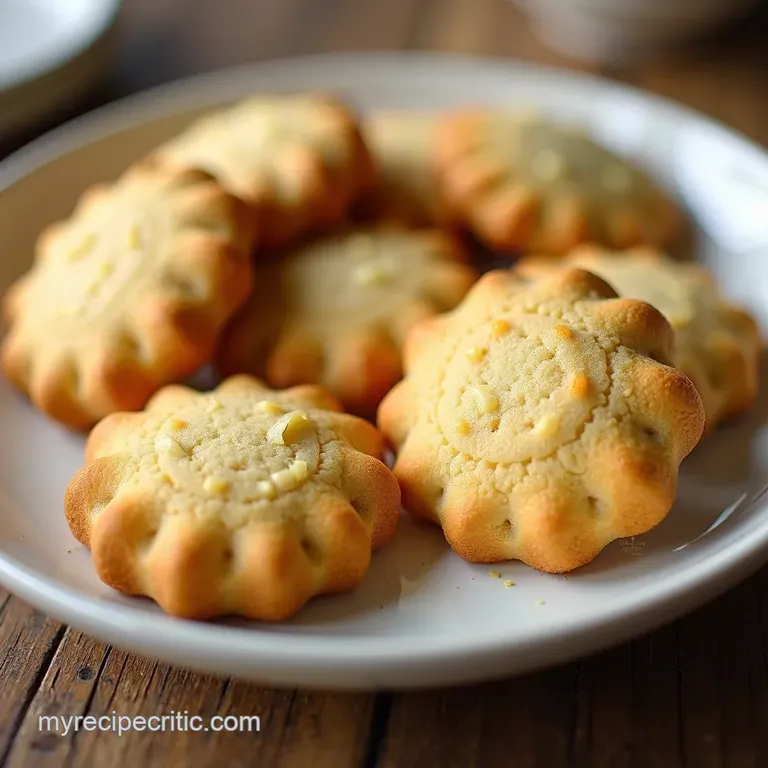
- Unlocking the Secret to Authentic Butterplätzchen Perfection
- Why These German Butter Cookies Deserve A Spot In Your Holiday Stash
- The Essential Pantry List for Superior Butter Flavor
- Tool Talk: Gathering Your Baking Arsenal Before You Start
- Mastering the Dough: Mixing Techniques for Ultimate Smoothness
- Shaping Strategies: From Rolling Pin to Perfectly Cut Shapes
- The Bake Cycle: Achieving Golden Perfection for Your German Butter Cookies
- Troubleshooting Common Pitfalls and Baker FAQs
- Elevating Your Batch: Flavor Twists and Presentation Ideas
- Recipe FAQs
- 📝 Recipe Card
Unlocking the Secret to Authentic Butterplätzchen Perfection
When the air turns crisp and the scent of cinnamon starts drifting from the kitchen, it’s time to turn our attention to the absolute bedrock of European holiday baking: the German Butter Cookie.
Often referred to by their delightful German moniker, Butterplätzchen , these aren't just any shortbread knock offs; they are the gold standard of simplicity and rich flavour.
These classic German Butter Cookies are everything a biscuit should be: crisp on the edges, tender in the centre, and deeply buttery. Originating from traditional German home baking, this recipe relies on high-quality butter and minimal fuss to achieve that signature, satisfying snap.
Perfect for dipping into a warm cup of coffee or decorating for special occasions, mastering this technique unlocks the door to truly exceptional holiday baking.
Why These German Butter Cookies Deserve A Spot In Your Holiday Stash
This particular version of the Butterplätzchen Recipe is straightforward and deeply rewarding, classifying the difficulty level as Easy .
The main technique revolves around a basic "creaming method" blending fats and sugars first meaning there's no complicated resting or proofing required, just mandatory chilling time.
This recipe comes together in about 20 minutes of active preparation, yielding roughly three dozen of these golden treats. In total, including the essential 60 minutes of chill time, you can be enjoying your first batch in under an hour and a half.
These are robust enough for gifting but delicate enough to practically melt away the moment they hit your tongue, making them ideal Holiday Butter Cookies .
A Timeless Recipe: From German Kitchens to Your Oven
The beauty of these Easy German Butter Cookies lies in their historical pedigree. They are the foundation upon which more elaborate German baking is often built.
Our ingredient focus high-quality, room temperature unsalted butter, granulated sugar, two rich egg yolks, pure vanilla extract, all-purpose flour, and fine sea salt speaks to a desire for pure flavour enhancement rather than complexity.
The egg yolks are non-negotiable; they lend the cookies a necessary richness and superior structure that helps them hold their shape beautifully during baking, setting them apart from leaner biscuits.
The Non-Negotiable Texture: Crisp Edges, Tender Core
Achieving that perfect textural dichotomy a slight snap giving way to a tender, almost sandy interior is what defines quality German baking. This comes down to two critical factors: the fat content and the mixing time.
Using a full cup (227g) of butter ensures tenderness, while precise oven temperature control prevents them from becoming hard. If you are looking for a Spritz Cookie Recipe alternative that requires less specialized equipment, this rolled and cut method delivers supreme buttery richness.
They are truly Melting Butter Cookies in the best possible sense.
Setting Expectations: What Makes This Recipe Foolproof
Beyond quality ingredients, the success of this German Butter Biscuits recipe hinges on process control. Because the dough is rich in butter, managing temperature is paramount.
When the butter is perfectly softened pliable but not oily it can incorporate the maximum amount of air with the sugar, creating microscopic pockets that expand during baking. This results in cookies that spread minimally and maintain the intricate edges carved out by your cutters.
This inherent simplicity, when temperature is respected, makes this recipe exceptionally reliable.
The Essential Pantry List for Superior Butter Flavor
To truly honour the essence of these cookies, we must focus on the core components. We require one cup (2 sticks) of softened, unsalted butter ensure it is truly room temperature for optimal creaming and three quarters of a cup (150g) of standard granulated sugar.
The structure comes from 2 1/2 cups (315g) of all-purpose flour, levelled precisely. Remember, too much flour results in dryness, while too little leads to excessive spreading. For richness, two large egg yolks are incorporated, complemented by one teaspoon of high-quality vanilla extract.
Finally, a half teaspoon of fine sea salt is necessary to balance the deep sweetness derived from the butter and sugar.
Tool Talk: Gathering Your Baking Arsenal Before You Start
Preparation extends beyond ingredients; having the right tools ensures a smooth workflow, especially when dealing with delicate doughs. A stand mixer or reliable hand held electric mixer is essential for properly creaming the butter and sugar.
You will also need a sturdy rubber spatula for scraping down the bowl, ensuring every particle is evenly incorporated. Crucially, gather your baking sheets, lining them generously with parchment paper or silicone baking mats this prevents sticking without compromising the bottom texture.
Finally, have your rolling pin and your favourite cookie cutters ready to go.
Mandatory Measures: Quality Butter and Flour Requirements
The name of the cookie says it all: butter is the star. Invest in the best quality butter you can find, as its flavour will dominate the final product. It must be softened enough to yield slightly when pressed, but never melted, which leads directly to spread.
When measuring flour, avoid scooping directly from the bag; instead, spoon the flour lightly into your measuring cup and then level off the excess with a straight edge. This technique ensures you don't accidentally pack in extra flour, which can lead to tough, dry German Butter Cookies .
Sweeteners and Seasonings: Balancing Richness and Aroma
While the granulated sugar provides the necessary sweetness and aids in browning, the vanilla extract provides aromatic depth that prevents the cookies from tasting flatly sweet. The small amount of salt plays a vital, often overlooked, role in rounding out the flavour profile, making the buttery notes shine brighter.
Resist the urge to substitute the fine sea salt with harsher alternatives, as its mildness complements the delicate dough beautifully.
Pre-Baking Checklist: Temperature Prep for All Components
Before you even turn on your mixer, ensure your butter is perfectly softened, your eggs are at room temperature (which aids emulsification), and your oven is preheating to 375° F ( 190° C).
Having everything ready ensures you can move quickly from mixing the dough to chilling it, minimizing the time the butter spends in a warm environment before its crucial rest period.
Related Recipes Worth Trying
- Classic Butter Spritz Cookies MeltInYourMouth Delights — Master the traditional Spritz Cookies recipe These easy buttery delights hold their shapes perfectly for beautiful Christmas baking Get the foolproof method
- The Proper Pull BakeryStyle Chewy Sugar Cookies Recipe — Tired of dry bakes This chewy sugar cookies recipe uses cream of tartar for that perfect soft meltinyourmouth texture Easy to master
- Laura Bushs Cowboy Cookies Chewy Chunky Texas Treasure — Grab the original Laura Bush Cowboy Cookies recipe These are the best cowboy cookie recipe packed with oats pecans and chocolate chips for ultimate chewiness
Mastering the Dough: Mixing Techniques for Ultimate Smoothness

The first step in creating these magnificent German Butter Cookies with Chocolate or jam accents is achieving a light, aerated base. Start by beating the softened butter and granulated sugar together.
This process, known as creaming, should continue for a good 3 to 4 minutes until the mixture transforms, becoming noticeably paler in colour and fluffy in texture. Next, introduce the two egg yolks, beating well after each addition until fully incorporated, followed by the vanilla extract.
Once the wet base is established, gently whisk your flour and salt together in a separate bowl. Gradually add the dry mixture to the wet ingredients while mixing on the lowest speed. This is where patience is key: mix only until the last streaks of flour disappear.
Overmixing at this stage develops gluten strands, resulting in a tougher cookie rather than the desired tender snap characteristic of authentic Butterplätzchen .
Shaping Strategies: From Rolling Pin to Perfectly Cut Shapes
Once mixed, the dough must be divided, flattened into discs, tightly wrapped in plastic wrap, and chilled for a mandatory 60 minutes. This resting period allows the flour to fully hydrate and, more importantly, solidifies the butter, making the dough workable without excessive added flour.
On a lightly floured surface, roll out one disc to an even 1/4 inch thickness. Work quickly; if the dough softens too much, return it to the fridge for 10 minutes. Use your cookie cutters to press out shapes cleanly.
When transferring the cutouts to the prepared baking sheets, use a thin offset spatula to lift them carefully, ensuring you don’t stretch or distort the edges you so carefully created.
The Bake Cycle: Achieving Golden Perfection for Your German Butter Cookies
The baking phase is short but critical. The goal is a set structure with minimal colour change, preserving the pale, buttery core.
Creaming Harmony: Combining Fats and Sugars Correctly
As mentioned, the initial creaming stage dictates the final structure. This process incorporates air, which helps the cookies rise slightly and become tender. If your butter is too cold, the sugar crystals won't properly cut into the fat, resulting in dense, heavy cookies that don't achieve that sought after melt-in-the-mouth quality.
The Critical Chill: Why Resting the Dough Is Not Optional
This chilling step is perhaps the most frequently skipped, yet it is entirely non-negotiable for achieving precise shapes. Cold butter melts slower in the oven, giving the cookie structure time to set before the fat liquifies completely and causes the cookies to slump.
If you skip the chill, your intricately cut shapes will blur into generic rounds, losing the charm of these Christmas Butter Cookies .
Precision Cutting and Transfer: Preventing Spread During Baking
Before they even hit the oven, a quick secondary chill can provide an extra layer of insurance against spread. Place the assembled, unbaked cookies on their baking sheets into the refrigerator for 10 minutes while the oven finishes preheating.
If you choose to finish them traditionally, lightly brush the tops with an egg wash (one beaten egg white mixed with a teaspoon of water) and sprinkle with coarse sanding sugar for sparkle before placing them into the heat.
Bake for 10 to 12 minutes, watching the edges closely; they should be set and only the slightest hint of gold should appear.
Troubleshooting Common Pitfalls and Baker FAQs
Even with a straightforward recipe, questions arise. The most common issue is excessive spread. This almost always points back to butter that was too warm during rolling or insufficient chilling time.
If your cookies are cracking during rolling, the dough is likely too cold or hasn't rested long enough after being mixed; let it sit on the counter for 5 minutes before trying again.
Elevating Your Batch: Flavor Twists and Presentation Ideas
Once you've mastered the base technique, exploring variations allows you to customize these wonderful cookies. For instance, substituting a quarter of the all-purpose flour with almond flour adds a subtle, nutty depth, transforming them into a richer treat akin to some German German Butter Cookies with Jam fillings.
Alternatively, incorporating lemon zest directly into the creamed butter mixture provides a wonderful, bright contrast to the richness.
Storage Secrets: Keeping Your Baked Goods Fresh for Weeks
These cookies are wonderfully stable due to their low moisture content. Once completely cool, store them layered with parchment paper inside an airtight container at room temperature. They maintain peak freshness for at least two weeks, often longer, making them perfect for preparing well in advance of any event.
Recipe Variations: Incorporating Zest or Nut Flours
To easily transition these into German Butter Cookies with Jam sandwiches (similar to Linzer cookies), bake them plain. Once cooled, sandwich two identical cookies together using a tart, flavourful jam like raspberry or apricot.
For a simpler finish, once cooled, dip half of each cookie into melted dark chocolate and allow it to set on a fresh sheet of parchment paper for a beautiful presentation contrast.
Reader Inquiries Answered: Solving Common German Cookie Conundrums
A frequent query concerns decoration: Should I ice them? While you can certainly use royal icing, the traditional German approach often favours simplicity a dusting of confectioners' sugar or the aforementioned sanding sugar.
If you prefer a glaze, wait until the cookies are completely cool, as any residual warmth will melt the icing immediately. Embrace the simplicity; the rich taste of the butter should be the star attraction of these truly superb Butterplätzchen .
Recipe FAQs
My German Butter Cookies spread out in the oven! What went wrong?
Ah, that's a common foe in the baking world! This usually happens because your butter was too soft or even slightly melted when you started mixing, or you skipped the crucial chilling step.
Make sure your butter is cool, yet pliable, and chill that dough for a solid hour before rolling to keep those lovely shapes sharp.
Can I make these German Butter Cookies ahead of time for Christmas?
Absolutely, they are brilliant make-ahead bakes! You can store the unbaked, cut-out cookies on a baking sheet lined with parchment, separated by wax paper, and freeze them for up to three months. Bake straight from frozen, adding just a minute or two to the bake time.
What is the best way to store leftover German Butter Cookies to keep them crisp?
For maximum crispness, store cooled cookies in an airtight tin or container at room temperature think of it as a traditional biscuit tin. Avoid the fridge, as that can actually soften them up.
If you're storing them for longer than a week, perhaps add a small, plain slice of white bread to the tin to absorb excess moisture.
I don't have cookie cutters; can I still make this recipe?
Yes, you certainly can! Since this dough is sturdy, you can easily roll it into a log shape, wrap it tightly, and chill it thoroughly. Then, slice the log into rounds about 1/4 inch thick it’s a fantastic alternative if you fancy a rustic, uniform look, much like shortbread.
Can I substitute the granulated sugar for something else, like brown sugar?
While you can, it slightly changes the texture you're aiming for with these classic German Butter Cookies. Granulated sugar helps keep them crisp and pale; brown sugar introduces molasses, which adds moisture and chewiness, making them closer to a standard sugar cookie.
Stick to the white sugar for the authentic melt-in-your mouth snap!
Authentic German Butter Cookies