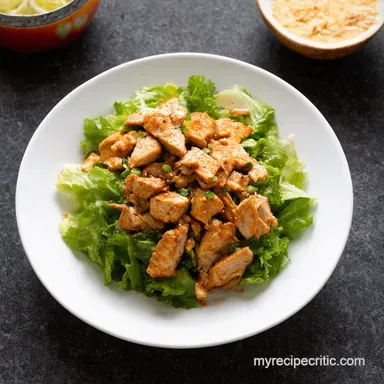
Thai Chicken Salad a Taste of Bangkok in 30 Minutes

- Time: 20 min active + 10 min cooking
- Flavor & Texture: Tangy, salty, and crunch heavy
- Perfect for: A fast, high-protein weeknight dinner
Thai Chicken Salad A Taste Of Bangkok
The smell of toasted sesame and lime hits you immediately. It is a bright, high-energy dish that feels like a street market meal, but it comes together in about half an hour.
You get a heavy contrast here. The chicken is warm and glazed, while the cabbage and carrots stay ice cold and snap in every bite.
It is a great option when you want something that feels substantial but doesn't leave you feeling heavy. You can have this on the table in 30 minutes.
Recipe Specs
This dish focuses on a balance of four key tastes: salty, sour, sweet, and spicy. Because the chicken is sliced thin, it cooks fast and stays tender.
The base is a mix of hearty cruciferous greens and aromatic herbs. It is naturally gluten-free and packed with protein.
The Building Blocks
The dressing is where the real magic happens. I recommend whisking it in a jar to get a quick, smooth emulsion.
The Protein
- 1 lb chicken breast, cut into thin strips Why this? Thin slices cook quickly and soak up more flavor
- 1 tbsp neutral oil
- 1/2 tsp salt
- 1/2 tsp black pepper
The Zesty Dressing
- 3 tbsp fresh lime juice Why this? It provides the necessary bright acidity
- 2 tbsp reduced-sodium fish sauce Why this? It creates a deep, salty umami foundation
- 1 tbsp brown sugar
- 1 tsp sriracha
- 1 clove garlic, finely minced
The Salad Base
- 4 cups shredded cabbage
- 1 cup shredded carrots
- 1/2 cup red onion, thinly sliced
- 1/2 cup fresh cilantro, chopped
- 1/2 cup fresh mint leaves, torn
- 1/2 cup roasted unsalted peanuts, crushed
- 2 tbsp toasted sesame seeds
| Component | Purpose | Substitute Notes |
|---|---|---|
| Fish Sauce | Salty depth | Soy sauce: Similar salt levels, but less fermented flavor |
| Lime Juice | Sharp acidity | Rice vinegar: A softer, less fruity option |
| Cabbage | Main crunch | Kale: More robust, but needs massaging to soften |
| Brown Sugar | Balance | Honey: Works well, but results in a thicker consistency |
Equipment Needed
You only need a few basics. A large skillet for the chicken and a big mixing bowl for the assembly. A small jar or whisk is handy for the dressing.
From Prep to Plate
1. Mix the Dressing
In a small container, combine the lime juice, reduced-sodium fish sauce, brown sugar, sriracha, and minced garlic. Stir until the sugar has completely dissolved and the mixture is glossy.
2. Sear the Chicken
Bring the neutral oil to a shimmer in a pan over medium-high heat. Season the chicken strips with salt and black pepper, then add them to the pan. Cook for 3-5 minutes per side until well-browned and the center reaches a safe internal temperature of 165°F.
3. Infuse the Flavor
Immediately toss the warm chicken strips into the prepared dressing. Stir to coat and let them sit for a minute. Note: The heat helps the meat soak up the lime and garlic.
4. Assemble the Base
In a large mixing bowl, combine the shredded cabbage, shredded carrots, and thinly sliced red onion. Mix in the marinated chicken along with any leftover dressing.
5. Final Touch
Fold in the chopped cilantro and torn mint leaves. Top with the crushed roasted peanuts and toasted sesame seeds just before serving.
The Trick Behind the Texture

The magic comes from the temperature gap. Warm meat relaxes the fibers and lets the dressing penetrate, while the cold veg prevents the salad from wilting immediately.
| Method | Time | Texture | Best For |
|---|---|---|---|
| Classic Sear | 30 min | Glazed and crisp | Maximum flavor |
| Fast Prep | 15 min | Clean and fresh | Using rotisserie chicken |
When It Does Not Turn Out
The most common issue is the salad becoming watery. This usually happens if the vegetables are too wet or if you dress the salad hours before eating.
If the dressing feels too salty, a pinch more brown sugar or an extra squeeze of lime can pull it back. Don't add more salt to the chicken if you're using a high-sodium fish sauce.
Fixing Soggy Cabbage
Cabbage releases water once it hits salt. To avoid this, keep your vegetables very dry after washing and toss everything together only when you are ready to eat.
Balancing the Salt
Fish sauce varies by brand. Start with a bit less than the recipe calls for, then taste and adjust.
Avoiding Dry Meat
Since chicken breast leans out, it can overcook in seconds. Use a meat thermometer to pull it at exactly 165°F.
| Problem | Root Cause | Solution |
|---|---|---|
| Watery dressing | Wet vegetables | Spin dry greens or pat dry with towels |
| Bland flavor | Under-seasoned meat | Toss chicken in dressing while still steaming |
| Rubbery chicken | Overcooked breast | Pull from heat at 165°F internal temp |
Storage Guidelines
Place the dressed salad in a sealed container, where it will keep for 2 days. Just keep in mind that the cabbage will soften over time due to the acidic dressing.
If you're meal prepping for the week, store the shredded vegetables and dressing in separate containers, and keep the cooked chicken in its own. Combine and toss everything right before serving. This dish is not freezer-friendly, as the water in the vegetables forms ice crystals that destroy the crunch.
Flavor Variations
You can easily shift the profile of this dish. If you want a fruitier vibe, add thinly sliced mango or pineapple to the base. It plays well with the sriracha.
For a different protein, try shrimp. Just sear them for 2 minutes per side until they turn opaque and pink. If you like more heat, double the sriracha or add sliced Thai bird's eye chilies.
If you love these flavors but want something warmer, try a Thai Yellow Chicken Curry for a cozy dinner. For a completely different take on a chicken-based lunch, a Classic Chicken Salad is a great counterpoint.
Serving Suggestions
This salad works as a main dish, but it also makes a great side for grilled fish. I like serving it in a chilled bowl to keep the vegetables crisp.
You can serve it inside large lettuce cups for a handheld version. If you want more bulk, serve it over a bed of steamed jasmine rice or rice noodles to soak up the extra dressing.
Critical Sodium Level
1215 mg of sodium per serving (53% of daily value)
The American Heart Association recommends a daily sodium limit of no more than 2,300 mg for most adults to maintain heart health.
Tips to Reduce Sodium
-
Swap Fish Sauce
Replace the reduced-sodium fish sauce with coconut aminos or a small amount of low-sodium soy sauce mixed with water.
-
Eliminate Added Salt
Remove the 1/2 tsp of salt entirely, as the savory notes from the fish sauce and peanuts provide sufficient saltiness.
-
Refresh the Heat
Substitute the sriracha with freshly chopped bird's eye chilies or red pepper flakes to get the spice without the added sodium.
-
Increase Acidity
Add more fresh lime juice to the marinade; the acidity tricks the palate into perceiving more flavor, reducing the desire for salt.
-
Boost Fresh Aromatics
Double the amount of fresh garlic, mint, and cilantro to enhance the dish's complexity using natural, salt-free flavors.
Before You Start Cooking
How to make Thai Chicken Salad A Taste of Bangkok?
Whisk the dressing, sauté chicken strips to 165°F, and toss everything with shredded vegetables and fresh herbs.
Tip: toss the warm chicken in the dressing and let it sit for a minute before adding the vegetables.
What ingredients are needed for this salad?
This recipe uses chicken breast, cabbage, carrots, red onion, and a dressing of lime juice, fish sauce, brown sugar, sriracha, and garlic.
Tip: toast the sesame seeds in a dry pan for a deeper nutty flavor.
Can this version provide an authentic taste?
Using fish sauce, lime, and fresh mint creates the traditional sweet-sour-salty balance found in Bangkok.
Tip: use fresh lime juice rather than bottled for a brighter acidity.
Where should leftover salad be kept?
Store the dressed salad in an airtight container and refrigerate for a maximum of 2 days.
Tip: To ensure the peanuts stay crunchy, wait to add them until you serve.
Is freezing an option for this dish?
No, because freezing creates ice crystals that destroy the texture of the fresh vegetables.
Tip: if you have extra cooked chicken, freeze that separately and use it for a fresh batch later.
Why toss the warm chicken in the dressing?
Warm meat absorbs the flavors of the lime and fish sauce more effectively than cold chicken.
Tip: stir quickly to avoid overcooking the garlic in the dressing.
How do I maintain crunch when prepping ahead?
Store the shredded vegetables, dressing, and cooked chicken in separate containers.
Tip: toss the components together only immediately before eating.
What is the best way to cook the chicken?
Sauté strips over medium-high heat for 3–5 minutes per side until the internal temperature reaches 165°F.
Tip: slice the breast into even strips to ensure they all cook at the same rate.
Thai Chicken Salad A Taste of Bangkok