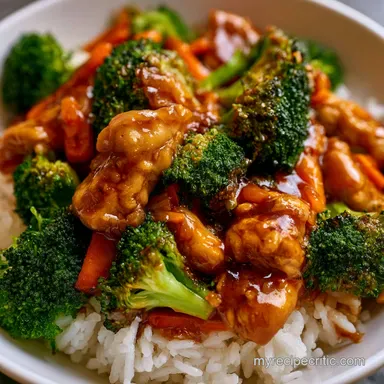
Healthy Teriyaki Chicken Rice Bowl: One-Pan Meal

- Time: 15 min active + 20 min cooking = Total 35 min
- Flavor/Texture Hook: Velvety, glossy glaze with snap crisp broccoli
- Perfect for: Weeknight dinner or high protein meal prep
- The Best Teriyaki Chicken Rice Bowl
- Secrets to the Perfect Glaze
- Ingredient Roles and Secrets
- The Essential Pantry List
- The Gear You Need
- Step by Step Guide
- Fixing Common Kitchen Errors
- Troubleshooting Common Issues
- Switching Up the Flavors
- Adjusting for Different Sizes
- Kitchen Myths Debunked
- Keeping Leftovers Fresh
- What to Pair This With
- Critical: Very High in Sodium
- Recipe FAQs
- 📝 Recipe Card
Ever wondered why the teriyaki at the restaurant has that thick, mirror like shine while the stuff we make at home often ends up as a thin, watery soup? I used to struggle with this constantly. I'd dump the sauce in, wait for it to thicken, and by the time it looked right, my chicken had the texture of a pencil eraser.
It was a disaster of overcooked protein and burnt sugar.
The trick isn't adding cornstarch or boiling it for an hour. It's all about the timing of the sear and the simmer. Once I figured out the order of operations, everything changed. I stopped fighting the pan and started letting the honey do the heavy lifting.
This Teriyaki Chicken Rice Bowl is the result of those kitchen failures. It's designed for those of us who want a meal that feels like a treat but doesn't require a whole day of prep. We're talking about big, bold flavors and a sink full of dishes that's actually worth it.
Trust me on this, once you get the sear right, you'll never go back to those bottled sauces.
The Best Teriyaki Chicken Rice Bowl
Right then, let's get into why this specific version hits different. Most recipes tell you to simmer the chicken in the sauce from the start. That's a mistake. If you do that, you're basically boiling your meat, and you lose that gorgeous brown crust that gives the dish its depth.
Instead, we sear the chicken first to get it golden, then let the sauce glaze over it at the very end.
I've found that using boneless skinless chicken breast is the easiest for meal prep, but you have to be careful. Because breast meat is lean, it can dry out in a heartbeat. That's why we cube it into uniform pieces and cook them fast on high heat. This creates a protective outer layer that keeps the inside tender.
The balance of the sauce is where the magic happens. We use low sodium soy sauce because the reduction process concentrates the salt. If you use regular soy, it can become a salt bomb. The honey adds that velvety thickness, and the rice vinegar provides the necessary acid to wake up the whole bowl.
It's a simple chicken teriyaki rice bowl, but the technique is what makes it stand out.
Secrets to the Perfect Glaze
I'm always curious about what actually makes a sauce stick to the food instead of pooling at the bottom of the bowl. It comes down to a few simple things.
- Sugar Reduction
- The honey in the sauce doesn't just add sweetness; it thickens as the water evaporates, creating a syrup that clings to the chicken.
- Acid Balance
- The rice vinegar breaks down the heavy feel of the honey, ensuring the sauce feels bright rather than cloying.
- Surface Area
- Searing the chicken first creates tiny crevices and a rougher surface, which gives the glaze more "grip" as it reduces.
- Residual Heat
- Stirring the sauce in at the end allows it to thicken quickly without overcooking the delicate broccoli.
If you're looking for more ways to build deep, savory flavors, you might enjoy my homemade teriyaki sauce guide, which dives deeper into the umami side of things.
Comparing Your Cooking Methods
Depending on how much time you have or what gear is handy, you can tweak the method. Most of us stick to the stove, but some prefer the oven for larger crowds.
| Method | Time | Texture | Best For |
|---|---|---|---|
| Stovetop | 35 min | Glossy & Sizzling | Fast weeknights |
| Oven Bake | 45 min | Roasted & Tender | Large families |
| Slow Cooker | 4 hrs | Shredded & Soft | Set and forget |
Ingredient Roles and Secrets
Every component here has a job. If you pull one out, the whole balance shifts. I've spent too many nights wondering why my sauce tasted "flat" only to realize I skipped the ginger or used the wrong oil.
| Ingredient | Science Role | Pro Secret |
|---|---|---|
| Honey | Thickener/Sweetener | Use a runny honey for faster blending |
| Rice Vinegar | PH Balancer | Adds a subtle tang that mimics professional versions |
| Avocado Oil | over High heat Medium | Doesn't smoke at high temps, keeping the flavor clean |
| Fresh Ginger | Aromatic Base | Grate it fine to avoid woody chunks in the glaze |
I'm a big fan of brown rice for this. Not only does it add a nutty flavor that complements the soy, but according to the USDA FoodData, it provides significantly more fiber than white rice, which keeps you full longer.
The Essential Pantry List
Gather everything before you turn on the heat. There's nothing worse than realizing you're out of sesame oil while the chicken is already sizzling.
- Low sodium soy sauce (1/2 cup) - The salty base. Why this? Prevents the reduced sauce from becoming too salty.
- Honey (1/4 cup) - The glue and the sweetness. Why this? Gives a better gloss than brown sugar.
- Rice vinegar (1 tbsp) - The brightness. Why this? Milder than apple cider vinegar.
- Toasted sesame oil (1 tsp) - The nutty aroma. Why this? Adds an authentic toasted scent.
- Fresh ginger, grated (1 tbsp) - The zing. Why this? Fresh is non negotiable for that punchy flavor.
- Garlic, minced (2 cloves) - The savory depth. Why this? Fresh garlic adds a sharper bite than powder.
- Boneless skinless chicken breast, cubed (1.5 lb) - The protein. Why this? Lean and absorbs sauce well.
- Broccoli florets (3 cups) - The crunch. Why this? Absorbs the glaze in its florets.
- Carrots, sliced into coins (2 medium) - The color. Why this? Adds a subtle earthy sweetness.
- Avocado oil (1 tbsp) - The sear. Why this? High smoke point prevents burning.
- Cooked brown rice (3 cups) - The base. Why this? Heartier texture than white rice.
- Scallions, thinly sliced (2 stalks) - The garnish. Why this? Fresh onion bite to cut the sugar.
- Toasted sesame seeds (1 tsp) - The finish. Why this? Adds a professional look and tiny crunch.
Smart Ingredient Swaps
If you're missing something, don't panic. Most of these can be swapped without ruining the dish.
| Original Ingredient | Substitute | Why It Works |
|---|---|---|
| Honey (1/4 cup) | Maple Syrup (1/4 cup) | Similar viscosity. Note: Adds a distinct woody sweetness |
| Brown Rice (3 cups) | Quinoa (3 cups) | High protein. Note: Nuttier and lighter texture |
| Chicken Breast (1.5 lb) | Chicken Thighs (1.5 lb) | More fat. Note: More juicy but higher calorie |
| Broccoli (3 cups) | Snap Peas (3 cups) | Similar crunch. Note: Sweeter and cooks faster |
The Gear You Need
You don't need a professional kitchen to pull this off. In fact, keeping it simple is better. I prefer a large non stick skillet or a wok. The goal is to have enough room so the chicken doesn't crowd.
If you crowd the pan, the meat releases moisture and steams instead of searing, leaving you with grey chicken instead of golden chicken.
A good whisk is also helpful for the sauce, though a fork works in a pinch. Make sure you have a sturdy spatula for flipping the chicken. If you're meal prepping these easy teriyaki chicken rice bowls, I recommend glass containers.
They reheat more evenly in the microwave and don't hold onto the smell of ginger and garlic.
Step by step Guide
Right then, let's crack on. Follow these steps closely, especially the timing windows, to ensure the textures stay crisp.
- Whisk the glaze. Combine soy sauce, honey, rice vinegar, sesame oil, ginger, and garlic in a small bowl. Note: Stir until the honey is completely dissolved.
- Heat the oil. Pour avocado oil into a large non stick skillet over medium high heat. Wait until the oil shimmers before adding the meat.
- Sear the chicken. Add chicken cubes in a single layer. Cook 3–4 mins until a golden brown crust forms. Flip and cook another 3 mins until just cooked through. Note: Avoid stirring too often; let the crust develop.
- Add the vegetables. Toss in broccoli and sliced carrots. Sauté for 4–5 mins until vibrant green and crisp tender. Note: You want a snap, not mush.
- Glaze the mixture. Pour the prepared teriyaki sauce over the chicken and veggies. Simmer for 2–3 mins until the sauce thickens into a glossy coating. Note: The sauce should bubble and reduce quickly.
- Portion the rice. Divide the cooked brown rice into four bowls.
- Assemble the bowl. Top the rice with the teriyaki chicken and vegetable mixture.
- Final garnish. Sprinkle with sliced scallions and toasted sesame seeds.
Fixing Common Kitchen Errors

Even with a plan, things can go sideways. Most issues with a Teriyaki Chicken Rice Bowl come down to heat management or timing.
Troubleshooting Common Issues
| Issue | Solution |
|---|---|
| Why Your Sauce is Too Thin | If the sauce is runny, it usually means the pan wasn't hot enough when you poured it in, or you didn't simmer it long enough. The sugars in the honey need to reach a certain temperature to thicken. If |
| Why Your Chicken is Dry | Dry chicken happens when the meat is overcooked. Since we're using breast meat, it goes from "done" to "rubber" in about 60 seconds. Use a meat thermometer if you're unsure; you're looking for 165°F ( |
| Why Your Veggies are Mushy | This usually happens if you add the vegetables too early or if the pan is overcrowded. When too many veggies release water at once, they boil instead of sautéing. Cook them in batches if your pan is s |
Quick Check Checklist:
- ✓ Pan is shimmering hot before adding chicken.
- ✓ Chicken is in a single layer, not piled up.
- ✓ Sauce is whisked well to avoid honey clumps.
- ✓ Broccoli is added after the chicken is mostly cooked.
Switching Up the Flavors
Once you've nailed the basic Teriyaki Chicken Rice Bowl, you can start playing with the profile. I love changing these up depending on the season.
For a spicy kick, stir in a tablespoon of Sriracha or red chili flakes into the sauce. The heat cuts through the honey beautifully. If you want a tropical twist, swap the brown rice for coconut rice and add some diced pineapple chunks during the last 2 minutes of simmering.
The pineapple caramelizes and adds a tart sweetness that is unreal.
If you're looking for something lighter, you can adapt this into chicken lettuce wraps by skipping the rice and using butter lettuce leaves instead. It's a great way to keep the flavors but lose the heavy carbs. For a plant based version, extra firm tofu works great, but make sure to press the tofu for 20 mins first to remove excess water, otherwise, it won't sear.
Adjusting for Different Sizes
When you're making a simple chicken teriyaki rice bowl for one or for a crowd, you can't just multiply everything linearly.
Scaling Down (1-2 servings): Use a smaller 8 inch skillet. Reduce the cooking time for the vegetables by about 20% because they'll heat through faster. If you're using a single egg for a variation, beat it first and use half.
Scaling Up (8+ servings): This is where people mess up. Do NOT try to cook 3 lbs of chicken in one pan. You'll crowd the pan, and you'll end up with steamed meat. Work in batches.
Also, reduce the liquids (soy and honey) by about 10% when doubling, as the larger volume of food retains more moisture, and you don't want a soup.
Baking Variation: If you're using an oven, lower the temp to 375°F (190°C) and extend the time by 10-15 minutes.
Toss everything in a large sheet pan, but roast the chicken first for 10 mins before adding the veggies and sauce to avoid soggy broccoli.
Kitchen Myths Debunked
There are a lot of "rules" out there that just aren't true. Let's clear some of them up.
"Searing seals in the juices." This is a classic myth. Searing doesn't create a waterproof seal. Moisture loss happens regardless. What searing actually does is create a crust that adds a massive amount of flavor. The "juiciness" comes from not overcooking the meat, not from the sear itself.
"You must use a wok for Asian dishes." A wok is great for heat distribution, but a heavy bottomed non stick skillet works just as well for this recipe. As long as you have enough surface area and high heat, you'll get the same results.
Keeping Leftovers Fresh
Storage is key for healthy teriyaki chicken rice bowls. I usually make a big batch on Sundays for the week.
Fridge Storage: Keep the chicken and rice in airtight glass containers. They'll stay fresh for 3-4 days. To keep the rice from getting hard (which happens because the starch crystallizes in the fridge), add a tiny splash of water over the rice before microwaving.
Freezer Storage: You can freeze these for up to 2 months. I recommend freezing the chicken and veg mixture separately from the rice. Rice can sometimes get a weird texture when frozen and thawed, though brown rice holds up better than white.
Zero Waste Tips: Don't throw away the broccoli stems! Peel the tough outer skin, slice the tender inside into coins, and toss them in with the carrots. They have a great crunch and absorb the sauce perfectly.
If you have leftover sauce in the pan, drizzle it over some steamed eggs or use it as a marinade for salmon the next day.
What to Pair This With
While the Teriyaki Chicken Rice Bowl is a complete meal, adding a few side elements can make it feel like a feast.
I love serving this with a side of quick pickled cucumbers. Just slice them thin and toss them with rice vinegar, a pinch of sugar, and salt. The cold, acidic crunch of the cucumbers balances the warm, sweet glaze of the chicken.
Another great addition is a soft boiled egg (6.5 minutes in boiling water) sliced in half and placed on top of the rice. The jammy yolk mixes with the teriyaki sauce to create a rich, velvety experience.
If you're feeling fancy, garnish with a sprinkle of toasted nori strips or a side of steamed edamame. It adds more color to the bowl and brings in those salty, oceanic notes that complement the soy sauce. This dish is all about contrast, hot and cold, sweet and salty, soft rice and crunchy broccoli.
Critical: Very High in Sodium
1310 mg 1,310 mg of sodium per serving (57% 57% of daily value)
The American Heart Association recommends a daily sodium limit of no more than 2,300 mg, and ideally less than 1,500 mg for most adults to reduce the risk of cardiovascular disease.
Ways to Lower the Sodium in Your Stir-Fry
-
Swap for Coconut Aminos-20%
Replace the low-sodium soy sauce with coconut aminos, which provides a similar umami flavor with significantly less sodium.
-
Reduce Sauce Volume-20%
Cut the amount of soy sauce by half and compensate by increasing the rice vinegar and honey to maintain the sauce's consistency and tang.
-
Dilute the Base-15%
Mix the soy sauce with water or an unsalted vegetable broth to keep the sauce volume high while lowering the salt concentration per bite.
-
Boost Fresh Aromatics
Double the amount of fresh grated ginger and minced garlic to add pungent, savory layers that reduce the need for salt.
-
Add Fresh Herbs
Garnish with extra sliced scallions or fresh cilantro to provide a bright, fresh flavor contrast to the salty notes.
Recipe FAQs
Can I prepare the teriyaki sauce in advance?
Yes, you can. Whisk the soy sauce, honey, rice vinegar, sesame oil, ginger, and garlic together and store the mixture in the fridge until you are ready to cook.
How to store and reheat the rice bowls?
Store in airtight containers in the refrigerator for up to four days. Reheat in the microwave with a splash of water to loosen the thickened sauce.
Is it true I need to add cornstarch to make the sauce thicken?
No, this is a common misconception. The honey provides enough natural sugars to create a thick, glossy glaze simply by simmering for 2–3 minutes.
How to prevent the broccoli and carrots from getting mushy?
Sauté the vegetables for only 4–5 minutes. Add them to the pan after the chicken is seared but before the sauce is added to ensure they stay crisp-tender.
How to achieve a golden-brown crust on the chicken?
Heat avocado oil over medium-high heat until it shimmers. Place the chicken cubes in a single layer and leave them undisturbed for 3–4 minutes before flipping.
Can I use white rice instead of brown rice?
Yes, white rice works well. It will change the nutritional profile and provide a softer texture, but it pairs perfectly with the teriyaki glaze.
Why is there rice vinegar in the sauce?
It balances the sweetness of the honey. If you enjoyed this sweet-savory balance, see how we use a similar acid technique in our Filipino Adobo.
Teriyaki Chicken Rice Bowl in 30 Minutes