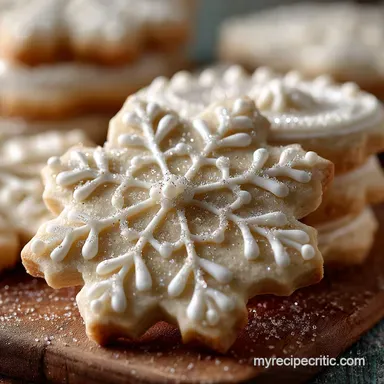
The Ultimate Softbaked Cutout Sugar Cookies a Tea Time Classic

- Bidding Farewell to Brittle Biscuits
- The Kitchen Magic Behind Tender Cut-Outs
- Essential Kit for Flawless Cookie Preparation
- Choosing the Right Sweeteners for Optimal Texture
- Crafting the Perfect Dough Foundation
- Rolling, Cutting, and Achieving the Ideal Bake
- Expert Solutions for Common Cookie Catastrophes
- Recipe FAQs
- 📝 Recipe Card
Bidding Farewell to Brittle Biscuits
If you’ve ever wrestled a stiff, overly dry sugar cookie off a cooling rack, only to find it snapped in half before the icing stage, you know the frustration of a failed attempt.
Many traditional recipes for cut-out biscuits sacrifice tenderness for structure, leaving you with crunchy little paving stones rather than a delicate treat. Today, we are resolving that conflict entirely.
This guide will walk you through the process of creating the Best Soft Sugar Cookie Recipe Cutout —a buttery, tender biscuit that holds its shape magnificently, making it the perfect canvas for holiday designs.
Whether you are aiming for a refined afternoon tea offering or the perfect Christmas Sugar Cookie Recipe , precision is the key, and the results are truly melt-in-your mouth magic.
The Kitchen Magic Behind Tender Cut-Outs
The reputation of Sugar Cookies often precedes them as being tricky, but the fundamental science is simple: control the temperature and minimize the development of gluten. Our objective is a biscuit with enough structure to survive stamping and transfer, yet one that yields softly to the bite.
This requires a calculated dance between the fat, sugar, and flour. We rely on the traditional creaming method to incorporate air, which yields a light lift, combined with a crucial chilling step that prevents any undesirable spreading.
The Secret to Achieving a Tender Crumble
The tenderness of this Soft Sugar Cookie Recipe comes down to three factors: high fat content, proper aeration, and the ratio of leavening. We use a full cup (225 g) of softened unsalted butter.
When creamed with the sugar, this fat coats the flour molecules, inhibiting excessive gluten formation. Unlike cakes or breads that need significant rise, we only use a careful two teaspoons of baking powder.
This provides just enough lift to avoid a dense result without causing the cookies to balloon or spread excessively thin. The result is that beautiful, slightly chewy, and exceptionally tender crumble everyone craves.
Why Creaming Temperature Truly Matters
When whipping the butter and granulated sugar together, the butter must be perfectly pliable softened, but definitely not greasy or melted. If your butter is too cold, you won't incorporate sufficient air. If it’s too warm, the air pockets will collapse, leading to flat, dense cookies.
The butter, alongside the single large, room temperature egg, ensures that the emulsion is stable and ready to accept the dry ingredients smoothly. We aim for three to four minutes of whipping until the mixture is visibly pale and fluffy, signifying optimal air incorporation.
Elevating the Simple: The Art of Great Sugar Cookies
Even the simplest recipes benefit from attention to quality. Since the flavour profile of a Basic Cut-out Sugar Cookie Recipe is so straightforward largely butter and vanilla using high-quality pure vanilla extract (or paste, as we’ll discuss) is paramount.
On top of that,, this recipe ensures that the mixing stops the moment the flour streaks disappear, protecting the dough from becoming tough due to over agitation, a common mistake when mixing sugar cookies recipe easy .
Understanding the Science of Non-Spreading Dough
The structural integrity of a perfect cut-out depends almost entirely on cold butter. When the dough is made, the butter is softened; however, before baking, the dough requires a minimum of one hour and thirty minutes of chilling. This hardens the 225 grams of butter again.
When the chilled dough enters the hot oven, the butter takes longer to melt, allowing the flour mixture to set first. This is the simple yet vital secret to ensuring your shapes be they intricate snowflakes or simple circles maintain those sharp, clean edges, which is essential for sugar cookies for decorating .
Essential Kit for Flawless Cookie Preparation
While baking Sugar Cookies doesn't require specialized machinery, having the right tools vastly improves the process and the final outcome. The stand mixer is truly essential for achieving the necessary pale and fluffy creaming of the butter and sugar.
Beyond the basic mixing bowls and baking sheets, investing in a proper rolling pin with adjustable thickness guides will guarantee that every single cookie is rolled to a precise 6mm (¼ inch) thickness.
Uniform thickness ensures uniform baking; nothing ruins a batch faster than having some cookies burnt while others are underdone. Finally, a thin, flexible palette knife or metal spatula is non-negotiable for transferring those delicate, chilled cut-outs from the counter to the baking sheet without distorting their perfect shapes.
Related Recipes Worth Trying
- Midnight Cocoa Comfort The Ultimate Fudgy Hot Chocolate Cookies — These arent your average biscuits Bake the ultimate chewy Hot Chocolate Cookies packed with mini marshmallows and deep cocoa flavour Essential chilling time...
- The Best Fudgy Hot Chocolate Cookies with Marshmallow Swirl — Skip the powder and bake the ultimate Hot Chocolate Cookies These are rich deeply fudgy and perfect for Christmas Desserts Party sharing Get the recipe
- The Ultimate Moist Coffee Cake with Brown Sugar Swirl — Stop buying dry cakes This homemade Coffee Cake recipe delivers a ridiculously moist crumb a buttery cinnamon swirl and the crunchiest streusel topping
Choosing the Right Sweeteners for Optimal Texture
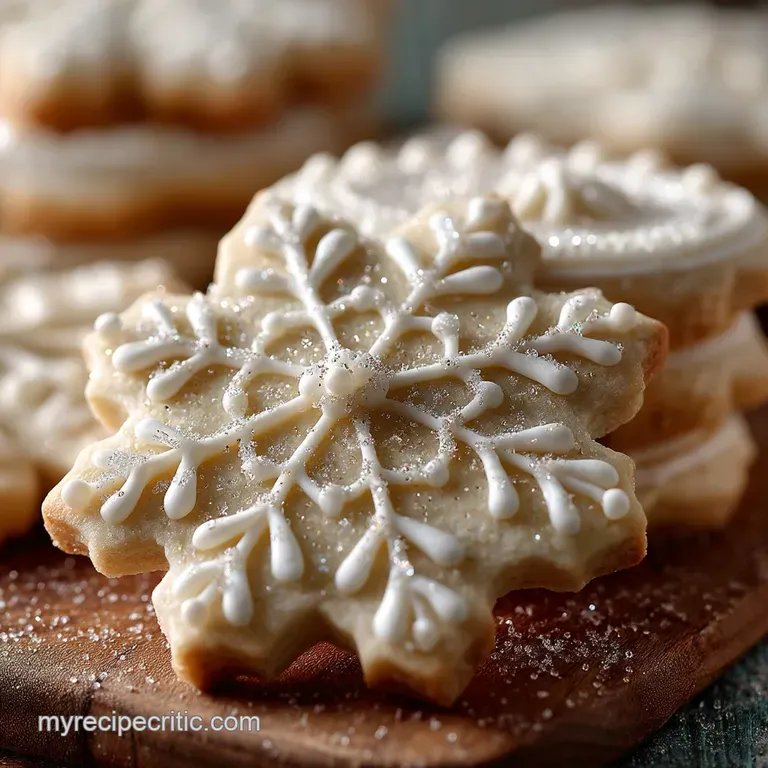
For this particular Soft Sugar Cookie Recipe , granulated white sugar (200 g or 1 cup) is the ideal choice. Its sharp edges cut into the softened butter during the creaming process, creating the tiny air pockets that lend the cookies their light texture.
While alternatives like brown sugar can offer moisture, they also increase spread, which we must strictly avoid in a cut-out recipe.
Gathering Your Pantry Staples: The Dry Mix
Our dry foundation includes three cups (360 g) of all-purpose flour, the aforementioned 2 tsp of baking powder, and a necessary half teaspoon of fine sea salt. Before combining this dry mix with the wet ingredients, whisking them thoroughly is critical.
This distributes the leavening agent evenly throughout the flour, ensuring a consistent rise and preventing random dense spots or overly salty bites.
The Golden Rule of Butter and Egg Temperatures
As previously stressed, temperature control is paramount. Using butter that is softened (around 67°F or 19°C) and an egg that is also at room temperature ensures they integrate seamlessly, preventing curdling and creating a stable emulsion.
A cold egg hitting the creamed butter and sugar can cause the mixture to seize, breaking the delicate airy structure you worked so hard to achieve during the creaming stage.
Tools You'll Need for Precise Cut-Outs
To successfully create shapes perfect for sugar cookies for decorating , you will need sturdy cookie cutters. Metal cutters generally provide a sharper edge than plastic ones.
Also, remember to keep your rolling surface lightly dusted a trick we cover below and have at least two large baking sheets lined with parchment paper ready. This allows you to chill one tray of cut-outs while the other is baking, ensuring the dough always hits the heat while cold.
Vanilla Bean Paste vs. Extract: Making the Splurge
We call for 1 ½ teaspoons of pure vanilla extract, which offers beautiful flavour. However, if you are creating the absolute Best Sugar Cookie Recipe , consider upgrading to vanilla bean paste.
The small seeds not only offer a visual appeal but deliver a deeper, richer, and more complex vanilla aroma, truly elevating this simple biscuit from ordinary to spectacular.
The Role of Baking Powder (It's Less Than You Think)
In this recipe, the 2 teaspoons of baking powder serves less as a powerhouse riser and more as a texture enhancer. Its main role is to introduce a controlled lightness, preventing the cookies from becoming dense hockey pucks.
Since baking soda reacts immediately, we opt for baking powder, which provides a slower, more sustained lift once the dough is in the oven, complementing the chilled fat structure perfectly.
Crafting the Perfect Dough Foundation
Creating the dough is a process of careful addition and precise timing. Start by thoroughly combining the dry ingredients the flour, baking powder, and salt. Only once that mixture is homogeneous should you begin the creaming process, which forms the vital foundation of this Basic Cut-out Sugar Cookie Recipe .
Rolling, Cutting, and Achieving the Ideal Bake
The Crucial Step: Whipping Butter and Sugar to Pale Perfection
Using the paddle attachment on your stand mixer, beat the softened butter and granulated sugar together on medium speed. Resist the urge to rush this step. After three to four minutes, the mixture should have doubled slightly in volume and lightened significantly in colour.
This aeration traps air, which expands during baking and is responsible for the final tenderness. Once achieved, scrape the bowl down and beat in the room temperature egg and vanilla extract until just combined.
Mixing the Wet and Dry Components Without Overworking
Lower the mixer speed to the absolute minimum and gradually introduce the dry mixture. Mix only until the flour is about 90% incorporated. There should still be a few faint streaks of flour remaining. Stop the machine immediately.
At this point, turn the dough out onto a clean surface and use your hands to gently press the remaining loose flour into a cohesive mass. Overmixing develops gluten, turning your soft cookie into a tough chew.
Forming the Disk and the Necessity of Chilling Time
Divide the finished dough into two equal portions. Crucially, press each portion into a flat, thick disc (about 1 inch thick). Wrapping these flat discs in plastic film and chilling them for the mandatory one hour and thirty minutes minimum allows the butter to solidify evenly and quickly.
Trying to roll warm dough is impossible; it sticks, requires too much extra flour, and will spread upon baking.
Techniques for Uniformly Rolling Sugar Cookies (No Tapering Edges!)
Preheat your oven to 175°C (350°F) and line your trays. Now, take one chilled disc and place it between two sheets of parchment paper. Roll the dough evenly until it reaches the desired 6mm (¼ inch) thickness. Using thickness guides on your rolling pin is the fastest way to guarantee this uniformity.
Dip your cutters in powdered sugar (or flour) before pressing them into the dough, then press down firmly without twisting the cutter. This ensures a clean, sharp edge, ideal for future sugar cookies with icing .
The Cold Tray Transfer Trick
Once cut, use that thin palette knife to gently transfer the raw shapes onto your prepared baking sheets, leaving 2.5 cm (1 inch) of space between each. The ultimate secret to preventing spread is the "cold tray transfer trick": place the baking sheets filled with cut-out cookies into the freezer for 10 minutes before sliding them into the oven.
This second chill sets the butter rock solid, guaranteeing sharp edges and zero spread, producing beautiful Christmas Sugar Cookie Recipe shapes.
When is 'Done' Truly Done? Observing the Edges
Bake the cookies for 10 to 12 minutes. The most common mistake is baking them until they are fully golden brown, which results in a brittle cookie. For the Best Sugar Cookie Recipe , you must pull them out when the edges are just set and barely hint at pale gold.
The center should still look slightly soft and matte. Allow them to rest on the hot tray for five minutes to finish setting before moving them to a wire rack to cool completely this ensures stackable structure while maintaining maximum softness.
Expert Solutions for Common Cookie Catastrophes
Stopping Dough Stickiness During Rolling
If you find your dough sticking, avoid dusting the surface with all-purpose flour. Using too much flour changes the delicate fat-to-flour ratio, resulting in a drier cookie. Instead, lightly dust your rolling surface and pin with confectioners' (icing) sugar.
The sugar not only prevents sticking but also melts invisibly into the dough during baking, helping to preserve the tender crumb of the Soft Sugar Cookie Recipe .
Fixing Cookies That Spread Too Much in the Oven
Excessive spreading is typically a temperature issue. Check that your oven temperature is accurate and, more importantly, ensure your butter wasn't too soft when you started, or that you didn't skip the necessary chilling time.
If you find spreading is still a problem, try adding 1 2 tablespoons more flour to the dough mixture next time, or ensure you implement the recommended 10-minute freezer chill on the cut-outs before baking.
Tips for Stackable Storing and Longevity
To keep your cookies fresh and prevent them from crumbling, allow them to cool completely before storing. If iced, ensure the icing is fully hardened (which can take several hours). Store them in an airtight container at room temperature. For stackable storage, layer the cookies separated by squares of parchment paper.
These cookies will stay fresh and delicious for 5 7 days.
Freezing Baked and Unbaked Cookie Dough
This sugar cookies recipe easy is highly freezer friendly. Unbaked dough can be wrapped tightly (as discs) and frozen for up to three months. Thaw overnight in the refrigerator before rolling and cutting.
Baked, un-iced cookies also freeze well; simply cool them fully, stack them tightly in an airtight container, and freeze for up to two months. Thaw at room temperature.
The Best Royal Icing Recipe Pairings
These buttery cut-outs are the ideal base for a sturdy decoration. While a simple milk glaze (using 250 g sifted confectioners' sugar and 45 60 ml milk) works wonderfully for a quick finish, if you are making truly detailed sugar cookies for decorating , a true royal icing made with meringue powder or egg whites offers the necessary strength and smooth finish for elaborate piping and flood work.
Calculating the Nutritional Values Per Biscuit
We estimate that a medium, un-iced cookie yields approximately 120 140 kcal. Of course, adding a generous layer of sugar cookies with icing will increase both the calorie and sugar content.
These values are based on the core ingredients butter, sugar, and flour and serve as a helpful guideline for those monitoring portion size, reminding us all that these delightful treats are perfectly reserved for occasional indulgence.
Recipe FAQs
Good grief, why did my beautiful shapes melt into puddles when they baked?
The culprit is usually warm butter or insufficient chilling time. Ensuring the dough is truly cold that means at least 90 minutes in the fridge is crucial for keeping the fat solid and preventing spread.
For a proper, reliable cut-out with sharp edges, give your cut shapes a second, quick chill in the freezer for ten minutes just before baking; it's the ultimate failsafe.
My Sugar Cookies came out crunchy like paving slabs how do I ensure they stay soft and tender?
To avoid a tough biscuit, precision is key. Always weigh your flour (360g) to prevent adding too much, and stop mixing the dough as soon as the flour streaks have just disappeared to avoid developing excess gluten.
Crucially, pull your Sugar Cookies from the oven when the edges are only just set and the centres still look slightly pale; they will finish cooking and soften beautifully as they cool on the hot tray.
Can I make this dough ahead of time, or how long do the baked biscuits last?
This dough is brilliant for planning ahead, which helps immensely when you're preparing for a big party or festive event! Wrap the flat dough discs tightly in cling film; they will keep perfectly in the refrigerator for up to two days, or can be frozen for up to three months.
Once baked and completely cooled, the undecorated cookies keep well in an airtight container at room temperature for about a week, ready for your next cuppa.
I’m rubbish at fancy royal icing; what’s an easier, no-fuss way to decorate them?
Don't fret if complex piping isn't your cup of tea! For a quick, classic approach, use a simple powdered sugar glaze (like the one outlined in the recipe) and just dip the completely cooled cookies directly into it.
Alternatively, brush the warm, freshly baked biscuits with melted butter and immediately dredge them in granulated sugar for a sparkling, crunchy, and traditional finish.
What's the trick to getting the dough rolled out uniformly without absorbing too much flour?
Uniform thickness is vital for even baking, so using a rolling pin with thickness guides (aiming for ¼ inch) is a game changer. For a true baker's tip that keeps the cookies irresistibly soft, ditch the plain flour when rolling: dust your surface and pin with confectioners' (icing) sugar instead.
This prevents the dough from incorporating extra flour, keeping the structure light and tender.
Soft Cutout Sugar Cookies Recipe