Slow Cooker Italian Food
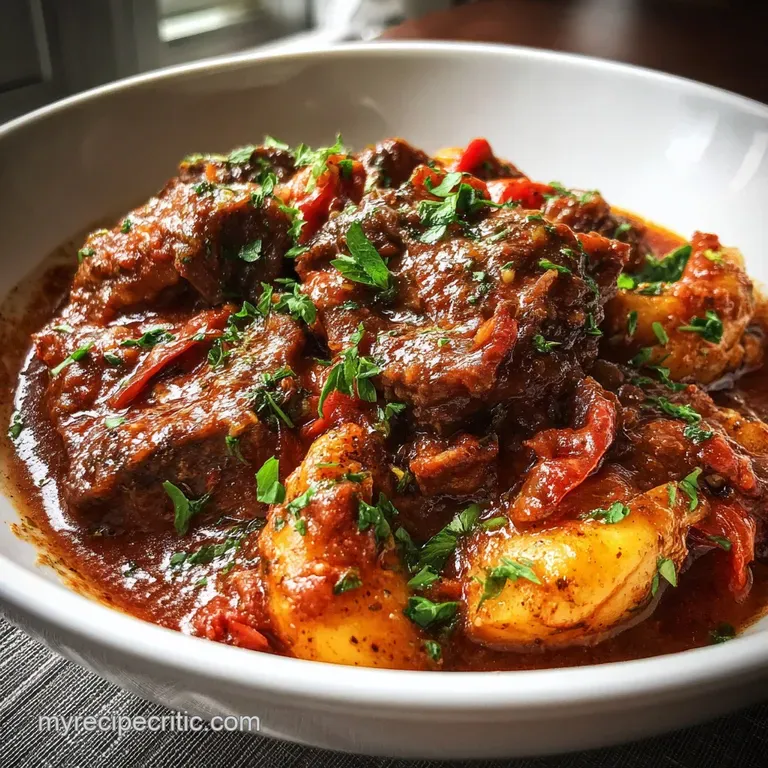
- Time: Active 30 minutes, Passive 8 hours, Total 8 hours 30 mins
- Flavor/Texture Hook: Silky, bone deep umami with fork tender beef chunks
- Perfect for: Slow paced family Sundays or impressive meal prep
- Essential Guide to Slow Cooker Italian Food
- Defining the Recipe Specifications
- Building the Flavor Foundation
- Essential Equipment for Success
- Step-by-Step Cooking Process
- Quick Fixes for Common Mistakes
- Adjusting Batch Sizes Safely
- Kitchen Legends Debunked
- Freezing and Waste Reduction
- Perfect Pairings for Serving
- Very High in Sodium
- Recipe FAQs
- 📝 Recipe Card
Imagine walking through the front door and being greeted by the heavy, sweet scent of tomatoes that have spent all day simmering with garlic and red wine. There is a specific kind of magic in how a slow cooker mimics a heavy cast iron pot on a low flame, slowly pulling collagen from the beef until it practically melts into the sauce.
We have all tried those watery, thin sauces that lack soul, but this version changes the narrative entirely by focusing on building layers of flavor before the lid even goes on.
I used to think you could just toss everything in a crock and press start, but that led to muted flavors and a grey, unappealing texture. The secret lies in that initial sizzle of the meat hitting a hot pan and the way a bit of grated carrot disappears into the sauce to balance the acidity of the tomatoes.
It is about working smarter, letting the appliance do the heavy lifting while we focus on the few steps that actually matter for a professional grade result.
This recipe is built for those who love the "Sunday Sauce" tradition but might not have the time to stand over a splattering stove for eight hours. We are going to use a blend of beef, pork, and pre seared meatballs to create a profile that is incredibly complex yet surprisingly easy to manage.
Trust me on this, once you taste the difference that hand crushed San Marzano tomatoes make, you will never go back to the basic canned sauce again.
Essential Guide to Slow Cooker Italian Food
The success of any long simmered meal depends on understanding how heat interacts with connective tissue over time. When we look at slow cooker italian food, we aren't just heating ingredients, we are performing a slow motion chemical transformation that converts tough fibers into a luxurious, mouth coating sauce.
- Collagen Hydrolysis
- Long term exposure to low heat breaks down tough collagen in beef chuck into gelatin. This process creates that velvety mouthfeel and rich body that water based sauces lack.
- Maillard Reaction
- Searing the meat before slow cooking creates complex flavor compounds through the interaction of amino acids and sugars. These "browned" flavors dissolve into the sauce, providing a deep, smoke kissed foundation.
- Enzymatic Breakdown
- Grated carrots contain natural sugars that caramelize slowly, providing a chemical counterbalance to the sharp citric acid in the tomatoes without needing refined sugar.
- Emulsification Stability
- The fat from the bone in sausages slowly integrates with the tomato liquids, creating a stable, thickened sauce that clings to pasta rather than sliding off.
| Ingredient | Science Role | Pro Secret |
|---|---|---|
| Beef Chuck Roast | Primary Collagen Source | Choose heavy marbling; fat equals flavor. |
| San Marzano Tomatoes | Acid/Sugar Balance | Hand crush for varied texture and rustic feel. |
| Tomato Paste | Glutamate Concentration | Use double concentrated for instant umami depth. |
| Dry Red Wine | Solvent for Aromatics | Alcohol releases flavor compounds tomatoes can't dissolve. |
It is fascinating how the simple addition of 0.5 cup dry red wine acts as a bridge between the fat soluble flavors of the meat and the water soluble flavors of the herbs. Without it, the sauce feels two dimensional, but with it, the rosemary and oregano truly sing.
Defining the Recipe Specifications
When transitioning from traditional stovetop methods to the crock, the ratios must be precise because evaporation is minimal. This sauce is designed to be thick and hearty, standing up well against wide noodles like pappardelle or even as the base for a Homemade Chicken Parmesan recipe if you want to skip the standard marinara.
- Sweet
- Grated carrots and yellow onions.
- Savory
- Seared beef chuck and bone in Italian sausages.
- Bright
- Fresh basil added at the very end.
- Rich
- Rendered fat from pork and beef.
| Feature | Fast Method (Stovetop) | Classic Method (Slow Cooker) |
|---|---|---|
| Meat Texture | Can be chewy if rushed | Consistently fork tender and flaky |
| Sauce Depth | Requires constant stirring | Develops deep umami passively |
| Effort Level | High (Active monitoring) | Low (Set and forget) |
Using 2 lbs beef chuck roast provides enough bulk to feed a crowd while ensuring there is plenty of protein to shred into the sauce later. If you find yourself craving a different profile, you could easily adapt the technique for a Veggie Beef Soup recipe by adjusting the liquid ratios and adding more root vegetables.
Building the Flavor Foundation
Every single ingredient in this list serves a specific purpose in the architecture of the final dish. We aren't just filling a pot; we are choosing elements that will evolve over 8 hours of heat.
- 2 lbs beef chuck roast: Cut into 3 inch chunks. Why this? High fat and collagen content for maximum tenderness.
- 1 lb bone in Italian pork sausages: Left whole. Why this? The bone adds minerals and depth to the liquid.
- 15 pre seared meatballs: Use your favorite recipe or high-quality frozen ones. Why this? Provides a different, softer protein texture.
- 56 oz canned whole peeled San Marzano tomatoes: Hand crushed. Why this? Low acidity and high sugar content.
- 1 large yellow onion: Finely diced.
- 6 cloves garlic: Smashed. Why this? Smashing releases oils without burning as easily as minced.
- 1 large carrot: Grated. Why this? Melts into the sauce for natural sweetness.
- 6 oz double concentrated tomato paste: Added for richness.
- 0.5 cup dry red wine: Such as Cabernet or Chianti.
- 2 sprigs fresh rosemary: Left whole for easy removal.
- 1 bunch fresh basil: Save for the final 15 minutes.
- 1 tbsp dried oregano: For that classic earthy note.
- 1 tsp red pepper flakes: Adds a gentle back of-the throat warmth.
- 2 tbsp olive oil: For searing.
- Salt and black pepper: To taste.
| Original Ingredient | Substitute | Why It Works |
|---|---|---|
| Beef Chuck Roast | Beef Short Ribs | Even higher fat content. Note: Increases richness significantly. |
| San Marzano Tomatoes | Fire roasted Canned Tomatoes | Adds a subtle smokiness. Note: Slightly higher acidity. |
| Dry Red Wine | Beef Broth + 1 tsp Balsamic | Replaces the acidity and depth without alcohol. |
Using the right beef is non negotiable here. Lean cuts like sirloin will turn into dry, stringy wood chips after eight hours in the cooker. You need that fat and connective tissue to keep things moist and succulent.
Essential Equipment for Success
You don't need a professional kitchen, but a few specific tools make the "prep" phase much more efficient and the final result much cleaner.
- 6 Quart Slow Cooker: Such as a Crock Pot or Hamilton Beach model. A smaller size might overflow with the 56 oz of tomatoes and 3+ lbs of meat.
- Large Cast Iron Skillet: For the initial sear. Cast iron holds heat better, ensuring you get a dark, crusty surface on the beef chuck rather than just steaming it.
- Box Grater: For the carrot. Hand grating ensures the carrot is fine enough to dissolve, providing sweetness without the "chunky" texture of sliced carrots.
- Tongs: Essential for turning the sausages and beef chunks in the hot oil without piercing the meat and losing juices.
Chef's Note: If your slow cooker has a "brown" function, you can use it, but a stovetop skillet usually gets much hotter, leading to a superior Maillard reaction. I always prefer the skillet for that reason.
step-by-step Cooking Process
The key to a high end sauce is not just what you put in, but the order in which you do it. We are going to build this in phases to ensure the flavors are layered and distinct.
Phase 1: The Maillard Sizzle
Heat 2 tbsp olive oil in your skillet over medium high heat. Season the 2 lbs beef chuck chunks generously with salt and pepper. Place them in the hot oil - do not crowd the pan - and sear for 3-4 minutes per side until a dark brown crust forms.
Remove the beef and place it directly into the slow cooker. Repeat with the 1 lb bone in sausages just to brown the casings.
Phase 2: Building the Aromatics
In the same skillet (don't wash it!), add the diced yellow onion and grated carrot. Sauté for 5 minutes until the onions are translucent and picking up the brown bits from the meat. Add the 6 cloves of smashed garlic and 6 oz tomato paste.
Cook for 2 more minutes, stirring constantly, until the paste turns a deep rust color and smells toasted.
Phase 3: Deglazing and Transition
Pour the 0.5 cup dry red wine into the skillet. Use a wooden spoon to scrape every bit of caramelized flavor off the bottom. Let it bubble for 1 minute. Pour this entire mixture over the meat in the slow cooker.
Phase 4: The Tomato Base
Add the 56 oz hand crushed San Marzano tomatoes, 1 tbsp dried oregano, 1 tsp red pepper flakes, and the 2 sprigs of rosemary. Stir gently to combine, ensuring the meat is mostly submerged. Add the 15 pre seared meatballs on top.
Phase 5: The Long Simmer
Cover and cook on LOW for 8 hours. Avoid opening the lid, as this drops the internal temperature and adds 15-20 minutes to the cook time for every peek.
Phase 6: The Finishing Touch
After 8 hours, remove the rosemary sprigs and the bones from the sausages (the meat should fall right off). Use two forks to gently break the beef chuck into smaller, bite sized pieces. Stir in the freshly chopped bunch of basil.
Let it sit on the "warm" setting for 15 minutes until the basil wilted and the sauce has settled.
Quick Fixes for Common Mistakes
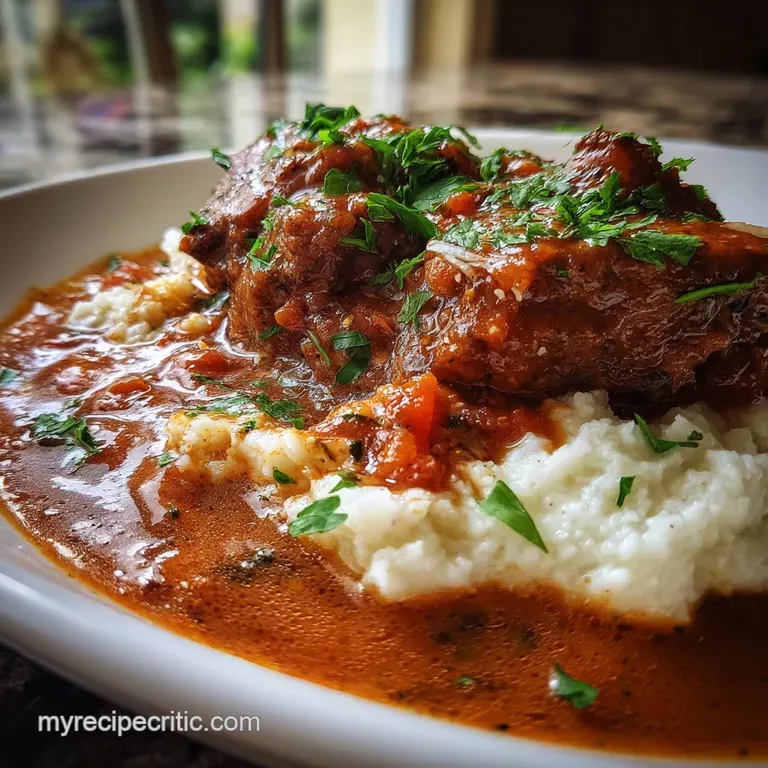
Sometimes things don't go exactly as planned, especially with the variable water content in canned tomatoes. Don't panic; most issues are easily solved with a few minutes of attention.
Rescuing a Watery Sauce
If your sauce looks more like a soup than a ragu after 8 hours, it's likely due to lack of evaporation. Slow cookers trap moisture. The easiest fix is to remove the lid and turn the setting to HIGH for the last 30-45 minutes.
This allows the excess steam to escape and the sugars to concentrate.
Balancing High Acidity
If the sauce tastes too sharp or "tinny," the tomatoes might have been more acidic than usual. Instead of reaching for white sugar, try adding a small knob of butter. The fat coats the tongue and rounds out the sharp edges of the acid.
Alternatively, another finely grated carrot can be stirred in if you have time for it to soften.
| Problem | Root Cause | Solution |
|---|---|---|
| Thin/Runny Sauce | No evaporation in cooker | Simmer uncovered on High for 45 mins |
| Greasy Surface | Fat from sausages/beef | Skim with a wide spoon or use a bread slice to blot |
| Tough Beef | Cooked on High or too short | Switch to Low and add 2 hours; needs time for collagen |
Preventing "Muddied" Flavors
Over seasoning at the beginning can lead to a "muddy" taste where you can't distinguish the rosemary from the basil. Always wait until the very end to add fresh herbs. The dried oregano and red pepper flakes are hearty enough for the long haul, but fresh basil loses its bright, peppery punch if it cooks for more than 20 minutes.
Adjusting Batch Sizes Safely
Whether you are cooking for a huge party or just yourself, you can scale this recipe with a few simple adjustments to the liquids and spices.
- To scale down (Half Batch): Use a 3 quart slow cooker. Reduce the beef to 1 lb and use 28 oz of tomatoes. You still need about 1/4 cup of wine to deglaze properly. Reduce the total cook time by about 1 hours, but check for tenderness at the 6 hour mark.
- To scale up (Double Batch): You will need a massive 8 quart cooker or two 6 quart units. Only increase the salt, red pepper flakes, and oregano by 1.5x rather than doubling, as spices can become overwhelming in large volumes. Keep the wine at 0.75 cups to avoid an overly boozy flavor.
- The Meat Lovers shortcut: If you want more variety, you can add 1/2 lb of pancetta at the searing stage for a salty, smoky crunch that permeates the entire sauce.
This recipe is quite similar in its flavor building technique to the Luxurious Creamy Bolognese recipe, which also relies on a slow breakdown of fats to create a superior texture.
Kitchen Legends Debunked
There are many "rules" passed down about Italian cooking that don't always hold up to the science of a slow cooker environment.
Myth: Searing meat "seals in the juices." In reality, searing is entirely about the Maillard reaction and flavor development. Moisture loss happens regardless of the sear. However, that brown crust is what gives the sauce its "smoke kissed" depth. Without it, the meat tastes boiled rather than braised.
Myth: You must use fresh tomatoes for the best sauce. Actually, canned San Marzano tomatoes are often superior to supermarket fresh tomatoes because they are picked and canned at the peak of ripeness. Fresh tomatoes in the off season are often watery and flavorless.
For slow cooker italian food, the consistency of canned tomatoes is a major advantage.
Myth: Cooking on "High" for 4 hours is the same as "Low" for 8. This is a big mistake for tough cuts like chuck roast. While the temperature eventually reaches the same point, the collagen needs time at lower temperatures to melt.
Cooking on high can often seize the protein fibers before they have a chance to relax, resulting in meat that is technically "done" but still chewy.
Freezing and Waste Reduction
This recipe makes a generous 8 servings, which is great because it freezes beautifully. In fact, many people argue it tastes better the next day after the flavors have had a chance to marry in the fridge.
- Storage: Store in airtight containers in the fridge for up to 4 days.
- Freezing: This sauce is a freezer superstar. Freeze in gallon sized freezer bags laid flat to save space. It will stay fresh for up to 3 months. To reheat, thaw in the fridge overnight and simmer on the stove with a splash of water to loosen it up.
- Zero Waste Tip: Don't toss those parmesan rinds! If you have any in the freezer, throw one into the slow cooker at the beginning. It will melt partially and infuse the sauce with a deep, nutty saltiness. Just fish out the remaining bit of rind before serving.
- Leftover Hack: If you have just a little sauce left, use it as a topping for polenta or even as a filling for stuffed bell peppers. The concentrated flavor is a great way to "elevate" (oops, I mean "boost") a simple midweek meal.
Perfect Pairings for Serving
How you serve this sauce is just as important as how you cook it. Because this is a heavy, meat forward ragu, you want something that can stand up to the weight.
- The Classic Presentation: Serve over thick pappardelle or rigatoni. These shapes have the surface area and "nooks" to hold onto the shredded beef and thick tomato base.
- The Family Style Side: A crisp, bitter green salad like arugula or radicchio with a simple lemon vinaigrette provides a necessary "bright" contrast to the rich, savory sauce.
- The Bread Factor: Crusty Italian bread is mandatory for "fare la scarpetta" - the Italian tradition of using a small piece of bread to "clean the plate" of every last drop of sauce.
Decision Shortcut: If you want a thicker, ragu style sauce, shred all the beef chuck back into the liquid. If you want a classic Sunday Gravy, serve the meat chunks on a separate platter and the sauce over the pasta.
If you want a spicier kick, double the red pepper flakes and add a splash of spicy infused olive oil right before serving.
Just like the balance found in a well made Italian Seasoning recipe, this sauce relies on the harmony between the earthy herbs and the rich proteins. It is a slow, methodical process that rewards your patience with a flavor that feels like a warm hug on a plate. Right then, let's get that skillet hot and start searing!
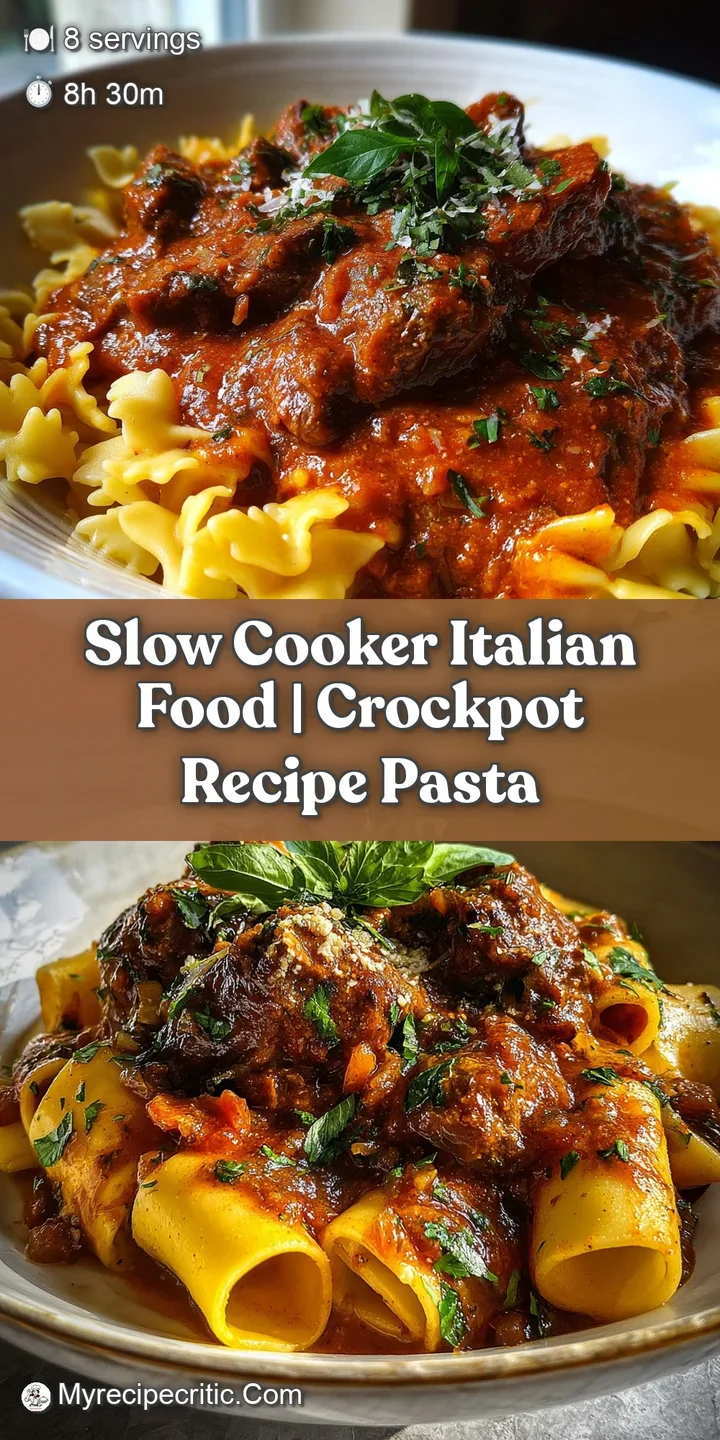
Very High in Sodium
1140 mg mg of sodium per serving (50% of daily value)
The American Heart Association recommends limiting sodium intake to about 2,300mg per day for overall health.
Tips to Reduce Sodium in Your Sauce
-
Low-Sodium Tomatoes-20%
Use no-salt added canned tomatoes. This can significantly reduce the sodium content, as regular canned tomatoes are a major source of sodium in this recipe.
-
Low-Sodium Sausage-25%
Substitute the Italian sausage with low-sodium or sodium free Italian sausage. Or, reduce the amount of sausage and add more lean beef instead.
-
Reduce Added Salt-25%
Omit the added salt and pepper or drastically reduce the amount used. Taste the sauce before adding any salt at all, as the other ingredients contribute sodium.
-
Skip the Meatballs-15%
The pre-seared meatballs likely contain a high amount of sodium. Try making your own meatballs with low sodium ingredients or simply omit them altogether.
-
Boost Flavor
Enhance the flavor of the sauce with fresh herbs and spices! Experiment with different combinations of basil, oregano, rosemary, garlic, and red pepper flakes to add depth and complexity.
Recipe FAQs
What is the best type of meat for slow cooker Italian dishes?
Beef chuck roast or pork shoulder. These cuts have enough fat and connective tissue to break down into tender, succulent meat over long cooking times. Cuts like sirloin will become dry and tough.
Can I add vegetables directly to the slow cooker without sautéing?
Yes, but sautéing aromatics first is highly recommended. Sautéing onions, garlic, and carrots, like in our Essential Guide to Slow Cooker Italian Food, builds a foundational flavor layer that raw vegetables won't achieve. Raw vegetables can sometimes release too much water and mute flavors.
How do I prevent my slow cooker Italian sauce from becoming watery?
Simmer uncovered on high for the last 30-45 minutes. Slow cookers trap moisture, which can dilute your sauce. Removing the lid allows excess steam to escape and the sauce to thicken naturally as sugars concentrate.
Can I freeze slow cooker Italian sauce?
Yes, it freezes exceptionally well. In fact, many find the flavors meld even better after freezing and reheating. Store in airtight containers for up to 3 months.
Is it okay to cook tough cuts of meat on high heat for less time?
No, this is a common misconception for tough cuts. While high heat cooks faster, tough cuts like beef chuck need the prolonged, low temperature to break down collagen into gelatin for tenderness. High heat can seize proteins, leaving the meat chewy.
What pasta shapes best complement a thick, slow cooked Italian sauce?
Use shapes with nooks and crannies. Wide pasta like pappardelle or rigatoni are ideal as they hold onto the hearty, shredded meat and thick tomato base beautifully. This is similar to how a good ragu clings to pasta.
How can I add a spicy kick to my slow cooker Italian dish?
Increase the red pepper flakes or add a dash of hot sauce. You can add more red pepper flakes during the cooking process, or for a fresher heat, stir in a splash of your favorite chili oil or hot sauce right before serving.
Slow Cooker Italian Food
Ingredients:
Instructions:
Nutrition Facts:
| Calories | 648 kcal |
|---|---|
| Protein | 42.6 g |
| Fat | 38.2 g |
| Carbs | 21.5 g |
| Fiber | 5.2 g |
| Sugar | 10.8 g |
| Sodium | 1140 mg |
