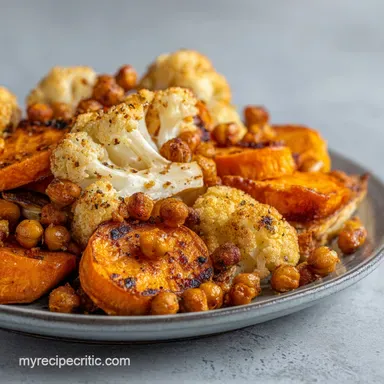
Buddha Bowl with Roasted Veggies: Creamy Tahini
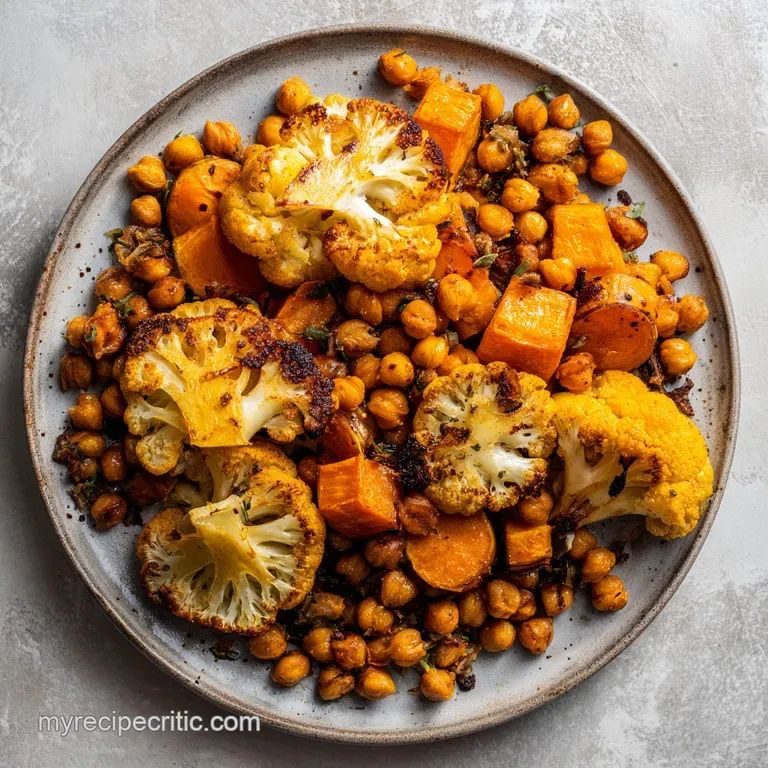
- Time: 15 min active + 35 min cooking = Total 50 min
- Flavor/Texture Hook: Charred, nutty cauliflower paired with velvety tahini and buttery avocado
- Perfect for: Healthy weeknight dinner or a high protein meal prep
The smell of smoked paprika and roasting cauliflower hitting a hot oven is honestly one of the best scents in the world. I remember the first time I tried to make a bowl like this, I dumped everything onto a small baking sheet, thinking "more is better." I ended up with a pan of sad, steamed, mushy vegetables that tasted like nothing.
It was a total disaster, and I almost gave up on the whole "healthy bowl" trend.
But then I learned the golden rule of roasting: give your food space to breathe. Once I switched to a large rimmed baking sheet and cranked the heat, everything changed. The cauliflower started to shatter when you bit into it, and the sweet potatoes got those gorgeous, caramelized edges that taste like candy.
This buddha bowl with roasted veggies is the result of those early mistakes. It's a balanced, filling meal that doesn't feel like "diet food." You've got the protein from the chickpeas and quinoa, the healthy fats from the avocado and tahini, and a massive hit of nutrients from the roast.
Trust me, once you get the roasting technique right, you'll be making this every single week.
Why This Bowl Hits Different
The secret to a great bowl isn't just the ingredients, but how they interact. When we roast at 400°F, we aren't just heating the food, we're changing its structure.
- Sugar Caramelization: The high heat breaks down the starches in sweet potatoes and cauliflower into simple sugars, creating those brown, sweet edges.
- Chickpea Crisp: Patting the chickpeas dry before roasting removes surface moisture, allowing the oil to fry the outer skin into a nutty, crisp shell.
- Grain Absorption: Quinoa acts like a sponge, soaking up the seasoned water and providing a fluffy, neutral base that balances the bold tahini.
- Acid Balance: The lemon juice in the dressing cuts through the heavy fats of the tahini and avocado, brightening the whole dish.
Between the warm, roasted base and the cool, fresh toppings, you get a temperature contrast that makes the meal feel more complex than it actually is.
| Method | Time | Texture | Best For |
|---|---|---|---|
| Fast Roast (Small dice) | 20 mins | Soft, light char | Quick lunch |
| Classic Roast (Chunks) | 35 mins | Caramelized, hearty | Full dinner |
| Slow Roast (Large pieces) | 50 mins | Tender, deep flavor | Special meal |
Component Analysis
Understanding what each ingredient does helps you tweak the recipe without ruining the balance.
| Ingredient | Science Role | Pro Secret |
|---|---|---|
| Tahini | Emulsifier/Fat | Use warm water to thin it out for a silkier feel |
| Quinoa | Protein/Structure | Rinse thoroughly to remove the bitter outer coating |
| Smoked Paprika | Flavor Depth | Adds a "grilled" taste without needing a BBQ |
| Lemon Juice | pH Balance | Prevents the avocado from browning in the bowl |
Core Ingredients and Swaps
For this recipe, use a large baking sheet (about 13x18 inches) to ensure everything roasts instead of steams.
- 1 lb sweet potato, cubed Why this? Natural sweetness and creamy texture (Substitute: Butternut squash)
- 1 head cauliflower, cut into florets Why this? Great for catching the charred edges (Substitute: Broccoli)
- 1 can (15 oz) chickpeas, drained and patted dry Why this? Plant based protein and crunch (Substitute: Edamame)
- 3 tbsp olive oil Why this? High smoke point for roasting (Substitute: Avocado oil)
- 1 tsp garlic powder Why this? Even coating without burning fresh garlic (Substitute: Onion powder)
- 1 tsp smoked paprika Why this? Adds a woody, smoky aroma (Substitute: Cumin)
- 1/2 tsp salt Why this? Enhances all other flavors (Substitute: Sea salt)
- 1/4 tsp black pepper Why this? Subtle heat (Substitute: White pepper)
- 1 cup quinoa Why this? Complete protein source (Substitute: Brown rice)
- 2 cups water Why this? Standard hydration ratio (Substitute: Vegetable broth)
- 1/2 tsp salt (for quinoa)
- 1/3 cup tahini Why this? Nutty, creamy base (Substitute: Almond butter)
- 2 tbsp lemon juice Why this? Essential brightness (Substitute: Apple cider vinegar)
- 1 tbsp maple syrup Why this? Balances the bitter tahini (Substitute: Honey)
- 1 clove garlic, minced Why this? Sharp, fresh punch (Substitute: Garlic paste)
- 3 tbsp warm water Why this? Thins the sauce without splitting (Substitute: Lemon water)
- 1 large avocado, sliced Why this? Rich, buttery mouthfeel (Substitute: Hummus)
- 1/4 cup pumpkin seeds Why this? Added crunch (Substitute: Sunflower seeds)
- 1/4 cup fresh parsley, chopped Why this? Fresh, peppery finish (Substitute: Cilantro)
Tools for the Job
You don't need a professional kitchen for this, but a few specific tools make it easier. I always use a large rimmed baking sheet - the rim is crucial so the olive oil doesn't drip onto the oven floor and start a fire. A fine mesh strainer is a must for the quinoa; according to USDA FoodData, rinsing grains can help remove impurities and surface residues.
For the dressing, a small whisk and a glass jar work best. If you're feeling lazy, a handheld frother can get that tahini incredibly velvety in seconds. A sharp chef's knife is key for getting the sweet potatoes into uniform cubes, which ensures they all finish cooking at the same time.
Step by step Assembly
Right then, let's get into it. Make sure your oven rack is in the middle position for even airflow.
- Preheat your oven to 400°F (200°C). On a large baking sheet, combine the cubed sweet potatoes, cauliflower florets, and dried chickpeas.
- Drizzle the vegetables with olive oil and sprinkle with garlic powder, smoked paprika, salt, and pepper. Toss until evenly coated. Note: Use your hands to ensure every nook of the cauliflower is oiled.
- Spread the vegetables in a single layer on the pan and roast for 25-30 minutes, tossing halfway through, until cauliflower edges are charred and sweet potatoes are tender.
- While vegetables roast, rinse quinoa in a fine mesh strainer. Combine with water and salt in a pot, bring to a boil, cover, and simmer on low for 15 minutes until liquid is absorbed and grains are fluffy.
- Whisk together tahini, lemon juice, maple syrup, and minced garlic in a small bowl.
- Gradually whisk in warm water until the dressing reaches a pourable, silky consistency. Note: Tahini often seizes (gets thick) when you add lemon; the warm water fixes this.
- Divide the cooked quinoa among four bowls.
- Top with the roasted vegetables, sliced avocado, pumpkin seeds, and fresh parsley.
- Drizzle the tahini dressing generously over the top of each bowl.
Avoiding Common Bowl Blunders
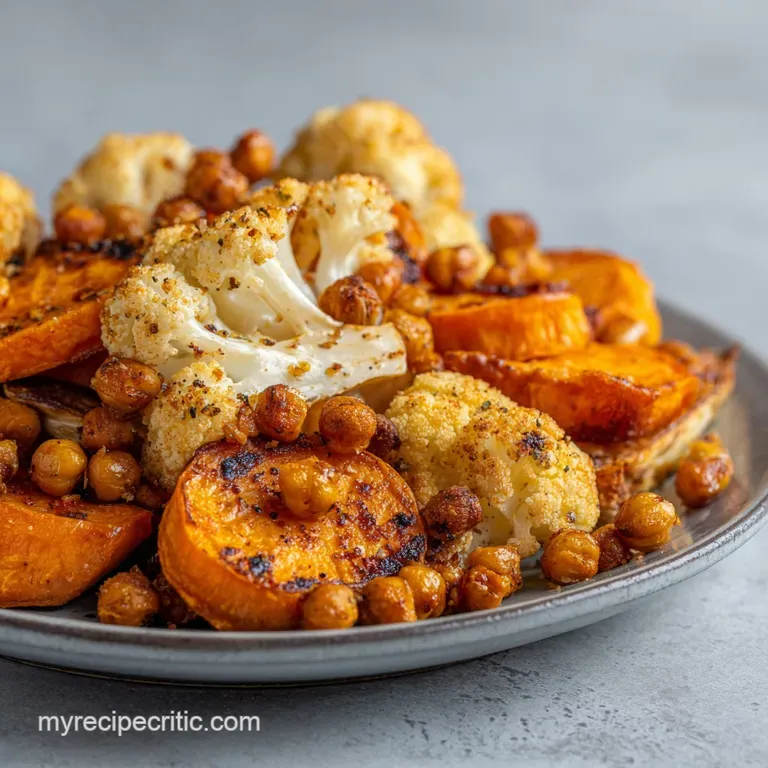
The most common mistake I see is the "steamed veggie" syndrome. This happens when the pan is too crowded. If the vegetables are touching too much, they release steam that traps them in a humid environment rather than letting the dry heat of the oven sear the edges. If you're doubling the recipe, use two pans. Period.
Another issue is the "clumpy quinoa." If you don't let the quinoa sit for 5 minutes after the heat is off, it can stay gummy. Fluffing it with a fork lets the remaining steam escape, which separates the grains.
Why Your Veggies Are Mushy
This is usually due to overcrowding the pan or using a temperature that is too low. When vegetables are packed together, they boil in their own juices.
| Problem | Root Cause | Solution |
|---|---|---|
| Mushy Veggies | Too crowded on pan | Use two separate baking sheets |
| Bland Grains | Not enough salt in water | Salt the water like a pasta pot |
| Thick Dressing | Not enough warm water | Add warm water 1 tsp at a time |
Essential Quality Checklist
- ✓ Vegetables are spread in a single layer with space between them.
- ✓ Chickpeas were patted dry with a paper towel before oiling.
- ✓ Quinoa was rinsed until the water ran clear.
- ✓ Tahini was whisked slowly to prevent separating.
- ✓ Oven was fully preheated before the pan went in.
Adjusting Your Portions
If you're just cooking for yourself, scaling this down is easy, but remember that the roasting time doesn't change much. Even with a smaller amount of veggies, you still need that 25-30 minute window to get the char.
- Cutting in half: Use a smaller baking sheet (about 10x13 inches). You can reduce the roasting time by about 5 minutes, but keep an eye on the cauliflower. Beat one egg if you're adding a boiled egg to your bowl and use half.
- Doubling the batch: This is where people mess up. Do NOT use one pan. Use two separate sheets. Keep the salt and spices to about 1.5x the original amount, as too much paprika can become bitter in large quantities.
- Scaling the dressing: Tahini is powerful. If you're doubling the recipe, start with 1.5x the tahini and taste it before adding more. You can always add more, but you can't take it away.
For a more detailed look at roasting techniques for different vegetables, Serious Eats has some great deep dives on the thermodynamics of the oven.
Debunking Grain Myths
There's a lot of noise about what goes into a buddha bowl. Let's clear a few things up.
First, people often say quinoa is a grain. It's actually a seed. This is why it's a complete protein, containing all nine essential amino acids. Whether you call it a grain or a seed doesn't change the taste, but it's a win for the nutrition side.
Second, some believe you need to "toast" quinoa in oil before boiling. While it adds a slightly nuttier flavor, it's not necessary for the texture. If you're in a rush, just rinse and boil. The roasted veggies provide plenty of nuttiness on their own.
Storage and Zero Waste
This buddha bowl with roasted veggies is a meal prep superstar. I usually roast a massive batch on Sundays.
Storage Guidelines: Store the roasted vegetables and quinoa in airtight containers in the fridge for up to 4 days. However, keep the dressing in a separate jar and wait to slice the avocado until you're ready to eat.
If you mix the dressing in too early, the quinoa will absorb it all and become a mushy paste.
Freezing: You can freeze the cooked quinoa and roasted sweet potatoes for up to 2 months. Don't freeze the cauliflower, as it tends to get a weird, spongy texture. Avoid freezing the avocado or the tahini dressing.
Zero Waste Tips: Don't throw away the cauliflower core! Peel the tough outer skin off the core, slice it into thin rounds, and roast them right along with the florets. They taste like tender hearts of palm.
Any leftover quinoa can be fried in a pan with a bit of soy sauce and garlic for a quick breakfast hash.
Fun Twist Ideas
One of the best things about a buddha bowl with roasted veggies is that it's basically a template. Once you have the base, you can change the vibe entirely.
If you want something fresher, try a Mediterranean Roasted Veggie Bowl. Swap the smoked paprika for dried oregano and add some kalamata olives and feta cheese. Instead of the tahini, you could use a Greek Dressing recipe to give it that zesty, vinegary punch.
For those who want more heat, try a "Fiesta" version. Use my Taco Seasoning on the sweet potatoes and chickpeas. Swap the pumpkin seeds for toasted pepitas and add some pickled red onions. It turns the bowl into a deconstructed taco that's surprisingly satisfying.
You can also swap the quinoa for farro or wild rice if you want a chewier texture. If you're not vegan, adding a soft boiled egg or some grilled chicken strips makes this a protein powerhouse.
Making the Bowl Pretty
We eat with our eyes first, and these bowls can look like a pile of brown mush if you aren't careful. The trick is "clustering" rather than mixing.
Instead of tossing everything together, place the quinoa in the center and arrange the roasted vegetables in distinct piles around the edge. Put the sliced avocado in its own section to create a bright green contrast against the orange sweet potatoes.
The final touch is the dressing. Don't just dump it in the middle; drizzle it in a zig zag pattern across the whole bowl. Scatter the pumpkin seeds and fresh parsley last. The green of the parsley and the gold of the seeds make the colors pop, turning a simple buddha bowl with roasted veggies into something that looks like it came from a fancy cafe.
Recipe FAQs
What are the 5 key components of a Buddha bowl?
Grains, protein, vegetables, healthy fats, and a dressing. This recipe uses quinoa, chickpeas, roasted veggies, avocado, and tahini dressing to hit all these nutritional marks.
What vegetables are good in a Buddha Bowl?
Root vegetables and cruciferous greens work best. Sweet potatoes and cauliflower provide the best texture and flavor when roasted at 400°F.
Are buddha bowls actually healthy?
Yes, they are highly nutrient-dense. They combine complex carbohydrates, plant-based proteins, and healthy fats, similar to the balanced profile found in chicken lettuce wraps.
What is the difference between a poke bowl and a Buddha Bowl?
The main difference is the protein and temperature. Poke bowls typically feature raw fish and are served cold, while Buddha bowls are generally plant-based and often include roasted components.
How to prevent roasted vegetables from getting mushy?
Spread vegetables in a single layer on the pan. Overcrowding the baking sheet creates steam instead of roasting, which prevents the cauliflower from charring.
Can I freeze the ingredients for meal prep?
Freeze the cooked quinoa and sweet potatoes, but skip the cauliflower. These two maintain their texture well for up to 2 months, while cauliflower becomes too soft.
How to make the tahini dressing creamy?
Gradually whisk in warm water. Continue adding water to the tahini, lemon juice, and maple syrup until the dressing reaches a smooth, pourable consistency.
Buddha Bowl With Roasted Veggies for 4