Easy Potato Pancakes from Mashed Potatoes
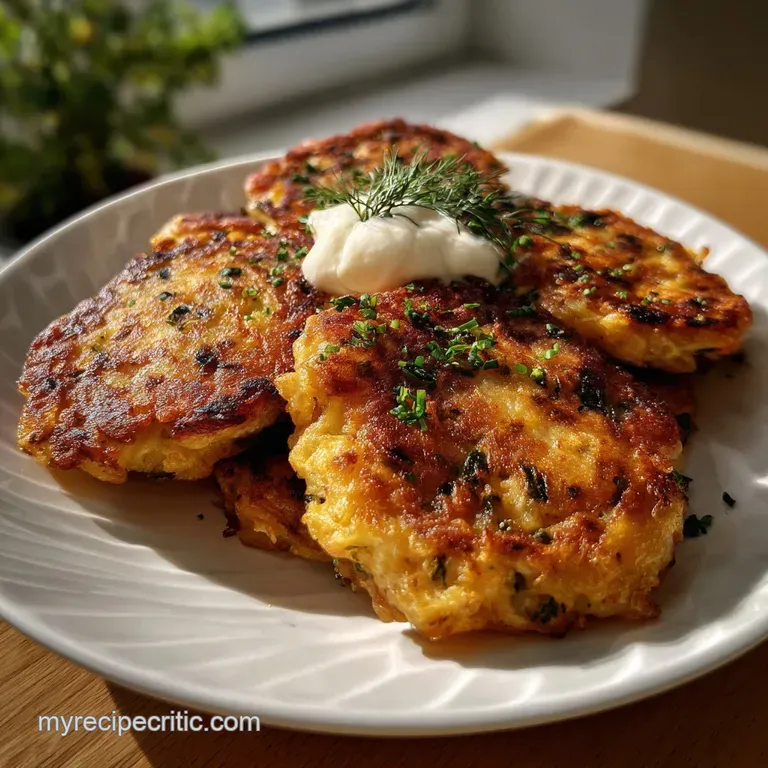
- Effort/Time: 25 minutes total (Minimal cleanup).
- Flavor Hook: Sharp cheddar and toasted garlic meet a buttery, golden-brown sear.
- Perfect for: Quick-fix breakfasts and make-ahead appetizers.
- The Ultimate Potato Pancakes from Mashed Potatoes
- Why This Recipe Works: The Science of Texture and Flavor
- Core Ingredients and Smart Flavor Substitutions
- Step-by-Step Guide to Potato Pancakes from Mashed Potatoes
- Pro Tips for Success and Mistakes to Avoid
- Common Myths about Mashed Potato Pancakes
- Storage, Freezing, and Reheating Instructions
- Creative Serving Suggestions and Topping Ideas
- Recipe FAQs
- 📝 Recipe Card
The Ultimate Potato Pancakes from Mashed Potatoes
The Struggle with Soggy Leftovers
We’ve all been there staring at a container of cold, stiff mash that looks less than appetizing. You try to reheat it, and it turns into a gummy mess. I spent years throwing out perfectly good spuds because I couldn't get the texture right when frying them.
They either fell apart in the pan or stayed mushy in the middle. The secret isn't just adding more flour; it's understanding how cold starch behaves when it hits a hot Lodge Cast Iron Skillet. Once I mastered the ratio of 2 cups cold leftover mashed potatoes to a single binding egg, the game changed.
Now, I actually make extra mash just so I can have these the next morning.
Why This Recipe Works: The Science of Texture and Flavor
Starch Retrogradation: Chilling potatoes causes amylose molecules to realign into a crystalline structure, providing the structural integrity needed to form stable potato pancakes from mashed potatoes.
Maillard Reaction: The 2.5 tbsp neutral oil or unsalted butter reacts with the surface proteins and sugars at 350°F, creating a complex, savory crust that shatters upon impact.
Protein Coagulation: The 1 large egg acts as a thermal binder, setting at 144°F to bridge the gap between the loose potato grains and the Gold Medal All-Purpose Flour.
Fat Emulsification: Using Cabot Seriously Sharp Cheddar provides a high fat-to-protein ratio that melts into the starch matrix without weeping oil, ensuring a velvety mouthfeel.
Core Ingredients and Smart Flavor Substitutions
The Science Behind 2 Cups Cold Leftover Mashed Potatoes
- What They Do
- Provide the primary structural base and bulk of the pancake.
- The Chemistry
- During the initial cook, starch granules undergo gelatinization; once chilled, they undergo retrogradation, increasing resistant starch and firming the texture.
- Why This Matters
- This firmness allows you to handle the dough without it sticking to your hands, ensuring the potato pancakes from mashed potatoes don't disintegrate in the oil.
The Science Behind 1 Large Egg
- What It Does
- Acts as the primary binding agent and structural "glue."
- The Chemistry
- Egg proteins (ovalbumin) undergo denaturation and cross linking when heated, forming a solid network that traps starch and moisture.
- Why This Matters
- It prevents the pancake from crumbling when you flip it with a Mercer Culinary Hell's Handle Spatula, maintaining a cohesive shape.
The Science Behind 0.25 Cup Gold Medal All-Purpose Flour
- What It Does
- Absorbs excess moisture and creates a dry surface for browning.
- The Chemistry
- The glutenin and gliadin proteins in the flour form a weak gluten network that reinforces the egg-starch bond.
- Why This Matters
- It provides the "crunch" factor and prevents the interior from becoming heavy or doughy.
Ingredient Swaps and Honest Trade offs
| Original Ingredient | Substitute | Why It Works |
|---|---|---|
| 0.5 cup Shredded Cheddar | Shredded Gruyère | Higher melting point; adds a sophisticated nutty flavor profile. |
| 0.25 cup All-Purpose Flour | Almond Flour | Moisture rich but results in a denser, slightly more fragile crumb. |
| 2 tbsp Green Onions | Fresh Chives | Finer texture and a more delicate, onion forward aroma. |
| 2.5 tbsp Neutral Oil | Ghee (Clarified Butter) | Higher smoke point than butter with the same rich, lactic flavor. |
step-by-step Guide to Potato Pancakes from Mashed Potatoes
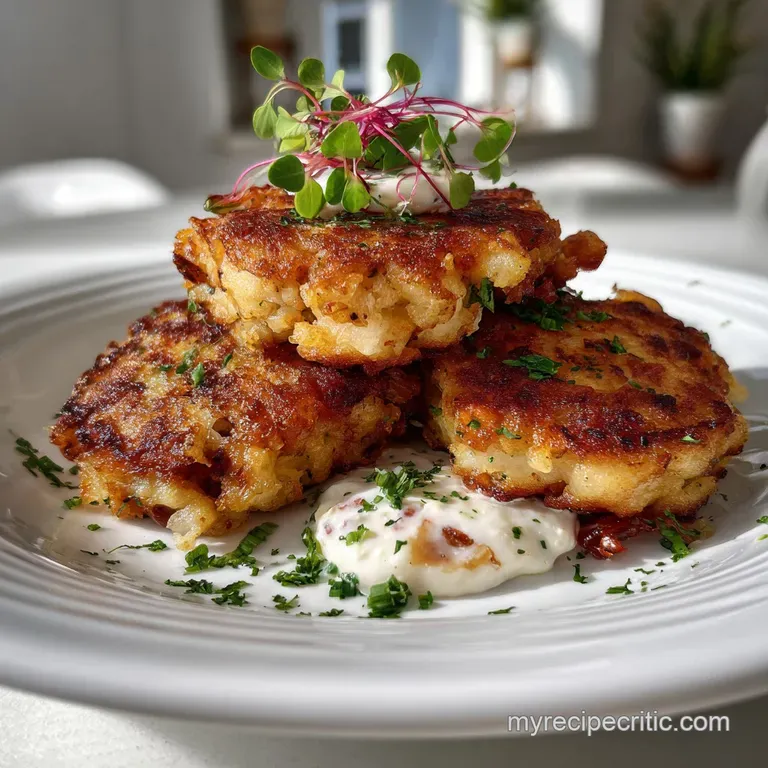
Prepping the Dough for a Workable Consistency
Combine 2 cups cold leftover mashed potatoes, 1 large egg, and 0.5 cup shredded cheddar cheese in a large mixing bowl.Note: Cold potatoes are essential here as the retrograded starch provides the necessary "bite" that fresh, warm mash lacks.
Add 0.25 cup Gold Medal All-Purpose Flour, 2 tbsp finely sliced green onions, and 0.5 tsp McCormick Garlic Powder.Note: The flour acts as a desiccant, absorbing surface moisture to facilitate a faster Maillard reaction during frying.
Fold in 0.5 tsp Diamond Crystal Kosher Salt and 0.25 tsp black pepper until a thick, cohesive dough forms.Note: Avoid overworking the dough, which can activate too much gluten and result in a rubbery texture.
Hand Shaping Uniform Patties for Even Cooking
Divide the potato mixture into 8 equal portions and roll them into spheres.Note: Uniformity ensures that all potato pancakes from mashed potatoes reach the safe internal temperature of 165°F simultaneously.
Flatten each sphere into a 0.5 inch thick patty using the palm of your hand.Note: Thinner patties maximize the surface area-to-volume ratio, increasing the amount of crispy crust per bite.
Mastering the Searing Process in the Skillet
Heat 2.5 tbsp neutral oil or butter in a Lodge 12 inch Cast Iron Skillet over medium high heat.Note: Cast iron provides high thermal mass, preventing the oil temperature from dropping when the cold patties are added.
Fry the patties for 3 to 4 minutes per side until the exterior is a deep golden brown. Note: Wait for the "sizzle" to subside slightly before flipping; this indicates that surface moisture has evaporated and the crust is set.
Transfer the finished cakes to a wire cooling rack rather than a paper towel.Note: Air circulation prevents steam from softening the bottom crust, preserving the "shatter" texture.
Chef's Note: If your mash was particularly buttery or creamy (like my Crockpot Mashed Potatoes: Ultra Creamy Easy Slow Cooker Side), you may need an extra tablespoon of flour to achieve a workable consistency.
Pro Tips for Success and Mistakes to Avoid
Achieving the Perfect Golden Brown Exterior
The secret to that professional "crunch" is the oil temperature. I always use an Etekcity Infrared Thermometer to ensure the oil is between 350°F and 360°F. If the oil is too cold, the potato will soak it up like a sponge, leading to a greasy mess.
If it's too hot, the cheese will burn before the egg binder is fully set.
How Chilled Potatoes Ensure a Better Binding
Never use warm mash. The starch molecules are still loose and hydrated, which will cause your potato pancakes from mashed potatoes to turn into a pancake shaped puddle of mush.
If you're in a rush, spread the mash on a baking sheet and pop it in the freezer for 10 minutes to rapidly retrograde the starch.
Common Mistakes Troubleshooting
| Problem | Root Cause | Solution | Pro Protocol |
|---|---|---|---|
| Patties falling apart | Excess moisture or lack of binder | Add 1 tbsp flour; ensure egg is large. | Chill dough for 15 mins before frying to set the proteins. |
| Exterior burns, interior cold | Heat too high; oil smoke point reached | Lower heat to medium; use a high smoke point oil. | Use a cast iron pan for superior heat distribution. |
| Greasy, soggy texture | Oil temperature too low | Wait for oil to shimmer before adding spuds. | Verify 350°F with a laser thermometer for precision. |
Common Myths about Mashed Potato Pancakes
Myth: You can't make these gluten-free without losing the crunch. Truth: Using cornstarch or a 1:1 gluten-free flour blend actually creates an even crispier exterior due to the lack of gluten proteins, which can sometimes become tough.
Myth: You need a lot of oil for a good sear. Truth: You only need 2.5 tbsp of fat. The goal is a shallow pan-fry, not a deep fry. The fat in the cheese and the potatoes will contribute to the browning.
Storage, Freezing, and Reheating Instructions
Storage: Store leftover potato pancakes from mashed potatoes in an airtight container in the refrigerator for up to 3 days. Place a piece of parchment paper between layers to prevent sticking.
Freezing: Flash freeze individual patties on a baking sheet for 1 hour before transferring to a Ziploc Freezer Bag. They will stay fresh for up to 2 months.
Reheating: To maintain the crispness, avoid the microwave. Reheat in a 375°F oven or a toaster oven for 8 to 10 minutes. For the best results, use an air fryer at 350°F for 4 to 5 minutes to revitalize the Maillard crust.
Creative Serving Suggestions and Topping Ideas
These savory cakes are incredibly versatile. I love serving them with a dollop of cold sour cream and a spoonful of The Ultimate Homemade Gravy from Pan Drippings No Lumps for a truly indulgent dinner side.
If you're leaning into the breakfast vibe, pair them with Breakfast Tacos Ultimate Chorizo and Potato Recipe with Crema components. A poached egg on top of a pancake allows the yolk to act as a natural sauce for the crispy potato base.
Maintaining the Ideal Oil Temperature for Crunch
If you are cooking in batches, always wipe out the pan between sets. Burnt bits of flour or cheese from the first batch will stick to the second, creating bitter "hot spots." Add a fresh 0.5 tbsp of oil as needed to keep the sizzle consistent.
Turning Your Pancakes into a Full Breakfast Platter
For a high protein start, serve two pancakes alongside thick cut bacon and a side of fresh greens dressed in lemon vinaigrette. The acidity of the greens cuts through the richness of the potato pancakes from mashed potatoes and the melted cheddar.
These potato pancakes from mashed potatoes are a testament to the fact that leftovers are often better the second time around. By focusing on the science of starch and using quality tools like a Lodge skillet, you transform humble spuds into a culinary highlight. Enjoy the sizzle!
Recipe FAQs
Can I use fresh mashed potatoes instead of chilled leftovers?
No, chilled potatoes yield better results. Starch retrogradation occurs during chilling, which firms the structure, preventing the pancakes from becoming overly gummy when fried. This firmness allows for a crispier crust upon cooking.
What is the minimum chilling time required?
At least two hours in the refrigerator. This allows the starches to fully align and firm up, maximizing structural integrity during the pan-frying process. Cold structure prevents excess oil absorption.
Why are my potato pancakes falling apart when flipping?
Insufficient binding agents are the primary cause. The starch in cold potatoes needs help from extra binder to hold the shape against high heat expansion.
- Ensure adequate egg incorporation
- Use a high starch mash base
- Do not overload the frying pan
Is using sweet potatoes a viable substitute?
No, sweet potatoes create a softer pancake. Their higher moisture and different starch composition result in a less sturdy, often mushier texture compared to russets, requiring significant recipe adjustments, unlike when preparing The Best Sweet Potato Casserole with Pecans Recipe.
Can I make these pancakes ahead of time and reheat them?
Yes, reheat in an oven or air fryer. Microwaving causes the exterior moisture barrier to break down, resulting in a soggy texture unsuitable for crisp repetition. A 350°F oven for 10 minutes restores crispness effectively.
What fat is best for frying: vegetable oil or butter?
Vegetable oil yields a higher smoke point for better searing. Butter has a lower smoke point due to milk solids, which causes premature burning before the interior is heated through. High heat searing locks in the desirable crisp texture.
Myth: Adding flour is mandatory for texture.
Myth: Adding flour is mandatory for texture. Reality: If the mashed potatoes are sufficiently cold and firm, the inherent starch acts as the primary binder. Adding more flour often results in a doughy, heavy interior rather than a light, crisp pancake.
Mashed Potato Pancakes Recipe
Ingredients:
Instructions:
Nutrition Facts:
| Calories | 284 kcal |
|---|---|
| Protein | 8.3 g |
| Fat | 18.3 g |
| Carbs | 23.4 g |
| Fiber | 1.4 g |
| Sugar | 1.2 g |
| Sodium | 485 mg |
