Turkey Brine Recipe with Apple Cider
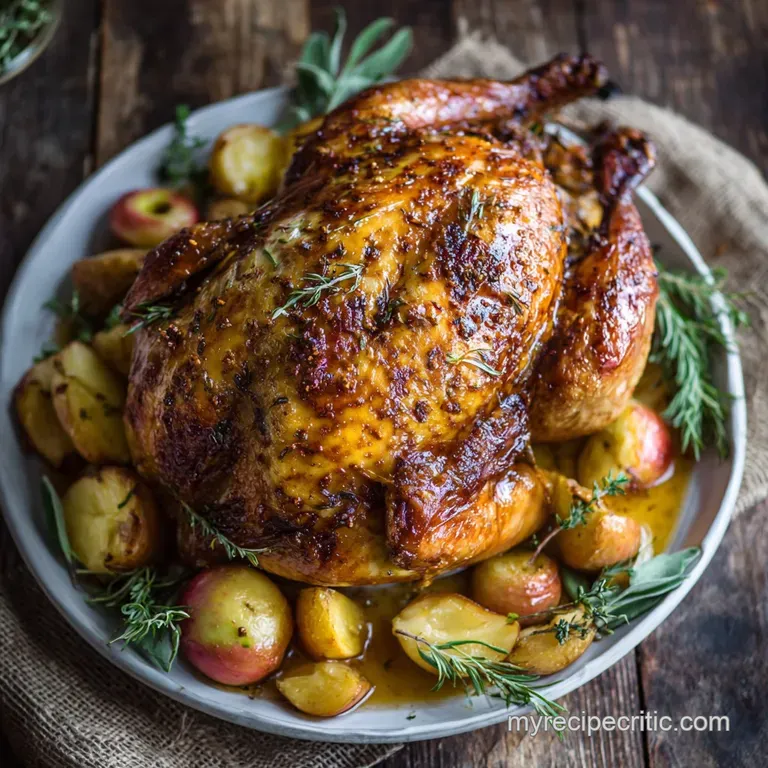
- Time: Active 15 minutes, Passive 12 hours 10 mins, Total 12 hours 25 mins
- Flavor/Texture Hook: Fragrant, herbaceous, and incredibly juicy
- Perfect for: Thanksgiving dinner, holiday hosting, or weekend smoking projects
- Achieve Juicy Results with This Turkey Brine Recipe
- Logic Behind Moisture Retention
- Precise Metrics for Success
- Selecting the Best Aromatics
- Essential Hardware for the Soak
- Executing the Perfect Bird Soaking Technique
- Proactive Measures to Prevent Kitchen Disasters
- Creative Variations for Custom Flavor Profiles
- Managing Leftovers and Brine Disposal Safely
- Presentation Tactics for a Stunning Centerpiece
- Turkey Brine FAQs
- 📝 Recipe Card
Achieve Juicy Results with This Turkey Brine Recipe
I still remember the "Great Desert Disaster" of 2014, when I pulled a twenty pound bird out of the oven only to realize it had the texture of a wool sweater. We sat there in silence, chewing heroically while reaching for extra gravy just to make it swallowable.
That was the day I swore off dry turkey forever and started experimenting with the exact balance of salt, sugar, and aromatics that actually makes a difference.
The secret isn't just in the salt; it's in the perfume of the kitchen when that pot of apple cider and rosemary starts to simmer. You’ll smell the sharp, citrusy burst of the oranges as they hit the heat, followed by the earthy, woodsy scent of fresh sage.
This isn't just about moisture it's about building layers of flavor that penetrate all the way to the bone, ensuring every slice is a total triumph.
We’ve all seen those shortcut brines that are just salt and water, but trust me, they lack the soul of a truly great holiday meal. By using unfiltered cider and smashed garlic, you're creating a liquid gold bath that tenderizes the meat while adding a subtle sweetness that helps the skin brown to a deep, mahogany hue.
If you’re ready to be the person everyone begs for the recipe, let's get into the mechanics of why this works so well.
Logic Behind Moisture Retention
- Osmotic Equilibrium: Salt denatures the tightly wound proteins in the breast meat, allowing the muscle fibers to relax and trap moisture during the high heat of the oven.
- Sugar Based Browning: The brown sugar and apple cider sugars undergo the Maillard reaction more rapidly, creating a darker, more flavorful skin without overcooking the meat.
- Aromatic Infusion: Essential oils from the rosemary and sage are fat soluble; as the turkey roasts, the fats carry these herbal notes throughout the entire bird.
- Cellular Hydration: By soaking the meat in a saline solution, the turkey actually increases in weight by about 10%, providing a "buffer" of moisture that evaporates during roasting so the meat doesn't dry out.
| Thickness of Bird | Internal Temp Target | Rest Time | Visual Cue |
|---|---|---|---|
| 12-14 lbs (5.5-6.5 kg) | 165°F (74°C) | 30 minutes | Juices run clear when thigh is pierced |
| 15-18 lbs (6.8-8 kg) | 165°F (74°C) | 45 minutes | Skin is mahogany and drumsticks wiggle easily |
| 20+ lbs (9+ kg) | 165°F (74°C) | 60 minutes | Leg joint separates with minimal resistance |
Choosing the right bird makes a massive difference in how this brine performs. A fresh, non pre-salted turkey will absorb these flavors much better than a "self basting" frozen bird that has already been injected with a generic sodium solution.
If you're working with a pre seasoned bird, I recommend cutting the salt in this recipe by half to avoid an oversalted dinner.
Precise Metrics for Success
| Ingredient | Science Role | Pro Secret |
|---|---|---|
| Kosher Salt (1.5 cups) | Breaks down protein structures | Use Diamond Crystal for the most even, gentle saltiness |
| Apple Cider (4 cups) | Adds acidity and natural sugars | Use unfiltered, cloudy cider for the most intense orchard aroma |
| Black Peppercorns (3 tbsp) | Provides a subtle, spicy backbone | Crush them slightly with a heavy pan before adding to release oils |
| Fresh Rosemary/Sage | Infuses woodsy, herbal notes | Bruise the leaves with your hands to "wake up" the scent |
When we talk about the The Sunday Supper recipe, we often focus on the slow simmer, and this brine follows a similar philosophy. You aren't just making salty water; you're making a concentrated tea that needs to be treated with respect.
Selecting the Best Aromatics
To get the most out of your turkey brine recipe, the quality of your aromatics is paramount. You'll need: 1 gallon (3.8 liters) water, divided (half for the boil, half for the chill) 1.5 cups (approx.
405g) kosher salt Why this? Larger crystals dissolve more cleanly than fine table salt.1 cup (200g) brown sugar, packed Why this? The molasses content adds a rich, caramel like depth.4 cups (950ml) ice cubesWhy this? Instantly drops the temperature to keep the bird food safe.4 cups (950ml) apple cider, unfiltered Why this? High pectin and sugar levels help with skin crisping.2 large oranges, quartered Why this? Citric acid helps tenderize the outer layers of meat.8 cloves garlic, smashed Why this? Smashed cloves release more allicin than whole ones.3 tbsp black peppercorns, whole 5 bay leaves1 bunch fresh rosemary1 bunch fresh sage1 bunch fresh thyme
If you can't find apple cider, you can substitute with high-quality apple juice, though you may want to add a tablespoon of apple cider vinegar to mimic the tangy complexity of the original.
For the herbs, while dried will work in a pinch, the fresh bunches offer a more vibrant, "just picked" fragrance that defines the best herb turkey brine recipes.
Essential Hardware for the Soak
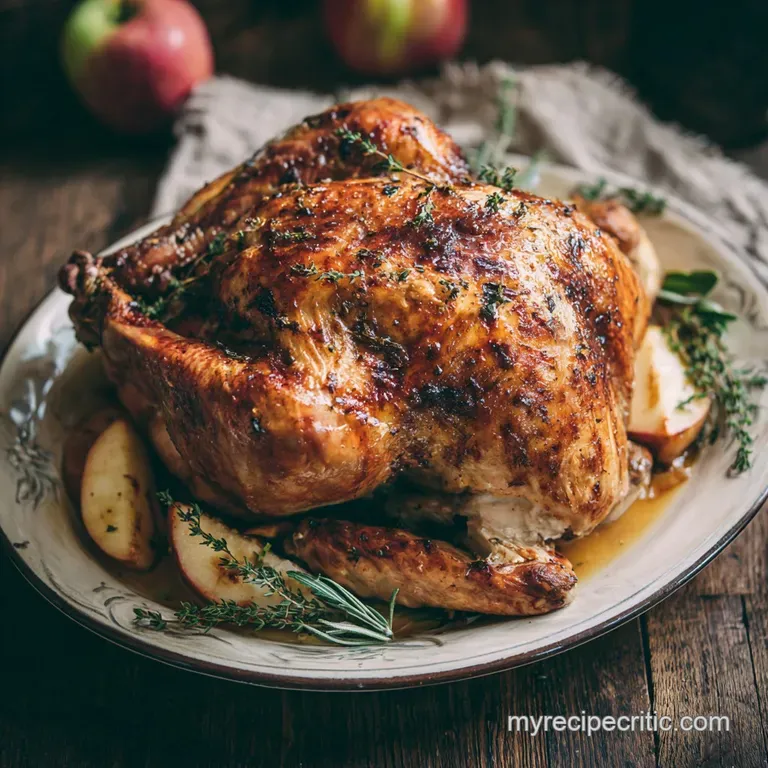
You don't need a high tech lab, but you do need a container large enough to hold a giant bird and two gallons of liquid. A 5 gallon food grade bucket is the gold standard here it’s tall, narrow, and fits in many refrigerators if you move the shelves around.
Alternatively, a heavy duty brining bag placed inside a roasting pan (to catch any leaks) works wonders for smaller fridges.
You’ll also need a large stockpot to simmer the brine base. I prefer stainless steel or enameled cast iron. Avoid reactive metals like aluminum, as the high salt and acid content from the cider can sometimes leach a metallic taste into your liquid. Finally,, clear off a bottom shelf in your fridge.
A turkey in a bucket is heavy, and you don't want it sitting above your fresh produce just in case of a spill.
Executing the Perfect Bird Soaking Technique
- Simmer the base. Combine 2 liters of the water, the kosher salt, and the brown sugar in your stockpot. Heat over medium high, stirring until the crystals vanish.
- Release the aromatics. Add the smashed garlic, peppercorns, bay leaves, and quartered oranges. Squeeze the oranges into the pot before dropping the rinds in. Note: This extracts the oils from the peel, which are more fragrant than the juice.
- Bloom the herbs. Throw in the rosemary, sage, and thyme bunches. Let this mixture simmer for about 10 minutes until the steam smells like a forest floor after rain.
- Incorporate the cider. Pour in the apple cider and stir. You'll notice the liquid turn a deep, cloudy amber.
- Rapid chill. Remove from heat and stir in the ice cubes and the remaining 1.8 liters of cold water. Wait until the liquid is cold to the touch before proceeding.
- Prep the turkey. Remove the giblets and neck. Pat the skin dry and place the bird into your brining bag or bucket.
- Submerge completely. Pour the cold brine over the turkey. If the bird floats, weigh it down with a heavy plate or a sealed bag filled with ice.
- The long soak. Seal the container and refrigerate for 12 to 18 hours. Do not exceed 24 hours, or the meat texture may become spongy.
- The final rinse. Remove the bird from the brine and rinse it under cold water. Note: This removes excess surface salt so your gravy isn't a salt bomb.
- The air dry. Pat the turkey extremely dry with paper towels. For the glassiest, crispest skin, let it sit uncovered in the fridge for 2 hours before roasting.
Chef's Tip: If you're planning to smoke your bird, use applewood or cherry wood. The fruitiness of the smoke perfectly complements the cider notes in this turkey brine recipe with apple cider.
Proactive Measures to Prevent Kitchen Disasters
The most common mistake people make with a turkey brine recipe easy is not letting the liquid cool down completely before adding the meat. If you put a raw turkey into lukewarm brine, you are essentially creating a petri dish for bacteria.
Always use the ice bath method or make the brine the night before you actually need to start soaking the bird.
Why Your Turkey Is Too Salty
If the meat tastes like a salt lick, it’s usually because of the "Salt Trap." This happens when you use a "self basting" turkey (like Butterball) which already contains a salt solution. When you add more brine, it becomes overkill.
| Problem | Root Cause | Solution |
|---|---|---|
| Spongy Texture | Brined for over 24 hours | Stick to the 12-18 hour window for best results |
| Rubber like Skin | Didn't dry the bird after rinsing | Air dry the skin uncovered in the fridge for 2-4 hours |
| Bland Breast Meat | Brine was too cold to dissolve salt | Always simmer the salt and sugar in a portion of the water first |
Common Mistakes Checklist
- ✓ Always remove the giblet bag before brining (it blocks the brine from the cavity).
- ✓ Never brine a turkey that is still partially frozen; the salt won't penetrate the ice.
- ✓ Ensure the bird is fully submerged; exposed skin will dry out and cook unevenly.
- ✓ Rinse the turkey thoroughly after brining to prevent the drippings from being too salty for gravy.
- ✓ Use a meat thermometer to pull the bird at 160°F (71°C), as carryover cooking will take it to the safe 165°F (74°C).
Creative Variations for Custom Flavor Profiles
If you want a quick turkey brine, you can double the salt concentration and reduce the brining time to 4 hours. However, the flavors won't be as deep. For a "Bourbon and Spice" twist, swap one cup of the water for a cup of high-quality bourbon and add two cinnamon sticks to the simmer.
It creates an incredible aroma that pairs beautifully with sweet potato sides.
Another favorite is the turkey brine recipe with oranges and ginger. Swap the rosemary for 4 inches of sliced fresh ginger. This gives the bird a bright, zesty heat that is refreshing during a heavy meal. If you find yourself with a smaller protein, this recipe scales down perfectly for a large roasting chicken just halve the ingredients and reduce the soak time to 4-6 hours. If you're looking for other ways to prep meat, you might find the 7 day cure in this How To Turn recipe fascinating for your next project.
| Feature | Fresh Brine (This Recipe) | store-bought Shortcut |
|---|---|---|
| Flavor Complexity | Multi layered, herbal, bright | Mostly salt and garlic powder |
| Control | You choose the salt type and sugar level | High preservatives and "natural flavors" |
| Cost | Around $10-15 for all aromatics | $5-8 for a small spice packet |
Managing Leftovers and Brine Disposal Safely
Once the turkey is out of the liquid, the brine is considered contaminated. Do not try to reuse it for another bird or as a soup base. Pour it carefully down the drain, followed by plenty of hot water and soap to sanitize the sink. The aromatics (the oranges and herbs) should be tossed in the bin.
For the turkey itself, this simple turkey brine recipe overnight makes the best leftovers. The meat stays moist even after reheating. I highly recommend saving the carcass to make a Homemade Turkey Noodle recipe. The hint of apple and sage in the bones makes for the most incredible broth you've ever tasted. Leftover meat will stay fresh in the fridge for 3 to 4 days, or you can freeze it in vacuum sealed bags for up to 3 months.
Presentation Tactics for a Stunning Centerpiece
To truly showcase your hard work, don't just hack the bird apart. Let it rest! This is the most vital step. While it rests, the juices which were pushed to the center by the heat redistribute back to the edges.
If you cut it too soon, all that beautiful brine you worked so hard on will just spill out onto the cutting board.
When you're ready to serve, garnish the platter with fresh sprigs of the same herbs used in the brine: rosemary, sage, and thyme. Add a few halved oranges or pomegranate seeds for a pop of color.
The visual connection between the ingredients in the soak and the final presentation tells a story of the flavor profile before your guests even take a bite. This beats any restaurant bird because it has the character of a home cooked meal, infused with the specific aromas of the season.
Whether you're roasting, frying, or using a wood fired broiler, this turkey brine recipe for roasting is your insurance policy against a dry dinner. It’s the difference between a meal people "get through" and one they remember until next year.
So, grab your bucket, smash that garlic, and let's make this the best bird you've ever served.

Turkey Brine FAQs
What is the best liquid to brine a turkey?
Apple cider is the best base liquid. It combines the necessary salt medium with natural sugars and acidity, leading to better moisture retention and deeper skin browning.
What is the basic formula for brine?
The standard starting ratio is 1 cup of kosher salt per gallon of water. For enhanced flavor, add one half cup of brown sugar for every gallon used, along with your chosen aromatics like herbs and citrus.
How long are you supposed to brine a turkey?
Aim for 12 to 18 hours for a standard 12-16 pound bird. Never exceed 24 hours, as the protein structure can begin to break down, resulting in a spongy texture.
Should I rinse a turkey after brining?
Yes, you absolutely must rinse the turkey thoroughly. Patting the bird dry after a cold rinse removes excess surface salt, which prevents your pan drippings from becoming too salty for The Homemade Gravy recipe.
How long should I rest the turkey after removing it from the brine?
Let the rinsed turkey air dry uncovered in the refrigerator for 2 to 4 hours. This step is crucial because completely dry skin is the only way to achieve that beautiful, crisp exterior after roasting.
Can I brine a turkey in a cooler instead of a large pot?
Yes, a food grade cooler works very well, especially for very large birds. Ensure the brine is completely chilled before submerging the turkey, as a cooler’s insulation can prevent the liquid from cooling down sufficiently on its own.
What happens if I use too much salt in my turkey brine?
The meat will taste excessively salty and possibly take on a spongy texture if over brined. To counteract this slightly, make sure your accompanying dishes, like the mashed potatoes or any accompanying casserole, are under seasoned to balance the meal. For a lighter approach to meat preparation next time, consider the moisture control used in the Breakfast Quiche recipe.
Herb Turkey Brine Recipe
Ingredients:
Instructions:
Nutrition Facts:
| Calories | 178 kcal |
|---|---|
| Protein | 29.4 g |
| Fat | 4.8 g |
| Carbs | 2.2 g |
| Fiber | 0.1 g |
| Sugar | 1.8 g |
| Sodium | 740 mg |
