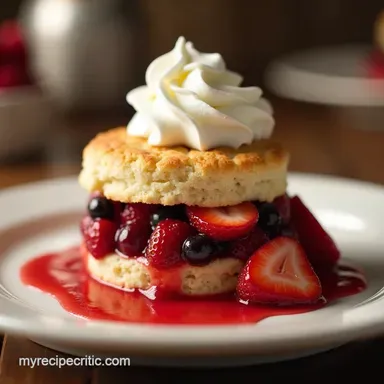
The Ultimate Oldfashioned Strawberry Shortcake Tender Biscuits Macerated Berries and Cloudlike Whipped Cream

- Why This Recipe Defines Authentic Summer Dessert
- The Anatomy of a Truly Superior Shortcake
- Gathering Your Components for Peak Flavor
- Essential Toolkit for Shortcake Construction
- Step-by-Step Guide to Biscuit Perfection
- The Art of Assembling the Ultimate Fresh Strawberry Shortcake
- Maximizing Enjoyment and Storing Leftovers
- Creative Twists on the Classic Fruit Base
- Recipe FAQs
- 📝 Recipe Card
Why This Recipe Defines Authentic Summer Dessert
There is a distinct difference between a mere dessert and an experience , and few confections capture the essence of summer quite like a genuinely superb Fresh Strawberry Shortcake .
When the sun is high and the air is thick with the scent of blooming things, only a dessert built around peak-season ingredients will suffice. This particular iteration moves away from the dense, heavy sponge cakes often substituted in lesser versions.
Instead, we embrace the rustic charm and perfect texture of a tender, flaky buttermilk biscuit. This contrast, the warm, slightly savory crumb soaking up the sweet, intense juices of perfectly macerated berries, all balanced by clouds of cold cream, is what elevates this from a simple treat to the definitive taste of the season.
It’s approachable enough for a mid-week treat yet elegant enough to anchor any celebratory gathering.
The Anatomy of a Truly Superior Shortcake
To achieve a memorable Strawberry Shortcake , one must respect the harmony between its three core elements: the fruit, the base, and the topping. They cannot simply coexist; they must enhance one another.
Our goal is textural perfection, a delightful interplay between yielding softness and slight resistance. The recipe outlined here focuses intently on achieving that delicate balance, ensuring that every single bite delivers an explosion of fresh, bright flavour without any single component overpowering the others.
Elevating the Humble Strawberry: Maceration Secrets Revealed
The berries are non-negotiable stars, and treating them correctly is crucial. Simply slicing fresh strawberries and piling them atop a biscuit does not unlock their full potential. The secret lies in maceration .
By gently tossing two pounds of sliced, ripe strawberries with about 1/4 cup of granulated sugar and a whisper of fresh lemon juice, we initiate a magical transformation. The sugar draws out the fruit's natural moisture, creating a rich, intensely flavoured syrup.
This process, which requires at least 30 minutes of resting time, ensures that when the syrup meets the warm biscuit, it penetrates just enough to moisten without causing structural collapse.
This flavour infusion is what separates an adequate fruit topping from the perfect Strawberry Shortcake Topping .
Discarding the Soggy Imitations: Our Fluffy Biscuit Promise
Many home cooks falter here, resulting in heavy, dry, or, worse, flat discs. We are aiming squarely for Fluffy Biscuits . These are not scones; they are lighter, slightly sweeter, and engineered to be tender yet capable of holding up to the fruit juices.
Achieving this airy lift hinges entirely on temperature control and gentle handling. The use of very cold buttermilk and meticulously cubed, chilled unsalted butter is paramount. When these cold fats hit the oven heat, they create pockets of steam that physically force the dough layers apart, resulting in the desired rise and flaky texture.
A Taste of Tradition: Unpacking the Joy of Fresh Strawberry Shortcake
The beauty of this dessert lies in its simplicity and its direct connection to seasonal bounty. This is not a dessert laden with artificial flavours or heavy frostings; it’s about celebrating the clean, vibrant taste of the Fresh Strawberry .
When you commit to making this Fresh Strawberry Shortcake Recipe from scratch, you are participating in a cherished tradition that values quality ingredients over complex processes.
It’s the quintessential choice for Summer Desserts because it requires minimal oven time on a hot day and celebrates what nature provides best right now.
Gathering Your Components for Peak Flavor
Before we dive into technique, gathering the freshest, highest-quality components available will guarantee the exceptional outcome of your Strawberry Shortcake . Since the recipe relies on so few elements, the quality of each ingredient shines through intensely.
Seek out berries that are deeply coloured and fragrant, smell is your best indicator of sweetness.
Essential Toolkit for Shortcake Construction

While the final assembly might seem straightforward, achieving the right texture in the biscuits and cream requires specific tools and methodologies. Having these elements ready ensures a smooth workflow.
The Dough: Flour, Fat, and Flavor Agents for the Biscuits
For our biscuits, the foundation of the structure is built from 2 cups of standard All-Purpose Flour, balanced with 1 tablespoon of baking powder and a half-teaspoon each of baking soda and fine salt to ensure lift and flavour neutrality.
The richness comes from 6 tablespoons of unsalted butter, kept solidly cold and cut into small cubes. The essential liquid binder is cold buttermilk, used at 3/4 cup, which provides necessary acidity to react with the baking soda for an extra tender crumb.
A small amount of sugar, about 1/4 cup, adds just enough sweetness to complement the berries without making the biscuit taste like a cookie.
Achieving the Perfect Berry Infusion: Sugar Ratios
The ratio of sugar to fruit is a balancing act. For approximately two pounds of fresh, ripe strawberries, we use 1/4 cup of granulated sugar. This is enough to draw out the necessary liquid for the syrup without rendering the final product cloyingly sweet.
A teaspoon of optional lemon juice brightens the entire fruit profile, cutting through the richness of the cream and butter.
Crafting Homemade Whipped Cream: Beyond store-bought Toppings
True indulgence demands Homemade Whipped Cream . Forget the stabilized, aerosol versions; we are creating luxurious, cloud-like peaks. Start with 1 1/2 cups of heavy whipping cream, ensuring it is thoroughly chilled.
Sweeten it simply with 1/4 cup of powdered sugar, its fine texture dissolves easily, and a teaspoon of pure vanilla extract. Using powdered sugar instead of granulated prevents the cream from developing a gritty texture as it whips.
Necessary Equipment for Precision Baking
A reliable baking sheet lined with parchment paper is essential for even heat distribution. For cutting the biscuits, a sharp, 2.5-inch round biscuit cutter is needed; crucially, you must press straight down and lift straight up, never twisting the cutter, which would seal the edges and inhibit the proper rise.
A pastry blender, or even just your fingertips, is required for swiftly cutting the butter into the flour mixture.
Related Recipes Worth Trying
- Easy Strawberry Salad with Cucumber Feta 20 Min Prep — Forget soggy leaves This simple Strawberry Salad with Cucumber recipe pairs fresh berries with feta and mint for a light flavourful side Perfect summer dish
- 15Minute Cucumber Strawberry Salad with Lime Vinaigrette — Meet your new favourite Light Summer Salad Recipe This Cucumber Strawberry Salad uses a bright lime dressing that makes it utterly smashing for BBQs Easy prep
- The Ultimate Strawberry Chocolate Cake with Fresh Cream — Forget those dry mixes this is a rich moist Chocolate Cake With Strawberries finished with stabilized whipped cream Learn the simple secret for a proper...
Step-by-step Guide to Biscuit Perfection
The most important stage is the dough preparation. The goal is minimal mixing and maximum coldness.
The Art of Assembling the Ultimate Fresh Strawberry Shortcake
Once your components are prepared, warm biscuits cooling slightly, berries weeping their delicious juices, and cream stiffly peaked, the assembly stage is where the magic happens quickly.
Mixing Techniques: Keeping the Butter Cold for Crumbly Layers
In the initial mixing of the biscuit dough, the key technique is speed. Combine your dry ingredients, then work the chilled butter into the flour using a pastry blender until the mixture resembles coarse crumbs with some visible pea-sized chunks of butter remaining.
This visible butter is your insurance policy for flakiness. When adding the cold buttermilk, mix only until the shaggy dough barely comes together; over-mixing develops gluten, leading to tough, dense shortcakes instead of the desired lightness.
Baking Temperatures and Timing for Golden Results
Preheat your oven significantly high, 425° F ( 220° C) works wonders. This high heat sets the exterior quickly, trapping the moisture inside.
Brush the tops of the cut biscuits with an egg wash (one egg whisked with a tablespoon of water) and sprinkle liberally with coarse turbinado sugar. Bake for 14 to 16 minutes. You are looking for a deep, inviting golden brown colour, indicating that the interior is cooked through and fluffy.
Macerating Berries While Dough Rests
While the biscuit dough is chilling for its mandatory 20 minutes (allowing the gluten to relax and the butter to firm up again), this is the perfect time to complete the maceration of the strawberries.
By the time the biscuits emerge from the oven, the berries will have released a significant amount of intensely sweet syrup, ensuring your Shortcake Cupcakes or traditional servings are moist and flavourful.
Layering Strategy: Cream, Fruit, and Crumb Interplay
The layering sequence is important for structure. Take a warm biscuit and slice it horizontally. Spoon a generous amount of the macerated strawberries and their syrup over the bottom layer, let the syrup soak in for a moment.
Follow this with a substantial cloud of your Homemade Whipped Cream . Place the top biscuit half on gently, then crown the entire structure with a final, dramatic dollop of cream and perhaps one perfect berry slice.
Serving immediately ensures the contrast between the warm biscuit and the cold cream is at its peak.
Maximizing Enjoyment and Storing Leftovers
This dessert truly shines when consumed fresh. The ideal timeline involves making the cream just before serving and assembling the shortcakes right after the biscuits have cooled for about ten minutes. If you must store components, keep the plain biscuits airtight at room temperature for up to two days.
Store the macerated berries separately in the refrigerator, and the whipped cream covered and chilled. Never store an assembled shortcake, as the moisture from the fruit will inevitably turn the biscuit soggy.
Creative Twists on the Classic Fruit Base
While the classic combination is peerless, experimentation can lead to delightful results, especially if you find yourself needing to adapt or elevate the recipe further.
Troubleshooting Biscuit Fluffiness: Common Pitfalls
If your biscuits seem dense, the primary culprit is usually overworking the dough, which builds too much gluten. Another cause is not using cold enough ingredients. For an immediate fix next time, ensure you are not twisting the biscuit cutter and use the "patting" method over heavy rolling when bringing the scraps together.
The Ideal Timeline for Preparing Components Ahead of Time
You can comfortably macerate your berries up to four hours in advance. The whipped cream should be made no more than two hours ahead of serving, as it can begin to weep or deflate slightly. The biscuits, ideally, should be baked no more than an hour before assembly to capture that perfect warm-crumb texture.
Serving Suggestions Beyond the Traditional Plate
While we cherish the classic two-part biscuit presentation, consider slicing the biscuits into three horizontal layers for a more dramatic, tiered presentation, allowing for more cream and fruit between each stage.
This multi-layered approach works particularly well when serving Shortcake Cupcakes style portions.
Alternative Fruit Pairings for Year-Round Enjoyment
If fresh strawberries are out of season, this foundational recipe adapts beautifully. Try macerating ripe peaches with a hint of cinnamon and bourbon for a richer twist, or use macerated blueberries with a splash of almond extract for a delicate, floral alternative.
The principle of maceration and the use of light biscuits remains the constant, ensuring a successful Strawberry Shortcake experience no matter the fruit chosen.
Recipe FAQs
What’s the secret to making truly flaky biscuits for my Fresh Strawberry Shortcake instead of them turning out dense?
The absolute key is keeping everything cold, the butter and the buttermilk must be straight from the fridge! When you cut the cold butter into the flour, those little pieces melt in the oven, creating steam pockets that push the layers apart, resulting in a glorious, flaky rise.
Don't overwork the dough; handle it as little as possible!
My strawberries just sit there, how do I get that lovely syrup everyone talks about for the shortcake?
That wonderful syrup is created by "macerating" the berries with sugar. Slice your strawberries and gently toss them with the specified amount of sugar (and lemon juice, if using). Let this mixture sit at room temperature for at least 30 minutes.
The sugar draws the moisture out of the fruit, creating that perfect, naturally sweet juice that soaks beautifully into the warm biscuit base.
Can I make the biscuits ahead of time, or do I have to assemble the Fresh Strawberry Shortcake right away?
Biscuits are best eaten the day they are baked; they tend to lose their lovely crispness overnight. You can certainly prepare the dough ahead of time, cut out the rounds, place them on the tray, cover them tightly, and chill for up to 12 hours, but make sure to bake them just before you plan to serve.
The strawberries and cream, however, can be prepped earlier in the day.
I’m not a fan of buttermilk; can I substitute it for the biscuits?
Yes, you certainly can make a brilliant substitute if you’re fresh out, it’s a simple trick! For every cup of buttermilk required, measure out one cup of regular milk (whole milk is best) and stir in one teaspoon of white vinegar or lemon juice.
Let that mixture sit for about five minutes until it looks slightly curdled before adding it to your dough. It works just as well for a good rise!
How should I store leftovers if I have extra components from making the Fresh Strawberry Shortcake?
It's tricky, as this dessert is truly best fresh! If you have leftover macerated strawberries, they will keep well in an airtight container in the fridge for 2-3 days. Store any leftover plain biscuits wrapped tightly at room temperature, and keep the whipped cream separate in the fridge.
Never store assembled shortcakes, as the biscuit will turn dreadfully soggy!
Is there a way to make this dessert lighter, as it seems quite heavy with all that butter and cream?
To lighten things up, focus on reducing the fat in the cream component; use half heavy cream and half cold, full-fat Greek yogurt when whipping for a tangier, lower-fat topping. You can also bake your biscuits on a rack further apart to create slightly thinner sides, reducing the overall density of the shortcake itself.
Ultimate Fresh Strawberry Shortcake Recipe Fluffy Biscuits