Slow Cooker Ribs: Tender and Caramelized
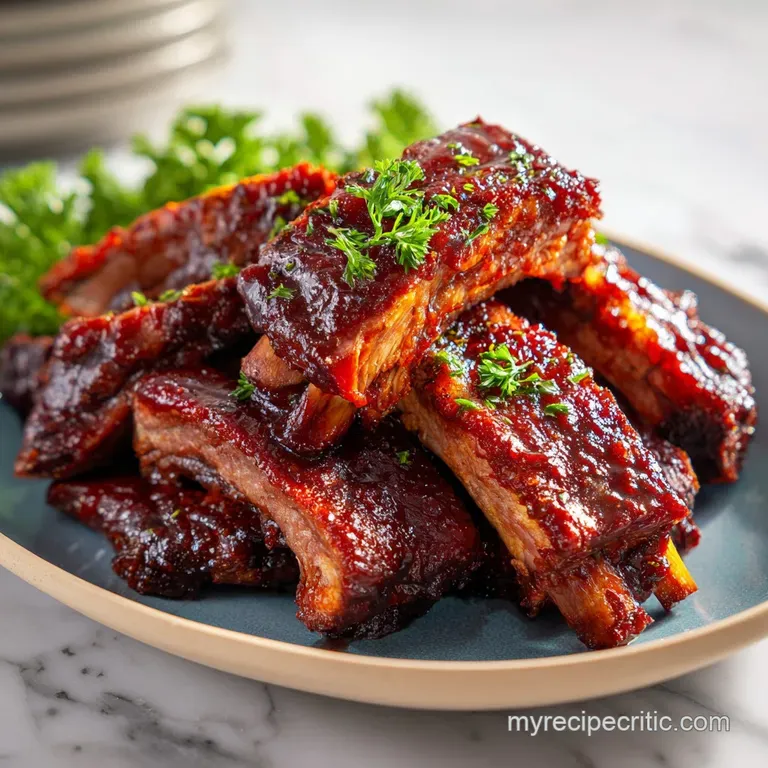
- Time: Active 20 minutes, Passive 8 hours, Total 8 hours 20 mins
- Flavor/Texture Hook: Smoke kissed sweetness with a tender, melt in-your mouth interior and a crackling, glazed exterior
- Perfect for: Stress free game day hosting or a high reward Sunday family dinner
- How to Master Tender Fall Off the Bone Slow Cooker Ribs
- Avoiding the Common Pitfalls of Mushy Slow Cooker Ribs
- Essential Timing and Precise Measurements for Juicy Ribs
- Component Deep Dive for Creating Layered Flavor Profiles
- Selecting Your Elements and Smart Ingredient Substitutions
- Simple Kitchen Tools Required for Competition Style Results
- Step by Step Guide to Creating Sticky Glazed Ribs
- Solving Common Issues for Perfectly Glazed Meat
- Scaling Your Recipe for Large Crowds or Small Meals
- Creative Flavor Twists to Customize Your Rib Experience
- Keeping Your Leftover Ribs Tender and Moist for Later
- Best Side Dishes to Complete Your Slow Cooker Feast
- Very High in Sodium
- Recipe FAQs
- 📝 Recipe Card
How to Master Tender Fall Off the Bone Slow Cooker Ribs
Imagine the scent of smoked paprika and dark sugar slowly filling your home on a rainy afternoon. There is something deeply grounding about knowing that while you work or relax, a rack of ribs is transforming from a tough, fibrous cut of meat into something that barely needs a knife to slice.
We’ve all been there, hovering over a grill for hours, battling flare ups and fluctuating temperatures. This recipe removes that stress entirely, giving you back your day while delivering a result that rivals the best backyard smokehouses.
The magic happens in that quiet, steady hum of the slow cooker. When you pull the lid off after eight hours, the meat has retreated just slightly from the bone, a visual signal that the connective tissue has surrendered.
It’s a sensory win, the steam carries notes of apple cider vinegar and hickory, promising a meal that is both rich and deeply satisfying. This isn't just about convenience, it is about using physics to your advantage to achieve a texture that over high heat methods often miss.
Avoiding the Common Pitfalls of Mushy Slow Cooker Ribs
One of the biggest complaints with this method is that the meat can end up "boiled" or mushy if not handled correctly. This usually happens when the ribs are submerged in too much liquid. Unlike a stew, we want the ribs to steam and braise in their own rendered fats and the small amount of vinegar we add to the bottom.
By standing them upright, we ensure the meat stays out of the pool of grease, preserving its structural integrity while it softens.
The Steam Braise Conflict
In a traditional smoker, the environment is dry and moving. In a slow cooker, it is moist and static. If you add cups of water or broth, you’re effectively poaching the pork, which washes away the seasoning and leaves the fat flabby.
We use just enough apple cider vinegar to create a flavored steam environment that helps break down the meat without diluting the dry rub we worked so hard to apply.
The Silver Skin Oversight
The pleura, or silver skin, is a tough membrane on the back of the ribs that acts as a waterproof barrier. If you leave it on, the dry rub can't penetrate the bone side, and the ribs will feel chewy no matter how long you cook them. Removing it is a non negotiable step.
It takes sixty seconds but changes the entire eating experience from a struggle to a pleasure. A paper towel provides the necessary grip to peel it away in one satisfying motion.
Missing the Maillard Reaction
A slow cooker cannot reach temperatures high enough to brown the sugars and proteins on the surface of the meat. This is why some people find "crockpot ribs" to be unattractive or pale. The broiler is our secret weapon here.
Those final five minutes under the intense heat of the oven element create the "bark" or the slightly charred, bubbly glaze that defines great BBQ. It provides the necessary contrast to the tender meat inside.
Essential Timing and Precise Measurements for Juicy Ribs
The science behind this recipe relies on the slow denaturation of proteins. When you cook pork at a low temperature for a long duration, the collagen, which is the tough stuff holding the muscle fibers together, melts into gelatin.
This gelatin coats the muscle fibers, which is what gives the ribs that velvety, succulent mouthfeel. If you cook them too fast on high heat, the fibers squeeze out their moisture before the collagen can melt, leading to dry, tough meat.
- Collagen Melt: Transformation starts around 160°F and becomes rapid at 190°F, turning "tough" into "tender."
- Vapor Pressure: The tight lid of the cooker traps moisture, creating a pressurized like environment that speeds up the softening of the meat.
- Sugar Caramelization: The dark brown sugar in the rub reacts with the heat during the broiler phase to create a complex, bittersweet crust.
- Osmosis: The salt in the rub draws moisture out, dissolves the spices, and then pulls that seasoned brine back into the meat.
| Meat Thickness | Internal Temp | Rest Time | Visual Cue |
|---|---|---|---|
| Standard (1.5") | 195°F - 203°F | 10 minutes | Meat pulls back 1/2 inch from bone |
| Thick (2"+) | 195°F - 203°F | 15 minutes | Bone wiggles easily when tugged |
| Thin (under 1") | 190°F - 195°F | 5 minutes | Surface appears cracked when bent |
If you enjoy the set and forget nature of this meal, you'll love my Crockpot Beef and Veggie feast for another night when you want a complete meal with zero effort. The principles of slow rendered fat and softened aromatics are very similar, though the flavor profile leans more toward a classic herb roasted comfort.
Component Deep Dive for Creating Layered Flavor Profiles
Building flavor in stages is what separates a good rib from an unforgettable one. We start with the dry rub, which acts as the foundation. The smoked paprika provides the illusion of a wood fire, while the garlic and onion powders add depth.
Dark brown sugar is essential here because of its molasses content, which stands up better to the long cooking time than white sugar or honey would in the initial phase.
| Component | Role in Dish | Pro Secret |
|---|---|---|
| Dark Brown Sugar | Sweetness & Bark | Use dark for extra molasses and better caramelization |
| Smoked Paprika | Color & Smoke | Pimentón de la Vera adds an authentic wood fired aroma |
| Apple Cider Vinegar | Tenderizing Agent | The acidity cuts through the heavy fat of the pork |
| Liquid Smoke | Flavor Depth | A little goes a long way; don't skip it for that "pit" taste |
The apple cider vinegar serves a dual purpose. While it provides the steam needed for the braise, the acidity also helps to brighten the heavy, fatty notes of the ribs. It’s a subtle background player that makes the BBQ sauce pop at the very end.
The honey added to the final glaze is what gives that mirror like shine and helps the sauce "set" under the broiler without running off the meat.
Selecting Your Elements and Smart Ingredient Substitutions
For the most consistent results, baby back ribs are the preferred choice. They are leaner and more tender than spare ribs, making them ideal for the moist heat of a slow cooker. You want to look for racks that have even thickness from end-to-end and good "marbling" or thin streaks of white fat running through the muscle.
- 2 racks (4.5 lbs) baby back ribs: Why this? They fit better in the pot and stay tender without being overly greasy.
- 1/4 cup (50g) dark brown sugar, packed: Why this? High molasses content creates a richer, darker crust during the broil.
- 1 tbsp (7g) smoked paprika: Why this? Essential for that outdoor BBQ flavor without using an actual smoker.
- 1 tbsp (15g) garlic powder: Why this? Provides a consistent savory base that penetrates the meat deeply.
- 1 tsp (5g) onion powder: Why this? Adds a subtle sweetness and earthy undertone to the spice blend.
- 1 tsp (2g) dried oregano: Why this? A touch of herbal earthiness that balances the heavy spices.
- 1 tsp (6g) kosher salt: Why this? Larger grains season the meat evenly without making it overly salty.
- 1/2 tsp (1g) freshly cracked black pepper: Why this? Adds a gentle heat and woody spice to the rub.
- 1/4 tsp (0.5g) cayenne pepper: Why this? Just enough to provide a back of-the throat warmth.
- 1/4 cup (60ml) apple cider vinegar: Why this? Creates the acidic steam environment necessary for tenderizing.
- 1 tsp (5ml) liquid smoke: Why this? Mimics the wood smoke profile of a traditional BBQ pit.
- 1.5 cups (350ml) high-quality BBQ sauce: Why this? Choose a thick sauce that will cling to the meat.
- 2 tbsp (30ml) honey: Why this? Increases the sugar content for a glossy, crackling finish.
| Original Ingredient | Substitute | Why It Works |
|---|---|---|
| Dark Brown Sugar | Coconut Sugar | Similar caramel notes but less moisture. Note: Crust will be slightly more matte. |
| Apple Cider Vinegar | Pineapple Juice | Adds acidity plus enzymes that tenderize meat faster. |
| Liquid Smoke | Smoked Salt | Use in place of kosher salt to add smoky depth without extra liquid. |
Simple Kitchen Tools Required for Competition Style Results
You don't need a professional kitchen to make these, but a few specific tools make the process much smoother. A large slow cooker, ideally 6 or 7 quarts, is necessary to fit two full racks of ribs once they are cut.
If your cooker is too small, you'll end up cramming them in, which prevents the heat from circulating evenly.
A good pair of tongs is your best friend when the timer goes off. The ribs will be so tender they might want to fall apart as you move them, so a sturdy set of tongs helps you support the rack from underneath. For the finishing stage, a heavy duty rimmed baking sheet lined with aluminum foil is essential.
The foil catches the sticky drippings of the BBQ sauce, making the cleanup process significantly easier. Finally, a high-quality pastry brush ensures you can get that honey BBQ mixture into every nook and cranny of the rib meat for a professional look.
step-by-step Guide to Creating Sticky Glazed Ribs
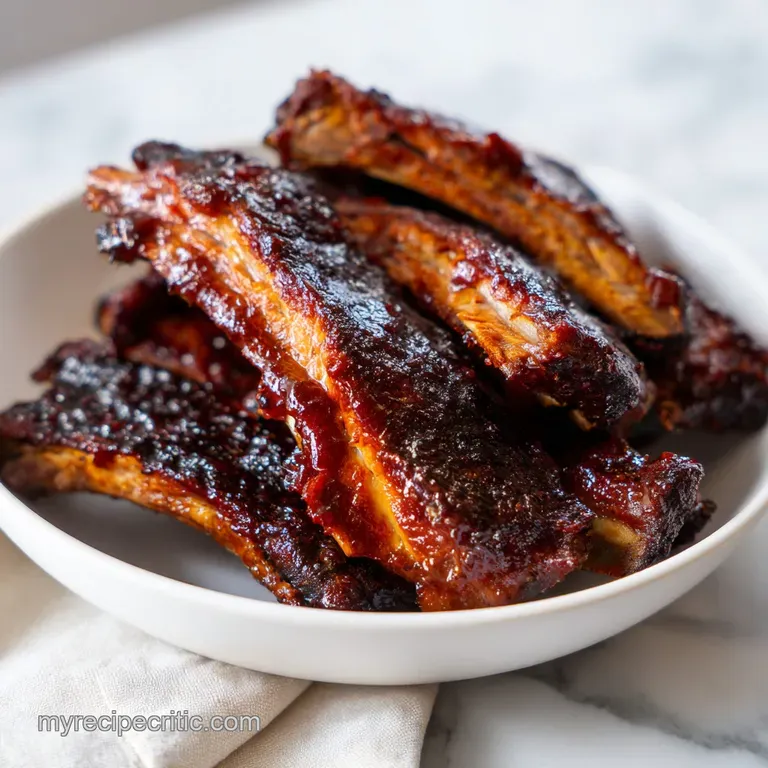
The process of making Slow Cooker Ribs is straightforward, but the order of operations matters. We want to build the flavor from the bone out, ensuring every bite is seasoned.
- Prepare the meat. Remove the ribs from packaging and pat dry with paper towels. Flip bone side up and remove the thin silvery membrane by nicking a corner with a knife and pulling it off with a paper towel. Note: This allows the spices to actually reach the meat.
- Mix the dry rub. In a small bowl, whisk together the dark brown sugar, smoked paprika, garlic powder, onion powder, oregano, salt, black pepper, and cayenne.
- Season the racks. Generously massage the dry rub into both sides of the ribs. For best results, let the seasoned ribs rest for 30 minutes to allow the salt to begin its work.
- Set the cooker. Pour the apple cider vinegar and liquid smoke into the bottom of the slow cooker. Cut the rib racks into 3 to 4 bone sections.
- Position the ribs. Stand the sections upright in the pot with the meat side facing out towards the walls of the cooker. Note: This prevents the meat from sitting in the rendered fat and getting mushy.
- Low and slow cook. Cover and cook on Low for 7 to 8 hours (or High for 4 hours). You are looking for the meat to be starting to pull away from the bone.
- Set the glaze. Preheat your oven broiler. Carefully transfer the ribs to a foil lined baking sheet using tongs. In a bowl, mix the BBQ sauce and honey.
- The final broil. Brush a thick layer of the sauce over the ribs. Broil for 3 to 5 minutes until the glaze is bubbling and slightly charred in spots.
- Rest and serve. Let the ribs rest for 10 minutes before slicing. Note: This keeps the juices inside the meat rather than on the cutting board.
Solving Common Issues for Perfectly Glazed Meat
Even with a set and forget recipe, things can go sideways if the meat or the cooker behaves unexpectedly. Most issues stem from timing or moisture control. Understanding what happened allows you to fix it before the plates are served.
Fixing Mushy Shredded Textures
If your ribs are falling apart into a pile of pulled pork, they’ve been cooked just a little too long or were submerged in too much liquid. To save them, handle them very gently when moving to the baking sheet. Use two spatulas or a large turner to support the weight.
Once you apply the glaze and broil them, the sugar will harden slightly, providing a bit of structure to the exterior. In the future, ensure you are stacking them vertically and check them at the 7 hour mark.
Softening Tough Chewy Meat
If the meat is still clinging tightly to the bone and feels rubbery, it simply hasn't had enough time for the collagen to melt. Slow cookers vary in their actual temperature. If yours runs cool, you might need an extra hour. Put the lid back on and give it more time.
There is no way to "force" this process with higher heat once they are already in the cooker; patience is the only solution here.
Boosting Lacking Smoke Flavor
If the ribs taste like regular roasted pork rather than BBQ, the liquid smoke or the paprika might be old. Spices lose their potency over time. You can fix this in the glazing stage. Add a drop more liquid smoke to your BBQ sauce mixture or a pinch of smoked salt over the top right before the ribs go under the broiler.
This gives an immediate hit of smoke kissed aroma as soon as the dish hits the table.
| Problem | Root Cause | Solution |
|---|---|---|
| Sauce is running off | Ribs were too wet before glazing | Pat the surface with a paper towel before brushing on the sauce. |
| Surface is burnt | Broiler was too close to the meat | Move the oven rack to the middle position instead of the top. |
| Meat feels dry | Cooked too long on the High setting | Use the Low setting for more consistent moisture retention. |
Common Mistakes Checklist
- ✓ Pat the ribs completely dry before applying the dry rub for better adhesion.
- ✓ Always remove the membrane to avoid a "plastic" texture on the bone side.
- ✓ Don't open the slow cooker lid during the first 6 hours; you lose 20 minutes of heat every time.
- ✓ Let the ribs rest after the broiler to allow the glaze to set and the fibers to relax.
Scaling Your Recipe for Large Crowds or Small Meals
If you are cooking for a large party, you can double this recipe, but you need to be careful with the liquid. Do not double the apple cider vinegar. Instead, increase it by only 50% to avoid too much steam.
You may need to cook in two separate slow cookers if you can't stand the ribs up vertically without them being packed too tightly. Airflow is still important even in a slow cooker. For the dry rub, use the 1.5x rule for the spices to ensure you don't over salt the meat.
For a smaller household, you can easily halve the recipe using a single rack of ribs. Use a smaller 3 or 4 quart slow cooker to maintain the proper heat density. The timing remains largely the same because the thickness of the individual rib doesn't change, even if the total amount of meat is less.
You might find they are done closer to the 7 hour mark on Low.
Creative Flavor Twists to Customize Your Rib Experience
While the classic BBQ flavor is a crowd pleaser, the slow cooker is a great vessel for experimenting with different global flavor profiles. For a different flavor profile, my slow cooked lamb curry uses similar over low heat principles to break down tough cuts, proving how versatile this appliance can be.
The Apple Bourbon Twist
Replace the apple cider vinegar with 1/4 cup of good bourbon and a splash of apple juice. Add a teaspoon of cinnamon to the dry rub. This creates a deep, autumnal flavor that is incredibly rich. The alcohol in the bourbon helps break down the fat even further, leading to an exceptionally tender result.
Finish with an apple butter based BBQ sauce for a sweet and savory masterpiece.
Keto Low Carb Adjustment
To make this keto friendly, replace the dark brown sugar in the rub with a brown sugar alternative like erythritol or monk fruit sweetener. Ensure your BBQ sauce is a sugar-free variety. Since sugar is what creates the "bark" under the broiler, you might need to broil them a minute longer to get that desired char.
The honey in the glaze should be replaced with a sugar-free maple syrup or omitted entirely.
Spicy Carolina Style
If you prefer heat over sweet, increase the cayenne pepper to 1 teaspoon and add 1 tablespoon of crushed red pepper flakes to the dry rub. Instead of a thick BBQ sauce, use a thin, vinegar based mop sauce.
Skip the honey in the final stage and instead brush the ribs with the vinegar sauce every minute during the broiler phase to build up layers of tangy, spicy flavor.
| Premium | Budget | Flavor Impact | Savings |
|---|---|---|---|
| St. Louis Style Ribs | Baby Back Ribs | Baby backs are leaner/more tender | Save $2-4 per rack |
| Manuka Honey | Standard Clover Honey | Clover is more neutral; Manuka is earthy | Save $10-15 per jar |
| Fresh Smoked Salts | Kosher Salt + Liquid Smoke | Similar smoky depth for less cost | Save $5-8 |
Keeping Your Leftover Ribs Tender and Moist for Later
Leftover ribs are a gift, but they can dry out quickly if reheated improperly. Store them in an airtight container in the fridge for up to 4 days. When you're ready to eat, the best method is the oven.
Wrap the ribs in foil with a tablespoon of water or apple juice and bake at 300°F until warmed through. This steams them back to life. Avoid the microwave if possible, as it tends to make the meat rubbery and the fat chewy.
For long term storage, these ribs freeze beautifully. Wrap the cooked, cooled sections tightly in plastic wrap and then in a layer of heavy duty foil. They will stay fresh for up to 3 months. To serve from frozen, thaw them in the refrigerator overnight and then follow the oven reheating method mentioned above.
For a zero waste tip, if you have very small scraps of meat left over, shred them and use them as a topping for baked potatoes or toss them into a breakfast hash with peppers and onions.
Best Side Dishes to Complete Your Slow Cooker Feast
A heavy, smoky main dish like this needs sides that offer contrast. Think of something bright, crunchy, or creamy to balance the richness of the pork. A classic coleslaw with a vinegar heavy dressing is the traditional choice because the acidity cuts right through the fat.
If you want something heartier, a stovetop mac and cheese or some honey butter cornbread can turn this into a true soul food feast.
If you’re looking for a variety of textures on the table, roasted root vegetables or a crisp green salad with a lemon vinaigrette are excellent options. The goal is to provide a "palate cleanser" between those decadent, sticky bites of rib meat.
Since the slow cooker is doing all the heavy lifting for the main course, you have plenty of kitchen space to whip up a few vibrant sides that make the meal feel balanced and complete.
Very High in Sodium
1140 mg 1140 mg (50% 50%)
The American Heart Association recommends a maximum daily sodium intake of 2,300mg.
Tips to Reduce Sodium
-
Halve the Kosher Salt-25%
Reduce the kosher salt called for by half. Kosher salt is still a significant source of sodium.
-
Choose Low-Sodium BBQ Sauce-20%
Opt for a low-sodium BBQ sauce. Many standard BBQ sauces are very high in added sodium.
-
Reduce Liquid Smoke-10%
Use half the amount of liquid smoke. While not a primary sodium source, it can contribute.
-
Boost Natural Flavors
Increase the amounts of smoked paprika, garlic powder, onion powder, and dried oregano. These provide great flavor without adding sodium.
-
Adjust Honey and Brown Sugar-5%
Slightly decrease the dark brown sugar and honey. While not high in sodium, reducing overall sauce ingredients can help balance.
Recipe FAQs
Is it necessary to remove the silver skin from the ribs?
Yes, definitely remove it. This thin membrane prevents your dry rub from seasoning the meat effectively and stays tough and chewy even after 8 hours of cooking.
How to get the ribs to stand upright in the slow cooker?
Cut the racks into 3-4 bone sections. Once portioned, simply lean them against the inner walls of the pot with the meat side facing out to ensure even heat circulation.
How to ensure the ribs are tender without drying out?
Use the Low setting for the full 7 8 hours. Cooking slowly allows the connective tissue to break down gradually, which is the same principle of heat control used in our beef stew recipe to achieve a melt-in-your mouth texture.
Is it true you should add the BBQ sauce at the beginning of the cook?
No, this is a common misconception. Adding BBQ sauce too early causes it to burn or become thin and watery; you should only brush the sauce on during the final broiling step.
How to achieve a charred, sticky glaze on the ribs?
Broil the ribs for 3 5 minutes after applying the sauce. Watch them very closely during this time, as the honey in the glaze can go from caramelized to burnt in seconds.
Can I cook these ribs from a frozen state?
No, stick with fresh or fully thawed ribs. Starting with frozen meat prevents the dry rub from adhering properly and creates a dangerous uneven cooking environment in the slow cooker.
How to tell if the ribs are perfectly cooked?
Check if the meat is pulling away from the bone. When the meat has visibly receded from the ends of the bones, it indicates the collagen has broken down sufficiently for a tender bite.
Fall Off The Bone Slow Cooker Ribs
Ingredients:
Instructions:
Nutrition Facts:
| Calories | 678 kcal |
|---|---|
| Protein | 38.7 g |
| Fat | 41.2 g |
| Carbs | 36.4 g |
| Fiber | 1.1 g |
| Sugar | 32.5 g |
| Sodium | 1140 mg |
