Easy Baked Macaroni and Cheese
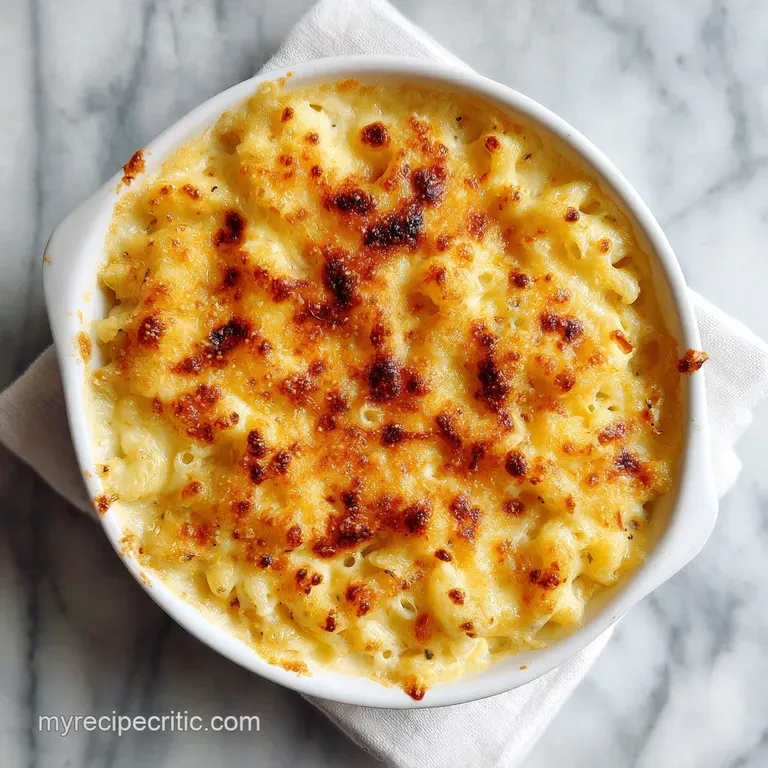
- Time: Active 15 minutes, Passive 30 mins, Total 45 mins
- Flavor/Texture Hook: Sharp cheddar tang with a shatter crisp panko crust
- Perfect for: Stress free Sunday dinners or budget-friendly potlucks
- Master the easy baked macaroni and cheese
- Why This Comfort Dish Always Wins
- The Science of a Silky Sauce
- Essential Tools for a Smooth Bake
- Selecting the Best Budget Friendly Ingredients
- Simple Steps for a Golden Casserole
- Fixing Common Pasta Texture Problems
- Sizing Up the Portions
- Debunking Common Pasta Myths
- Storage and Zero Waste Strategies
- Presentation Tips for a Pro Look
- High in Sodium
- Recipe FAQs
- 📝 Recipe Card
Master the easy baked macaroni and cheese
Ever wondered why the mac and cheese at that one specific soul food spot tastes so much richer than the box stuff? I used to think there was some secret, expensive imported cheese involved. Turns out, the "secret" is actually about the physics of the binder and skipping the stovetop flour thickened sauce entirely.
I remember my first attempt at a baked version; I used pre shredded cheese and ended up with a gritty, oily puddle. It was a disaster, but it taught me everything about why fresh grating matters.
We’re going for that classic, old school custard style here. This isn't just about melting cheese; it’s about creating an emulsion that stays creamy even after 30 minutes in a hot oven.
You’re going to get a interior that is velvety and rich, contrasted by a topping that crackles when you scoop into it. Trust me, once you hear that first crunch against the soft noodles, you won't go back to the blue box.
We've all been there starving, looking for a quick win, and reaching for the powdered stuff. But this easy baked macaroni and cheese is barely more work and the payoff is massive. We're using everyday ingredients to create something that feels like a luxury.
Let's get that oven preheated to 180°C and dive into why this specific method works so well.
Why This Comfort Dish Always Wins
- Protein Scaffolding: The addition of a beaten egg creates a light custard structure that prevents the milk and cheese from separating into a greasy mess.
- Starch Management: Boiling the macaroni in salted water just until "firm to the bite" allows the noodles to finish cooking inside the sauce, soaking up flavor.
- Casein Stability: Using room temperature whole milk ensures that when the cheese melts, the proteins don't seize or become grainy from a thermal shock.
| Method | Prep Time | Texture Result | Best For |
|---|---|---|---|
| Traditional Roux | 25 minutes | Thick, heavy, floury | Stovetop eating |
| Custard Style | 15 minutes | Light, velvety, silky | Baked casseroles |
| One Pot Shortcut | 10 minutes | Starchy, thick | Emergency weeknights |
This comparison shows that the custard method we're using today strikes the perfect balance between speed and a professional grade finish. By choosing the custard style, you save time on making a béchamel while gaining a much more delicate mouthfeel that won't feel heavy or clumpy.
The Science of a Silky Sauce
| Ingredient | Science Role | Pro Secret |
|---|---|---|
| Sharp Cheddar | Flavor & Fat | Use blocks; pre shredded is coated in cellulose which prevents a smooth melt. |
| Large Egg | Emulsifier | Tempered into the milk, it acts as the "glue" that keeps the fats suspended. |
| Gruyère | Melting Point | This cheese has a high oil content and lower melting point for that "stretch." |
Chef Tip: Freeze your block of Gruyère for about 10 mins before grating. It’s a softer cheese, and this slight chill keeps it from turning into mush against the grater.
Essential Tools for a Smooth Bake
You don't need a professional kitchen, but a few basics make this much easier. A sturdy box grater is your best friend here skip the food processor as it can overwork the cheese. You’ll also need a large pot for the pasta and a 9x13 inch baking dish.
A whisk is non negotiable for getting that egg and milk perfectly combined before it hits the noodles.
If you’re a fan of making your own basics, this technique of balancing fats and liquids is very similar to the one used in the Cheese Sauce Ready recipe. Having a good whisk ensures you don't end up with scrambled eggs in your sauce.
Selecting the Best Budget Friendly Ingredients
- 1 lb elbow macaroni: The classic shape. The hollow center acts like a straw to hold the cheese sauce.
- 1 tbsp sea salt: For the pasta water. If the water doesn't taste like the sea, your noodles will be bland.
- 450g sharp cheddar cheese: Freshly shredded. Provides the "bite." Why this? Essential for that classic orange glow and sharp, nostalgic flavor profile.
- 225g Gruyère cheese: Freshly shredded. Why this? It adds a nutty depth that makes the dish taste expensive without the price tag.
- 600ml whole milk: Room temperature. Don't use skim; you need the fat for the emulsion.
- 1 large egg: Beaten. This is your thickener.
- 56g unsalted butter: Melted. This adds a silky sheen to the sauce.
- 0.5 tsp ground nutmeg: This is the "hidden" ingredient that makes people ask for the recipe.
- 0.5 tsp garlic powder: Adds a savory baseline.
- Salt and black pepper: To taste.
- 60g panko bread crumbs: For the ultimate crunch.
- 28g unsalted butter: Melted (for the topping).
- 0.5 tsp smoked paprika: Adds color and a hint of woodsy flavor to the crust.
| Original Ingredient | Substitute | Why It Works |
|---|---|---|
| Gruyère | Swiss Cheese | Similar melting properties and nutty flavor at a lower price point. |
| Panko | Crushed Crackers | Provides a salty, buttery crunch. Note: Will be denser than panko. |
| Whole Milk | Evaporated Milk | Highly concentrated protein; makes the sauce even more stable. |
Simple Steps for a Golden Casserole
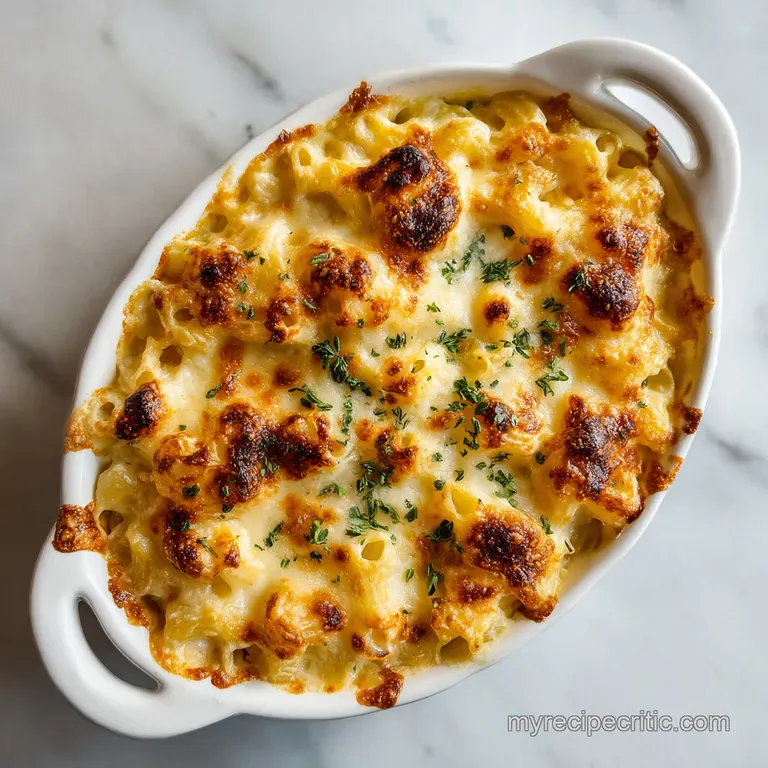
- Preheat your oven to 180°C and grease a 9x13 inch baking dish with butter.
- Boil the 1 lb elbow macaroni in a large pot with 1 tbsp sea salt until just under al dente. Note: They should still have a firm "snap" in the middle as they will soften in the oven.
- Drain the pasta well and return it to the pot. Do not rinse; the surface starch helps the sauce stick.
- Whisk the 600ml whole milk, beaten egg, 56g melted butter, nutmeg, and garlic powder in a bowl until completely homogenous.
- Combine the warm pasta with the milk mixture, 350g of the cheddar, and all of the Gruyère. Stir until the cheese starts to melt.
- Transfer the mixture into your prepared baking dish, spreading it out evenly with a spatula.
- Topping prep: Mix the 60g panko, 28g melted butter, and 0.5 tsp smoked paprika in a small bowl.
- Layer the remaining 100g of cheddar over the pasta, then sprinkle the panko mixture over the top.
- Bake for 30 mins until the edges are bubbling and the top is golden brown.
- Rest the dish for 5 minutes before serving. Note: This allows the custard to set so it doesn't run all over the plate.
Fixing Common Pasta Texture Problems
Why Your Macaroni Is Mushy
If the noodles lose their shape, they were likely overcooked in the initial boiling phase. Remember, the pasta continues to hydrate and cook while submerged in the milk mixture during the 30 minute bake. Always aim for a "firm snap" when testing the noodles before draining.
Why Your Sauce Is Oily
A broken sauce usually happens because of pre shredded cheese or excessive heat. The cellulose on bagged cheese prevents it from bonding with the milk, leading to clumps and oil slicks. If this happens, you can sometimes save it by stirring in a splash of warm milk, but it's hard to fix once baked.
| Problem | Root Cause | Solution |
|---|---|---|
| Grainy Sauce | Heat too high/Acidic cheese | Use room temp milk and fresh grated blocks for stability. |
| Dry Noodles | Too little liquid | Ensure pasta is fully submerged in the milk/egg mixture before baking. |
| Pale Topping | Lack of fat | Toss breadcrumbs thoroughly in melted butter to ensure even browning. |
- ✓ Shred your own cheese from blocks (prevents grittiness)
- ✓ Use room temperature milk to avoid shocking the cheese fats
- ✓ Salt your pasta water aggressively it's the only chance to season the noodle itself
- ✓ Don't skip the resting period; it's vital for the sauce's final set
- ✓ Under cook the pasta by 2 minutes from the package directions
Sizing Up the Portions
If you are cooking for a smaller crowd, you can easily halve this recipe. Use an 8x8 inch square pan and reduce the baking time by about 5 minutes. If you need to use half an egg, just beat it in a small cup first and then pour out half.
For a massive party, you can double the recipe in two separate 9x13 pans. I don't recommend using one giant deep pan, as the center will stay cold while the edges burn. If you enjoy making larger batches of pasta, you might also find the techniques in The Homemade Pasta recipe useful for understanding dough to sauce ratios.
Debunking Common Pasta Myths
Many people believe that you must rinse pasta to stop it from sticking. This is actually a mistake for baked dishes! Rinsing washes away the surface starches that help your cheese sauce cling to the noodles. Keep that starch on the macaroni for a more unified casserole.
Another myth is that you need a roux (flour and butter) for a "real" mac and cheese. While a béchamel is great for stovetop versions, the egg based custard used in this easy baked macaroni and cheese is a traditional Southern method that provides a much cleaner cheese flavor and a lighter, more delicate texture once baked.
Storage and Zero Waste Strategies
- Fridge: Store in an airtight container for up to 4 days.
- Freezer: You can freeze the unbaked casserole for up to 2 months. Bake from frozen at 180°C for 50-60 mins.
- Reheating: To keep it from drying out, add a tablespoon of milk per serving before microwaving or reheating in the oven.
- Zero Waste: If you have leftover panko, toast it with some lemon zest and store it for a salad topper. Any leftover cheese rinds can be tossed into a soup or stock for extra umami.
Presentation Tips for a Pro Look
To get that restaurant quality finish, sprinkle a little extra smoked paprika and some fresh parsley over the top right after it comes out of the oven. Serving it in a cast iron skillet instead of a glass dish also adds a rustic, cozy feel to the table.
If you want a truly impressive spread, serve this alongside a crisp green salad or even a sweet treat like The Classic Scottish recipe for dessert. The contrast between the salty, sharp cheese and a buttery sweet finish is always a winner. Now, grab a fork and get in there while it’s hot!
High in Sodium
965 mg mg of sodium per serving (42% % of daily value)
The American Heart Association recommends limiting sodium intake to about 2,300mg per day for adults.
Tips to Reduce Sodium in Your Mac & Cheese
-
Lower Sodium Cheese-15%
Substitute some of the sharp cheddar (225g) with a lower sodium cheese like mozzarella or Swiss. This will significantly reduce the overall sodium content. Look for cheeses labeled 'low sodium' or 'reduced sodium'.
-
Reduce Added Salt-10%
Eliminate the 1 tbsp of sea salt added to the pasta water and the salt added 'to taste'. The cheese already contributes a significant amount of sodium. Taste the dish before adding any extra salt.
-
Consider low-fat Milk
While not directly impacting sodium, switching to a lower fat milk (2% or 1%) can contribute to a healthier overall dish. This doesn't change the sodium content.
-
Boost Flavor with Herbs
Enhance the flavor profile with fresh herbs like thyme, rosemary, or chives. These additions will complement the cheese and nutmeg, allowing you to further reduce the need for added salt.
-
Fresh Garlic-5%
Substitute fresh garlic for garlic powder. Fresh garlic offers a richer flavor and doesn't contain added sodium often found in garlic powder. Use 1-2 cloves minced.
-
Spice it Up!
Instead of relying on salt for flavor, experiment with other spices like a pinch of cayenne pepper or a dash of hot sauce to add a kick.
-
Optional Egg Reduction
Consider reducing the amount of egg to cut back on cholesterol and fat. This does not affect sodium.
Recipe FAQs
What's the secret to good baked mac and cheese?
The secret is avoiding the traditional flour roux. This recipe uses a simple egg and milk custard binder which creates a velvety interior that remains creamy and prevents separation during baking.
How to make mac and cheese easy and simple?
Skip grating cheese beforehand and only boil the pasta until just under al dente. By using room temperature milk and mixing everything directly in the warm pasta pot, you minimize dishes and speed up the process significantly.
Should I boil mac and cheese before baking?
Yes, but only partially. Boil the macaroni until it has a firm snap, about 2 minutes less than the package directs, because it finishes cooking and absorbs sauce while baking.
What are the three best cheeses for baked mac and cheese?
The best combination is Sharp Cheddar, Gruyère, and Monterey Jack or Fontina. Sharp Cheddar provides the signature tang, Gruyère adds nuttiness and superior melt, and the third cheese balances texture; if you love controlling texture, mastering emulsion here is similar to our The NoFuss AllFlavour recipe.
Is it true that I must use block cheese instead of pre-shredded?
Yes, this is crucial for texture. Pre-shredded cheese is coated in cellulose or potato starch to prevent clumping in the bag, which prevents it from melting smoothly into your sauce.
How to ensure the baked crust is crunchy and not soggy?
Toss Panko breadcrumbs generously in melted butter before sprinkling them on top. You must also bake the casserole until the edges are actively bubbling to dry out the top layer during the final moments.
Can I prepare the mac and cheese ahead of time?
Yes, assembly can be done a day ahead. Cover the unbaked casserole tightly and refrigerate; increase the baking time by 10 15 minutes if baking directly from the fridge.
Easy Baked Mac And Cheese
Ingredients:
Instructions:
Nutrition Facts:
| Calories | 947 calories |
|---|---|
| Protein | 43.7 g |
| Fat | 51.7 g |
| Carbs | 68.7 g |
| Fiber | 2.8 g |
| Sugar | 6.2 g |
| Sodium | 965 mg |
