Homemade Dr Pepper Bbq Sauce
- Effort/Time: 30 minutes total (High-reward / Low-maintenance)
- Flavor Hook: Deep cherry-vanilla undertones with a creeping cayenne heat
- Perfect for: Slow-smoked brisket, wood-fired ribs, or charred chicken thighs
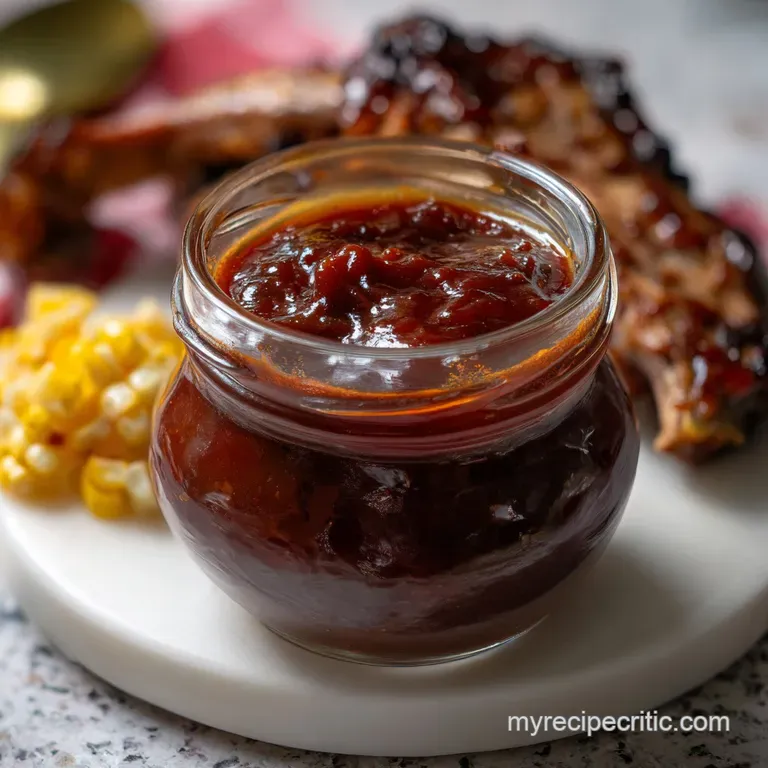
- Capturing the Deep Mahogany Glow of Smoky Homemade Dr Pepper BBQ Sauce
- The Thermodynamics of Sugar Concentration and Flavor Layering Techniques
- Thermal Mass and Reduction Rates: Stovetop vs Oven Methodologies
- The Alchemy of Umami: Selecting Your Elemental Flavor Compounds
- Precision Culinary Instruments for Achieving a Velvety Emulsion Stability
- The Atomic Protocol for Reducing and Thickening Your Sauce
- Correcting Emulsion Breakdowns and Texture Failures in Your Reductions
- Flavor Architecture: Adapting the Profile for Diverse Protein Pairings
- ⚗️ The Scaling Lab: The Physics of Quantity
- Preservation Protocols and Zero Waste Strategies for Remaining Sauce
- The Smoke-Kissed Finish: Integrating Sauce with Fire-Roasted Proteins
- Recipe FAQs
- 📝 Recipe Card
Capturing the Deep Mahogany Glow of Smoky Homemade Dr Pepper BBQ Sauce
There is nothing more gut-wrenching than pulling a 5 kilogram wood fired brisket off the smoker, only to have a thin, watery glaze slide right off the bark and pool sadly on the cutting board. You've spent hours managing charcoal and wood chunks, yet the final layer lacks the structural integrity to hold onto the meat.
I’ve lived through that technical failure more times than I care to admit, usually resulting in a dry, flavorless exterior that ruins a massive financial investment in high-quality beef. Mastering this dr pepper bbq sauce changes that outcome entirely.
I once destroyed a batch of sauce by trying to rush the reduction on high heat, which scorched the sugars in the ketchup and turned the entire pot into a bitter, blackened mess. I thought I could outrun the physics of caramelization by just stirring faster, but the Maillard reaction doesn't negotiate with impatient cooks.
It was a humbling lesson in thermal management: you cannot force the evaporation of water without respecting the delicate burn point of the fructose found in the soda. This specific application of the soda is what makes this dr pepper bbq sauce recipe so robust.
The secret to a world class dr pepper bbq sauce isn't just dumping ingredients into a pot; it’s the scientific process of reducing the 20 fl oz (590 ml) of Dr Pepper until the water molecules evaporate, leaving behind a concentrated syrup of prune, vanilla, and cherry.
This creates an osmotic pressure that allows the sauce to penetrate the outer layers of the meat rather than just sitting on top. When you hit that velvety, coat the-back-of-a-spoon consistency, the sauce provides a shattering, glass like finish under a broiler that echoes the best smokehouse traditions.
Developing the right viscosity for this dr pepper bbq sauce is key.
The Thermodynamics of Sugar Concentration and Flavor Layering Techniques
- High Brix Reduction: Evaporating the water in the soda concentrates the sugar (Brix levels), creating a viscous base that naturally emulsifies with the tomato solids in the ketchup.
- Acetic Acid Volatilization: Simmering the 0.5 cup (120 ml) of Apple Cider Vinegar mellows the harsh pungent notes while retaining the pH necessary to cut through the heavy fat of smoked meats.
- Maillard Enhancement: The dark brown sugar reacts with the proteins in the Worcestershire sauce under heat, deepening the mahogany color and adding complex savory sweet layers. The combination of these elements is what defines a great dr pepper bbq sauce.
- Suspension Stability: Using garlic and onion powder instead of fresh aromatics ensures a smooth, non-clumpy texture that won't burn or "fleck" when exposed to the high heat of a broiler.
Thermal Mass and Reduction Rates: Stovetop vs Oven Methodologies
| Feature | Stovetop Reduction | Oven Concentration |
|---|---|---|
| Heat Distribution | Bottom-up; requires constant agitation to prevent scorching | Ambient; surrounds the pot for even evaporation |
| Time Efficiency | Faster (25 minutes) due to direct thermal contact | Slower (45 minutes) but more hands off |
| Flavor Profile | Brighter, more pronounced vinegar notes in this style of dr pepper bbq sauce | Deeper, more caramelized and "jammy" finish |
The Alchemy of Umami: Selecting Your Elemental Flavor Compounds
Ingredient Chemistry Breakdown
| Ingredient | Chemical/Physical Role (Science) | The Pro Secret (Why This Matters) |
|---|---|---|
| Dr Pepper (20 fl oz) | Complex sugar reduction & phosphoric acid | Provides 23 flavor compounds that act as a pre-made spice bouquet. |
| Tomato Ketchup (1.5 cups) | Lycopene rich base & pectin thickener | Acts as the primary emulsifier, holding the liquid and spices in a stable suspension. |
| Apple Cider Vinegar (0.5 cup) | pH regulator & protein tenderizer | Essential for breaking down surface fibers on meat to allow flavor penetration. |
| Worcestershire Sauce (2 tbsp) | Fermented umami & anchovy derived proteins | Adds a savory "bass note" that prevents the sauce from feeling cloyingly sweet. |
- 20 fl oz Dr Pepper (Regular): Why this? Provides the essential sugar-to-water ratio needed for a stable, syrupy reduction in your dr pepper bbq sauce.
- 1.5 cups Tomato Ketchup: I recommend Heinz Tomato Ketchup for its consistent high solids content which prevents the sauce from breaking.
- 0.5 cup Apple Cider Vinegar: Use Bragg Organic Apple Cider Vinegar to maintain a bright, fermented finish.
- 2 tbsp Worcestershire Sauce: Why this? The fermented tamarind and molasses provide the "dark" flavor profile that complements the soda.
- 0.25 cup Dark Brown Sugar, packed: Use C&H Dark Brown Sugar for the higher molasses content compared to light brown sugar.
- 1 tsp Smoked Paprika: Why this? Provides the "smoke kissed" illusion even if you aren't using a wood fired smoker.
- 1 tsp Garlic Powder: Why this? Offers immediate flavor dispersion without the risk of burning fresh cloves.
- 1 tsp Onion Powder: Essential for rounding out the savory profile.
- 0.5 tsp Ground Black Pepper: Adds a sharp, pungent heat.
- 0.25 tsp Cayenne Pepper: Why this? Capsaicin provides a back-of-the-throat kick to balance the high sugar content.
Precision Culinary Instruments for Achieving a Velvety Emulsion Stability
To execute this dr pepper bbq sauce with masterclass precision, you need a Lodge 3 quart Enamel Cast Iron Dutch Oven. The heavy bottom is non-negotiable; thin stainless steel pots create "hot spots" that will scorch your sugar before the reduction is complete.
You’ll also want a ball end whisk to reach the corners of the pot, ensuring no spices clump during the initial emulsification. For checking the final viscosity, use a cold metal spoon this allows you to see how the sauce sets at room temperature instantly.
If you're serious about the "smoke kissed" aspect, having a Weber Applewood chunk nearby to smell while you cook helps you calibrate the smokiness of the paprika.
The Atomic Protocol for Reducing and Thickening Your Sauce
- Pour the 20 fl oz Dr Pepper into your Lodge Dutch Oven over medium high heat.
- Boil the soda for 10 minutes until the volume reduces by half and the bubbles become large and "lazy."Note: This concentrates the sugars to create a syrup base.
- Whisk in 1.5 cups of Heinz Ketchup. Note: The pectin in the ketchup begins to bind with the soda syrup.
- Add 0.5 cup Apple Cider Vinegar, 2 tbsp Worcestershire, and 0.25 cup Dark Brown Sugar.
- Incorporate the smoked paprika, garlic powder, onion powder, black pepper, and cayenne. The goal here is to fully integrate all dry components into the nascent dr pepper bbq sauce.
- Reduce heat to low until the surface barely ripples and small bubbles form at the edges.
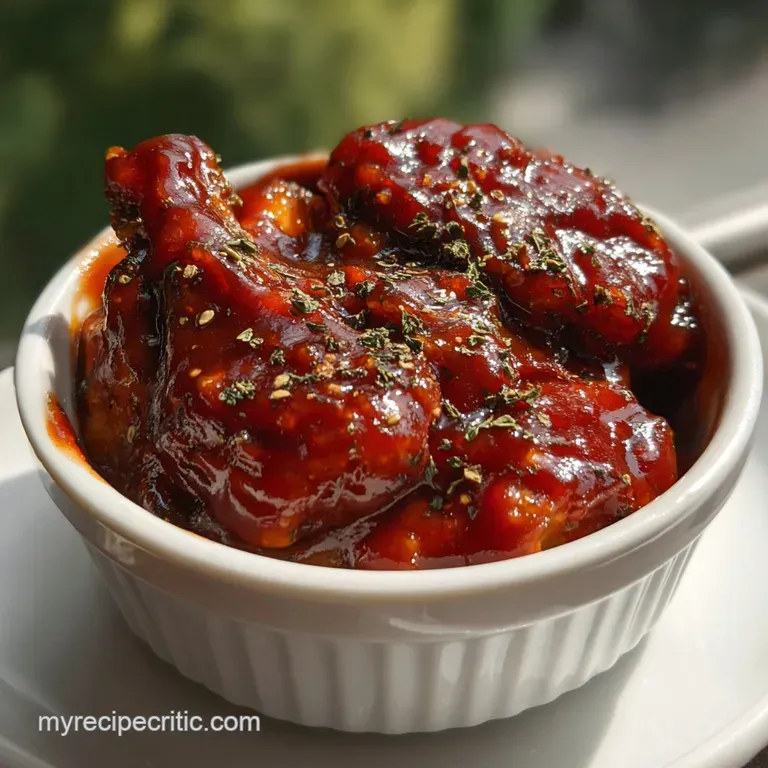
- Simmer for 15 minutes until the sauce thickens and turns a deep, glossy mahogany.
- Swipe a finger across the back of a coated spoon until the path remains clear without the sauce running back.
- Remove from heat until the hissing subsides and the steam clears.
- Cool for 20 minutes until the texture shifts from liquid to a velvety, spreadable glaze.
Chef's Tip: If you want to deepen the color further, place the sauce coated meat under a broiler for 2 minutes at the very end. The high heat will trigger a rapid Maillard reaction, turning the glaze into a tacky, professional grade bark. This technique is similar to how we finish the glaze in our Alabama White Sauce recipe, though the sugar content here makes it much more reactive to heat.
Correcting Emulsion Breakdowns and Texture Failures in Your Reductions
Why Your BBQ Sauce Separates
If you see a ring of oil or water at the edge of your sauce, your emulsion has broken. This usually happens because the heat was too high, causing the vinegar and water to evaporate faster than the sugars and solids could bind.
When the ratio of liquid to solid is off, the pectin in the ketchup can no longer hold the suspension together, leading to a grainy or oily texture, ruining an otherwise perfect batch of dr pepper bbq sauce.
| Problem | Root Cause | The Fix | Pro Protocol |
|---|---|---|---|
| Sauce is too thin | Inadequate reduction time | Simmer for 5 more minutes | Use the "plate test" (chill a plate, drop sauce on it). |
| Grainy texture | Spices didn't hydrate | Whisk vigorously while hot | Sift powders before adding to prevent clumping. |
| Scorched taste | Bottom heat too high | Transfer to new pot; do not scrape bottom | Add a teaspoon of molasses to mask light bitterness. |
Flavor Architecture: Adapting the Profile for Diverse Protein Pairings
Substitution Table
| Original Ingredient | Substitute | Why It Works |
|---|---|---|
| Dark Brown Sugar (0.25 cup) | Pure Maple Syrup (0.25 cup) | Similar sugar density but adds a woody, autumnal flavor profile. |
| Apple Cider Vinegar (0.5 cup) | White Wine Vinegar | Same pH level but offers a cleaner, less "fruity" acidity. |
| Smoked Paprika (1 tsp) | Chipotle Powder (0.5 tsp) | Adds more significant heat and a deeper, earthier smokiness. |
If you are looking for a completely different flavor profile for a weeknight dinner, you might enjoy the tangy, herb heavy notes found in a Caesar Salad Sauce recipe, which relies on fat-based emulsification rather than sugar reduction. For those who prefer Mediterranean flavors, the lemon garlic profile of a Chicken Gyros recipe offers a bright contrast to this heavy, dark dr pepper bbq sauce.
⚗️ The Scaling Lab: The Physics of Quantity
When you decide to double this homemade dr pepper bbq sauce for a large gathering, you must account for the Evaporation Paradox. If you use the same diameter pot but double the liquid (40 fl oz of soda), the surface area remains identical.
This means the water molecules have the same "exit door," but twice as many molecules need to leave.
- Scaling Rule: Increase the initial soda reduction time by 60% rather than 100%.
- Liquid Adjustment: Reduce the added Apple Cider Vinegar by 10% in a double batch to prevent the sauce from becoming overly sharp, as the total volume of liquid will take longer to reach the desired viscosity.
- The Square Cube Law: A larger mass of sauce retains heat longer. Pull the pot off the stove when it is slightly thinner than your goal, as carry over evaporation will continue for up to 10 minutes in a large Dutch oven.
Preservation Protocols and Zero Waste Strategies for Remaining Sauce
- Storage
- This sauce thrives in the fridge for up to 2 weeks when stored in a glass Mason jar. The glass is non-reactive, which is vital given the vinegar content.
- Freezing
- You can freeze this sauce for 3 months. I recommend using silicone ice cube trays to freeze 2 tablespoon portions. Once solid, transfer to a freezer bag. This allows you to grab exactly what you need for a single serving of pulled pork.
- Reheating
- Always reheat on low power in the microwave or in a small saucepan over low heat. If it has thickened too much in the fridge, whisk in 1 teaspoon of water or more Dr Pepper to restore the velvety emulsion.
💡 ZERO WASTE PHILOSOPHY: Don't discard the "dregs" at the bottom of the pot. Transform: Add a splash of bourbon or beef stock to the nearly empty pot and whisk over heat.
Science: The remaining sugars and spices act as a concentrated "glace," creating a perfect pan sauce for a steak or roasted vegetables. This trick ensures you utilize every flavorful bit of your hard work on the dr pepper bbq sauce.
The Smoke Kissed Finish: Integrating Sauce with Fire Roasted Proteins
Decision Shortcut: How to Use Your Sauce
- If you want a sticky glaze: Brush on the meat during the last 15 minutes of cooking. The sugars will caramelize but won't burn.
- If you want a dipping sauce: Serve at room temperature. The flavors are more distinct when not piping hot.
- If you want a marinade: Mix 0.5 cup of this sauce with 0.25 cup of olive oil to increase the fat content, allowing it to penetrate chicken breasts more effectively.
Myth: You should marinate meat in BBQ sauce overnight. Truth: The high sugar content in dr pepper bbq sauce can actually "cure" the surface of the meat, making it tough.
It’s better to use a dry rub first, then apply the sauce during the final stages of cooking to preserve the texture.
Myth: Diet Dr Pepper works the same as regular. Truth: Artificial sweeteners like aspartame break down under high heat and do not have the molecular structure to create a thick reduction. Your sauce will remain watery and may develop a chemical aftertaste.
Always use the regular, full sugar version for the proper physical results when making your dr pepper bbq sauce.
Whether you are slathering this on a rack of ribs or using it as a bold dip for smoked wings, this dr pepper bbq sauce represents the intersection of soda fountain nostalgia and serious pitmaster technique.
The contrast of the bright apple cider vinegar against the rich, dark fruit notes of the soda creates a flavor map that is both complex and deeply satisfying. Trust the reduction process it’s the difference between a mediocre condiment and a masterclass glaze when preparing this amazing dr pepper bbq sauce.
Recipe FAQs
What is the primary purpose of reducing the Dr Pepper?
Concentrating the 23 signature flavors and sugars. This evaporation process removes water, creating a high Brix syrup base essential for the sauce’s thick, clingy viscosity.
Can I substitute brown sugar for maple syrup?
Dark brown sugar is preferred for color stability. Maple syrup carries a stronger, distinct woody flavor that competes with the soda’s profile. If you enjoyed controlling the sweetness balance here, see how that skill transfers to our The Best 10Minute Pantry Raid BBQ Sauce Recipe for different ratios.
Why does my sauce taste bitter or burnt?
Heat was too high, scorching the concentrated sugars. Caramelization happens quickly once the water evaporates, shifting quickly from deep mahogany to bitter carbonization.
- Use a heavy bottomed pot
- Stir constantly during the last 5 minutes
- Reduce heat immediately after initial boil
Can this sauce be used as a marinade?
Yes, but only for short periods before grilling. High sugar content can inhibit protein browning and potentially lead to a dry exterior if left overnight, similar to the sugar burn issue found when making a quick The Best Homemade Garlic Aioli Sauce Recipe Foolproof Creamy.
Should I use fresh or dried aromatics like garlic and onion?
Use powdered aromatics for a smooth final texture. Fresh aromatics introduce excess water content and can burn during the long reduction, leading to flecks in the final glaze.
Is there a difference between using Diet Dr Pepper vs. regular?
Myth: Diet Dr Pepper works the same as regular. Reality: Artificial sweeteners like aspartame break down under high heat and lack the necessary sugar polymers to form a stable, thick reduction.
What temperature is best for application onto smoked meat?
Apply just before the final 10-15 minutes of cooking time. Applying too early guarantees the sugars will burn before the meat is fully rendered, creating a hard shell instead of a sticky bark.
Dr Pepper Bbq Sauce Recipe
Ingredients:
Instructions:
Nutrition Facts:
| Calories | 60 kcal |
|---|---|
| Protein | 0.4 g |
| Fat | 0.1 g |
| Carbs | 15 g |
| Fiber | 0.2 g |
| Sugar | 14 g |
| Sodium | 281 mg |
