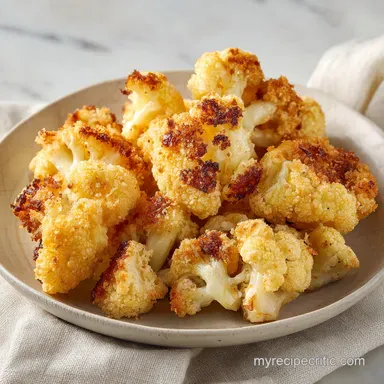
Crispy Parmesan Roasted Cauliflower: Shattering Crust
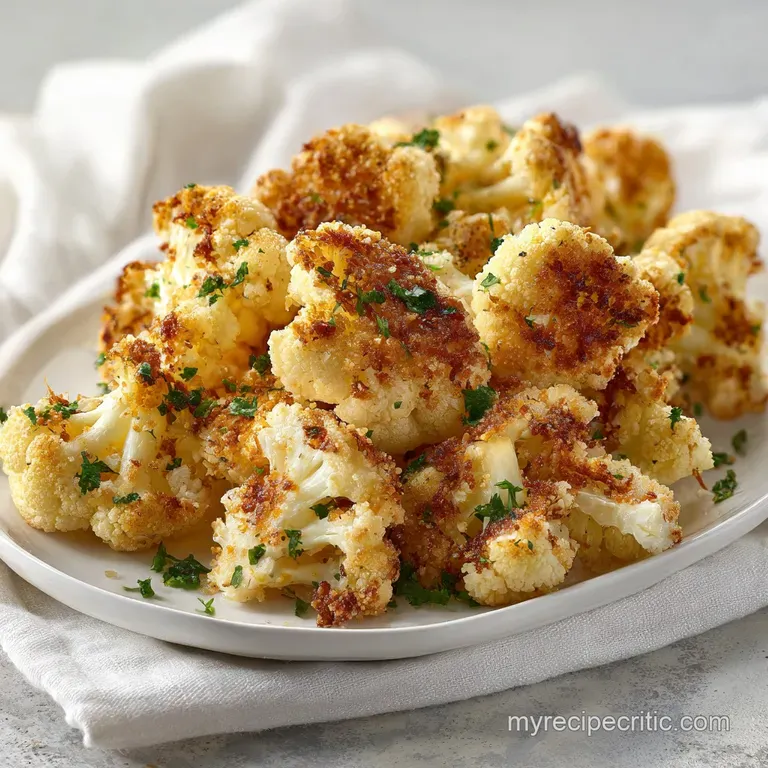
- Time: 10 min active + 25 min roasting = Total 35 mins
- Flavor/Texture Hook: Nutty, salty crust with a tender, roasted core
- Perfect for: Quick weeknight sides or a low carb party snack
Crispy Parmesan Roasted Cauliflower Recipe
The first thing you'll notice is that scent. As the cauliflower hits the oven, the Parmesan starts to toast, filling the kitchen with a nutty, savory aroma that makes you want to eat it straight off the pan. I remember the first time I tried roasting this, I just tossed everything in a bowl and hoped for the best.
The result? Soggy, pale florets that tasted more like steamed vegetables than a treat. It was a total letdown.
Then I realized the secret is all in the moisture control. The moment you stop the cauliflower from steaming itself in the oven, everything changes. I started treating the prep like a mission, drying every single floret until it was bone dry.
That simple shift turned a bland side into something with a mahogany crust that actually has a crunch.
This crispy parmesan roasted cauliflower recipe is all about that contrast. You get the shatter of the toasted cheese on the outside and a velvety, tender center. It's the kind of dish that makes people forget they're eating a vegetable.
Right then, let's get into how to make this actually work in your kitchen without the sogginess.
The Secret to Maximum Crunch
I used to think more oil meant more crisp, but it's actually the opposite. Too much oil just fries the cheese into a grease puddle. Here is why this specific method delivers the results we want:
Surface Dryness: Water is the enemy of browning. By removing all surface moisture, the oven heat immediately starts evaporating the internal water and browning the edges instead of steaming them.
Fat to Cheese Ratio: The oil acts as the glue, but the Parmesan provides the structure. The cheese melts, then dehydrates, creating a rigid, savory shell around the floret.
Over High heat Venting: Roasting at 220°C (425°F) ensures the exterior toasts quickly before the interior overcooks. Leaving space between the pieces allows hot air to circulate, which is how we get those crispy edges.
Spice Integration: Mixing the spices with the cheese instead of the oil ensures they don't burn. The cheese protects the garlic powder and paprika from the direct heat, keeping the flavor bright.
| Method | Time | Texture | Best For |
|---|---|---|---|
| Classic Oven | 25 mins | Evenly browned, nutty | Large batches, dinner parties |
| Air Fryer | 15 mins | Extra shatter, charred | Quick snacks, 1-2 people |
Essential Component Analysis
I've found that the quality of your cheese makes or breaks this. Please, don't use the stuff from a green shaker can. It contains cellulose and anti clumping agents that prevent it from melting and browning properly. Freshly grated Parmesan is the hero here.
| Ingredient | Science Role | Pro Secret |
|---|---|---|
| Fresh Parmesan | Structural Crust | Grate it yourself for a better melt |
| Extra Virgin Olive Oil | Heat Conductor | Use a high-quality oil for a fruity base |
| Smoked Paprika | Color & Depth | Adds a "grilled" flavor without a grill |
| Garlic Powder | Savory Base | More consistent than fresh garlic, which burns |
Pantry Staples and Swaps
When you're in the middle of cooking, you realize you're out of one thing. It happens. Most of these can be swapped, but keep in mind that some will change the final vibe of the dish.
- 450g (1 lb) cauliflower head, cut into bite sized florets Why this? Uniform size ensures they all finish cooking at once
- 45ml (3 tbsp) extra virgin olive oil Why this? High enough smoke point for 220°C
- 50g (1/2 cup) Parmesan cheese, freshly grated Why this? High protein/fat ratio for a crisp crust
- 3g (1 tsp) garlic powder Why this? Distributes flavor evenly without burning
- 3g (1/2 tsp) smoked paprika Why this? Gives that mahogany color and smoky aroma
- 3g (1/2 tsp) kosher salt Why this? Coarser grains don't oversalt the surface
- 1g (1/4 tsp) cracked black pepper Why this? Adds a sharp bite to balance the rich cheese
| Original Ingredient | Substitute | Why It Works |
|---|---|---|
| Parmesan (50g) | Pecorino Romano (50g) | Similar hard cheese properties. Note: Much saltier, so reduce added salt |
| Olive Oil (45ml) | Avocado Oil (45ml) | Higher smoke point. Note: Neutral flavor, loses the olive fruitiness |
| Smoked Paprika (3g) | Sweet Paprika (3g) | Same color. Note: Loses the wood smoked depth |
Trust me on this, if you're using a substitute for the cheese, just make sure it's a hard, aged cheese. Soft cheeses will just melt into a gooey mess and you'll lose that signature shatter.
The Cooking Process
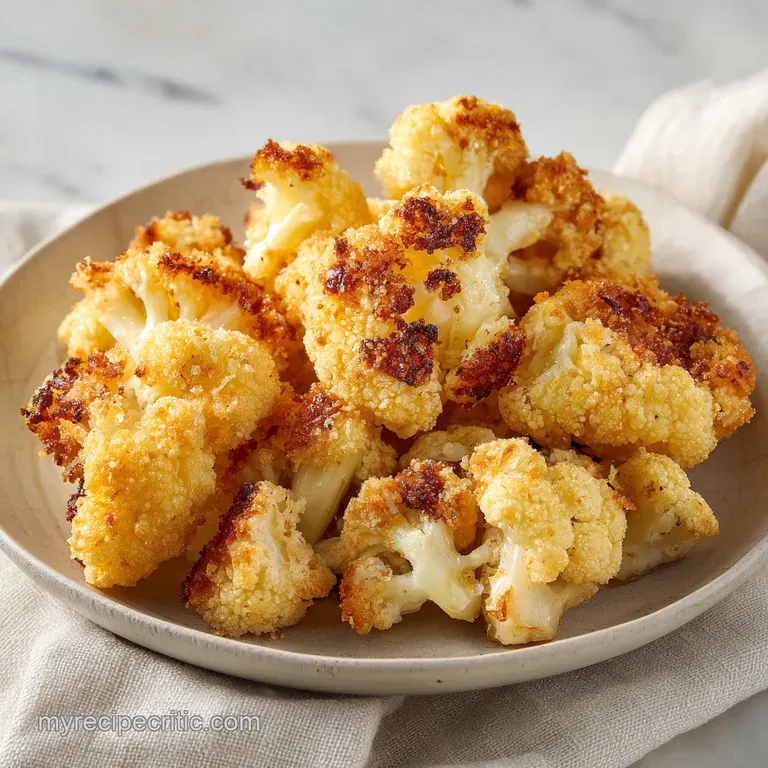
Let's crack on. The goal here is minimal tool use and maximum flavor. You just need a bowl, a baking sheet, and your oven.
Phase 1: Preparing the Florets
- Wash the cauliflower and dry it thoroughly using a paper towel. Note: Removing excess moisture helps achieve that sought after crispiness, according to popular cauliflower recipes.
- Cut the head into uniform, bite sized florets. until they are all roughly the same size to ensure even roasting.
Phase 2: Coating for Maximum Crunch
- Toss the cauliflower florets in a large mixing bowl with the olive oil. until every nook and cranny is glossy.
- Mix the Parmesan, garlic powder, smoked paprika, salt, and pepper in a small ramekin. Note: Mixing spices first prevents "clumps" of salt on a few pieces.
- Sprinkle the cheese mixture over the oiled florets and toss vigorously. until the cheese clings to the veg.
Phase 3: Roasting to Perfection
- Preheat your oven to 220°C (425°F).
- Spread the florets in a single layer on a parchment lined baking sheet. until there is at least an inch of space between them for airflow.
- Roast for 20-25 minutes. until the edges are mahogany colored and the cheese is toasted.
- Flip the florets halfway through the cooking time. Note: This ensures the bottom doesn't stay soggy while the top browns.
Fixing Common Texture Issues
The most common complaint with this crispy parmesan roasted cauliflower recipe is that it comes out "mushy". This almost always happens because of overcrowding. If the florets are touching, they release steam, and that steam cooks the vegetable instead of roasting it. It's essentially like boiling them in the oven.
If Your Cauliflower is Mushy
This usually means there was too much moisture or not enough airflow. If you're using a small baking sheet, use two instead of one. Make sure you aren't using a deep roasting pan, as the walls trap steam.
If the Cheese Burnt
This happens if your oven runs hot or if the florets were too small. If you notice the cheese darkening too quickly, lower the temperature to 200°C (400°C) for the remaining time.
If the Center is Raw
This occurs when the florets are cut too large. Aim for pieces about 1 inch (2.5 cm) in diameter.
| Problem | Root Cause | Solution |
|---|---|---|
| Soggy texture | Overcrowded pan | Use two baking sheets to increase airflow |
| Burnt cheese | Oven temp too high | Lower heat to 200°C (400°F) |
| Bland flavor | Not enough salt/oil | Ensure florets are fully coated before roasting |
Quick Texture Checklist:
- ✓ Florets are bone dry before oiling
- ✓ No pieces are touching on the pan
- ✓ Oven is fully preheated to 220°C (425°F)
- ✓ Cheese is freshly grated, not pre shredded
- ✓ Florets were flipped at the 12 minute mark
Ways to Change Flavors
Once you've got the base down, you can really play around with the seasonings. Since we're using spices to add flavor, we can actually reduce hypertension risk by cutting back on the salt and leaning into the herbs.
For a Spicy Kick
Add 1/2 tsp of cayenne pepper or red chili flakes to the cheese mixture. The heat pairs brilliantly with the salty Parmesan.
For a Zesty Twist
Squeeze half a fresh lemon over the cauliflower the second it comes out of the oven. The acid cuts through the richness of the cheese.
For a Vegan Alternative
Swap the Parmesan for nutritional yeast and a pinch of extra salt. It won't "shatter" exactly the same way, but it provides a similar nutty, cheesy flavor.
If you love this but want something more indulgent, my cauliflower cheese recipe is a great alternative for those nights when you want comfort food. For something similar with a different veg, try these parmesan zucchini bites.
Saving and Reheating Tips
Roasted cauliflower is great fresh, but it does lose some of that crunch over time. The moisture from the center of the vegetable slowly migrates to the crust.
Storage Guidelines: Keep leftovers in an airtight container in the refrigerator for up to 4 days. I don't recommend freezing these, as the texture becomes spongy and the cheese separates from the vegetable upon thawing.
Reheating for Crunch: Do not use the microwave. It will turn your crispy bits into rubber. Instead, pop them back into the oven at 200°C (400°F) for 5-8 minutes, or toss them in an air fryer for 3-5 minutes.
This brings back that shatter we worked so hard for.
Zero Waste Tips: Don't throw away the cauliflower core! Peel the tough outer layer of the stem, slice it into thin rounds, and toss them in the same cheese mixture. They roast just like the florets and are often the sweetest part of the vegetable.
Ideal Side Dish Pairings
Because this dish is so salty and rich, it needs a partner that is either bright and acidic or lean and protein heavy.
The Lean Protein Route: This is a fantastic companion for grilled lemon chicken or a seared salmon fillet. The nutty Parmesan notes complement the char of grilled meats without overpowering them.
The Fresh Balance: Pair it with a crisp arugula salad tossed in a simple balsamic vinaigrette. The bitterness of the greens and the tang of the vinegar balance the heaviness of the cheese.
The Party Platter: If you're serving this as an appetizer, put a small bowl of garlic aioli or a sriracha mayo dip in the center of the plate. The creamy dip against the crispy cauliflower is a winner every time.
If you're curious about why roasting is one of the best cooking methods for vegetables, check out this interesting article on cooking techniques. It really explains how high heat transforms the sugars in vegetables.
Recipe FAQs
Why is my roasted cauliflower soggy instead of crispy?
You likely didn't dry the florets enough. Any moisture remaining on the surface turns into steam in the oven, which prevents the Parmesan crust from crisping.
Is it true I can use pre-shredded Parmesan cheese?
No, this is a common misconception. Pre-shredded cheeses contain anti clumping agents that prevent the cheese from melting and browning properly.
How to avoid the cauliflower steaming on the baking sheet?
Spread the florets in a single layer with space between each piece. Overcrowding the pan traps moisture, which leads to soft vegetables rather than a roasted crust.
Can I roast these at a lower temperature like 350°F?
No, stick with 425°F. High heat is required to evaporate surface moisture quickly and toast the cheese before the cauliflower becomes mushy.
Can I use this seasoning blend on other vegetables?
Yes, it works perfectly on broccoli or Brussels sprouts. If you enjoyed the roasted flavor here, see how the same principle works in our balsamic chicken and veggies.
How to reheat leftover cauliflower to keep it crispy?
Place the leftovers in the oven or air fryer at 400°F for 5 minutes. Avoid the microwave, as it will make the cheese soft and the vegetable soggy.
Do I really need to flip the florets halfway through?
Yes, flipping is necessary. This ensures all sides of the cauliflower make contact with the hot pan for a consistent mahogany colored crust.
Crispy Parmesan Roasted Cauliflower