The Reuben Anchor Classic Delistyle Caraway Rye Bread
- Beyond the Supermarket: Defining True Deli Rye Flavor
- The Secret to Sandwich Supremacy: Mastering DeliStyle Rye Bread
- Assembling the Arsenal: Specialized Ingredients and Essential Gear
- The Baker's Journey: Step-by-Step Proofing and Shaping Techniques
- Achieving the Crumb: Critical Steps for Baking DeliStyle Rye Bread
- Beyond the Bake: Troubleshooting, Storage, and Serving
- Recipe FAQs
- 📝 Recipe Card
Beyond the Supermarket: Defining True Deli Rye Flavor
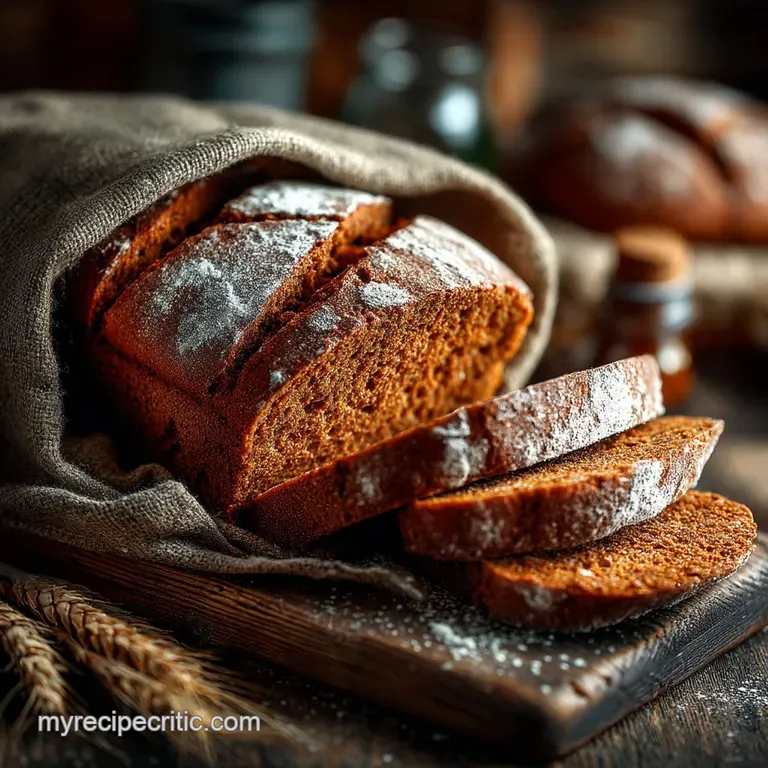
When we talk about DeliStyle Rye Bread , we aren't discussing the airy, pre-sliced supermarket loaves often dyed brown to imitate depth. We are speaking of the Classic Deli Rye Loaf : a substantial, aromatic masterpiece that is the structural anchor of any great sandwich.
This is bread born of the Jewish culinary tradition, characterized by a tight, complex crumb structure, a deep mahogany colour often attributed to the use of molasses, and a distinct, lingering tang.
The crust must be robust crackling and chewy, capable of standing up to copious amounts of filling without dissolving. Achieving this specific texture and flavour profile requires understanding the unique properties of rye flour and employing several strategic baking techniques that elevate this from a simple loaf to an Authentic Rye Bread Recipe .
The Secret to Sandwich Supremacy: Mastering DeliStyle Rye Bread
The essence of a superior Deli Style Rye Bread Recipe lies in balancing three core components: sourness, sweetness, and spice. Skip any of these elements, and the bread falls flat.
It is the perfect marriage of these contrasting tastes that makes this the Best Sandwich Bread Recipe available, giving it the necessary depth to cut through rich fillings like pastrami and Russian dressing.
Sourdough Tang in a Hurry: The Vinegar Cheat
Traditionally, that signature sharp flavour in Jewish Deli Style Rye Bread Recipe comes from an extended sourdough fermentation process. For the home baker looking for efficiency, we employ a clever cheat: acid supplementation.
By incorporating just one tablespoon of cider vinegar into the liquid mixture, we chemically introduce the lactic and acetic notes that define the deli tang. This accelerates the process dramatically, allowing the instant yeast to perform its primary leavening function while the acid simultaneously develops the characteristic sourness.
The Magic of Molasses: Color, Moisture, and Depth
Blackstrap molasses is non-negotiable for achieving that deep, rich colour and contributing to the incredible texture of the final loaf. Beyond the visual appeal, the molasses acts as a natural humectant, meaning it holds moisture incredibly well.
This ensures that your Homemade Deli Rye Bread remains tender and soft for days, while also imparting a subtle, deep sweetness and earthy flavour complexity that distinguishes it from paler European rye varieties. We use one tablespoon to achieve this rich depth without overwhelming the spice.
The Essential Role of Caraway Seeds (The Flavor Engine)
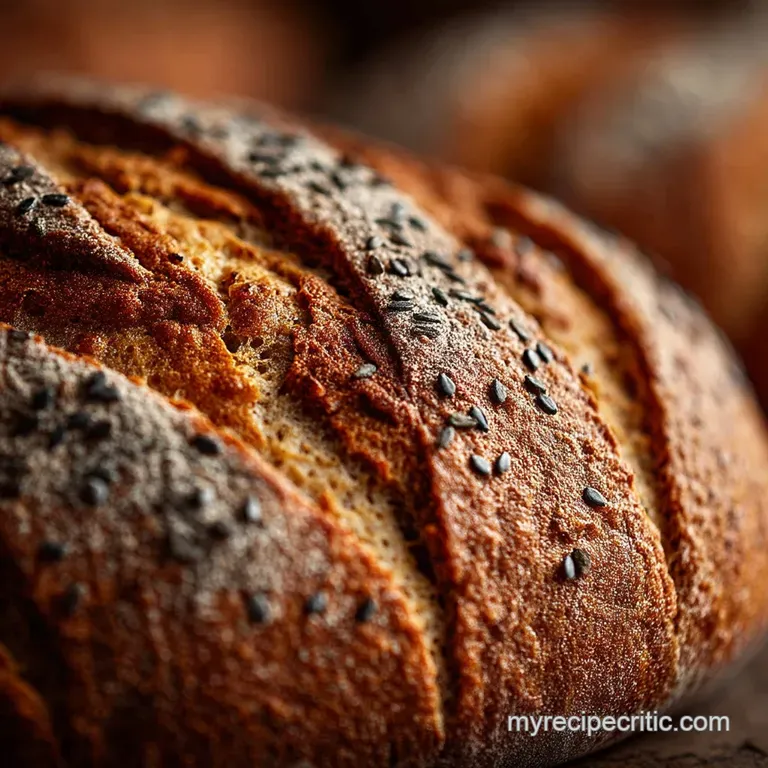
The caraway seed is arguably the most recognizable flavour component of this Artisan Rye Bread . Used whole, the essential oils in the seeds release a pungent, anise like aroma that complements the tang of the rye flour perfectly.
For a truly authentic experience, one full tablespoon of whole caraway seeds must be incorporated directly into the dough during the mixing stage. If you prefer a more intense, potent spice note, consider using up to 1.5 tablespoons, ensuring the flavour shines through even the heartiest of deli fillings.
Assembling the Arsenal: Specialized Ingredients and Essential Gear
Before tackling How to Make Rye Bread , understanding the specific role of each ingredient and piece of equipment is crucial, as this high hydration dough behaves differently than standard wheat loaves.
The Grain Ratio: Why Medium Rye Flour is Non-Negotiable
A successful rye loaf depends heavily on the ratio between the rye flour and high protein bread flour. Because rye flour lacks the strong gluten forming proteins found in wheat, relying on it entirely would result in a dense, brick like loaf.
This recipe uses 210 grams of high protein bread flour to provide the necessary structure and lift, balanced with 180 grams of dark or medium rye flour for optimal flavour. This combination yields a loaf that is dense and sturdy yet remains tender and slightly airy, perfectly befitting the DeliStyle Rye Bread standard.
Temperature Matters: Activating Yeast with Precision
Yeast activation is the engine of the rise, and it is highly sensitive to temperature fluctuations. The 300 milliliters of water used must be lukewarm, specifically maintained between 95°F and 105°F (35°C and 40°C).
Water that is too cold will cause slow, lethargic fermentation, while water that is too hot will instantly kill the yeast, halting the rise entirely. Using a basic digital thermometer ensures success here.
Equipping Your Kitchen: Must Have Tools for High Hydration Dough
While a stand mixer is convenient and makes incorporating the heavy rye flour easier, the most crucial tool is a digital kitchen scale. Unlike volumetric measurements, precise weighing of the flours (210g bread, 180g rye) is non-negotiable for handling the moisture content of rye dough.
On top of that,, for that classic, crispy crust, invest in a baking stone or steel. These tools maintain consistent, high heat transfer to the bottom of the loaf, ensuring a deep golden base and maximizing oven spring.
Related Recipes Worth Trying
- The Best Classic Zucchini Bread Recipe Moist Spiced and Easy — This easy zucchini bread recipe is foolproof delivering a profoundly moist tender crumb without fail Packed with warm spice its a vintage zucchini loaf...
- The Only Moist Banana Bread Recipe Youll Ever Need — Forget dry loaves This easy banana bread recipe guarantees a deeply moist texture thanks to a secret ingredient Its the best banana bread recipe for using...
- The Best Moist Banana Bread with Walnuts Recipe — Tired of dry loaves This easy Banana Bread with Walnuts recipe guarantees a perfectly moist slice every time thanks to very ripe bananas Get the foolproof...
The Baker's Journey: step-by-step Proofing and Shaping Techniques
The journey begins by whisking the liquid foundation lukewarm water, molasses, cider vinegar, and instant yeast before combining it with the dry elements: both flours, salt, and caraway seeds. Once the shaggy mass forms, the subsequent kneading develops the limited gluten structure present.
After the initial 8– 10 minutes of gentle kneading, the dough is prepared for its first proof, or bulk fermentation. This stage requires patience, lasting 90 to 120 minutes in a warm environment until the dough has roughly doubled.
Following this critical rest, the dough is punched down to gently release gas and shaped. Achieving a tight, uniform loaf, either for a pan or as a free form boule, is key to controlling the oven spring. The surface of the dough should be taut, like a tightly wrapped package.
The secondary proof is shorter, typically 45– 60 minutes, and the dough should only puff slightly the tell tale sign being the "finger poke test," where a gentle indentation slowly bounces back halfway.
Achieving the Crumb: Critical Steps for Baking DeliStyle Rye Bread
The baking phase is where the characteristics of the DeliStyle Rye Bread truly crystalize, transforming the sticky dough into a tender crumb surrounded by a spectacular, cracking crust.
The Mixer Stage: Developing Gluten Without Overworking the Rye
Unlike hard wheat bread, rye dough needs a light touch during the mixing and kneading stages. Because rye starches interfere with gluten development, aggressive kneading will only break down the nascent gluten structure, resulting in a tougher loaf.
When using a stand mixer, keep the speed low and knead just until the dough is smooth but decidedly tacky resist the urge to continue kneading until it looks perfectly smooth like a wheat baguette dough.
First Rise Triage: Identifying the Perfect Proof
The bulk fermentation time of 90– 120 minutes is a guideline; the actual ready time depends on kitchen temperature. The dough should be visibly puffy, but rye dough, unlike wheat, can become overly acidic if allowed to proof too long, leading to a weak structure and a collapsed loaf upon baking.
Look for a robust increase in volume, but trust the clock and temperature consistency over maximum doubling.
Scoring for Success: Controlling the Oven Spring
Before the loaf enters the oven, two preparatory steps are vital: applying the optional egg wash (for shine and to help adhere the final sprinkle of caraway seeds) and scoring. Scoring involves using a sharp knife or razor blade to make shallow, controlled cuts down the center of the loaf.
These cuts serve as relief valves, directing the expansion of the dough during the initial blast of heat (oven spring), ensuring the loaf rises symmetrically and preventing random, uncontrolled ruptures in the crust.
Steam and Crust Development: The Secret to a Cracking Exterior
The essential technique for generating the deep mahogany, chewy, and cracking crust associated with Artisan Rye Bread is steam injection. Preheat the oven to a blistering 450°F (230°C) with an empty shallow pan on the bottom rack.
Just before the dough goes in, pour ½ cup of hot water into this pan. The resulting burst of steam keeps the surface of the dough moist and pliable during the first 15 minutes of baking, allowing maximum expansion.
After 15 minutes, the steam source is removed, the heat is reduced to 375°F (190°C), allowing the crust to rapidly dry out and set into a golden brown shell.
Beyond the Bake: Troubleshooting, Storage, and Serving
Solving Common Rye Roadblocks (Why Your Dough Is Too Sticky)
The number one challenge faced by bakers tackling How to Make Rye Bread is the extreme stickiness of the dough. This is completely normal and expected due to the nature of rye starches absorbing water differently than wheat. Do not panic and add excessive flour; that will dry out the finished product.
Instead, lightly oil your hands, your bench scraper, and the work surface before shaping. A thin sheen of neutral oil provides friction without changing the crucial dough hydration.
Long Term Freshness: Freezing and Storing Your Loaf
The most crucial post bake step is the cooling process. Rye bread must be cooled completely a minimum of two hours on a wire rack. Slicing too early traps steam and causes the starches to congeal, resulting in a dense, gummy crumb.
Once fully cooled, the loaf can be stored at room temperature in an airtight container for up to four days. For long term storage, slice the loaf entirely, wrap the slices tightly, and freeze for up to three months.
Perfect Sandwich Construction: What to Pair with Caraway Rye
This sturdy, highly flavourful bread is purpose built for robust fillings. It is the quintessential base for a towering Reuben sandwich its tang beautifully offsetting the richness of pastrami, Swiss cheese, and dressing.
It also performs brilliantly sliced thinly and served toasted with Nordic toppings like smoked salmon, cream cheese, and finely chopped dill, providing the perfect counterpoint of sweet and salty richness.
Next Level Baking: Adding Soakers or Pumpernickel
For bakers wanting to further deepen the flavour profile, consider swapping out some of the medium rye for pumpernickel flour, intensifying the earthy tones and color. Alternatively, experimenting with "soakers" cooked, whole rye berries or cracked grains soaked overnight can be added to the dough.
These soakers increase the overall moisture content and complexity, pushing the finished product further into the realm of truly advanced Artisan Rye Bread .

Recipe FAQs
Why did my rye bread come out sticky or gummy in the middle?
Gummy bread is usually down to slicing the loaf too early. Rye flour is a bit of a diva and needs ages to set its internal structure think of it as letting the architecture dry before moving in.
Make sure the loaf is completely cool, ideally 2 hours, before taking a knife to it, or you’ll end up with a sticky mess, which is a proper cock-up when making deli sandwiches.
How do I store this DeliStyle Rye Bread to keep it tasting fresh?
To keep this glorious DeliStyle Rye Bread tasting tip-top, store it cut-side down on a board or tightly wrapped in a linen bag at room temperature. Avoid the fridge entirely, as the cold will dry out the crumb faster than a desert island.
If you need to keep it longer than three days, slice the loaf and freeze the slices in an airtight bag; perfect for emergency toast.
I really dislike caraway seeds; can I leave them out or use a different seed?
You absolutely can, but be warned: leaving out the caraway is a bit like having tea without milk it’s just not the same! Caraway is the iconic flavour of true deli rye.
If you really dislike it, you could swap it for fennel seeds for a subtle anise flavour, or perhaps a mix of dried onion flakes and dill for a different, but still savoury, profile.
How do I achieve that really crunchy, crackling deli style crust?
That good old-fashioned crisp exterior is entirely dependent on steam in the early stages of baking. Ensure your oven is preheated properly and be sure to pour the hot water into the shallow pan immediately before you introduce the loaf.
This initial blast of steam stops the crust from hardening too quickly, allowing the dough to expand and create that brilliant, crackling shell it's the secret weapon of pro bakers.
What if I want a more intensely sour or tangy flavour, like proper sourdough rye?
The cider vinegar in this recipe is a reliable shortcut to provide a good, quick tang, but if you want to push the sourness, try increasing the vinegar quantity by half. For the truly authentic, complex sour notes the real McCoy you’d need to use a dedicated rye sourdough starter and incorporate a slow, cold fermentation step, but that’s a whole other kettle of fish entirely!
Can I substitute Pumpernickel flour for the dark rye flour in this recipe?
Yes, Pumpernickel is essentially a very coarsely ground dark rye flour, so it works perfectly well in this recipe and will deepen the colour and flavour considerably. Just be mindful that it will absorb slightly more water than standard dark rye flour.
If your dough feels too stiff during kneading, add a teaspoon or two of extra lukewarm water to keep it pliable and tacky.
Classic Homemade Deli Style Rye Bread
Ingredients:
Instructions:
Nutrition Facts:
| Calories | 4258 kcal |
|---|---|
| Protein | 129.3 g |
| Fat | 69.2 g |
| Carbs | 271.4 g |
| Fiber | 76.7 g |
| Sodium | 40902 mg |
