Christmas Charcuterie Board: a Festive Centerpiece
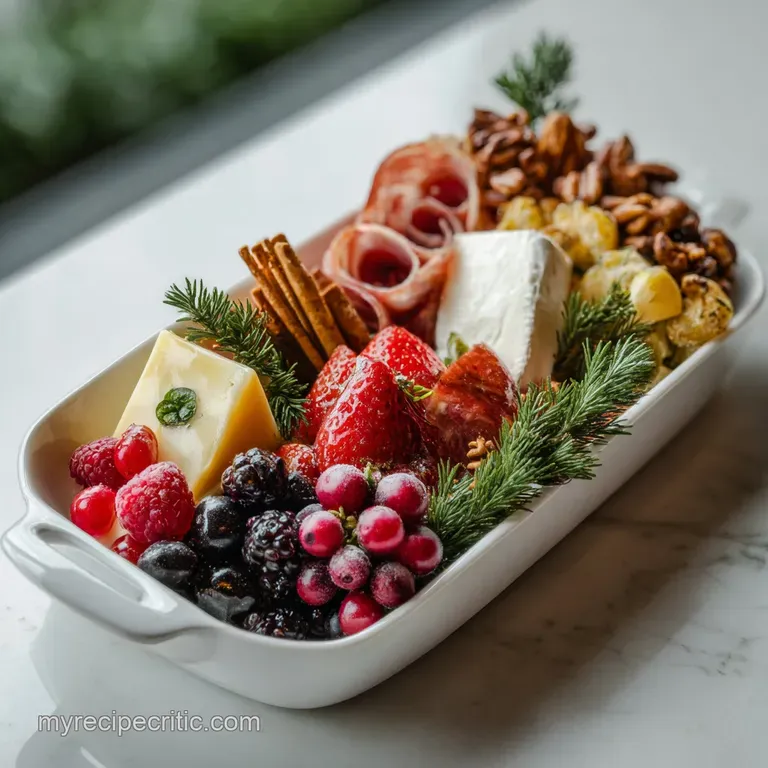
- Time: Active 20 minutes, Passive 0 minutes, Total 20 minutes
- Flavor/Texture Hook: Velvety Brie meets the sharp shatter of artisan crackers and the bright pop of pomegranate.
- Perfect for: Christmas Eve parties, casual holiday gatherings, or a festive appetizer for a large family dinner.
- Achieving Visual Harmony on Your Christmas Charcuterie Board
- Important Timing and Temperature Specs
- Component Analysis of the Holiday Spread
- Essential Tools for Your Grazing Display
- Assembly Steps for a Flawless Board
- Solving Common Board Assembly Issues
- Variations for Specific Dietary Needs
- Storage Guidelines for Fresh Results
- Final Touches for Festive Presentation
- Myths Regarding Meat and Cheese Boards
- Recipe FAQs
- 📝 Recipe Card
Achieving Visual Harmony on Your Christmas Charcuterie Board
Long before we were obsessed with wooden boards on social media, the concept of the "charcuterie" was a vital part of French culinary history. Dating back to the 15th century, the traiteur or caterer was the master of preserving meats.
At Christmas, these displays weren't just snacks; they were a symbol of the harvest's end and the abundance of the coming year. I remember the first time I tried to put one together for a family party I just threw some deli ham and a block of supermarket cheddar on a plate.
It looked sad, and frankly, the sink was full of dishes from other recipes that didn't even taste as good as a simple piece of cheese would have.
Since then, I've learned that a great Christmas Charcuterie Board isn't about how much you spend, but how you play with the "visual river" of ingredients. You want people to feel like they can't possibly ruin the display by taking a piece. It should feel lived in and generous.
Every time I set this out now, the room goes quiet for a second as everyone leans in to see the pomegranate arils glistening like little rubies against the rosemary. It’s that sensory trigger the snap of a cold grape and the velvety spread of room temperature goat cheese that makes this the most requested "recipe" in my holiday rotation.
We aren't just making a snack plate; we are building a landscape. You need the height of the folded salami, the structural integrity of the aged white cheddar, and the soft, inviting curves of the herb rolled goat cheese. If you've ever felt overwhelmed by those massive boards you see online, don't worry.
We’re going to break this down into a flow that makes sense, using the anchor and fill method that ensures every square inch of your board looks intentional and mouth watering.
Important Timing and Temperature Specs
Before we start placing the 225g Double Cream Brie, we need to talk about the most common mistake home cooks make: serving cheese straight from the fridge. Cold kills flavor. If that Brie is ice cold, you won't taste the buttery notes; you'll just taste cold fat.
I always set my cheeses out at least 30 minutes before I plan to assemble the board. By the time you're done with the 20 minutes of assembly, the cheese will be at that perfect, slightly yielding temperature that makes it spread like a dream.
| Feature | Fast Method (20 mins) | Classic Method (Prep Ahead) |
|---|---|---|
| Texture | Fresh, crisp crackers and fruit. | Cheese flavors are fully developed. |
| Preparation | Assemble and serve immediately. | Components prepped; 1 hour "sweat" for cheese. |
| Best For | Last minute guests or quick snacks. | Formal dinner parties with timed courses. |
Getting the timing right is about more than just the cheese. You want the prosciutto di Parma to be torn into ribbons while it's still slightly chilled so it doesn't stick to your fingers, but it needs to hit the board and soften before the first guest arrives.
This 20 minutes total time is a sprint, but if you follow the flow, you won't feel rushed. Just make sure your board or platter is clean and dry before you start any moisture on the wood will lead to a "soggy cracker disaster" later on.
Component Analysis of the Holiday Spread
Why does this specific combination of ingredients work so well? It’s all about the balance of heavy fats and bright acids. When you have 31g of fat per serving from the 150g goat cheese and 200g aged cheddar, your palate can get overwhelmed.
The "acid" in the 300g of red grapes and the 87g of pomegranate arils acts as a palate cleanser, cutting through that richness so the next bite tastes just as good as the first.
The Power of Acid Balance: The tannins in the grapes and the citric acid in the pomegranate prevent the fats from coating your tongue, which keeps the flavors sharp.
- Fat Saturation: High fat cheeses like Brie provide a velvety mouthfeel that carries the aroma of the rosemary.
- Enzymatic Breakdown: The aged cheddar has undergone proteolysis, creating those little crunchy crystals (calcium lactate) that provide a hidden texture.
- Aromatic Bridges: Fresh rosemary isn't just for show; the oils interact with the salted pecans to create a savory, woody scent profile.
- Osmotic Contrast: Salt in the 115g prosciutto draws out the subtle sweetness in the fig jam, creating a classic sweet salty pairing.
| Ingredient | Science Role | Pro Secret |
|---|---|---|
| Double Cream Brie | Provides the primary fat base. | Slice a small wedge out first to "invite" guests to dig in. |
| Prosciutto di Parma | Adds salt and "umami" depth. | Ribbon it loosely to create surface area for honey to cling to. |
| Red Grapes | Provides acid and moisture. | Keep them in small clusters of 3-4 for easy grabbing. |
| Fig Jam | Offers concentrated sweetness. | Place it right next to the sharpest cheese on the board. |
Essential Tools for Your Grazing Display
You don't need a professional kitchen, but a few specific tools make the 20 minutes of assembly much easier. I prefer a large wooden board something with a bit of texture to prevent the 100g of Calabrese salami from sliding around.
If you don't have a dedicated charcuterie board, a large clean cutting board or even a marble slab works perfectly. Just avoid using a rimmed baking sheet unless you line it with parchment, as the metal can sometimes react with the acid in the fruit.
For the 80g of fig jam and hot honey, you'll need two small ceramic or glass bowls. This keeps the liquids from running into your 200g of artisan crackers. There is nothing worse than a cracker that has lost its "shatter" because it sat in a puddle of honey for ten minutes.
I also suggest having a separate knife for each cheese. Don't let the goat cheese get smeared all over the aged cheddar; keep the flavors distinct.
- Large Wooden Board: At least 18 inches for 11 servings.
- Small Ramekins: For jams, honey, or olives.
- Cheese Knives: A spreader for Brie and a pronged knife for hard cheddar.
- Small Spoons: For the pomegranate arils and jam.
Assembly Steps for a Flawless Board
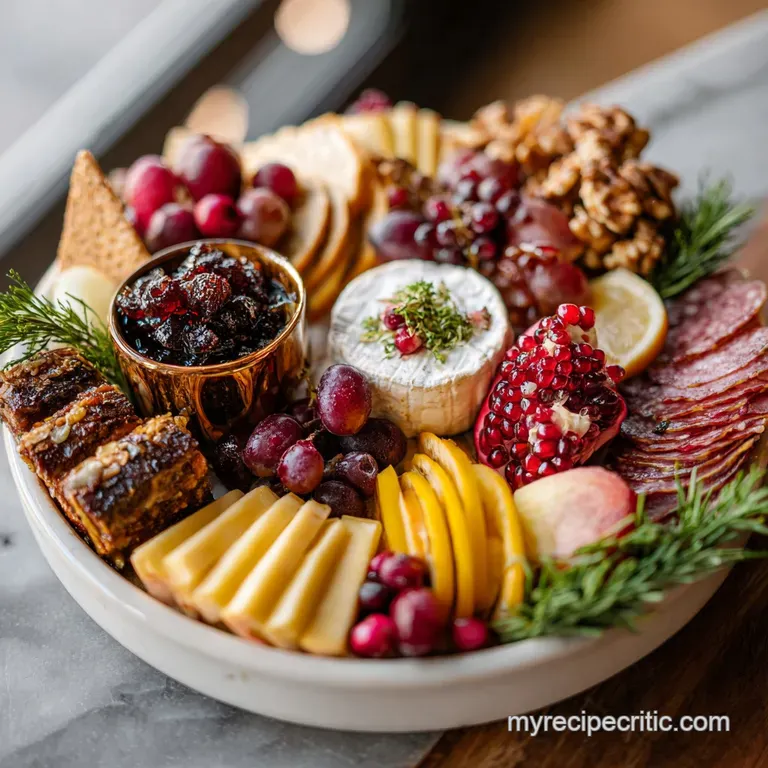
- Position the Anchors. Place the small ceramic bowls containing 80g of fig jam and hot honey on opposite sides of the board. Note: These act as the "north and south poles" that you will build everything else around.
- Set the Soft Cheeses. Place the 225g Double Cream Brie and the 150g goat cheese log near the center. Do this until the board looks balanced but not symmetrical.
- Structure the Cheddar. Pile the 200g of aged white cheddar in a rustic heap. Note: Don't be too neat here; craggy edges look more appetizing than perfect cubes.
- Fold the Salami. Create a 'river' using 100g of Calabrese and 100g of hard salami. Fold each slice in half or quarters until it stands upright.
- Ribbon the Prosciutto. Tear the 115g of prosciutto into long strips and bunch them up like fabric ribbons. Note: This adds height and makes it easy for guests to pick up a single serving.
- Fan the Crackers. Arrange the 200g of artisan crackers in curved lines near the cheeses. Ensure they fan out until they touch the meat rivers.
- Nestle the Grapes. Place the 300g bunch of red grapes in a corner, letting some overflow the edge. Note: The grapes should look like they are anchoring the corner of the board.
- Fill the Voids. Scatter the 87g of pomegranate arils and 60g of dried cranberries into any remaining wooden gaps. Look for small holes until no wood is visible.
- Add the Crunch. Tuck the 70g of Marcona almonds or salted pecans into the tiniest crevices. Note: These should be the "filler" that locks everything in place.
- Festive Garnish. Tuck 5 sprigs of fresh rosemary into the edges. Arrange them until the board resembles a Christmas wreath.
Solving Common Board Assembly Issues
Even with the best ingredients, things can go sideways. I remember one Christmas when I prepped the board too early and the crackers turned into sponges. It was heartbreaking. The biggest culprit is moisture.
If you wash your grapes and don't dry them completely, that water will travel across the board and ruin the 200g of artisan crackers.
The "Sweaty" Cheese Issue
If you see beads of moisture on your cheddar or the Brie looks like it's melting into a puddle, your room is too warm or the cheese was wrapped too tightly in plastic. Cheese is a living thing; it needs to breathe. If it starts to "sweat," gently pat it with a paper towel.
To prevent this, always use wax paper or cheese paper for storage, and never assemble the board right next to a hot oven or a fireplace.
The Soggy Cracker Disaster
This usually happens because the crackers are touching the wet fruit or the jam bowl is overflowing. The fix is simple: use the "nut barrier" method. Place a row of 70g Marcona almonds between the crackers and the 300g of grapes.
The almonds don't absorb moisture as quickly and act as a dam to keep the crackers dry and crisp.
| Problem | Root Cause | Solution |
|---|---|---|
| Salami is greasy | Room temperature is too high. | Chill the meat until 5 minutes before serving. |
| Goat cheese crumbles | Cheese is too cold or dry. | Let it sit at room temp for 30 mins; use a warm knife to slice. |
| Fruit is bleeding | Pomegranate arils were crushed. | Gently pat arils dry and place them on top of cheese, not wood. |
Common Mistakes Checklist
- ✓ Dry the grapes with a lint free towel (prevents soggy crackers).
- ✓ Leave the Brie whole or just take one small slice out (prevents it from drying out).
- ✓ Keep the crackers in their packaging until the very last minute.
- ✓ Ensure the honey bowl has a dedicated spoon (prevents a sticky mess on the board).
- ✓ Use room temperature cheese for the best flavor release.
Variations for Specific Dietary Needs
Not everyone can dive into a pile of cheese and gluten, and that’s okay! You can easily pivot this Christmas Charcuterie Board to fit your guests' needs. For a gluten-free version, simply swap the 200g of artisan crackers for high-quality almond flour based crackers. They have a wonderful shatter that rivals any wheat based option. If you want a sweet finish to your night, you might consider serving this alongside some Meringue Christmas Trees for a light, airy contrast to the heavy meats.
For a low carb or keto friendly board, increase the 100g of hard salami and 115g of prosciutto, and replace the 300g of grapes with lower sugar berries like blackberries. You can also add more Marcona almonds to fill the gaps where the crackers would normally go.
If you have vegan guests, there are incredible cashew based "bries" and "goat cheeses" available now that mimic the fat content and mouthfeel of the real thing surprisingly well.
| Original Ingredient | Substitute | Why It Works |
|---|---|---|
| Artisan Crackers | Cucumber Slices | Provides crunch and freshness without the carbs or gluten. |
| Fig Jam | Fresh Sliced Pear | Similar sweetness but with a more fibrous, crisp texture. |
| Prosciutto | Smoked Salmon | High fat and salt content. Note: Changes the profile to a more Nordic holiday vibe. |
Storage Guidelines for Fresh Results
If you have leftovers (which is rare, but it happens!), don't just shove the whole board into the fridge. The crackers will be ruined by morning. Take the 200g of crackers off first and put them in an airtight container or a Ziploc bag.
The 225g Brie and the 200g cheddar should be wrapped separately in wax paper not plastic wrap, which can make the cheese taste like plastic and trap too much moisture.
- Fridge Life: Cheeses and meats will stay fresh for 3-5 days if wrapped properly.
- Freezer Life: Do not freeze the cheeses or fresh fruit; however, the salami and prosciutto can be frozen for up to 2 months.
- Zero Waste Tip: Take the leftover rinds from the Brie or the ends of the hard salami and toss them into a freezer bag. When you're making a winter soup or a big pot of beans, throw them in for a massive hit of umami. The rosemary sprigs can be dried and used later for a roasted chicken or even to flavor a holiday simple syrup.
Final Touches for Festive Presentation
The difference between a good board and a "wow" board is the garnish. Those 5 sprigs of fresh rosemary are your best friend. Don't just lay them on top; tuck them under the edges of the cheese and meat so they poke out like a wreath.
If you want to go even further, you can add a few fresh cranberries or even some edible gold leaf if you're feeling fancy.
I love to pair this board with a beverage that has a bit of sparkle. The bubbles in a Christmas Sangria work just like the acid in the grapes they scrub the palate clean after a bite of creamy Brie. If you prefer something non alcoholic, a sparkling apple cider with a dash of pomegranate juice works beautifully too.
- Height is Key: Use the grapes and the folded salami to create different levels.
- Color Blocking: Don't put the red grapes next to the red salami; separate them with the white cheddar or the crackers.
- The "lived in" look: Don't be afraid to let a few pomegranate arils "fall" onto the board naturally. It makes the display feel abundant and inviting rather than a museum piece.
Myths Regarding Meat and Cheese Boards
A very common misconception is that you need "expensive" cheese for a board to be good. I've made boards with high end artisanal finds and boards with basic grocery store blocks. The secret isn't the price tag; it's the variety of textures.
A basic sharp cheddar becomes world class when paired with the right honey and a crisp cracker.
Another myth is that you can't prep anything in advance. While you shouldn't assemble the whole thing hours early, you can absolutely cube your 200g of aged cheddar and wash your 300g of grapes the day before. Just make sure everything is bone dry before it hits the wood.
Also, don't believe the idea that "greasy" salami is bad. That's just the fat rendering at room temperature, which is exactly when the flavor is at its peak. Embrace the shine it's where the deliciousness lives!
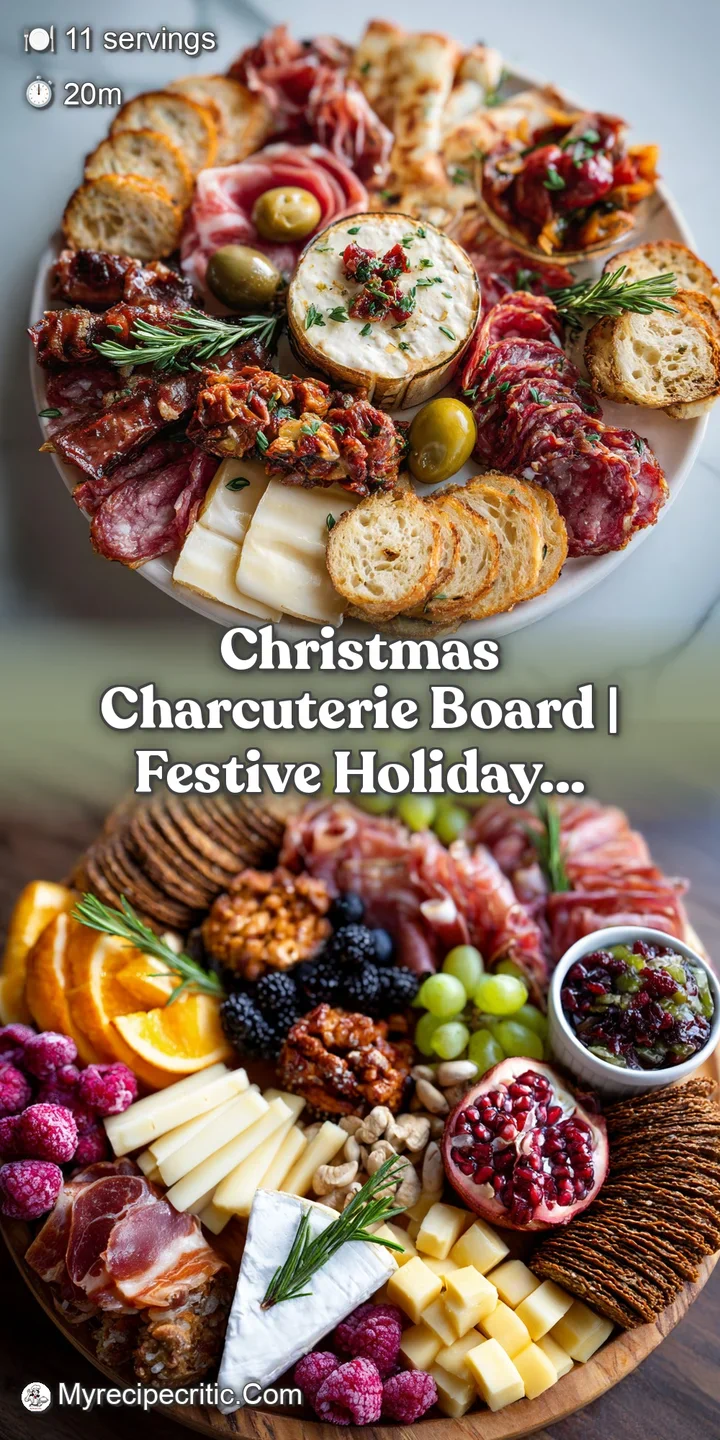
Recipe FAQs
What to put on a Christmas charcuterie?
Focus on a balance of savory, sweet, and texture. Use the core foundation of 225g double cream Brie, 200g aged white cheddar, 150g herb rolled goat cheese, 115g prosciutto, 100g Calabrese salami, and 100g hard salami, complemented by fresh grapes, pomegranate arils, dried cranberries, fig jam, and
Marcona almonds.
What is the 3-3-3 rule for charcuterie boards?
No, this is a common misconception. There is no official 3-3-3 rule for this specific board; instead, focus on the 20-minute assembly method by placing anchor bowls, building a meat "river," and filling gaps with fruits and nuts for visual variety.
What to put on a Christmas grazing board?
Incorporate festive colors and textures. Use the provided ingredient list, specifically tucking 5 fresh rosemary sprigs into the edges to create a wreath effect and scattering bright pomegranate arils to enhance the holiday aesthetic.
Can I have charcuterie while pregnant?
Consult your doctor regarding deli meats. Many health professionals advise heating processed meats like prosciutto and salami to steaming temperatures to ensure safety, though raw fruit, cheeses like Brie, and crackers remain standard components of this board.
How to keep crackers from getting soggy?
Dry the grapes thoroughly with a lint free towel before placing them on the board. Keeping the crackers in their packaging until the absolute last minute also ensures they retain their crisp texture throughout the party.
How to store leftovers properly?
Separate the components immediately. Remove the 200g of artisan crackers to an airtight container to prevent moisture absorption, and wrap the cheeses in wax paper rather than plastic to maintain flavor quality. If you find yourself with extra time, you can apply this same preservation logic to ensure your spreads stay fresh and flavorful for days.
How to ensure the best flavor from the cheese?
Set the cheese out to reach room temperature before serving. Cold cheese masks delicate flavor profiles, so allowing the Brie, cheddar, and goat cheese to warm up slightly ensures the best possible tasting experience for your guests.
Christmas Charcuterie Board
Ingredients:
Instructions:
Nutrition Facts:
| Calories | 476 kcal |
|---|---|
| Protein | 21g |
| Fat | 31g |
| Carbs | 31g |
| Fiber | 2g |
| Sugar | 16g |
| Sodium | 772mg |
