Buttery Pecan Shortbread Cookies
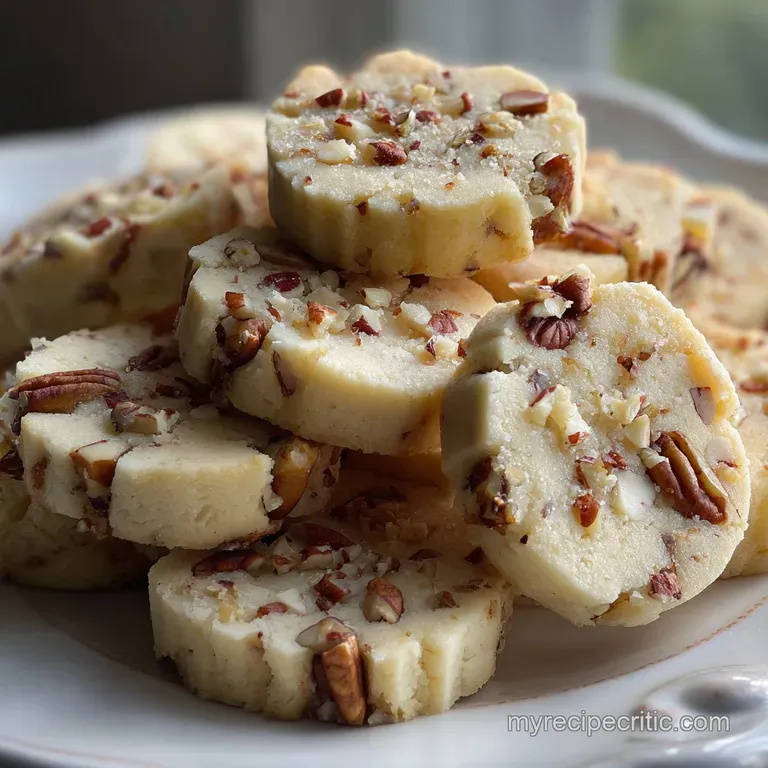
- Time: Active 15 minutes, Passive 2 hours 20 mins, Total 2 hours 35 mins
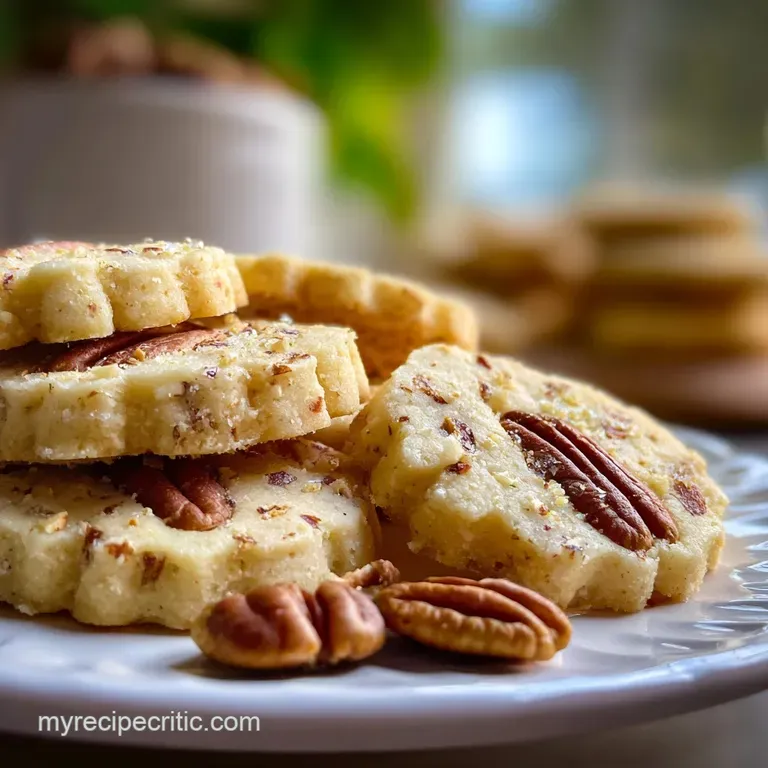
- Flavor/Texture Hook: A velvety, melt away texture paired with the deep, nutty shatter of toasted pecans.
- Perfect for: Holiday gifting, afternoon tea, or a sophisticated dessert board addition.
- The Culinary Magic Behind These Rich Pecan Bites
- Crucial Timing and Yield for Holiday Cookie Success
- A Deep Component Analysis for Better Baking
- Essential Elements and Smarter Ingredient Swaps
- Specialized Tools for a Flawless Batch
- Moving from Preparation to the Final Plate
- Pro Tactics for Avoiding Kitchen Disasters
- Ways to Make It Your Own
- Debunking Common Shortbread Myths
- Guidelines for Storage and Zero Waste
- Creative Presentation and Serving Suggestions
- Recipe FAQs
- 📝 Recipe Card
The Culinary Magic Behind These Rich Pecan Bites
The house always smells best when there’s a tray of pecans roasting in the oven. It’s that deep, toasted aroma that hits you the second you walk through the door sweet, woody, and slightly savory all at once.
I remember the first time I tried making these, I was so impatient that I skipped the toasting step. Huge mistake. The cookies were fine, but they lacked that soul warming "oomph" that makes people stop talking and just close their eyes to savor the bite.
We’re aiming for a cookie that doesn’t just crunch; it needs to shatter gently when you bite into it, then dissolve into a buttery pool on your tongue. Achieving that texture is all about how you handle the fat and flour.
It’s a quiet, meditative process, from the sizzle of the nuts in the pan to the rhythmic slicing of the chilled dough log. If you’re looking for a treat that feels fancy but relies on pantry staples, you’ve found it.
Crucial Timing and Yield for Holiday Cookie Success
To get these cookies right, you have to respect the chill time. Shortbread is a high fat dough, and if you try to bake it while the butter is soft, you’ll end up with a greasy puddle rather than a defined, elegant circle.
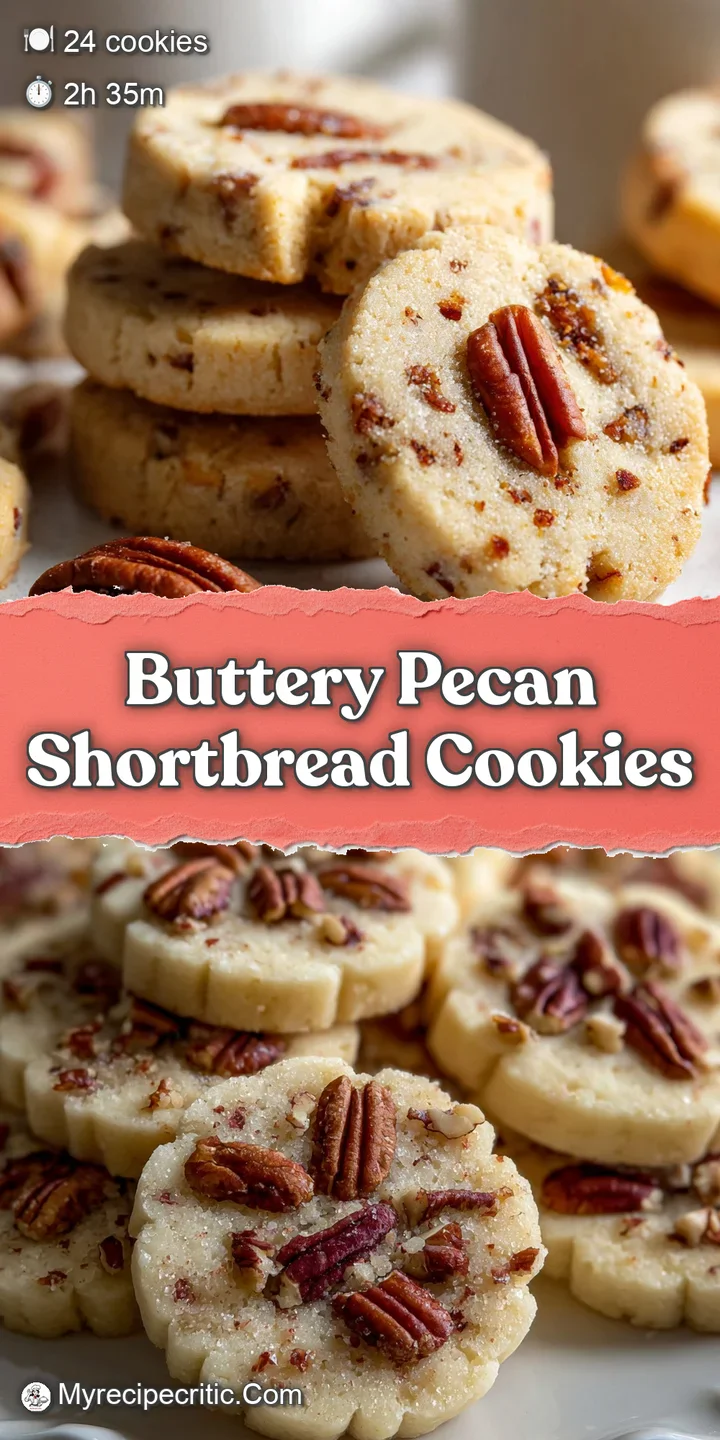
We are aiming for 24 distinct cookies that hold their shape while maintaining a tender interior.
The Physics of the Short Crumb
High fat content coats the flour proteins, which physically prevents long gluten strands from forming. This lack of structure is exactly what creates that signature "short" or crumbly texture that melts instantly.
| Method | Total Time | Texture | Best For |
|---|---|---|---|
| Fresh Homemade | 2 hours 35 mins | Velvety and rich | Maximum flavor impact |
| store-bought Dough | 20 minutes | Waxy and sweet | Emergency snacking |
| Shortcut (No Toasting) | 1 hour 45 mins | Muted nut flavor | Absolute time crunch |
When you take the time to toast the 1.5 cups (170g) of pecans properly, you are essentially frying them in their own oils. This doesn't just change the texture; it chemically alters the flavor compounds, creating a savory contrast to the 0.5 cup (60g) of powdered sugar.
A Deep Component Analysis for Better Baking
Understanding why we use specific ingredients helps you become a more intuitive cook. For instance, using powdered sugar instead of granulated sugar is a deliberate choice for texture.
Granulated sugar creates a crisp, aerated snap, whereas powdered sugar contains a tiny bit of cornstarch, which contributes to a more velvety, tender mouthfeel.
| Ingredient | Science Role | Pro Secret |
|---|---|---|
| Salted Butter | Primary fat source | Keep it cool (65°F) to prevent dough from becoming greasy. |
| Pecan Halves | Flavor & texture | Toast until they smell like popcorn to unlock hidden oils. |
| Vanilla Bean Paste | Aromatic depth | The tiny seeds add visual appeal and a concentrated punch. |
| Powdered Sugar | Sweetener & tenderizer | Sift it first to ensure there are no lumps in your crumb. |
Chef Tip: Freeze your salted butter for exactly 10 minutes before you begin creaming. This ensures the fat stays stable and doesn't melt prematurely during the mixing process, which is the number one cause of "spreading" in the oven.
Essential Elements and Smarter Ingredient Swaps
Before you start, make sure your 1 cup (227g) of salted butter is softened but still holds its shape when pressed. It shouldn't be shiny or greasy to the touch. This recipe relies on high-quality fat, so this isn't the place for low-fat spreads. If you enjoy this style of cookie, you might also find the technique in The Classic Scottish recipe quite similar but with a more traditional, plain profile.
- 1.5 cups (170g) Raw Pecan HalvesWhy this? Provides the essential crunch and fatty, nutty base.
- 0.5 tsp Sea SaltWhy this? Essential for seasoning the nuts during the toasting phase.
- 1 cup (227g) Salted ButterWhy this? Provides the flavor and the "short" texture.
- 0.5 cup (60g) Powdered SugarWhy this? Creates a fine, melt away crumb structure.
- 1 tsp Pure Vanilla Bean PasteWhy this? Adds intense aroma and beautiful black specks.
- 2 cups (250g) All Purpose FlourWhy this? The structural foundation of the cookie.
- 0.25 tsp Fine Sea SaltWhy this? Balances the sweetness in the dough itself.
- 2 tbsp Turbinado SugarWhy this? Adds a sparkly, crunchy finish to the edges.
| Original Ingredient | Substitute | Why It Works |
|---|---|---|
| Raw Pecan Halves | Walnuts | Similar fat content. Note: Adds a slightly more bitter, earthy finish. |
| Salted Butter | Vegan Butter Sticks | Use oil based sticks, not tubs. Note: Texture will be slightly softer. |
| Vanilla Bean Paste | Vanilla Extract | Use a 1:1 ratio. Note: You lose the visual flecks of the bean. |
If you find yourself loving the combination of pecans and buttery dough, you should definitely try the Buttery Pecan Snowballs recipe for a version that’s rolled in even more powdered sugar.
Specialized Tools for a Flawless Batch
While you can technically make these with just a bowl and a spoon, a few specific tools will make your life much easier and the results much more consistent. I always recommend using a heavy duty sheet pan (like a Nordic Ware half sheet) because thin pans can cause the bottoms of your cookies to brown too quickly before the centers are set.
- Cast Iron Skillet: For toasting the pecans evenly without hot spots.
- Stand Mixer: Such as a KitchenAid, with the paddle attachment for consistent creaming.
- Parchment Paper: Prevents sticking and ensures the bottoms stay a pale gold.
- Ruler: Essential for measuring the 2 inch diameter of your dough log.
- Sharp Chef's Knife: A thin, sharp blade is required to slice the chilled dough without crushing it.
Moving from Preparation to the Final Plate
1. The Toasting Phase
Place the pecan halves in a dry skillet over medium heat. Sizzle them for about 5-7 minutes, tossing frequently, until they are fragrant and a shade darker. Sprinkle with the 0.5 tsp sea salt immediately while they are hot so it sticks to the natural oils. Let them cool completely before chopping.
2. Creaming for Structure
In your stand mixer, beat the cool, softened butter and powdered sugar together. You aren't looking for "fluffy" here like a cake; you just want it smooth and creamy. Add the vanilla bean paste and mix until combined.
3. Folding the Dry Ingredients
Sift the flour and fine sea salt into the butter mixture. Mix on the lowest speed possible just until no white streaks remain. Fold in the cooled, chopped pecans by hand with a spatula. The dough will look sandy at first but will come together if you press it.
4. The Slice and-Bake Method
Turn the dough onto a piece of plastic wrap. Shape it into a log that is roughly 2 inches in diameter. Roll it tightly, smoothing out any air pockets. Chill this in the fridge for at least 2 hours this is non negotiable for the texture.
5. Baking to Perfection
Preheat your oven to 350°F. Roll the chilled log in turbinado sugar to coat the exterior. Use a sharp knife to slice 1/2 inch thick rounds. Place them on a parchment lined tray and bake for 12-15 minutes. You are looking for a pale gold edge and a matte top.
Pro Tactics for Avoiding Kitchen Disasters
The most common frustration with shortbread is the dough falling apart when you try to slice it. Usually, this happens because the pecans were chopped too large or the dough wasn't chilled long enough. If the nuts are too big, the knife will catch on them and pull them through the dough, causing it to crumble.
Why Your Shortbread Slices Crumble
When the dough is too dry or the inclusions (nuts) are too bulky, the structural integrity of the log fails under the pressure of the knife. Ensure your pecans are chopped into small, uniform pieces no larger than a pea.
| Problem | Root Cause | Solution |
|---|---|---|
| Cookies Spreading | Butter was too warm | Chill the sliced rounds for 10 mins before baking. |
| Burnt Bottoms | Dark baking sheet | Use a light colored pan or double up the trays. |
| Gritty Texture | Sugar didn't dissolve | Ensure butter and sugar are fully creamed before adding flour. |
Common Mistakes Checklist:
- ✓ Never add warm pecans to the butter mixture; it will melt the fat.
- ✓ Measure flour by weight (250g) to avoid a dry, sandy cookie.
- ✓ Don't skip the salt on the pecans; it’s the contrast that makes the sugar work.
- ✓ Let the cookies cool on the pan for 5 minutes before moving them to a rack.
- ✓ Use a "sawing" motion with your knife if the dough feels very firm.
Ways to Make It Your Own
If you want to deviate from the classic, you can easily tweak the flavor profile without ruining the chemistry. For a decadent twist, try dipping half of each cooled cookie into melted dark chocolate and sprinkling a tiny bit of extra sea salt on top. The bitterness of the cocoa plays beautifully with the buttery base.
To adjust for a larger crowd, you can double the recipe, but keep an eye on the liquids. When doubling, keep the vanilla paste at 1.5 teaspoons rather than a full 2 to prevent the dough from becoming too soft. If you need to scale down, it's easier to make a full batch of dough and freeze half the log for later.
| Servings | Butter Amount | Flour Amount | Pan Size |
|---|---|---|---|
| 12 Cookies | 0.5 cup (113g) | 1 cup (125g) | Small sheet pan |
| 24 Cookies | 1 cup (227g) | 2 cups (250g) | Half sheet pan |
| 48 Cookies | 2 cups (454g) | 4 cups (500g) | Two half sheets |
Chef Tip: If you want a deeper color, replace 1 tablespoon of the powdered sugar with dark brown sugar. This will add a hint of molasses and a slightly chewier edge to your buttery pecan shortbread cookies.
Debunking Common Shortbread Myths
One major misconception is that you need to over work the dough to get it to stick together. In reality, the more you work it, the tougher it gets. Stop the second the flour disappears. Another myth is that salted butter is "low quality" for baking.
For shortbread, salted butter actually provides a more complex flavor profile that highlights the pecans better than unsalted butter with added salt ever could.
Finally, some people think you can't freeze shortbread dough. You absolutely can. In fact, the dough often behaves better after a stint in the freezer because the flour has more time to fully hydrate, leading to an even more tender shatter.
Guidelines for Storage and Zero Waste
These cookies are legendary for their shelf life. Because of the high fat and low moisture content, they stay fresh much longer than a standard chocolate chip cookie. Keep them in an airtight container at room temperature for up to 1 week.
If they start to lose their snap, you can pop them in a 300°F oven for 3 minutes to crisp them back up.
Freezing and Reheating: You can freeze the baked cookies for up to 3 months. Just layer them with parchment paper so they don't stick. To reheat, let them come to room temperature on the counter no microwave needed, as it will make them rubbery.
Zero Waste Tip: Don't throw away the "dust" and small crumbs left over from chopping the pecans. Save them in a jar in the freezer and use them as a topping for oatmeal or yogurt. Similarly, if you have extra turbinado sugar from rolling the dough log, save it for your morning coffee!
Creative Presentation and Serving Suggestions
These buttery pecan shortbread cookies are the stars of a dessert board. Arrange them alongside some sharp cheddar cheese and sliced green apples. The savory sweet contrast is sophisticated and unexpected. For a classic tea pairing, serve them with a robust Earl Grey or a dark roast coffee.
The tannins in the tea cut right through the richness of the butter.
If you’re feeling extra, use two cookies to make a sandwich with a thin layer of salted caramel or maple buttercream in the middle. It turns a simple cookie into a high end patisserie treat that will have everyone asking for the recipe.
Just remember to keep them simple if you're serving them with a rich drink like hot chocolate sometimes the classic, unadorned shortbread is all you need.
Recipe FAQs
What is the 3:2:1 rule for shortbread?
It's a guideline for the ideal fat to sugar to flour ratio. The 3:2:1 rule suggests 3 parts butter, 2 parts sugar, and 1 part flour by weight. This ratio creates the characteristic tender, crumbly texture that melts in your mouth, similar to the principles behind our Classic Buttery Shortbread recipe.
What is the secret to making good shortbread?
Using high-quality, cold butter and not overworking the dough. The fat coats the flour, preventing gluten development, which is key to that signature "short" texture. Ensuring your butter is cold and mixing just until combined helps maintain this.
What is the 123 rule for shortbread?
This usually refers to a simplified ratio for shortbread dough. It's often interpreted as 1 cup butter, 2 cups flour, and 3 tablespoons of sugar, though ratios can vary. While simpler, it may not yield the same melt-in-your mouth texture as a more precise formula.
What are common mistakes when making shortbread?
Overworking the dough and using butter that's too warm are the biggest culprits. Overmixing develops gluten, making the cookies tough, while warm butter leads to excessive spreading and a greasy texture. If you master dough handling here, you'll find it translates well to recipes like The Best ButterRich Sugar Cookies From Scratch Recipe.
Can I use salted butter in my pecan shortbread?
Yes, salted butter works wonderfully and adds flavor complexity. The salt in the butter balances the sweetness and enhances the nutty notes of the pecans. Just be mindful of any additional salt you add to the recipe itself.
Why are my shortbread cookies spreading too much?
This is usually due to the butter being too soft or the dough not being chilled sufficiently. For shortbread, it's crucial to use cold butter and allow the dough to chill thoroughly before baking to maintain its shape and achieve that perfect crumbly texture.
How do I get my shortbread to have a melt-in-your mouth texture?
Use a high proportion of fat (butter) to flour and opt for powdered sugar. Powdered sugar contains cornstarch which contributes to a finer, more tender crumb than granulated sugar. Proper chilling of the dough is also essential for that characteristic tender shatter.
Buttery Pecan Shortbread Cookies
Ingredients:
Instructions:
Nutrition Facts:
| Calories | 169 calories |
|---|---|
| Protein | 1.8 grams |
| Fat | 12.9 grams |
| Carbs | 12.5 grams |
| Fiber | 0.7 grams |
| Sugar | 3.6 grams |
| Sodium | 121 milligrams |
