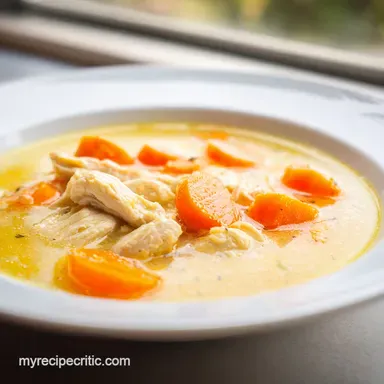
Avgolemono Greek Lemon Chicken Soup: Failure-Proof
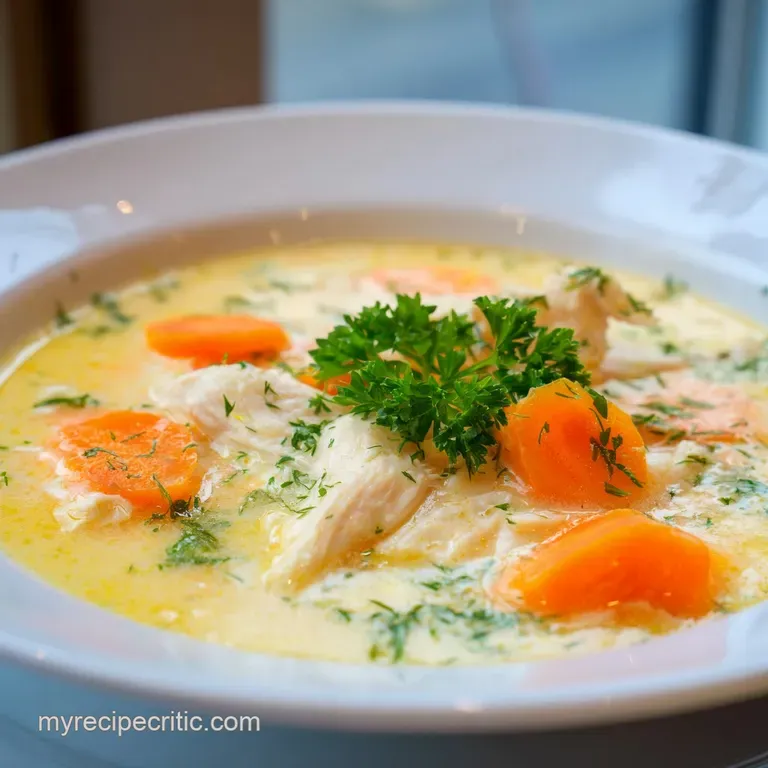
- Time: 10 min active + 30 min cook = Total 40 mins
- Flavor/Texture Hook: Velvety, zesty, and opaque
- Perfect for: Cold winters, recovery meals, or a comforting weeknight dinner
- The avgolemono greek lemon chicken soup recipe
- The Secret to Silky Texture
- Component Analysis
- Essential Ingredients and Swaps
- Step by Step Cooking Guide
- Common Pitfalls and Fixes
- Troubleshooting Common Issues
- Customizing Your Bowl
- Preservation and Reducing Waste
- Serving and Enjoyment Tips
- Recipe FAQs
- 📝 Recipe Card
The avgolemono greek lemon chicken soup recipe
The first thing that hits you isn't the lemon, it's the sizzle of chicken thighs hitting hot olive oil. That golden brown aroma fills the kitchen, promising something hearty. But then comes the shift - the bright, sharp scent of freshly squeezed lemons cutting through the richness.
It's a smell that instantly makes you feel like you're in a cozy kitchen in Athens, even if you're just in your pajamas in the suburbs.
I'll be honest, my first attempt at this was a disaster. I just dumped the egg and lemon mixture straight into the boiling pot. Within seconds, I didn't have a velvety soup; I had chicken broth with lemon flavored scrambled eggs floating in it.
I almost gave up, but after learning the trick of tempering, everything changed. Now, this avgolemono greek lemon chicken soup recipe is my go to when I need something that feels like a hug in a bowl.
You can expect a soup that is surprisingly thick and silky, despite having zero cream. It's a balancing act between the salt of the broth, the zing of the citrus, and the soft bite of the rice. Once you get the hang of the emulsion, it's a breeze to whip up.
The Secret to Silky Texture
Right then, let's talk about why this actually works. You aren't just making a soup; you're creating a stable emulsion of fat, protein, and acid.
- Egg Tempering: Adding hot broth to the eggs slowly raises their temperature, so they don't shock and curdle when they hit the main pot.
- Starch Release: The rice or orzo releases a bit of starch into the broth, which helps the egg mixture bind more effectively.
- Acid Balance: The lemon juice lowers the pH, which helps stabilize the egg proteins and prevents them from tightening too quickly.
- Low Heat Finish: Keeping the soup at a simmer instead of a boil ensures the emulsion stays smooth and opaque.
| Method | Time | Texture | Best For |
|---|---|---|---|
| Stovetop | 40 mins | Velvety & Consistent | Daily meals |
| Oven Browned | 55 mins | Deeper Flavor | Special guests |
This choice depends on how much you value that initial sear. I usually stick to the pot for speed, but roasting the chicken first gives it a smoke kissed quality that's hard to beat.
Component Analysis
Understanding the role of each part helps you avoid those "scrambled egg" moments.
| Ingredient | Science Role | Pro Secret |
|---|---|---|
| Eggs | Thickener/Emulsifier | Use room temp eggs for a smoother blend |
| Lemon Juice | Stabilizer/Flavor | Squeeze fresh; bottled juice is too metallic |
| Rice/Orzo | Body & Texture | Don't overcook or the soup becomes a porridge |
| Chicken Thighs | Flavor Base | Thighs stay tender; breasts get rubbery |
Essential Ingredients and Swaps
Stick to these measurements for the best result. If you're swapping, keep the "Why it works" notes in mind.
- 1 lb boneless, skinless chicken thighs, diced into small pieces Why this? More flavor and moisture than breasts
- 2 tbsp olive oil Why this? High smoke point and authentic flavor
- 1 medium yellow onion, finely diced
- 2 medium carrots, diced
- 2 cloves garlic, minced
- 8 cups chicken broth Why this? Provides the savory backbone
- 1 tsp salt
- ½ tsp cracked black pepper
- ½ cup uncooked medium grain rice or orzo pasta Why this? Adds essential starch for thickness
- 3 large eggs, room temperature Why this? The key to the velvety texture
- ½ cup freshly squeezed lemon juice Why this? Fresh acid is non negotiable
| Original Ingredient | Substitute | Why It Works |
|---|---|---|
| Rice/Orzo (½ cup) | Quinoa (½ cup) | Similar starch. Note: Nuttier taste, slightly grainier texture |
| Chicken Thighs (1 lb) | Turkey Thighs (1 lb) | Similar fat content. Note: Slightly leaner flavor |
| Chicken Broth (8 cups) | Vegetable Broth (8 cups) | Similar salt profile. Note: Lacks the deep chicken richness |
If you're looking for more Mediterranean inspiration, this soup pairs brilliantly with Classic Greek Lemon Potatoes for a full on feast.
Step by step Cooking Guide
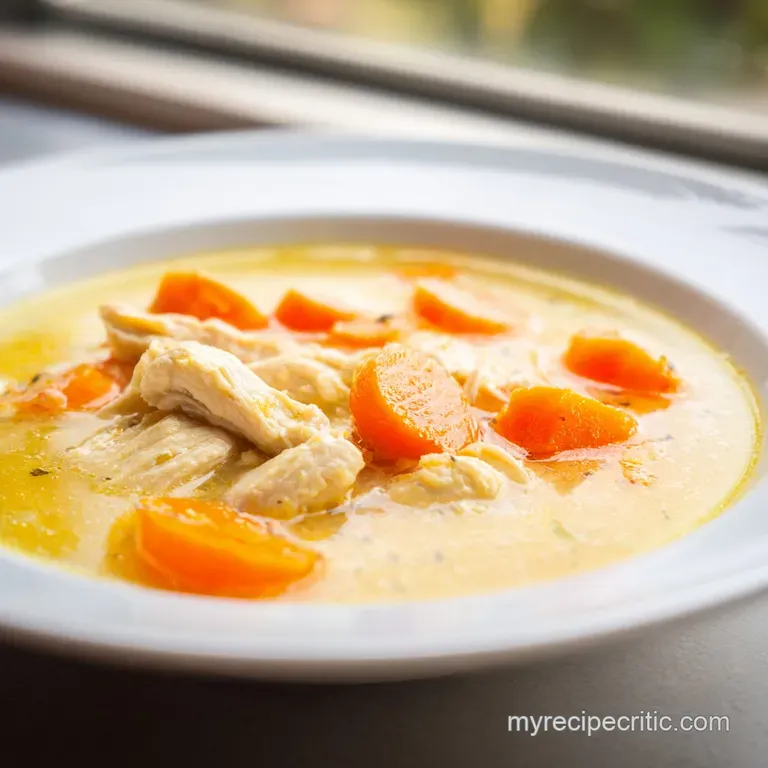
Let's crack on with the cooking. Pay attention to the smell and color cues - they tell you more than the timer ever will.
- Heat the olive oil in a large heavy bottomed pot over medium heat. Add the diced chicken and cook until browned and sizzling.
- Stir in the diced onions and carrots, cooking until the onions become translucent and soft.
- Add the minced garlic and cook for exactly 60 seconds Note: This prevents the garlic from turning bitteruntil fragrant.
- Pour in the chicken broth and bring the mixture to a boil.
- Stir in the rice (or orzo) and reduce heat to a simmer. Cook for 15-18 minutes until the grains are tender but not mushy.
- While the soup simmers, whisk the eggs and lemon juice in a separate bowl until the mixture is pale and frothy.
- Slowly ladle about 2 cups of the hot broth into the egg lemon mixture, whisking constantly Note: This is the tempering processuntil the liquid is warm and combined.
- Turn the pot heat to low. Slowly pour the tempered egg mixture into the soup while stirring in a steady figure eight motion.
- Simmer for another 2-3 minutes until the soup thickens slightly and looks opaque and silky. Do not let it reach a rolling boil.
Common Pitfalls and Fixes
The biggest hurdle with this soup is the egg. If it separates, don't panic.
Troubleshooting Common Issues
| Issue | Solution |
|---|---|
| Why Your Soup Curdled | This happens when the egg proteins heat up too fast, causing them to clump together. It's usually caused by skipping the tempering step or letting the soup boil after the eggs are added. |
| Why Your Soup Is Too Thin | If it lacks that velvety weight, you might have used too much broth or didn't whisk the egg lemon mixture enough. You can fix this by tempering one more egg and stirring it in on low heat. |
| Why Your Soup Is Too Thick | Rice and orzo are like sponges; they keep absorbing liquid long after the heat is off. If it looks more like a stew than a soup, just stir in a bit more warm broth. |
Common Mistakes Checklist:
- ✓ Did you temper the eggs with hot broth?
- ✓ Is the heat on LOW before adding the egg mixture?
- ✓ Did you use room temperature eggs?
- ✓ Did you avoid boiling the soup in the final 3 minutes?
- ✓ Did you use fresh lemons instead of bottled juice?
Customizing Your Bowl
I love this recipe because it's so flexible. Once you've got the base down, you can play with the additions.
For those who want a bit more greenery, stir in a handful of fresh spinach or chopped parsley right at the end. The residual heat will wilt the greens without overcooking them. If you're feeling fancy, a sprinkle of fresh dill adds a gorgeous herbal note that complements the lemon.
If you want to swap the grains, you can use pearl barley for a chewier texture, though it will take longer to cook. For a dairy-free alternative, this recipe is already naturally dairy-free! But if you want it even creamier, some people add a splash of coconut milk, though it changes the authentic profile. I wouldn't recommend it if you want that traditional taste. Instead, try my authentic zesty greek dressing on a side salad to keep the meal cohesive.
Decision Shortcut:
- Want it thicker? Use more rice or an extra egg.
- Want it zingier? Add a teaspoon of lemon zest to the sauté.
- Want it lighter? Use chicken breast and reduce olive oil.
Preservation and Reducing Waste
This soup is great for meal prep, but it has a quirk: the rice.
Storage Guidelines: Keep the soup in an airtight container in the fridge for up to 3 days. You'll notice that by day two, the soup is much thicker. This is because the rice continues to soak up the broth. When reheating, add a splash of water or chicken broth to bring back that silky consistency.
Freezing Tips: I don't typically recommend freezing this soup. The egg emulsion can break during the freezing and thawing process, leaving you with a grainy texture. If you must freeze it, freeze the chicken and vegetable base without the egg lemon mixture.
Then, add the avgolemono sauce fresh after reheating the base.
Zero Waste Hacks: Don't throw away those lemon halves! After squeezing the juice, zest the skin for future baking or toss the rinds into a jar of white vinegar for 2 weeks to make a powerful natural cleaner.
Also, if you have leftover chicken carcasses, simmer them with the onion skins and carrot tops to make your own homemade broth for the next batch.
Serving and Enjoyment Tips
The best way to serve this is in a wide, shallow bowl. I like to garnish with a crack of fresh black pepper and a few drops of high-quality extra virgin olive oil on top.
Right then, a pro tip for the table: serve this with a crusty piece of sourdough or a warm pita. The bread is essential for soaking up every last drop of that velvety liquid. If you're serving this as part of a larger meal, keep the sides simple so the lemon flavor can really shine.
Trust me on this - don't over garnish. The beauty of this dish is its simplicity and that striking, opaque yellow color. Let the aroma of the lemon and the warmth of the chicken do the heavy lifting. It's a simple, comforting meal that proves you don't need cream to achieve a luxurious texture.
Just a bit of patience, a whisk, and a steady hand.
Recipe FAQs
Why did my soup curdle?
The egg proteins heated up too quickly. This usually happens if you skip the tempering step or allow the soup to reach a rolling boil after the eggs are added.
Can I use orzo instead of rice?
Yes, orzo is a traditional and excellent alternative. Both grains absorb the broth similarly, though orzo provides a slightly different, pasta-like texture.
How to temper the eggs for this soup?
Slowly ladle about 2 cups of hot broth into the egg-lemon mixture. Whisk constantly to raise the temperature gradually before adding the tempered mixture back into the main pot.
Is it true the soup must reach a rolling boil after adding the eggs to thicken?
No, this is a common misconception. Boiling the soup after adding eggs will cause them to clump; instead, simmer on low for 2-3 minutes until it looks silky and opaque.
Why does my soup become too thick after sitting?
The rice and orzo act like sponges. They continue to absorb the chicken broth even after the heat is turned off, so you may need to add a splash of liquid when reheating.
Can I use chicken breast instead of thighs?
Yes, but thighs are preferred. Thighs stay tender during the simmering process, while breast meat can become dry and tough.
What pairs well with Avgolemono soup?
Fresh crusty bread or a Greek salad are ideal. For a complete feast, this light soup balances the rich flavors of homemade gyros perfectly.
Avgolemono Chicken Soup in 40 Minutes