Traditional Lamb Curry Recipe
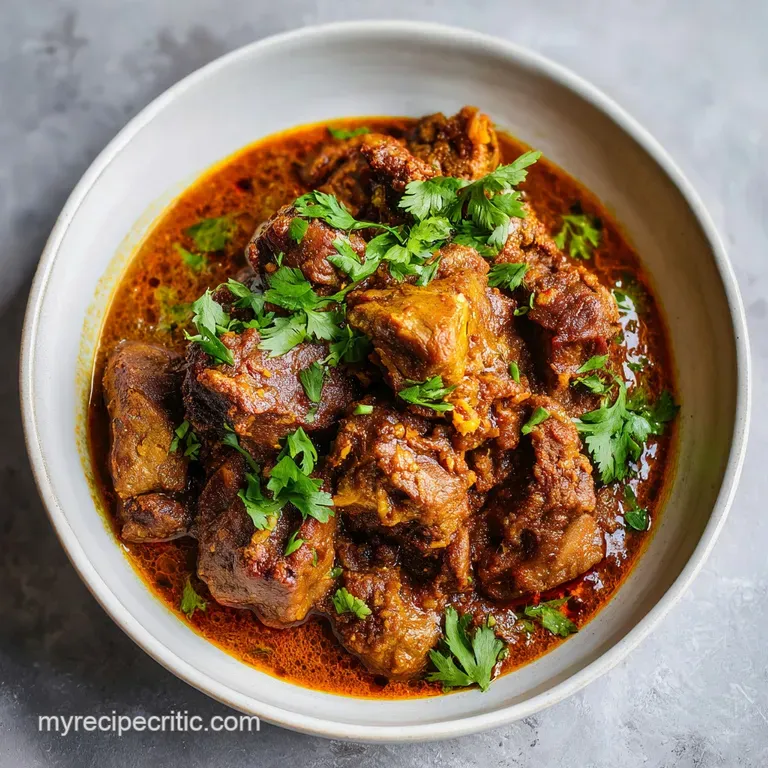
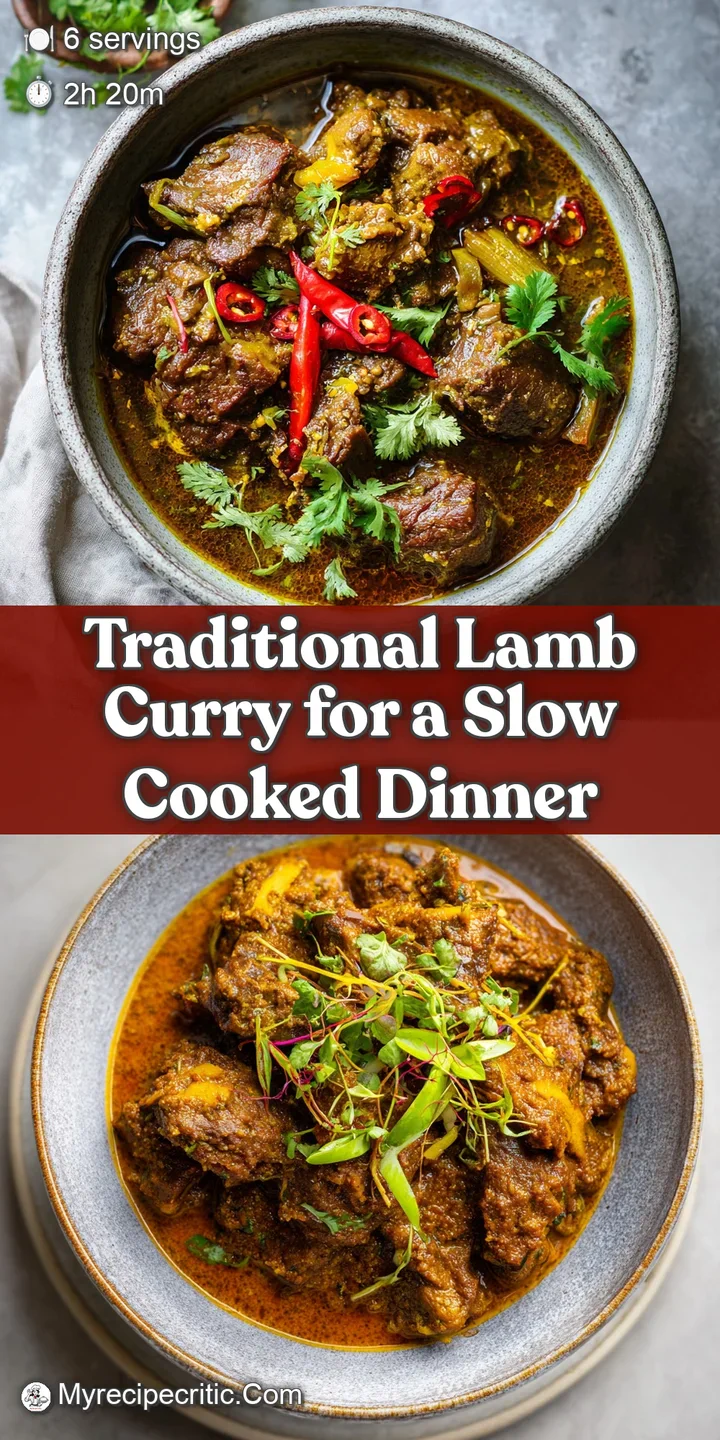
- Time: Active 20 minutes, Passive 2 hours, Total 2 hours 20 mins
- Flavor/Texture Hook: Velvety, smoke kissed sauce with buttery lamb
- Perfect for: Cozy Sunday family dinners or meal prep
- Mastering My Aromatic Slow Cooked Lamb Curry
- Science Behind This Tender Braise
- Essential Components And Their Roles
- Building The Spice Foundation
- Best Tools For Heavy Braising
- Step By Step Aromatic Guide
- Avoiding Common Braising Mistakes
- Adjusting Portions For Any Crowd
- Debunking Traditional Kitchen Myths
- Saving Scraps And Leftovers
- Best Sides For Your Meal
- Recipe FAQs
- 📝 Recipe Card
Mastering My Aromatic Slow Cooked Lamb Curry
The second those whole cinnamon sticks hit the hot ghee and start to sizzle, your entire kitchen transforms. I remember the first time I tried making this - I was so impatient that I barely let the onions soften before dumping in the rest of the ingredients.
It was a total disaster that tasted like raw onion soup with a side of chewy meat.
Trust me on this, the secret isn't in some fancy hidden ingredient, it's in the patience of the sear and the slow melt of the aromatics. We are going for that smoke kissed exterior on the meat and a sauce so thick it clings to your spoon.
It's the kind of meal that makes everyone at the table go quiet because they're too busy soaking up every last drop of gravy with a piece of torn naan.
We've all been there, staring at a tough cut of meat wondering if it'll ever get tender. But by the time we finish this two hour simmer, those fibers will have completely surrendered.
You're looking for a result that isn't just a meal, but a sensory experience where the earthiness of the cumin meets the velvety finish of the coconut milk.
Science Behind This Tender Braise
- Collagen Conversion: The 2 hour simmer at a low temperature converts the tough connective tissue in the lamb shoulder into silky gelatin, creating a rich mouthfeel.
- Maillard Reaction: Searing the lamb at the start develops hundreds of different flavor compounds through the reaction of amino acids and reducing sugars.
- Fat Soluble Aromatics: Blooming the ground spices in ghee releases volatile oils that are fat soluble, ensuring the flavor is distributed evenly through the entire sauce.
- Osmotic Balance: Salting the meat early allows the seasoning to penetrate deep into the muscle fibers rather than just sitting on the surface.
| Thickness | Internal Temp | Rest Time | Visual Cue |
|---|---|---|---|
| 1.5 inch cubes | 195°F - 205°F | 10 mins | Meat pulls apart easily with a fork |
| 2 inch cubes | 195°F - 205°F | 15 mins | Connective tissue appears translucent |
| 1 inch cubes | 190°F - 200°F | 5 mins | Cubes hold shape but yield to pressure |
This table helps you decide when the braise is truly finished based on the size of your meat prep. If you rush the process and stop at 165°F, the lamb will be safe to eat but incredibly rubbery.
You need that higher internal temperature to ensure the collagen has fully melted into that velvety texture we're after.
Essential Components And Their Roles
| Component | Science Role | Pro Secret |
|---|---|---|
| Lamb Shoulder | Connective Tissue | Best fat to meat ratio for long, slow braising |
| Yellow Onions | Sugar and Bulk | High sugar content provides the thick, jammy base |
| Ghee | High Smoke Point | Allows for a deep sear without the milk solids burning |
| Crushed Tomatoes | Acidic Catalyst | Helps break down fibers while providing umami depth |
The foundation of any great braise starts with the right cut of meat. While some might reach for a leaner leg of lamb, the shoulder is the undisputed king here because of its marbling. As it cooks, that fat renders out, essentially self basting the meat from the inside out.
Building The Spice Foundation
- 2 lbs lamb shoulder: Cut into 1.5 inch cubes. Why this? Marbling ensures the meat stays juicy through the long cooking time.
- 3 large yellow onions: Finely diced. Why this? They provide the structural body of the curry sauce.
- 3 tbsp ghee: For searing and blooming. (Sub: Avocado oil)
- 2 tbsp ginger paste & 2 tbsp garlic paste: The aromatic heart. (Sub: Freshly minced)
- 14 oz crushed tomatoes: For body and tang. (Sub: Pureed fresh tomatoes)
- Whole Spices: 2 cinnamon sticks, 4 green cardamom pods, 1 black cardamom pod, 3 whole cloves.
- Ground Spices: 2 tsp turmeric powder, 1 tbsp ground cumin, 1.5 tbsp ground coriander, 1 tsp Kashmiri chili powder, 1 tsp garam masala.
- 14 oz full fat coconut milk: For a creamy finish. (Sub: Heavy cream for a richer, non tropical vibe)
- 1 cup bone broth: To provide the braising liquid. (Sub: Beef or vegetable stock)
| Original Ingredient | Substitute | Why It Works |
|---|---|---|
| Lamb Shoulder | Beef Chuck | Similar fat content and connective tissue for braising |
| Ghee | Coconut Oil | High smoke point, though it adds a slight nutty sweetness |
| Kashmiri Chili | Paprika + Cayenne | Provides the vibrant red color with manageable heat levels |
If you find yourself out of bone broth, a simple stock will do, but you'll miss out on that extra hit of protein and thickness. The Kashmiri chili is particularly special because it's more about that bright, fiery look than it is about making your eyes water. It’s a trick I learned from making my Salmon Curry Recipe where color is just as important as the heat.
Best Tools For Heavy Braising
Using the right vessel is half the battle when you're simmering something for two hours. You want a heavy bottomed pot, like a cast iron Dutch oven (I love my Lodge for this). The thick walls distribute heat evenly, which prevents the bottom from scorching while you’re distracted.
A thin pot will give you "hot spots" that burn the spices before the meat is even warm.
A mortar and pestle is another lifesaver. While you can buy pre ground spices, crushing the cardamom pods just enough to crack the skin releases a much more intense aroma. It's about waking up the ingredients.
If you don't have one, the bottom of a heavy skillet works in a pinch to crush those whole aromatics on a cutting board.
step-by-step Aromatic Guide
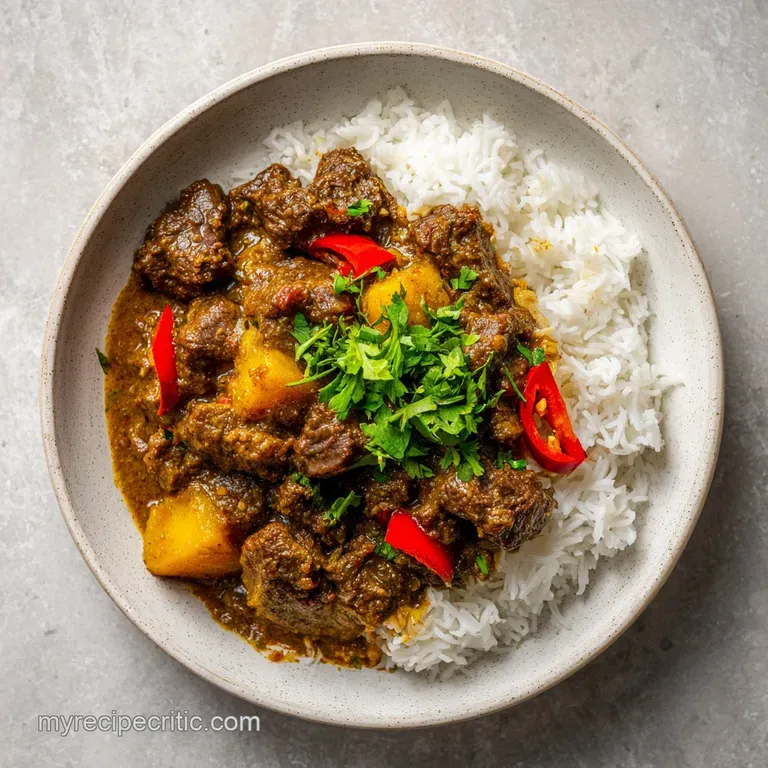
- Sear the lamb. Pat the 2 lbs of lamb shoulder dry and sear in 2 tbsp of ghee until a brown crust forms. Note: Do this in batches to avoid crowding the pan.
- Bloom whole spices. Remove meat, add remaining ghee, and toss in cinnamon, cardamom, and cloves until they smell fragrant and slightly toasted.
- Caramelize onions. Add the 3 diced onions and cook on medium low for 15 minutes until deeply golden and jammy.
- Add aromatics. Stir in 2 tbsp ginger paste and 2 tbsp garlic paste. Note: Cook for 2 minutes to remove the raw bite.
- Build the masala. Stir in the turmeric, cumin, coriander, and Kashmiri chili until the oil starts to separate from the paste.
- Incorporate tomatoes. Pour in the 14 oz of crushed tomatoes and cook for 5 minutes until the mixture darkens and thickens.
- Start the braise. Return the lamb to the pot and add 1 cup bone broth.
- Low simmer. Cover and cook for 1 hour 45 mins until the lamb is tender enough to cut with a spoon.
- Finish with creaminess. Stir in 14 oz coconut milk and 1 tsp garam masala. Note: Garam masala is added at the end to keep its volatile oils fresh.
- Rest and serve. Let the pot sit off the heat for 10 minutes until the sauce thickens and stabilizes.
The scent during step 5 is when you know you've done it right. It should be a heavy, spiced aroma that fills the whole house, much like the process of building the base for a Mums Chicken Curry recipe. Don't rush that onion stage; that's where the natural sweetness comes from to balance the heat.
Avoiding Common Braising Mistakes
Why Your Lamb Is Tough
If the meat feels like a rubber band, it's almost always because it hasn't cooked long enough. Many people stop when the meat is "done" (145°F), but for a shoulder cut, you need to push past that to about 200°F to melt the collagen.
| Problem | Root Cause | Solution |
|---|---|---|
| Greasy Sauce | Fat didn't emulsify | Stir in a splash of water and simmer uncovered |
| Bitter Taste | Burnt garlic or spices | Add a pinch of sugar or more coconut milk to balance |
| Thin Gravy | Onions weren't cooked down | Mash a few potatoes or let it reduce without a lid |
If you find the sauce is too thin at the end, don't panic. Just take the lid off, turn up the heat slightly, and let it bubble away for 10 minutes. The water will evaporate, leaving behind a concentrated, velvety gravy.
- ✓ Pat lamb completely dry before searing to get a real crust
- ✓ Don't skip the whole spices; they provide a different layer of flavor than ground
- ✓ Keep the heat low during the simmer - a rolling boil will toughen the meat
- ✓ Taste for salt at the very end, as the sauce concentrates during reduction
- ✓ Always use full fat coconut milk for the proper emulsion
Adjusting Portions For Any Crowd
When scaling this recipe up for a big group, you have to be careful with the liquid. If you double the meat to 4 lbs, don't automatically double the broth. Use about 1.5 cups instead of 2, because the meat itself will release quite a bit of moisture.
Also, work in three or four batches for the searing stage to ensure you get that smoke kissed bark on every piece.
Scaling down is easier, but keep an eye on the clock. A half batch (1 lb of meat) might be tender in 1 hour 15 mins instead of the full 1 hour 45 mins.
Use a smaller pot so the liquid still covers the meat; if the pot is too wide, the liquid will evaporate too quickly and leave your lamb high and dry.
| Method | Time | Texture | Best For |
|---|---|---|---|
| Stovetop | 2 hours 20 mins | Thick, concentrated sauce | Maximum flavor control |
| Slow Cooker | 6-8 hours (Low) | Extremely soft meat | Hands off prep |
| Pressure Cooker | 45 minutes | Decent texture, thinner sauce | Last minute dinner |
If you choose the pressure cooker method, you'll save time, but you won't get the same reduction in the sauce. You'll likely need to use a cornstarch slurry or simmer it uncovered for a few minutes after the pressure is released to get that signature thickness.
Debunking Traditional Kitchen Myths
One of the biggest myths is that you need to marinate the lamb in yogurt overnight for it to be tender. While yogurt does have lactic acid that can help, the long, slow braise in an acidic tomato base does 90% of the heavy lifting. If you’re short on time, skipping the marinade won’t ruin your dinner.
Another common misconception is that searing "seals in the juices." Science shows that seared meat actually loses slightly more moisture than unseared meat. However, we do it anyway because the flavor from the Maillard reaction on the crust is what gives the gravy its incredible depth.
You aren't sealing juice; you're building flavor.
Saving Scraps And Leftovers
Leftover curry is basically gold. Store it in an airtight container in the fridge for up to 4 days. As it sits, the starches in the onions and the fats in the lamb will continue to meld, often making it taste better on Tuesday than it did on Sunday.
To reheat, add a tiny splash of water or broth to the pan to loosen the sauce back up.
For zero waste cooking, don't toss the onion peels or ginger scraps! Throw them into a freezer bag. When the bag is full, boil them with some water and salt to make a quick vegetable base for your next soup.
If you have leftover sauce but no meat, it makes an incredible base for poaching eggs the next morning for a spiced breakfast.
Best Sides For Your Meal
You really can't go wrong with a pile of fragrant basmati rice. I like to toss a few whole cumin seeds into the rice cooker to mirror the flavors in the curry. If you're feeling fancy, a quick garlic butter naan is the perfect tool for scooping up every last bit of that velvety sauce.
If you want something fresh to cut through the richness, a simple cucumber and red onion salad with a squeeze of lime works wonders. The crunch of the raw vegetables provides a nice contrast to the soft, slow cooked lamb. Right then, I think you're ready to get that ghee shimmering.
Trust the process, don't rush the onions, and your kitchen is going to smell like heaven.
Recipe FAQs
What kind of lamb is best for curry?
Lamb shoulder. This cut has the ideal fat-to-meat ratio for long, slow braising, ensuring it becomes tender and flavorful rather than drying out.
What is the best curry with lamb?
Rogan Josh or a rich, slow simmered braise is traditionally best. These methods allow the connective tissue to break down fully, yielding that melt-in-your mouth texture we seek in deep curries.
Which spices go well with lamb?
Cumin, coriander, turmeric, cardamom, and cinnamon are essential pairings. These spices provide an earthy, warm backdrop that complements the robust flavor of the lamb perfectly.
What spices are essential for lamb curry?
Cumin and coriander are non-negotiable foundational spices. These two ground spices, bloomed in hot fat, create the signature deep flavor base for nearly all robust lamb curries.
Is it true that searing the lamb before simmering makes it tougher?
No, this is a common misconception. Searing develops hundreds of flavor compounds via the Maillard reaction on the surface, adding crucial depth that simmering alone cannot achieve.
How do I ensure my braising liquid reduces to a thick sauce?
Simmer the curry uncovered during the last 20 minutes. This allows steam to escape rapidly, concentrating the flavor and thickening the sauce naturally through evaporation.
Can I use a tougher cut of meat like beef chuck in this recipe?
Yes, you can substitute tough beef chuck successfully. If you enjoyed mastering the low-and-slow collagen conversion technique here, apply the same principle to beef chuck for an equally tender result in our My Secret to recipe.
Authentic Slow Cooked Lamb Curry
Ingredients:
Instructions:
Nutrition Facts:
| Calories | 618 kcal |
|---|---|
| Protein | 32.4 g |
| Fat | 47.2 g |
| Carbs | 17.6 g |
| Fiber | 3.8 g |
| Sugar | 7.2 g |
| Sodium | 415 mg |
