Whole 30 Recipe with Roasted Chicken and Vegetables
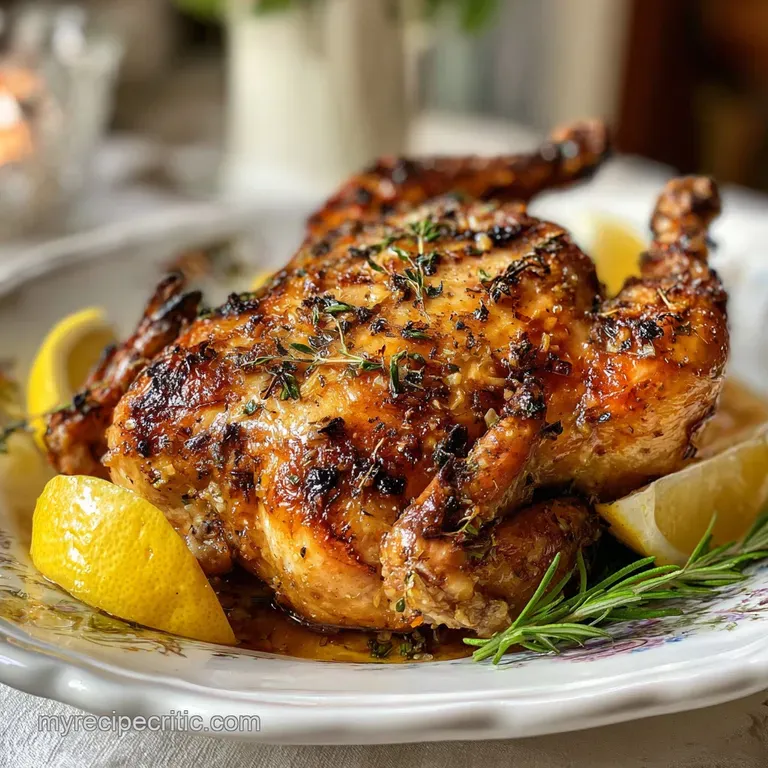
- Time: Active 20 minutes, Passive 45 minutes, Total 1 hour 5 minutes
- Flavor/Texture Hook: Savory rosemary and thyme with shattering, golden skin and velvety roasted carrots.
- Perfect for: Sunday dinner or Budget-Friendly weekly meal prep.
- Whole 30 Recipe with Roasted Chicken and Vegetables
- Science of the Perfect Roast
- Essential Timing and Nutrition Metrics
- Quality Ingredients for Better Flavor
- Proper Tools for One Pan Success
- Step-by-Step Method for Roasting Success
- Fixing Common Roasting Problems Fast
- Swaps for Budget-Friendly Eating
- Myths About Roasting Chicken
- Storage and Waste Reduction Tips
- Serving Ideas for a Family
- Planning Your Weekly Meal Prep
- Recipe FAQs
- 📝 Recipe Card
You know that specific, mouth watering sizzle that fills the kitchen when a whole bird hits a hot pan? That’s exactly what we are going for today. There is something deeply grounding about a roast.
This simple Whole 30 recipe with roasted chicken and vegetables makes a satisfying and flavorful meal without needing a bunch of fancy gadgets or processed fillers. I’ve burned enough garlic and ended up with enough rubbery skin in my time to know that the little details really matter here.
I remember my first attempt at a Whole 30 roast was a total disaster because I didn't dry the skin enough. It came out looking like it had been boiled. Honestly, don't even bother if you aren't going to pat that bird dry with paper towels first.
We want that deep gold color and a skin that crackles when the knife hits it. It's the ultimate comfort food that actually leaves you feeling good afterward, which is a rare win.
We’re keeping it simple with root vegetables that soak up all those rendered juices. It's a Budget Friendly way to feed four people, especially if you buy the whole pasture raised chicken on sale. Trust me on this, once you nail the timing, this will become your go to Tuesday night savior.
Let's crack on with the details.
Whole 30 Recipe with Roasted Chicken and Vegetables
Success in the kitchen usually comes down to chemistry, even if we just call it "good cooking." When we talk about this 30 recipe with roasted chicken and vegetables, we are really talking about heat management.
By roasting at a higher temperature, we encourage the meat to cook quickly while the fat underneath the skin renders out, essentially frying the skin from the inside out.
- Maillard Reaction: This is the chemical dance between amino acids and reducing sugars that creates that brown, savory crust we all love.
- Protein Denaturation: As the chicken heats, the protein coils unwind and then rebond, trapping moisture if we don't overcook it.
- Capillary Action: The salt in our rub draws moisture out of the skin, which then dissolves the salt and gets pulled back into the meat, seasoning it deeply.
- Adsorption: Drying the skin allows the heat to immediately begin browning rather than wasting energy evaporating surface water.
Why does spatchcocking improve the texture?
While the official instructions focus on a whole roast, I often butterfly or spatchcock my bird for even better results. This technique involves removing the backbone so the chicken lies flat.
It's brilliant because it exposes more skin to the direct heat and ensures the legs and breasts finish cooking at the same time. You avoid that classic problem where the breast is dry but the thighs are still pink.
Crusting With a Dry Brine
If you have an extra hour, salt your chicken and leave it uncovered in the fridge. This simple act of a dry brine changes the cellular structure of the meat, allowing it to hold onto more juice during the intense heat of the roast. It also ensures the skin stays paper thin and crispy rather than chewy or tough.
Using Ghee for High Heat
Ghee is our secret weapon here because it has a much higher smoke point than regular butter. Since we've removed the milk solids, it won't burn and turn bitter in a 425 degree oven. It provides that velvety mouthfeel and nutty flavor that defines a good 30 recipe with roasted chicken and vegetables.
Science of the Perfect Roast
When we assemble our components, we aren't just throwing things in a pan. We are building a flavor profile that relies on fat, acid, and salt to balance the natural sweetness of the carrots and onions. I like to think of the vegetables as a natural roasting rack that keeps the chicken from sitting in its own steam.
| Ingredient | Science Role | Pro Secret |
|---|---|---|
| Whole Chicken | Primary Protein | Room temp meat roasts 15% more evenly |
| Ghee | Lipid Medium | Use clarified butter for a 450°F smoke point |
| Kosher Salt | Ionic Seasoning | Salt the cavity for internal flavor depth |
| Fresh Rosemary | Volatile Aromatics | Bruise the leaves to release essential oils |
The onion quarters act as structural support, lifting the bird and allowing hot air to circulate underneath. This is a common trick I use in my Chicken Broccoli Casserole recipe to ensure heat distribution is even across the whole dish. It’s a simple mechanical solution to a common roasting problem.
Essential Timing and Nutrition Metrics
Understanding the "why" behind the numbers helps you adjust on the fly. We are looking for a total cook time of 45 minutes, but your oven might run hot or cold. Always rely on a meat thermometer rather than just the clock.
We want 165°F in the thickest part of the thigh, but I usually pull it at 160°F and let carryover cooking finish the job.
The nutrition here is incredibly balanced for a Whole 30 lifestyle. You're getting 52g of protein to keep you full, and the 32g of carbs come from complex sources like fingerling potatoes and carrots. This means no sugar crashes and plenty of fuel for your day.
Quality Ingredients for Better Flavor
For this recipe with roasted chicken and vegetables, the quality of your bird really dictates the final taste. A pasture raised chicken has a more complex fat profile and firmer meat compared to standard factory farmed options.
It might cost a few dollars more, but the difference in the "shatter" of the skin is undeniable.
- 1 whole pasture raised chicken (approx. 4 lbs / 1.8 kg) Why this? Provides the best fat to meat ratio for roasting.
- Sub: 4 lbs bone in, skin on chicken thighs (faster cook time).
- 2 tsp Kosher salt (12g) Why this? Large grains distribute evenly without over salting.
- Sub: 1 tsp Sea salt.
- 1 tsp cracked black pepper (2g) Why this? Coarse grind provides a sensory "pop" of heat.
- Sub: 1/2 tsp White pepper.
- 3 tbsp Ghee, softened (45g) Why this? High smoke point and rich, buttery flavor.
- Sub: Avocado oil (no buttery flavor).
- 4 cloves Garlic, minced (12g) Why this? Provides the aromatic backbone for the pan sauce.
- Sub: 1 tsp Garlic powder (mixed into ghee).
- 1 tbsp Fresh rosemary, finely chopped (4g) Why this? Piney notes that cut through the richness of chicken fat.
- Sub: 1 tsp Dried rosemary.
- 1 tbsp Fresh thyme, finely chopped (4g) Why this? Earthy flavor that complements the root vegetables.
- Sub: 1 tsp Dried thyme.
- 1 tsp Lemon zest (2g) Why this? Brightens the heavy fats without adding liquid acid.
- Sub: 1/2 tsp Dried lemon peel.
- 1 large Yellow onion, quartered (150g) Why this? Caramelizes to create a sweet base for the vegetables.
- Sub: 3 large Shallots, halved.
- 1 lb Baby carrots, scrubbed (450g) Why this? Consistent size ensures they cook at the same rate.
- Sub: Large carrots, cut into 2 inch chunks.
- 1 lb Fingerling potatoes, halved (450g) Why this? Thin skins and creamy texture that absorbs schmaltz.
- Sub: Yukon Gold potatoes, chopped into 1 inch cubes.
- 1 Lemon, sliced into rounds (50g) Why this? Slices soften and release juice slowly during roasting.
- Sub: 1 tbsp Apple cider vinegar (drizzled over veggies).
Selecting the Best Bird
When you're at the store, look for a chicken with a plump breast and skin that isn't overly translucent. If the skin looks tight and slightly yellowish, that’s usually a sign of a well fed bird. I always check the weight approx. 4 lbs is the sweet spot.
Anything larger takes too long to cook through before the vegetables turn to mush.
Flavorful Herb Ghee Rub
Mixing your herbs directly into the softened ghee is a non negotiable step. If you just sprinkle herbs on top, they often burn and turn bitter in the high heat. By suspending them in the fat, you protect the delicate leaves and allow the fat to carry the rosemary and thyme flavors deep into the skin as it renders.
Creating the Vegetable Foundation
The fingerling potatoes and baby carrots are the real stars of this recipe with roasted chicken and vegetables. They sit in the "schmaltz" (rendered chicken fat) and basically confit while the bird roasts. This creates a velvety interior and a slightly crispy exterior.
Don't crowd the pan too much, or they will steam instead of roasting.
Proper Tools for One Pan Success
You don't need a professional kitchen, but a heavy bottomed pan is essential. A cast iron skillet or a heavy roasting pan will hold onto heat much better than a thin cookie sheet. If the pan is too thin, the bottom of the vegetables will burn before the chicken is done.
Chef's Tip: Use a pan that just barely fits everything. If there is too much empty space, the chicken juices will spread out and burn on the pan surface instead of coating the vegetables.
For weighing ingredients like the 12g of garlic or 4g of rosemary, a small digital scale is a lifesaver. It keeps things consistent every time you make this. And please, invest in a good meat thermometer. It’s the difference between a juicy dinner and a dry one.
step-by-step Method for Roasting Success
- Heat the oven to 425°F (218°C) with the rack in the middle position. Note: This ensures even air circulation around the bird.
- Dry the chicken thoroughly using paper towels, including inside the cavity. Note: Moisture is the enemy of crispy skin.
- Mix the softened ghee, minced garlic, rosemary, thyme, lemon zest, salt, and pepper in a small bowl. Note: Create a thick paste that will cling to the bird.
- Rub the herb ghee mixture over the entire chicken and under the skin of the breast. Note: Fat under the skin keeps the white meat from drying out.
- Toss the onion, baby carrots, and potatoes in the roasting pan with a pinch of salt. Note: These will act as the "rack" for the chicken.
- Place the chicken on top of the vegetables and tuck the lemon rounds around the sides. Note: The lemon will deglaze the pan juices as they release.
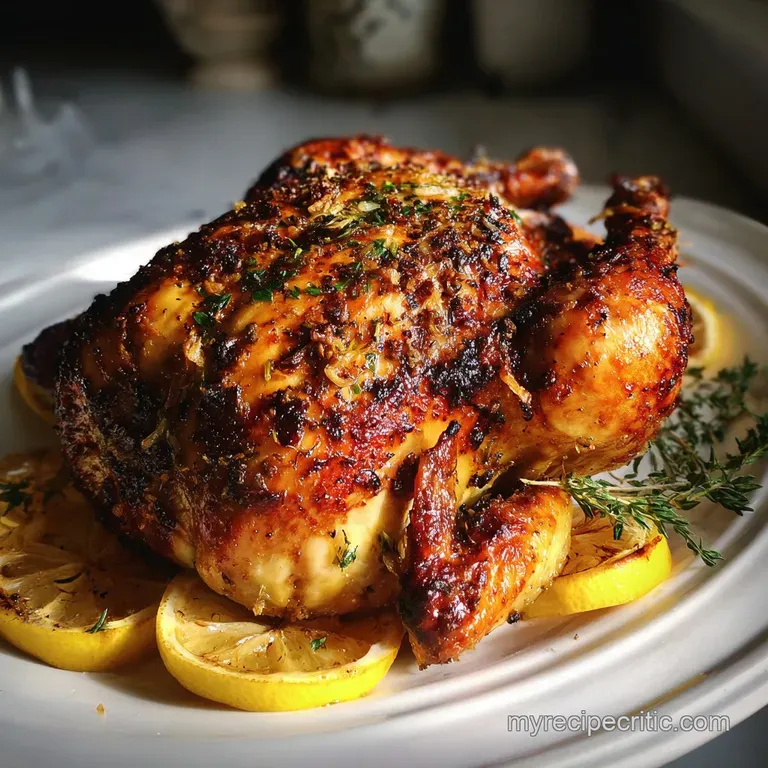
- Roast for 45 minutes until the skin is dark golden and the juices run clear. Note: Check the internal temperature at the 40 minute mark.
- Verify the temperature reaches 165°F (74°C) in the thickest part of the thigh. Note: Avoid hitting the bone with the thermometer probe.
- Rest the chicken on a cutting board for at least 10 minutes before carving. Note: This allows the juices to redistribute so they don't pour out.
- Toss the vegetables in the remaining pan juices one last time before serving. Note: This adds a final layer of savory richness.
Preparing the Whole Chicken
If your chicken has a bag of giblets inside, don't throw those away! I usually tuck the neck into the pan to add extra flavor to the juices. Also, make sure to tuck the wing tips behind the back. It prevents them from burning and helps the bird sit flat.
It's a small detail that makes the whole thing look much more professional.
Applying the Savory Rub
Be aggressive with the rub. Use your fingers to gently separate the skin from the meat at the neck end, then shove some of that ghee mixture right in there. This is a trick I learned making my Homemade Chicken Parmesan recipe — moisture needs to be trapped close to the meat to keep things tender.
Roasting for Maximum Efficiency
If your vegetables aren't quite tender when the chicken reaches 165°F, simply pull the chicken out to rest and pop the vegetables back in for 5-10 minutes. This ensures everything is at its peak texture.
The chicken needs that rest time anyway, so it works out perfectly for your schedule.
Fixing Common Roasting Problems Fast
Even the most experienced cooks run into issues with a whole roast. Maybe your oven has a hot spot, or the chicken was a bit more damp than you realized. The key is to catch these problems before the timer goes off.
Fixing Rubbery Chicken Skin
If the timer is almost up and the skin looks pale, your oven might not be hot enough, or there was too much moisture. Crank the heat to 450°F for the last 5 minutes. Watch it like a hawk so it doesn't burn, but that blast of high heat can usually save a soggy skin situation.
| Problem | Root Cause | Solution |
|---|---|---|
| Rubbery Skin | Excess moisture or low temp | Pat dry with paper towels; roast at 425°F+ |
| Burnt Garlic | Minced too small or exposed | Mix garlic into ghee; tuck under skin |
| Dry Breast Meat | Overcooked or no fat | Pull at 160°F; rub ghee under the skin |
One thing I see often is people trying to use "light" versions of ingredients. This is a Whole 30 recipe, so we want those healthy fats. If you try to skimp on the ghee, the skin will never reach that "shatter" stage. It's better to use the full 3 tbsp and just enjoy the result.
Preventing Burnt Garlic Bits
Garlic burns much faster than chicken cooks. If you find your garlic is turning black on top of the skin, try this: next time, only put the garlic under the skin or mixed deeply into the ghee.
The skin acts as a heat shield, letting the garlic infuse the meat without ever touching the direct flame of the oven's heating element.
Avoiding Dry Chicken Breast
This is the most common complaint with any roasted chicken and vegetables. Because the breast is leaner than the thigh, it cooks faster. To combat this, I sometimes start the chicken breast side down for the first 15 minutes, then carefully flip it over.
This lets the back and thighs take the brunt of the initial heat.
Swaps for Budget Friendly Eating
Feeding a family on Whole 30 can get pricey, so I'm all about the smart swaps. You don't always need the most expensive fingerling potatoes to get a great result. Sometimes, whatever is on sale at the farmer's market will work just as well as long as you adjust the chopping size.
- If you want a deeper flavor, add a teaspoon of espresso powder to the rub. (Note: Not Whole 30 compliant if it has additives, but great for standard roasting!)
- If you want more acidity, drizzle the finished vegetables with a tablespoon of apple cider vinegar right before serving.
- If you want extra crunch, add a handful of halved Brussels sprouts to the pan halfway through the roasting time.
| Original Ingredient | Substitute | Why It Works |
|---|---|---|
| Ghee | Avocado Oil | High smoke point (520°F). Note: Loses the buttery flavor profile |
| Fingerling Potatoes | Yukon Gold (cubed) | High starch content. Note: Needs to be cut into 1 inch pieces |
| Fresh Herbs | Dried Herbs (1/3 amount) | Concentrated oils. Note: Can taste slightly medicinal if overused |
Budget wise, buying a whole chicken is almost always cheaper than buying pre cut pieces. Plus, you get the bones for later! It's the ultimate zero waste move. If you are really pinching pennies, frozen carrots (thawed and dried) can work, though the texture won't be quite as velvety as fresh baby carrots.
Myths About Roasting Chicken
One of the biggest lies in the culinary world is that searing meat "seals in the juices." I used to believe this religiously until I learned the science. Searing actually creates flavor through browning, but it doesn't create a physical barrier to moisture.
Your chicken stays juicy because you didn't overcook the proteins, not because you "sealed" it.
Another myth is that you must wash your chicken before cooking. Please, for the love of your kitchen counters, don't do this. Washing the bird just splashes bacteria around your sink. The heat of a 425°F oven is going to kill anything harmful way more effectively than a rinse in the tap ever could.
Finally, some people think you need to baste the chicken every 15 minutes. Every time you open that oven door, you lose a massive amount of heat. Basting actually makes the skin soggy by adding liquid to the surface. Just leave it alone!
The ghee we rubbed on at the start is all the "basting" this bird needs.
Storage and Waste Reduction Tips
Roasted chicken is the gift that keeps on giving. I usually make two of these at once just so I can have the leftovers for a Chicken Salad Recipe later in the week. It stays fresh in the fridge for about 3 to 4 days if stored in an airtight glass container.
- Fridge: 3-4 days in an airtight container.
- Freezer: Up to 3 months (remove meat from bone first).
- Zero Waste: Save the carcass and any vegetable scraps (onion skins, carrot tops) in a bag in the freezer. Once you have two carcasses, simmer them with water for 6 hours to make the most incredible bone broth.
When reheating, I find the microwave usually makes the skin rubbery. Instead, put the chicken and vegetables in a pan with a splash of water or broth, cover it, and heat it on the stove over medium low. It steams the meat back to life without drying it out.
If you want the skin crispy again, a quick 2 minute session under the broiler works wonders.
Serving Ideas for a Family
Presentation matters, even on a Tuesday. I like to serve this right in the roasting pan if it's a nice cast iron piece. It looks rustic and keeps everything warm. Scatter some fresh parsley over the top to give it a pop of color against the deep browns and oranges of the roasted chicken and vegetables.
Perfect Side Dish Pairings
Even though this is a one pan meal, sometimes you want a little something extra. A bright, crunchy green salad with a lemon tahini dressing provides a great contrast to the heavy roasted flavors. If you aren't strictly on a Whole 30 round, this pairs beautifully with the sauce from my Broccoli Casserole recipe.
Better Than Bistro Chicken
There is a certain pride in making a meal that tastes better than what you’d pay $30 for at a French bistro. The key is that final toss of the vegetables in the pan juices. That "schmaltz" is liquid gold. Don't let it go to waste!
Use a spatula to scrape up all those browned bits (the fond) from the bottom of the pan that’s where all the concentrated flavor lives.
Planning Your Weekly Meal Prep
If you're using this as part of a meal prep strategy, I recommend carving the chicken entirely while it's still warm but not hot. Portion it out with the vegetables into containers immediately. This prevents the meat from oxidizing and developing that "leftover" taste.
How far ahead can I prep?
You can chop the onions, potatoes, and carrots up to 2 days in advance. Just keep the potatoes in a bowl of water in the fridge so they don't turn brown, then dry them thoroughly before roasting.
The herb ghee rub can also be made a week ahead and kept in the fridge; just let it soften on the counter for 20 minutes before you try to rub it on the bird.
The Best Reheating Method
If you have an air fryer, that is hands down the best way to reheat this meal. Set it to 350°F for about 5 minutes. It brings the crunch back to the skin and the edges of the potatoes like nothing else. It’s a total life changer for anyone who hates "soggy" leftovers.
This Whole 30 recipe with roasted chicken and vegetables is more than just a diet meal; it's a fundamental kitchen skill. Once you master the art of the over high heat roast and the herb ghee rub, you'll never look at a rotisserie chicken the same way again.
It’s simple, it’s honest, and it’s absolutely delicious. Enjoy the sizzle!
Recipe FAQs
Can I use chicken thighs instead of a whole chicken?
Yes, bone-in, skin-on chicken thighs are a good substitute. They cook faster than a whole bird, so keep an eye on them to prevent overcooking.
Why is drying the chicken skin so important?
Drying the skin is crucial for achieving crispy results. Moisture on the skin prevents browning and leads to a rubbery texture.
What's the best way to ensure the vegetables are tender when the chicken is done?
Toss the vegetables with salt and arrange them in a single layer. This allows them to roast evenly and absorb the delicious chicken drippings without steaming.
How can I prevent the chicken breast from drying out?
Rub ghee and herbs under the breast skin and consider pulling the chicken a few degrees early. Resting allows for carryover cooking, ensuring moist breast meat. This technique is also key to the succulence in our Foolproof Chicken Alfredo Recipe Smooth Creamy Parmesan Sauce.
Can I use regular butter instead of ghee?
No, it's best to stick with ghee for high heat roasting. Ghee has a higher smoke point than butter, meaning it won't burn and turn bitter in a hot oven like regular butter would.
How long should the chicken rest after roasting?
Rest the chicken for at least 10 minutes before carving. This allows the juices to redistribute throughout the meat, ensuring a moister final product.
Is it true that searing chicken seals in juices?
No, this is a common misconception. Searing creates flavor through browning (the Maillard reaction), but it does not create a physical barrier to keep juices inside. Juiciness comes from not overcooking the meat.
Whole 30 Roast Chicken Veg
Ingredients:
Instructions:
Nutrition Facts:
| Calories | 648 kcal |
|---|---|
| Protein | 52g |
| Fat | 34g |
| Carbs | 32g |
| Fiber | 6g |
| Sugar | 5g |
| Sodium | 1240mg |
