The Ultimate Guide to Sous Vide Recipes
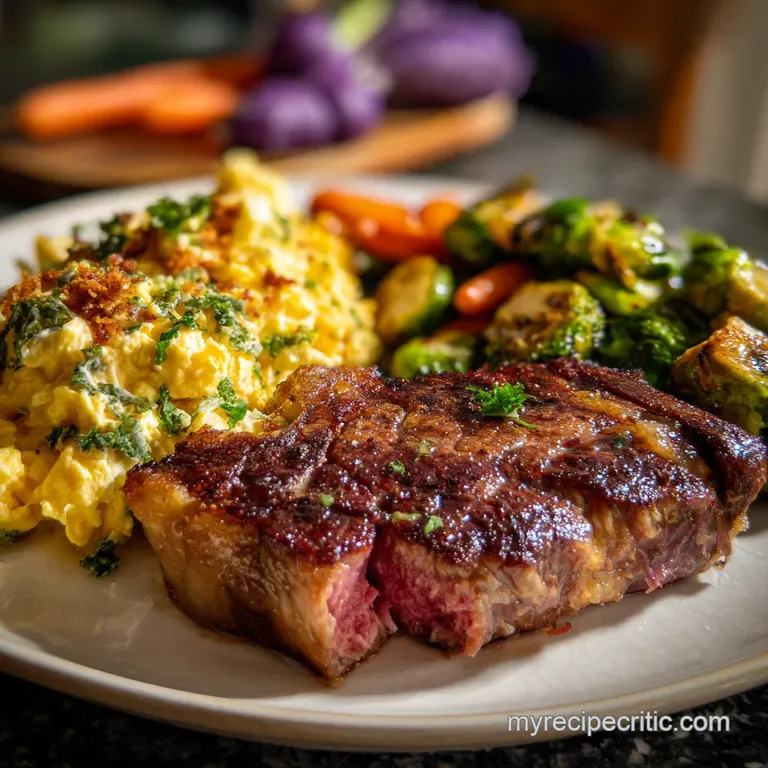
- Effort/Time: 15 minutes of active prep; 2 hours of hands-off water bath cooking.
- Key Flavor Hook: A buttery, garlic-infused ribeye paired with the world's creamiest, most velvety egg salad.
- Perfect for: Impressing date-night guests or meal-prepping professional-grade proteins for the week.
- Master the Art of Precision: The Only Sous Vide Recipes You’ll Ever Need
- Why You’ll Love These Sous Vide Recipes
- The Science of Flavor: Why Water-Bath Cooking Works
- Essential Ingredients and Smart Substitutions
- Step-by-Step Guide to the Ultimate Sous Vide Recipes
- Pro Tips to Avoid Common Mistakes in Sous Vide Recipes
- Storage and Freezing Guidelines
- Gourmet Serving Suggestions
- Nutrition Information
- Recipe FAQs
- 📝 Recipe Card
Master the Art of Precision: The Only Sous Vide Recipes You’ll Ever Need
Close your eyes and imagine the sound. It’s a rhythmic, low-frequency hum coming from a pot on your counter. Inside that pot, magic is happening. There’s no smoke, no frantic flipping of spatulas, and absolutely zero risk of turning a beautiful $40 cut of meat into a leather shoe.
When you finally pull that ribeye out, the smell hit you earthy rosemary, pungent garlic, and the deep, mineral scent of perfectly aged beef. This is the world of sous vide recipes , and honestly, once you step into this "under vacuum" lifestyle, your kitchen game changes forever.
I remember the first time I tried cooking a thick steak the traditional way. I was hovering over a cast iron skillet, smoke billowing into my hair, poking the meat every thirty seconds with a thermometer, sweating bullets. I still overshot it. It was grey on the outside and raw in the very center.
But with sous vide recipes , that anxiety just evaporates. You set a temperature, you walk away, and you come back to a result that looks like it walked out of a Michelin starred kitchen.
Whether you are a total beginner or a seasoned pro, these sous vide recipes are about to become your new best friend.
We’re not just doing steak today, though. We’re going for the full "Chef’s Table" experience. We’re talking about a ribeye so tender it practically sighs when you cut it, paired with a Japanese style creamy egg salad that will make you rethink everything you knew about boiled eggs.
And the carrots? They aren't just a side dish; they are glazed in maple syrup and butter until they taste like vegetable candy. Let’s get into the weeds of why this method is the absolute gold standard for home cooks.
Why You’ll Love These Sous Vide Recipes
The beauty of sous vide recipes lies in the consistency. If you want a medium rare steak, you set your circulator to 131° F. The water bath ensures the meat never exceeds that temperature. It’s physics, really.
You can’t overcook it even if you leave it in for an extra 30 minutes. This hands off approach is a total lifesaver for those of us who get distracted by a glass of wine or a chaotic dog.
On top of that,, sous vide recipes excel at texture. Because the food is sealed in a bag, it cooks in its own juices. There’s no evaporation, which means no loss of flavor or moisture. That ribeye stays plump and juicy, and those eggs become a texture I can only describe as "custard like." If you're looking for more ways to simplify your kitchen life, you might also love these Weeknight Recipes: Sheet Pan Sausage Gnocchi Done Fast for those nights when the water bath feels like too much of a commitment.
The Science of Flavor: Why Water Bath Cooking Works
Mastering Precision Temperature Control
The core of sous vide recipes is the immersion circulator. It moves water around the pot, ensuring there are no cold spots. In a traditional oven, the air is a poor conductor of heat, and the temperature fluctuates wildly. Water, however, is a thermal beast.
It holds onto heat and transfers it to your food with surgical precision. This allows proteins to denature slowly, breaking down tough connective tissues without tightening the muscle fibers into a knot.
Unlocking Edge-to-Edge Perfect Doneness
When you sear a steak in a pan, you get a "grey band" of overcooked meat near the surface. With sous vide recipes , that band is non-existent. Because the entire steak reaches the target temperature simultaneously, you get a uniform pink color from the very top to the very bottom.
It’s the visual hallmark of a professional chef. When you finally sear it at the end, you’re only applying heat to the very outer molecules, leaving the interior untouched and pristine.
Retaining Natural Juices and Nutrients
In a standard boil or roast, vitamins and minerals often leach out into the water or evaporate into the air. In sous vide recipes , everything stays trapped.
The maple syrup in our carrots isn't just coating the outside; the pressure of the vacuum (or the water displacement) actually forces those flavors into the fiber of the vegetable. This results in a deeper, more concentrated flavor profile that makes "healthy" food taste like a decadent treat.
Essential Ingredients and Smart Substitutions
To make the most of these sous vide recipes , quality matters. For the ribeye, look for heavy marbling those little white flecks of fat are your flavor insurance policy.
For the egg salad, using Japanese Kewpie mayo is a non-negotiable for me because it uses only egg yolks and rice vinegar, giving it a much richer, tangier profile than standard mayo.
But look, I get it. Sometimes the store is out of what you need. Here is how to pivot without ruining the dish.
| Original Ingredient | Best Substitute | Why It Works |
|---|---|---|
| Ribeye Steak | Chuck Eye or Striploin | Chuck eye is the "poor man's ribeye" and handles the long bath beautifully. Striploin is leaner but stays tender. |
| Japanese Kewpie Mayo | Avocado Oil Mayo + 1/2 tsp sugar | Mimics the richness. Note: It won't have the same MSG-savory "umami" punch as the original. |
| Avocado Oil | Ghee (Clarified Butter) | Both have high smoke points (above 450° F), essential for the final sear. Butter alone will burn and taste bitter. |
| Maple Syrup | Honey or Brown Sugar | Provides the necessary sugar for caramelization. Note: Honey adds a floral note that changes the flavor profile slightly. |
| Kosher Salt | Sea Salt (Flaky) | Provides a clean saltiness. Avoid table salt, as the iodine can leave a metallic aftertaste in the bag. |
step-by-step Guide to the Ultimate Sous Vide Recipes

1. Prepping and Vacuum Sealing Your Ingredients
Start by patting your 2 lbs of ribeye steak completely dry with paper towels. This is crucial moisture is the enemy of a good sear later. Season generously with 2 tsp of kosher salt and 1 tsp of coarsely ground black pepper.
Place the steak in a heavy duty freezer bag or vacuum bag along with 3 sprigs of fresh thyme and 2 smashed garlic cloves.
For the carrots, toss 1 lb of baby carrots with 2 tbsp of unsalted butter and 1 tbsp of maple syrup before sealing. For the 6 large eggs, you don't even need a bag! You can cook them straight in their shells.
2. Calibrating Your Immersion Circulator
Fill a large pot or sous vide container with water. Attach your circulator and set the temperature. For a perfect medium rare ribeye, set it to 131° F. If you prefer medium, go for 140° F.
For the carrots and eggs, you’ll want to run them at 145° F (you can do the steak at this temp too if you like it firmer, or do them in stages).
Lower the bags into the water using the water displacement method (unzip the corner, submerge until the air is pushed out, then seal). While you wait, if you're feeling ambitious, you could prep a side of Italian Sausage Recipes: Comforting Tuscan Kale Bean Stew to serve alongside for a truly rustic feast.
3. Executing the Perfect Post Bath Sear
After 2 hours (for the steak) and 1 hour (for the carrots), remove the bags. This is the part where most people fail at sous vide recipes : you MUST dry the meat again. Take the steak out, discard the aromatics, and pat it bone dry.
Heat 1 tbsp of avocado oil in a cast iron skillet until it’s screaming hot and starting to shimmer. Lay the steak in. Sizzle. You want a "shatter" crust. Sear for only 45 seconds to 1 minute per side. Toss in a knob of butter at the very end for a nutty finish.
For the carrots, pour the bag contents into a hot pan and reduce the liquid for 2 minutes until it becomes a sticky, velvety glaze.
4. Crafting the Creamy Egg Salad
Take your 6 eggs out of the water (they should have cooked for about 45 minutes at 145° F). Shock them in an ice bath for 10 minutes. Crack them into a bowl; they will be soft and custardy.
Mix with 1/4 cup Kewpie mayo, 1 tsp Dijon mustard, 1 tbsp minced chives, and 1/4 tsp smoked paprika. The texture is vastly superior to the rubbery bits you find in a standard easy egg salad recipe . It’s more like a savory mousse.
Chef’s Expert Tip: For a crust that will make your neighbors jealous, brush a very thin layer of the Kewpie mayo onto the dried steak right before searing. The proteins and fats in the mayo trigger an explosive Maillard reaction, giving you a dark, mahogany crust in half the time.
Also, if you want a deeper flavor in your carrot glaze, add a tiny pinch of espresso powder it sounds crazy, but it makes the maple syrup taste incredibly complex.
Pro Tips to Avoid Common Mistakes in Sous Vide Recipes
Even with the best tech, things can go sideways. Here’s how to troubleshoot like a pro.
| Problem | Root Cause | The Fix |
|---|---|---|
| Bag is floating | Trapped air or buoyant veggies (like carrots) | Use a heavy spoon or "sous vide weights" to keep the bag fully submerged for even cooking. |
| Meat looks grey/unappetizing | No Maillard reaction | Your pan wasn't hot enough or the meat was too wet. Ensure the surface is bone dry before searing. |
| Rubbery Egg Whites | Temperature too high | Stick to 145° F- 147° F. Any higher and the proteins tighten too much, losing that velvety homemade egg salad feel. |
| Bag Leaking | Poor seal or cheap bags | Always use "Freezer" grade bags or double seal vacuum bags to prevent water intrusion. |
Storage and Freezing Guidelines
One of the secret perks of sous vide recipes is how well they work for meal prep. You can cook your steaks or carrots, leave them in their sealed bags, and shock them in an ice bath immediately after cooking.
- Fridge: Sealed bags will stay fresh for up to 5 days. When you're ready to eat, just drop them back into a 130° F water bath for 15 minutes to warm through, then sear as usual.
- Freezing: You can freeze the cooked, sealed bags for up to 3 months. To reheat, thaw in the fridge overnight and follow the "Fridge" reheating instructions.
- Reheating: Never use a microwave for sous vide meats. It will ruin that edge-to-edge perfection. Always use the water bath or a very low oven ( 200° F) to gently bring it back to temperature.
Gourmet Serving Suggestions
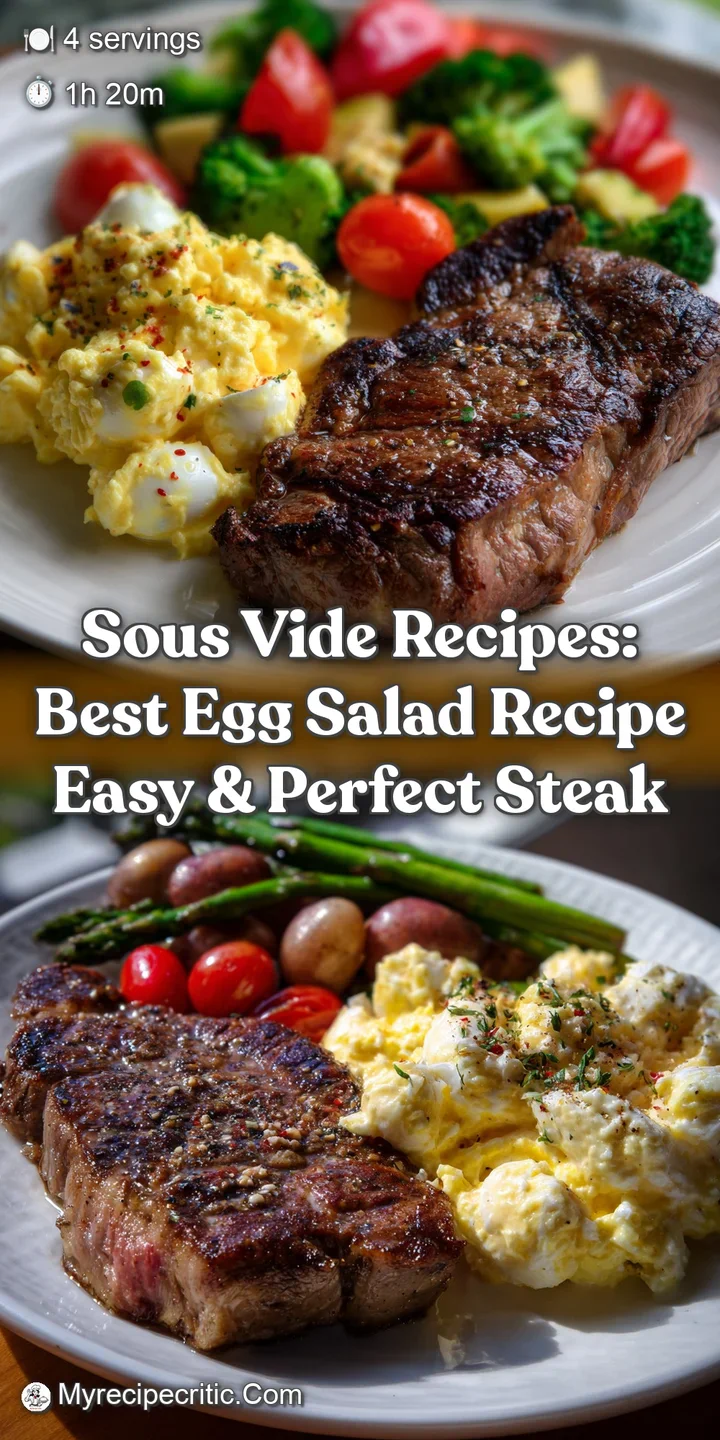
To turn these sous vide recipes into a restaurant quality meal, presentation is everything. Slice the ribeye against the grain into thick strips. Arrange them in a fan shape on a warmed plate.
Pile the maple glazed carrots next to them, ensuring you drizzle that extra pan glaze over the top so it glistens under the dining room lights.
For the homemade egg salad , serve it in a small chilled ramekin on the side, or better yet, on a thick slice of toasted brioche. The contrast between the hot, salty steak and the cool, creamy, tangy egg salad is a literal flavor explosion. If you want to round out the meal with something sweet, these Christmas Cookies Recipes: Sturdy, Spiced Cut-Outs are a fantastic "make-ahead" dessert that pairs beautifully with a post dinner coffee.
Cooking with water might feel high tech or even a little bit "cheating," but at the end of the day, these sous vide recipes are about one thing: respect for the ingredient. You’re giving that ribeye and those carrots the exact environment they need to shine.
So, grab your circulator, get that water humming, and prepare to eat the best meal you've ever made in your own kitchen. Trust me, your taste buds will thank you for finally making the switch to the precision of sous vide recipes . Let's crack on!
- - Calories
- 906 kcal
- - Protein
- 52 g
- - Fat
- 74 g
- - Carbs
- 13 g
Nutrition Information
| Nutrient | Amount |
|---|---|
| Calories | 906 kcal |
| Protein | 52 g |
| Fat | 74 g |
| Carbs | 13 g |
| Fiber | 3 g |
| Sugar | 5 g |
| Sodium | 1120 mg |
Recipe FAQs
What is sous vide cooking?
Sous vide cooking, French for "under vacuum," is a method where food is sealed in a bag and cooked in a precisely temperature controlled water bath. This technique guarantees edge-to-edge perfection because the water temperature dictates the final internal temperature of the food, eliminating overcooking.
How do I execute a basic sous vide recipe?
To execute a basic sous vide recipe, first seal your ingredients (like the butter/garlic ribeye mentioned) in a vacuum sealable bag, then immerse it in a water bath set to the exact desired final temperature.
The process typically involves minimal active prep (around 15 minutes) followed by a long, hands off cook time, often 2 hours or more, depending on the item.
Can I make a homemade sous vide setup?
Yes, you can create a makeshift sous vide setup using a large stockpot and a reliable digital thermometer, though it requires constant manual adjustment. However, for the precision guaranteed by modern sous vide recipes, investing in an immersion circulator is highly recommended to maintain the exact temperature needed for the best results.
What qualifies as a "sous vide recipe"?
A sous vide recipe is any dish utilizing precision temperature control via a water bath to achieve specific textural goals, such as guaranteeing an edge-to-edge perfect medium rare ribeye or achieving the world's creamiest egg yolk.
These recipes rely on time and temperature rather than traditional high heat cooking methods.
What is the active preparation time for these recipes?
Yes, active preparation time is minimal, often only about 15 minutes for seasoning and bagging the ingredients for the water bath. The majority of the time involves the hands off water bath cooking process, freeing you up for other tasks.
Can I sear the meat after the water bath?
Yes, searing is a crucial step for most savory sous vide recipes, especially steaks like the featured ribeye. After the water bath, quickly pat the meat dry and sear it in a very hot pan for 60-90 seconds per side to develop a flavorful crust without raising the perfectly cooked internal temperature.
Ultimate Sous Vide Recipes Guide

Ingredients:
Instructions:
Nutrition Facts:
| Calories | 906 kcal |
|---|---|
| Protein | 52 g |
| Fat | 74 g |
| Carbs | 13 g |
| Fiber | 3 g |
| Sugar | 5 g |
| Sodium | 1120 mg |
