Chicken Fajita Marinade: the Ultimate Restaurant-Quality Flavour Bomb
- Cracking the Code: Why This Chicken Fajita Marinade is Your New Secret Weapon
- The Science of Sizzle: How the Marinade Delivers Maximum Flavor and Tenderness
- Essential Components for the Ultimate Flavour Bomb: Ingredients Deep Dive
- Mixing the Magic: Step-by-Step Guide to Preparing the Marinade
- Expert Tips for Mastering Your Chicken Fajita Marinade Timing
- Storing the Perfect Batch: Making the Chicken Fajita Marinade Ahead of Time
- What to Serve Fajitas With: Perfect Culinary Pairings
- Recipe FAQs
- 📝 Recipe Card
Cracking the Code: Why This Chicken Fajita Marinade is Your New Secret Weapon
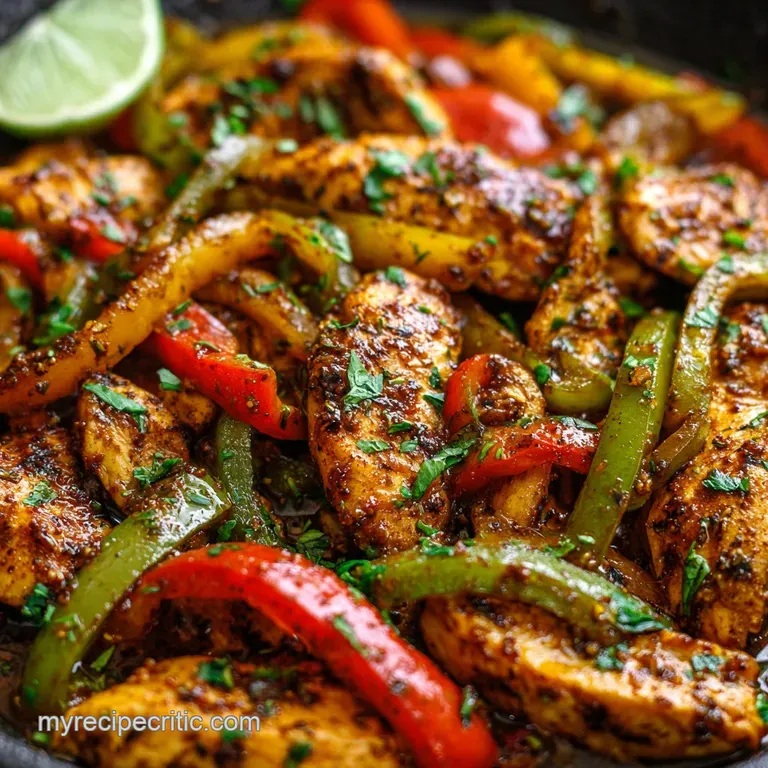
You know that moment when you order fajitas and the platter hits the table? That smell alone is enough to make the entire restaurant jealous. It’s smoky, deeply savory, and crackling with heat. That iconic sizzle and aroma? It all starts right here.
This recipe for the ultimate Chicken Fajita Marinade is my go-to for weeknight dinners. It takes about ten minutes to mix up, costs practically nothing, and it’s a total game changer for anything you plan to throw on a skillet or grill.
Seriously, ditch the packets; this homemade magic is lightning fast and guarantees flavor.
We aren’t just soaking things in lime juice and calling it a day, okay? We are building layers of flavor Tex-Mex style using a specific ratio of acid, fat, and deeply roasted spices.
Let’s crack on and figure out exactly how to nail the best chicken fajita marinade you’ve ever tasted.
The Science of Sizzle: How the Marinade Delivers Maximum Flavor and Tenderness
Moving Beyond Standard Spice Rubs
A dry spice rub is great for immediate high heat, but a proper liquid marinade penetrates deeper. Oil acts as the flavor carrier, ensuring those precious cumin and paprika molecules get dragged deep into the fibers.
This simple technique prevents the spices from just burning off the surface as soon as they hit a hot skillet.
What Makes This Recipe Truly Tex-Mex?
Authentic Tex-Mex flavor relies heavily on two things: smoke and earthiness. We achieve this with generous amounts of smoked paprika and true ground cumin. The acid from the citrus also works to gently relax the protein fibers, which helps keep the final dish incredibly juicy, even when cooked quickly under high heat.
Equipment Checklist: Getting Started
You really don't need much to tackle this easy chicken fajita marinade . A sturdy whisk and a medium bowl are essential. You will definitely want a reliable Ziploc bag or airtight container for the actual marination process.
The Dual Acidity Strategy (Lime vs. Orange)
If you only use lime juice, the flavor can be aggressively bright, bordering on sour. Adding just a tablespoon or two of fresh orange juice mellows that acidity beautifully. This tiny bit of orange also introduces a subtle, slightly sticky sweetness that helps promote that gorgeous caramelization when everything hits the pan.
It's brilliant.
Harnessing the Power of Smoked Paprika
If you are currently using regular paprika, stop. Right now. Smoked paprika is the secret weapon that delivers that grill charred flavor, even if you are cooking indoors in a cast iron pan. It’s non-negotiable for achieving truly authentic flavor in this homemade chicken fajita marinade .
Oil Emulsification for Flavor Penetration
We use olive oil here because it’s a brilliant solvent for spice extraction. You must whisk the oil into the citrus juices until they look cloudy before adding the dry spices. This simple step creates a thick, creamy base that adheres better to the ingredients instead of running straight to the bottom of the bag.
Essential Components for the Ultimate Flavour Bomb: Ingredients Deep Dive
I love this ingredient list because everything is probably already hiding in your pantry. We are focusing on bold, balanced flavors that work harmoniously. Trust me, every measurement is there for a reason.
Fresh Citrus Sources and Substitutions
Freshly squeezed lime is mandatory for the vibrant Tex-Mex punch. Don't even think about using the bottled stuff; the flavor profile is totally off.
| Ingredient | Role | Substitution |
|---|---|---|
| Fresh Lime Juice | Acidity & Tenderizing | White Wine Vinegar (use 3/4 the volume) |
| Fresh Orange Juice | Sweetness & Mellowing | Pineapple Juice or a pinch of Brown Sugar |
| Olive Oil | Flavor Carrier, Fat | Avocado Oil or Canola Oil |
| Soy Sauce/Tamari | Umami & Browning | Worcestershire Sauce or Coconut Aminos |
The Function of Aromatics (Garlic and Onion Powder)
Fresh garlic is essential, of course, but don't skip the onion powder. Onion powder is more concentrated and disperses better through the liquid than sliced or diced fresh onion would. It ensures every single piece gets a savory layer, providing depth alongside the lime and chili.
Balancing Heat and Sweetness
I use Ancho chili powder because it has a deep, slightly fruity flavor before the heat kicks in. If you want things spicier (and who doesn't sometimes?), add a touch of cayenne pepper, but start small! You can always add heat later, but you can’t easily take it away.
Choosing the Right Salt for Optimal Marination
I always use Kosher salt for marinades because the flakes dissolve well and provide great control over salinity. Remember, we are also adding soy sauce, so you need to factor that intense saltiness into your measurement.
Err on the side of less salt initially ; you can always sprinkle a little more on the final sizzle platter.
Mixing the Magic: step-by-step Guide to Preparing the Marinade
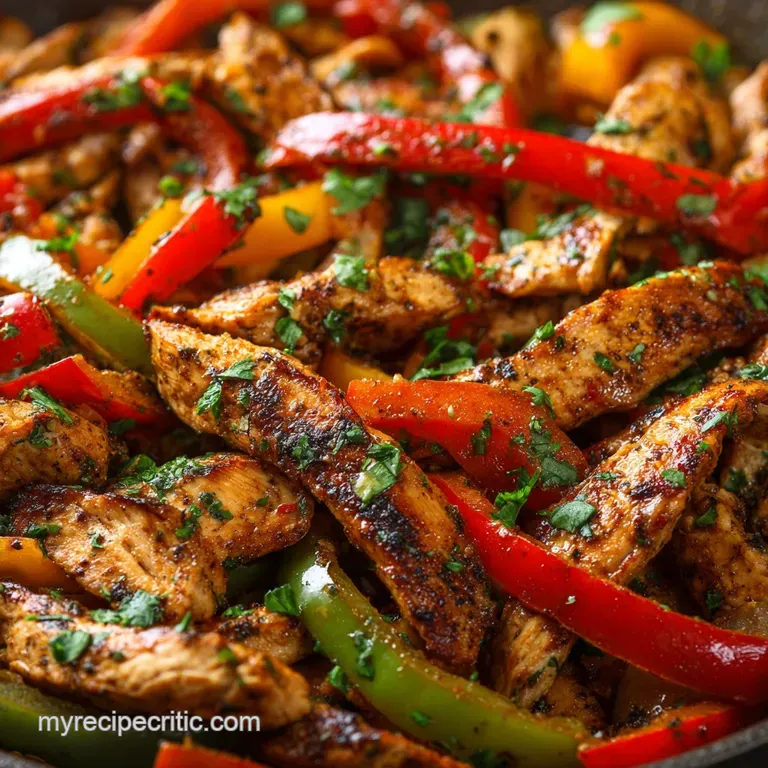
This process is straightforward, but technique matters. We need maximum flavor extraction and adhesion.
Combining Dry Spices Before Wet Ingredients
Before you introduce any liquids, mix all your dry spices cumin, chili powder, paprika, salt, pepper, and oregano in the bowl first. This ensures they are fully blended and prevents clumping when the oil hits.
Creating a Proper Emulsion Base
Pour the olive oil, lime juice, orange juice, and soy sauce over the dry mixture. Vigorously whisk the combination for about 30 seconds. The mixture will lighten in color and thicken slightly, showing that the oil and acid have properly emulsified. This creamy texture is exactly what you want for superior coating.
How to Test Marinade Acidity
Dip a teaspoon into the completed marinade and give it a quick taste. It should taste bright, punchy, and highly seasoned almost too salty or acidic on its own. If it tastes flat, add a pinch more salt or a squeeze more lime.
Remember, this flavor intensity will dilute dramatically once it hits the main ingredient.
Best Practices for Sealing the Bag or Container
If you are using a Ziploc bag, press out as much air as humanly possible before sealing. This guarantees the marinade hugs every surface. If you use a container, ensure the container size allows the marinade to fully submerge everything.
Chef’s Note: Did you know that the small amount of sugar in the orange juice reacts with the acid to form invert sugar? This really turbocharges the caramelization process when the heat is applied later.
Expert Tips for Mastering Your Chicken Fajita Marinade Timing
People always ask me how long is too long. Because this marinade is acidic, you need to be mindful of the clock.
The 4 Hour Rule: Optimal Marinating Duration
For the best results, aim for at least 30 minutes, which is enough time for the surface flavors to adhere. However, the absolute sweet spot for using this marinade is 2 to 4 hours . This gives the acids time to tenderize without turning the edges weirdly mushy or tough. Marinating overnight is too risky; I learned this the hard way after experimenting with a spicy marinade recipe that resulted in tough results similar to my very first attempt at Teriyaki Chicken Casserole: Sticky, Savoury, One-Pan Weeknight Dinner .
Troubleshooting Overly Salty or Acidic Mixtures
If you taste your final marinade and it feels too salty, you can stir in a small spoonful of water or a neutral oil (like canola) to dilute it. If it’s too acidic, a tiny bit of honey or brown sugar will help balance the harsh citrus edge.
The Critical Step of Draining Excess Marinade
Before you cook, lift the marinated ingredients out of the bag and shake off any excess liquid. You want the spices to stick to the surface, but you don't want the pooling liquid to cool your pan down. Excess moisture prevents that fantastic searing we are aiming for.
Storing the Perfect Batch: Making the Chicken Fajita Marinade Ahead of Time
Prep is power, especially during a busy week. This marinade is incredibly freezer friendly.
Refrigerator Lifespan Guidelines
If you mix up the marinade without adding the main ingredient, it stores beautifully in a sealed container in the fridge for up to one week. The flavors actually deepen overnight, making it even better.
Freezing Marinade for Future Use
To create a mega batch for later, simply prepare the entire quantity of marinade and freeze it in an airtight container or a heavy duty freezer bag. It will last safely for about 3 months.
When you are ready to use it, just thaw it completely overnight in the fridge and mix well before pouring it over your chosen ingredients.
Safe Practices for Reusing Leftover Marinade (Spoiler: Don't)
This is a firm warning: Never reuse marinade that has touched raw protein. It harbors bacteria and is a food safety hazard. If you want some extra liquid for basting or serving, set aside a few tablespoons of the fresh marinade before introducing it to anything raw.
What to Serve Fajitas With: Perfect Culinary Pairings
Once you've made the ultimate chicken fajita marinade , you need the fixings! I love pairing this bold flavor with simple, fresh accompaniments. Think warm tortillas, shredded Monterey Jack, and a mountain of guacamole.
If you’re trying to keep things low-carb, this marinade works wonderfully on a batch destined for Buffalo Chicken Lettuce Wraps: Quick, Healthy, Low-Carb Weeknight Meal . The bright flavors cut through the spice beautifully. And for a side dish? Nothing beats cilantro lime rice and a proper salty margarita.

Recipe FAQs
What is the ideal amount of time to marinate the chicken?
Marinate the chicken for a minimum of 30 minutes to allow the flavors to penetrate the surface. For the best balance of tenderness and flavor, we recommend marinating for 2 to 4 hours in the refrigerator. Do not exceed 8 hours, as the acidity will begin to break down the texture excessively.
Why did my fajita chicken turn out mushy or overly soft?
Mushiness is typically a sign of over marination due to the high acidic content from the lime and orange juice. The acid acts as a tenderizer, chemically denaturing the meat protein, similar to ceviche. If left much longer than 8 hours, the chicken becomes overly soft and can feel rubbery when cooked.
Can I freeze the chicken after it has been tossed in the marinade?
Absolutely; freezing chicken in its marinade is an excellent meal prep strategy. Place the chicken and marinade together in a freezer safe bag, remove the air, and freeze flat for up to three months.
When you are ready to cook, thaw the bag overnight in the refrigerator, which allows the chicken to finish marinating as it defrosts.
I don't have fresh lime or orange juice. Are there suitable substitutes?
While fresh citrus provides the best flavor, you can substitute with bottled lime juice or even white vinegar in a pinch. If using vinegar, reduce the quantity by about one-quarter to avoid making the marinade too sharp or acidic. Be sure to still use a small amount of sugar or honey to balance the acid.
How can I add more heat or smoky flavor to this fajita recipe?
To enhance smokiness, you can increase the amount of smoked paprika or incorporate a few drops of liquid smoke, used sparingly. For heat, stir in a pinch of cayenne pepper, or use finely minced chipotle peppers in adobo sauce, which adds both heat and a deep, complex, smoky background flavor.
My fajitas still tasted dry even after following the marinating time. Why?
Dryness is usually a factor of high heat cooking time rather than the marinade itself. Ensure your skillet or grill is extremely hot and cook the chicken strips quickly, focusing on getting color without exceeding the target internal temperature of 165°F (74°C).
Letting the chicken rest briefly before slicing also helps retain essential juices.
Can this marinade be used for vegetables or vegetarian proteins like tofu?
Yes, this marinade works exceptionally well on strips of portobello mushrooms, bell peppers, or firm tofu. For tofu, we recommend pressing out the excess moisture before marinating to maximize flavor absorption. Marinate vegetables for at least 30 minutes, and tofu for 2 3 hours.
Ultimate Chicken Fajita Marinade Recipe
Ingredients:
Instructions:
Nutrition Facts:
| Calories | 79 kcal |
|---|---|
| Protein | 1.6 g |
| Fat | 5.2 g |
| Carbs | 5.3 g |
