Cheesy Potato Casserole: the Ultimate Creamy Bake
- The Ultimate Creamy Cheesy Potato Bake: Ditching the Canned Soup
- The Science of Texture: Achieving the Velvety Interior and Golden Crust
- Selecting Your Foundation: Ingredients for the Perfect Potato Casserole
- Customizing Your Bake: Dairy and Herb Substitutions
- Step-by-Step: Assembling the Rich and Decadent Potato Layers
- Chef’s Troubleshooting Guide: Common Mistakes to Avoid
- Make-Ahead, Storage, and Reheating Strategy
- Perfect Pairings: What to Serve Alongside Your Cheesy Potatoes
- Recipe FAQs
- 📝 Recipe Card
The Ultimate Creamy Cheesy Potato Bake: Ditching the Canned Soup
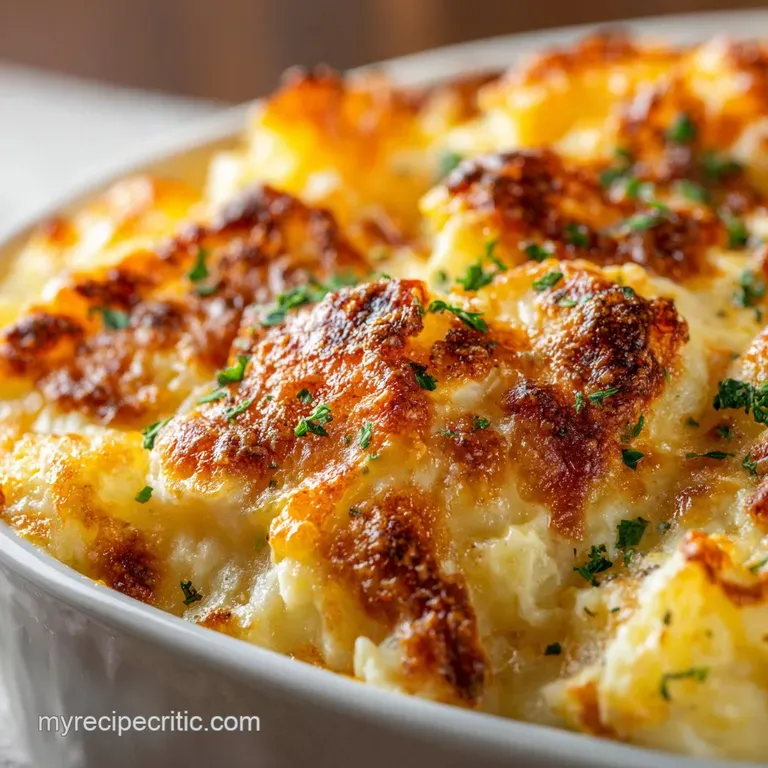
That smell, you know the one? It’s the buttery, sharp tang of cheddar melting into perfectly tender shredded potato, baking until golden brown and ridiculously creamy inside.
I’m talking about the ultimate, Scratch Made Cheesy Potato Casserole , the one that makes every holiday dinner feel complete.
This dish isn't just delicious; it’s genuinely a lifesaver. You can prep it the day before, it stretches easily to feed a massive crowd, and honestly, the ingredients are incredibly cheap and accessible.
It is absolutely the perfect side dish when you need something reliable, comforting, and spectacular that everyone will rave about.
Forget those old recipes relying on condensed cream soup we’re moving past that. We are building a velvety, proper cheese sauce from the ground up, adding sour cream for that necessary tang and richness.
Ready to ditch the cans and truly master the best Cheesy Potato Casserole of your life? Let’s crack on.
The Science of Texture: Achieving the Velvety Interior and Golden Crust
I know what you're thinking: Scratch Made sauce sounds like extra work. But trust me, the payoff here is immense. Our goal for this Cheesy Potato Casserole is a creamy, homogenous center that stays scoopable and doesn’t resemble a puddle of separated liquid.
The Power of Scratch Made Cheese Sauce
Using a proper roux (melted butter and flour base) to thicken the sauce is key. This structure locks in the fat and milk proteins, creating a stable emulsion that handles the long bake time beautifully.
Canned soup often thins out during cooking, but our béchamel based cheese sauce stays robust and coats every single strand of potato perfectly. This is the difference between good comfort food and the best Cheesy Potato Casserole you’ve ever served.
Is This Dish the Same as Scalloped Potatoes?
No way. This Cheesy Potato Casserole is often called "Funeral Potatoes" or shredded potato bake, and it’s fundamentally different from traditional scalloped potatoes (which are known as Gratin Dauphinois if you want to get fancy).
Scalloped potatoes use thinly sliced potatoes layered with cream or milk. We are using hash browns, which provide tons of surface area to soak up all that rich, cheesy sauce.
Essential Equipment Checklist
You don't need fancy tools, but a few basics make this job much faster.
- A heavy bottomed Dutch Oven or saucepan for the sauce.
- A sturdy wire whisk (non-negotiable for a lump free béchamel).
- A 9x13 inch casserole dish. Glass or ceramic is best for even heating.
Why Pre-Cooking Potatoes is Necessary
If you are using fresh, sliced potatoes, you must par-boil them first. If you skip this step, the potatoes will leach moisture, and they won't fully soften in the time it takes the cheese sauce to thicken and turn golden.
If you’re using frozen shredded hash browns (which I highly recommend for speed!), you must thaw and squeeze them dry first. No one likes crunchy, raw bits in their otherwise perfect Cheesy Potato Casserole.
The Role of Fat in Carrying Cheese Flavor
Fat equals flavor, simple as that. We use butter for the roux and full fat milk and sour cream in the sauce. When cheese melts, the milk solids release their flavor compounds into the surrounding fat if there isn't enough fat present, the cheese can turn rubbery or grainy.
This richness ensures our ultimate Cheesy Potato Casserole tastes incredibly deep and satisfying.
Balancing Acidity with Sour Cream
Why sour cream? It does two important jobs. First, it adds significant fat and body, resulting in an exceptionally creamy texture. Second, and maybe more importantly, it provides a crucial acidic tang. Without that slight sour note, the rich flavors of cheddar, butter, and potato would taste flat or heavy.
The sour cream cuts through that richness beautifully.
Selecting Your Foundation: Ingredients for the Perfect Potato Casserole
The foundation of a spectacular Cheesy Potato Casserole is choosing the right starting materials. Don't skimp on quality here; it really makes a difference.
Customizing Your Bake: Dairy and Herb Substitutions
The Best Potatoes for Baking and Slicing (Russet vs. Yukon)
For a shredded bake like this Cheesy Potato Casserole , frozen shredded hash browns are the easiest and most consistent choice, provided you squeeze the water out.
If you absolutely insist on using fresh potatoes, go for Russets if you plan to shred them, as their high starch content holds the sauce better. If you’re slicing, use Yukon Golds; they hold their shape perfectly and their inherent creaminess is fantastic.
Mastering the Scratch Béchamel Base
The sauce starts with a simple roux equal parts fat and flour, whisked until nutty. Then you slowly introduce whole milk. I use whole milk because it has the perfect fat content to create that velvety texture without feeling greasy.
If you are out of whole milk, use half and half, but skip any low-fat varieties if possible; they just don't create the necessary richness for a decadent Cheesy Potato Casserole .
Cheese Blend Recommendations for Maximum Melt (Aged Cheddar and Monterey Jack)
We need flavor and melt. I always lean heavily on sharp or mature Cheddar for flavor; aim for something aged for nine months or more. To improve the stretch and melt factor, I blend the Cheddar with Monterey Jack.
Mozzarella works too, but it doesn't give as much depth of flavor to the overall Cheesy Potato Casserole . Always, always grate your own cheese. It melts smoother than the pre-shredded stuff.
Swapping Out Sour Cream or Heavy Cream
If sour cream isn't your jam, you have options. You can easily swap it for full fat Greek yogurt, which gives the same tang but might be a tiny bit runnier. Alternatively, use softened cream cheese (8 oz/225g) for an unbelievably rich, slightly denser Cheesy Potato Casserole .
If you use heavy cream instead, increase the amount of mustard powder and onion powder slightly to make up for the lack of tang.
| Ingredient Missing | Recommended Substitution | Flavor Change |
|---|---|---|
| Whole Milk | Evaporated Milk or Half and Half | Richer, denser sauce |
| Sour Cream | Softened Cream Cheese (8oz) | Ultra rich, less tangy |
| Cornflakes | Crushed Ritz or Panko breadcrumbs | Butterier, or lighter texture |
Elevating the Flavor with Fresh Herbs (Chives and Thyme)
I like to keep the standard Cheesy Potato Casserole clean, but if you want an upgrade, toss in fresh chives or a tiny bit of fresh thyme into the potato mix before baking. Chives add a subtle onion kick, while thyme brings a deep, herbaceous warmth that elevates the simple potato.
Stir them in right before baking.
Making it gluten-free (Flour Alternatives)
If you need a gluten-free Cheesy Potato Casserole , simply substitute the all-purpose flour for an equal amount of GF all-purpose baking blend. Since we aren’t relying on gluten for structure, the sauce will thicken up exactly the same way.
The hash browns are naturally GF, so no worries there.
step-by-step: Assembling the Rich and Decadent Potato Layers
This assembly process moves quickly once the sauce is ready. Have your ingredients prepped and ready to go.
Prep Work: Slicing Potatoes to Uniform Thickness
Again, if you're using fresh potatoes, uniformity is everything. If you have some thick slices and some thin, the thin ones will turn to mush while the thick ones stay hard. A mandolin slicer is a lifesaver here if you are making scalloped potatoes, but since we are focusing on the shredded Cheesy Potato Casserole , just make sure those hash browns are properly thawed and dry.
Squeeze them!
Cooking the Creamy Roux and Cheese Sauce
Melt your butter over medium heat, then whisk in the flour constantly for about 60 to 90 seconds. You want it blonde, not brown, with a lovely nutty aroma. Gradually whisk in your warm milk never dump it all in at once, or you risk lumps.
Bring it up to a simmer until it thickens into a nice, spoon coating consistency. Take it off the heat before folding in your sour cream and grated cheese. The residual heat will melt the cheese perfectly, ensuring a smooth, beautiful sauce for this Cheesy Potato Casserole recipe.
Chef’s Note: Add the powdered spices (onion, garlic, dry mustard) before the cheese. Those aromatics need a minute to bloom in the hot liquid.
Layering Technique for Even Distribution
This isn't really a layered casserole, but rather a mixing job. Once the sauce is complete, pour it over the drained potatoes in a large bowl. Gently fold them together until every strand is coated. You don't want bare spots, but you also don't want to overmix and break down the potatoes into mush.
Spread the mixture evenly into your prepared 9x13 dish, ensuring the thickness is consistent from edge to edge.
The Final 45 Minutes: Baking Until Bubbly
We cover the casserole for the initial bake (about 40 minutes) to trap steam, which helps ensure the potatoes cook through evenly without drying out the top.
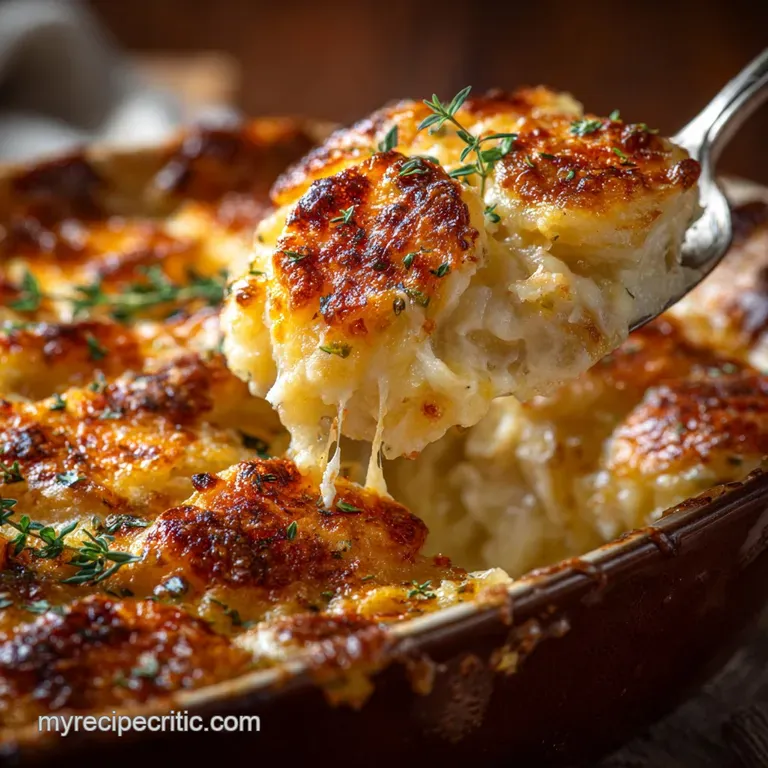
Then, you remove the foil and let the topping crisp up and the cheese bubble and brown about 10– 15 minutes more. You'll know your Cheesy Potato Casserole is ready when the edges are pulling away slightly and the sauce is visibly bubbling aggressively in the middle.
Chef’s Troubleshooting Guide: Common Mistakes to Avoid
We’ve all been there. Casseroles look easy until you pull out something sad and runny. Here are the biggest pitfalls I see when people attempt a truly great Cheesy Potato Casserole .
Preventing Grainy Cheese Sauce
This is almost always caused by one of two things: either you used pre-grated cheese which has anti caking agents, or you added the cheese to boiling sauce. Solution: Grate your own cheese, and always remove the sauce from the heat before stirring in the cheese and sour cream.
The sauce will still be hot enough to melt everything beautifully without risking separation.
Dealing with Undercooked Potatoes
If the potatoes in your Cheesy Potato Casserole are crunchy, it means you didn't extract enough moisture before baking, or you didn't give them enough time.
Fix it: If you notice this happening during baking, cover the casserole dish tightly with foil, reduce the oven temperature to 300°F (150°C), and bake for another 20 minutes to steam them soft. This step is unnecessary if you followed the drainage steps properly.
Achieving That Perfect Golden Brown Top
The topping needs melted butter to crisp up, but it needs air to brown. The foil step is non-negotiable for the initial bake. Make sure you remove that foil for the final 15 minutes of baking.
If your top isn't browning, move the Cheesy Potato Casserole up to the top rack or flash it under the broiler for 60 seconds (watch it like a hawk, though!).
make-ahead, Storage, and Reheating Strategy
The glorious thing about this recipe is how well it handles being made ahead. This is exactly why it’s a standard holiday dish!
Freezing Instructions for Unbaked Casserole
Yes, you can freeze an unbaked Cheesy Potato Casserole ! Assemble the potatoes and sauce in a freezer safe aluminum pan, but do not add the buttery topping yet . Cover it tightly with two layers of foil and freeze for up to three months.
When you want to bake it, thaw the casserole completely overnight in the fridge, add the cornflake topping, and then bake as directed (you might need to add 15– 20 minutes to the total bake time since it will be chilled).
Safe Reheating Methods
To reheat leftovers, cover the dish tightly with foil and place it in a 325°F (160°C) oven for about 20– 25 minutes until heated through. If the top has gone a bit soggy, remove the foil for the last five minutes.
Microwave reheating works fine for individual servings, but it won't restore the crisp topping.
How Long Does It Last in the Fridge?
Your baked Cheesy Potato Casserole will last safely in an airtight container in the refrigerator for 3 to 4 days. After that, the texture starts to break down slightly, and the creaminess fades.
Perfect Pairings: What to Serve Alongside Your Cheesy Potatoes
This Cheesy Potato Casserole is incredibly rich and comforting, meaning you need bright, clean flavors to balance it out.
If I'm serving this for a big party, I usually pair it with a very simple protein, maybe a roasted ham or a perfectly pan-seared steak. Because the potatoes are so creamy, you need something green and slightly acidic to provide contrast. A simple vinaigrette dressed arugula salad is perfect.
If you’re looking for other stunning side dishes that travel well, try my incredibly easy Corn Pudding Recipe: The Ultimate Creamy Baked Casserole — it’s sweet, savory, and pure magic. Or, if you need a hearty main course that also utilizes a casserole dish, you might want to check out my streamlined Lazy Lasagna Recipe: The 45 Minute Frozen Ravioli Casserole . But let’s be honest, sometimes this creamy Cheesy Potato Casserole is the only star you need. It’s comforting, it’s reliable, and it always tastes like home.
Recipe FAQs
Why is my Cheesy Potato Casserole dry or crumbly instead of creamy?
Dryness usually results from over baking or using insufficient sauce relative to the amount of potatoes used. Ensure your potatoes are thinly and evenly sliced to cook quickly, and if you use very starchy potatoes (like Russets), slightly increase the milk or cream in your béchamel foundation to compensate for moisture absorption during baking.
Can I assemble this casserole ahead of time, and if so, how long can it sit?
Absolutely, this casserole is an excellent make-ahead dish. You can assemble the entire dish, cover it tightly with plastic wrap or foil, and refrigerate it for up to 24 hours before baking. When baking from cold, add 10 to 15 minutes to the total bake time to ensure the center is piping hot and fully cooked.
What are the best cheese combinations to use for the ultimate flavour and melt?
Sharp Cheddar is essential for flavor depth, but mixing it with high-quality melting cheeses like Gruyère or Fontina introduces superior stretch and creaminess. For a tangier, nuttier profile, you can incorporate a small amount of freshly grated Parmesan into the cheese sauce, but stick to low-moisture varieties to prevent an oily residue on top.
I only have Russet potatoes; can I use them instead of Yukon Golds?
While Yukon Golds are ideal for their inherent creaminess and ability to hold shape, Russets can certainly be used, but they are starchier and may result in a slightly drier casserole.
To mitigate this, consider soaking the sliced Russets in cold water for 30 minutes before assembling to remove excess starch, then dry them thoroughly.
How should I store and reheat leftovers to maintain the creamy texture?
Store leftovers in an airtight container in the refrigerator for up to 4 days. To reheat, the best method is to cover the casserole dish with foil and reheat it gently in a 300°F (150°C) oven until warmed through, which helps prevent the potatoes from drying out.
Avoid microwaving large portions as it can quickly make the edges tough.
Can Cheesy Potato Casserole be frozen?
This casserole freezes moderately well, though previously frozen potatoes may develop a slightly softer texture upon thawing. If freezing, ensure the casserole is fully baked and cooled, then wrap it tightly in aluminum foil and plastic wrap; consume within two months for optimal quality.
Always thaw overnight in the refrigerator before reheating.
How can I adapt this recipe to be completely gluten-free?
Since the scratch made sauce uses a traditional roux (butter and flour), you must substitute the all-purpose flour with a suitable gluten-free alternative. Use a measured cup-for-cup gluten-free flour blend, or use a cornstarch slurry (mixed with cold liquid) added at the end of the sauce preparation for thickening.
Ultimate Cheesy Potato Casserole
Ingredients:
Instructions:
Nutrition Facts:
| Calories | 465 kcal |
|---|---|
| Fat | 29 g |
| Fiber | 2 g |
