The Quintessential Oldfashioned Zucchini Bread No Soggy Bottoms Here
- Reclaiming the Crown: Why This Loaf Beats All Others
- Seasonal Abundance: Utilizing Your Zucchini Harvest
- Tools of the Trade: Equipping Your Kitchen for Optimal Baking
- The Flavor Matrix: Key Ingredients for This Classic Old Fashioned Zucchini Bread
- Mixing Methodology: Following the Dry-Wet-Dry Rule
- The Oven Stage: Achieving the Signature Golden Crust
- Troubleshooting Common Quick Bread Challenges
- Preserving Your Creation: Storage and Freezing Techniques
- Recipe FAQs
- 📝 Recipe Card
Reclaiming the Crown: Why This Loaf Beats All Others
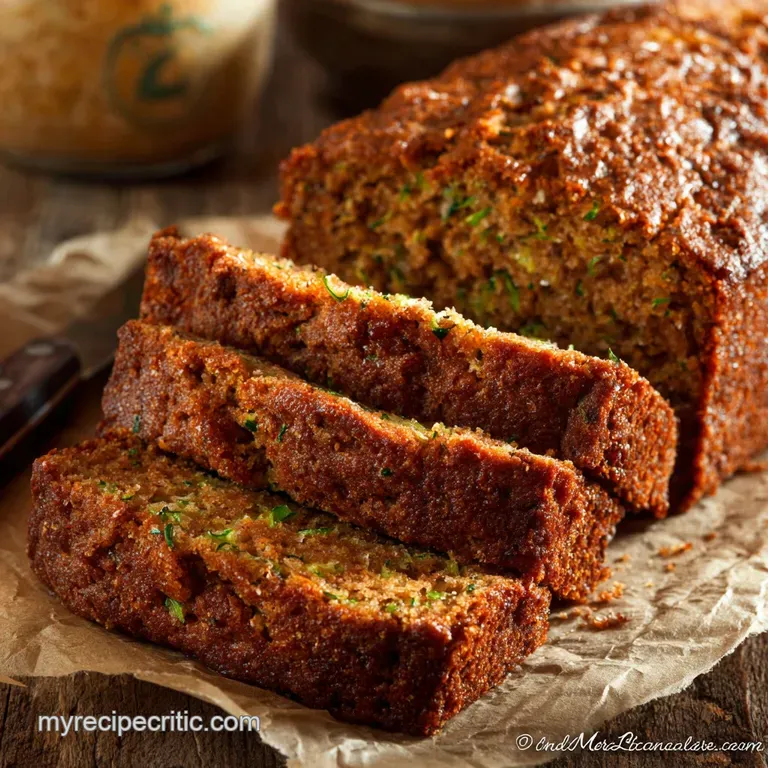
In the realm of quick breads, the Old Fashioned Zucchini Bread stands unrivaled, yet often suffers from poor execution. This recipe is designed to reclaim its status as the quintessential summer comfort bake.
We are aiming for a loaf that is deeply moist without being gummy, robustly spiced with hints of cinnamon and nutmeg, and simple enough for even a novice baker to master. Unlike dry, dusty versions of the past, this approach yields a tender, dense crumb perfectly saturated with flavour.
It is the gold standard, promising to be The Best Zucchini Bread you will ever pull from your oven a truly satisfying and nostalgic Spiced Zucchini Loaf that captures the warmth of classic American baking traditions.
Seasonal Abundance: Utilizing Your Zucchini Harvest
Every summer, gardeners find themselves blessed with an overwhelming abundance of zucchini. While many recipes try to hide the courgette, this classic loaf celebrates it, leveraging its neutral flavour and inherent water content to create unparalleled moisture.
We require 1 1/2 cups (250g) of freshly grated zucchini, which easily comes from one or two medium sized garden specimens. The process is straightforward, requiring a mere 15 minutes of active preparation time before the batter comes together.
Busting the Myth of Soggy Zucchini Bread
The single greatest pitfall when baking with zucchini is sogginess, which leads to a dense, gummy layer at the bottom of the loaf. This issue is easily preventable. Before incorporating the grated zucchini into the batter, it is absolutely crucial to expel its excess liquid.
Place the shreds in a clean kitchen towel or several layers of paper towels and squeeze firmly you will be surprised by how much water is released. This critical step ensures that the vegetable adds only texture and tenderness, rather than throwing off the careful balance of the dry ingredients (1 3/4 cups of flour) and liquids (1/2 cup oil and two large eggs).
A Nod to Tradition: Defining the Ideal Crumb
A truly classic quick bread should possess an ideal crumb structure: tender, lofty, and resilient, yet incredibly soft. This texture is achieved through careful balancing of leavening agents (one teaspoon of fresh baking soda) and minimal handling.
Our method bypasses modern, complicated techniques and leans into simplicity, mirroring the structure of revered recipes, perhaps even that famous old fashioned zucchini bread pioneer woman recipe —focusing on flavour depth over fluffiness.
The result is not a light cake, but a satisfyingly hearty slice perfect for spreading with butter.
Tools of the Trade: Equipping Your Kitchen for Optimal Baking
While quick breads are inherently simple, having the correct equipment ensures precision and ease. A standard 9 x 5 inch loaf pan is essential for achieving the recipe’s intended shape and baking time.
To handle the volume of grated courgette and the batter, two large mixing bowls are necessary: one for the combined dry components and one for the whisked wet ingredients. I highly recommend lining your pan with a sling of parchment paper.
This allows you to effortlessly lift the hot loaf out after the initial cooling period, guaranteeing an intact bottom crust and eliminating sticking woes. Finally, a durable box grater or a food processor fitted with a shredding disc will make quick work of preparing the 1 1/2 cups of required zucchini.
The Flavor Matrix: Key Ingredients for This Classic Old Fashioned Zucchini Bread
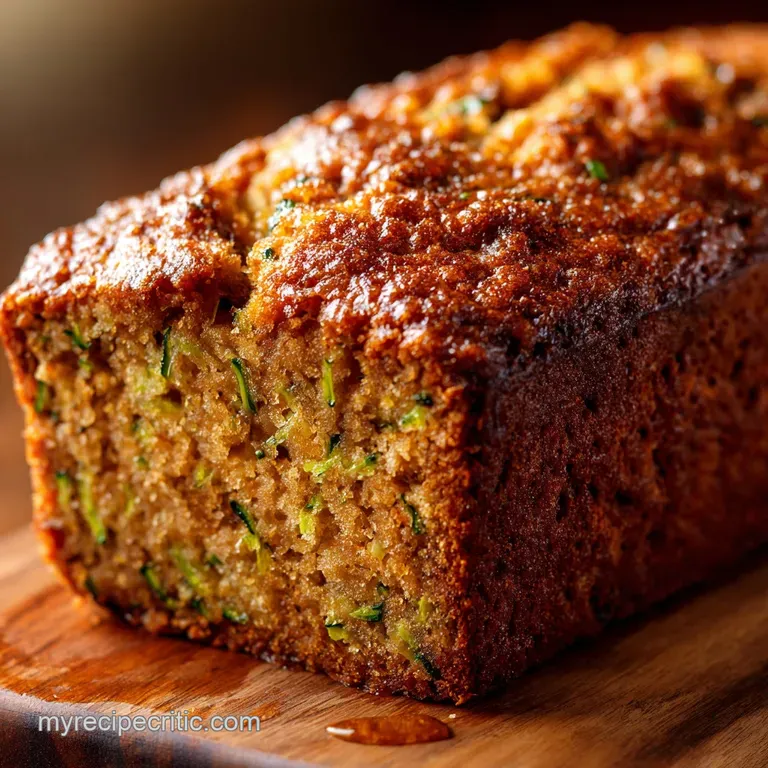
The depth of flavor in this Recipe For Zucchini Bread comes from the careful blend of sugars and spices. We use both granulated sugar (1/2 cup) and packed light brown sugar (1/2 cup) for a total of one cup of sweetness.
The brown sugar not only adds a subtle caramel note but contributes to the moist texture. Our signature spice blend features a generous 1 1/2 teaspoons of ground cinnamon and a critical 1/2 teaspoon of nutmeg, which delivers that warm, nostalgic, old-fashioned flavour profile.
The Grating Guide: Size Matters for Moisture Control
When preparing the zucchini, aim for a medium shred. This size breaks down during baking, melding seamlessly into the crumb without leaving long, stringy pieces, yet retains enough structure to provide crucial moisture. Once the 1 1/2 cups are grated and thoroughly squeezed, they are ready to be gently folded in.
Proper size and moisture control are the hidden secrets to avoiding a soggy result.
Necessary Equipment for a Seamless Bake
Beyond the pan, the critical mixing tools include a sturdy whisk to thoroughly combine the dry ingredients and a flexible rubber spatula. The spatula is paramount during the final stages, as it allows for precise folding.
Its flexibility minimizes the chances of aggressively mixing the batter once the flour is hydrated, thereby safeguarding against toughness.
Dairy Decisions: Best Practices for Buttermilk and Oil
This specific recipe relies on 1/2 cup of neutral vegetable oil for its incredible keeping qualities and moisture retention. Oil ensures the bread stays soft for days longer than butter based recipes.
However, if you are looking to create an old fashioned zucchini bread with buttermilk or explore the texture of an old fashioned zucchini bread with sour cream recipe, you would typically substitute half the oil quantity with the dairy and adjust the leavening slightly.
For those avoiding oil, replacing it with applesauce (yielding an old fashioned zucchini bread with applesauce ) is a popular low-fat option, though it requires slightly more vigilance regarding the zucchini's squeezed moisture level to maintain stability.
Related Recipes Worth Trying
- Foolproof No Knead Rye Bread Recipe with Caraway and Molasses — This easy No Knead Rye Bread recipe uses a slow rise for incredible depth of flavor Baked in a Dutch oven you get a thick burnished crust and moist crumb...
- Authentic DeliStyle Rye Bread The Secret to that Classic Deli Tang — Forget supermarket loaves Learn to bake rich authentic Jewish Deli Style Rye Bread at home This recipe delivers a chewy crust and deep tang the secret is...
- The Best Classic Zucchini Bread Recipe Moist Spiced and Easy — This easy zucchini bread recipe is foolproof delivering a profoundly moist tender crumb without fail Packed with warm spice its a vintage zucchini loaf...
Mixing Methodology: Following the Dry-Wet-Dry Rule
This recipe utilizes the simple, effective "muffin method" for mixing, which is the cornerstone of great quick bread texture. The technique dictates that the dry ingredients (flour, sugars, spices, salt, baking soda) and wet ingredients (eggs, oil, vanilla) are combined separately before mixing them together in a quick two-stage process.
This approach limits gluten development because the flour is only hydrated for the briefest time, guaranteeing a tender result and preventing the toughness that comes from overworking the batter.
The Oven Stage: Achieving the Signature Golden Crust
Preheating your oven accurately to 350°F / 175°C is non-negotiable for success. Quick breads rely on consistent, moderate heat to ensure the leavening agents activate properly and the centre bakes thoroughly before the exterior burns. Position the oven rack in the centre for optimal heat circulation.
Combining the Dry Elements (The Sifting Secret)
In the first large bowl, the success of the rise begins with the precise combination of dry ingredients. Thoroughly whisk together the 1 3/4 cups of all-purpose flour, both types of sugar, the leavening agent, and all the spices.
This step, which acts as a gentle sifting, breaks up the brown sugar clumps and ensures that the baking soda and salt are evenly distributed throughout the volume of flour, guaranteeing uniform lift and seasoning.
Folding in the Zucchini Without Overmixing
Once the liquid mixture (the two lightly beaten eggs, oil, and vanilla) is poured into the dry ingredients, use the rubber spatula to mix only until the two elements are just incorporated. Stop when a few streaks of flour remain visible.
At this point, gently fold in the prepared, squeezed zucchini, and any optional mix-ins, such as 1/2 cup of chopped walnuts or the addition of old fashioned zucchini bread with raisins . Mix only until the zucchini is evenly distributed, and then immediately stop.
Any further stirring develops gluten and sacrifices the moist, tender crumb we are aiming for.
Temperature Timing: When is the Loaf Truly Done?
The Old Fashioned Zucchini Bread typically requires 50 to 60 minutes in the preheated oven. The bread should rise beautifully, developing a deeply golden, slightly cracked top crust. To verify doneness, insert a skewer or toothpick into the very centre.
It should emerge clean or with a few moist, sticky crumbs clinging to it; if liquid batter remains, continue baking in 5-minute increments. If the top begins to brown too aggressively around the 35-minute mark, simply tent the pan loosely with foil to shield it while the centre finishes cooking.
Troubleshooting Common Quick Bread Challenges
One of the most frequent challenges quick bread bakers face is a dome that cracks excessively or a loaf that collapses. These issues are often rooted in incorrect oven temperature or the use of old leavening agents.
Ensure your baking soda is fresh, and consider utilizing an oven thermometer to verify the 350°F setting. Another key tip is using room temperature ingredients, specifically the eggs. Cold eggs can cause the batter’s oil to solidify slightly, leading to a denser finished product.
Finally, always weigh or properly level your flour scooping flour directly from the bag often results in up to 25% too much flour, leading to a dry and crumbly loaf.
Preserving Your Creation: Storage and Freezing Techniques
Patience is key once the loaf is out of the oven. While the smell is irresistible, allowing the loaf to cool properly is vital for structural integrity and moisture distribution.
Preventing the Dense Middle: Avoiding Common Pitfalls
After removing the loaf from the oven, let it cool in the pan for 10 to 15 minutes. This temporary cooling allows the fragile structure to set. Then, remove it using the parchment paper sling and transfer it to a wire rack.
It must cool for a minimum of 30 minutes before slicing. Cutting into a warm quick bread traps the steam inside, leading to that undesirable dense or gummy centre.
Creative Twists: Adding Nuts, Chocolate Chips, or Citrus Zest
While the simple, spiced version is magnificent, this batter is robust enough to handle additions. As noted, 1/2 cup of chopped walnuts or pecans (toasted first for superior flavour) is a standard inclusion.
Alternatively, integrate 1/2 cup of mini chocolate chips, or follow the lead of many historical recipes by adding old fashioned zucchini bread with raisins (soaked briefly in hot water first for plumpness). For a brighter flavour, stir in the zest of one lemon along with the wet ingredients.
Long Term Preservation: Freezing the Finished Loaf Safely
Zucchini bread freezes beautifully, making it an excellent candidate for meal prep or gifting. Once the loaf is completely cool, wrap it tightly first in plastic wrap, ensuring no air exposure, and then wrap it again snugly in a layer of heavy duty aluminum foil or place it in a freezer safe bag.
Frozen this way, it will retain its pristine moisture and flavour for up to three months. Thaw overnight on the counter before unwrapping and serving.
Serving Suggestions: Pairing Your Old Fashioned Zucchini Bread
While this loaf is perfectly delicious enjoyed plain, a classic old fashioned zucchini bread recipe deserves a thoughtful garnish. Serve slices lightly toasted, topped with a spread of maple sweetened cream cheese or a simple pat of salted butter.
Pair it with a steaming mug of black coffee for breakfast, or for a cozy afternoon snack, enjoy it alongside a fragrant cup of Earl Grey tea. The spiced nature also makes it an unexpected, delightful base for a summery dessert, topped with a scoop of vanilla ice cream.

Recipe FAQs
Why did my zucchini bread come out dense or gummy, rather than perfectly moist?
Ah, the classic quick bread dilemma! This usually comes down to two culprits: overmixing or too much moisture. You absolutely must squeeze the grated courgette vigorously in a tea towel before adding it if you skip this, the excess water will give you a heavy, gummy loaf.
Also, remember the golden rule: mix the wet and dry ingredients only until the flour streaks have just vanished to keep that crumb tender.
What’s the best way to store this Old Fashioned Zucchini Bread so it stays fresh?
This bread keeps brilliantly! For short term storage (up to three days), wrap the cooled loaf tightly in cling film or foil and store it at cool room temperature. If you need to keep it longer, wrap the fully cooled loaf twice once in plastic, then in foil and freeze it whole or sliced for up to three months.
Just thaw it overnight in the fridge when you’re ready for a proper job.
Can I cut down on the sugar or substitute the oil for something else?
You can certainly tweak it, but proceed with caution, as sugar and fat contribute to both flavour and structure. For the sugar, you can safely reduce the total amount by about 1/4 cup without major structural issues, though it will affect browning.
As for the oil, you can swap it for an equal measure of melted butter for a richer flavour, or use unsweetened applesauce, which will give you a very low-fat loaf, but beware it might be slightly less tender.
Do I really need to peel the zucchini before grating it for the batter?
Not at all! There’s no need to faff about peeling the courgette. The skin is very thin and softens completely during baking, lending a lovely, rustic, slightly green fleck to the bread. Plus, leaving the skin on is a sneaky way to keep a bit more fibre in the bake a true win-win for efficiency.
I don't have walnuts are there other variations or additions I can try?
Oh yes, quick breads are wonderfully forgiving when it comes to mix-ins! If you don't fancy nuts, try adding 1/2 cup of chocolate chips for a sweeter loaf, or maybe some plump raisins or sultanas for a chewier texture.
For a brighter flavour, a touch of lemon zest added to the wet ingredients is absolutely spot on and cuts through the spice beautifully.
The Best Old Fashioned Zucchini Bread
Ingredients:
Instructions:
Nutrition Facts:
| Calories | 890 kcal |
|---|---|
| Protein | 5.1 g |
| Fat | 14.8 g |
| Carbs | 36.0 g |
| Fiber | 6.2 g |
| Sodium | 5784 mg |
