Zucchini Ricotta Galette: the Crispiest Summer Vegetable Tart
- The Summer Glut Solution: Making the Most of Abundant Zucchini
- The Science of Crisp: Why This Zucchini Galette Stays Flavorful, Not Soggy
- Essential Pantry: Zucchini, Ricotta, and Thyme Ingredients List
- Baking Success: Step-by-Step Guide to Assembling Your Rustic Galette
- Zucchini Chef’s Secrets: Troubleshooting and Avoiding the Dreaded Soggy Bottom
- Preparation and Preservation: Storing and Reheating Your Galette
- What to Serve Alongside Your Elegant Zucchini Tart
- Recipe FAQs
- 📝 Recipe Card
The Summer Glut Solution: Making the Most of Abundant Zucchini
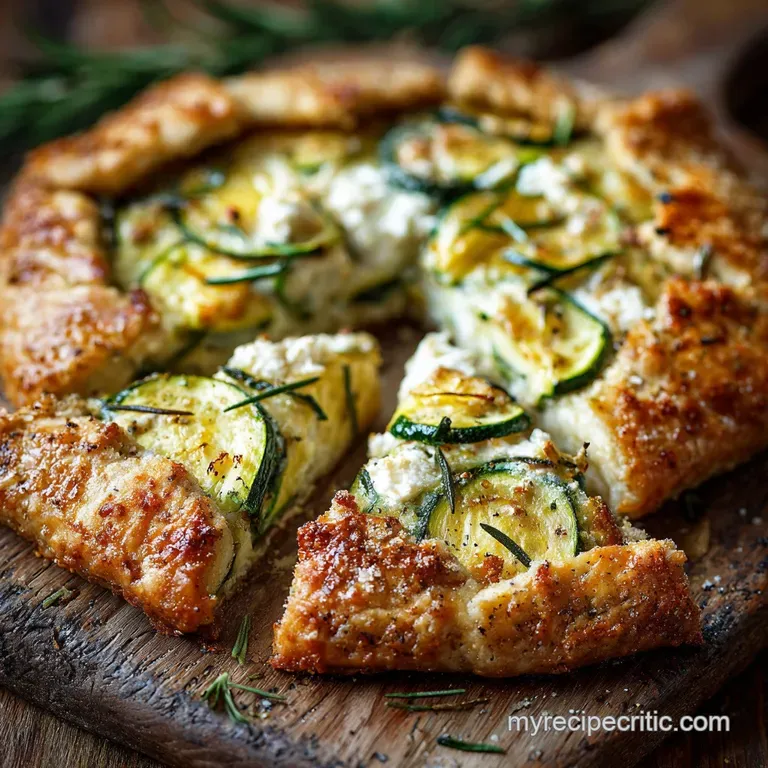
There is nothing quite like the smell of a buttery, herbaceous tart baking in the oven on a warm afternoon. That earthy aroma of fresh thyme mixing with melted cheese and flaky pastry? It just screams summer perfection.
This rustic galette takes simple, seasonal flavour profiles and elevates them without any fussiness.
Let's be real, come mid-July, we all have too many courgettes. They grow faster than we can eat them, threatening to take over the kitchen. This recipe is an absolute lifesaver because it’s surprisingly light, completely vegetarian, and turns that enormous green squash into a sophisticated, family friendly dinner with very little effort.
We are leaving behind the mushy, watery side dishes of the past. Today, we are focusing on technique, which is everything when dealing with high moisture vegetables. Get ready for a rustic tart that delivers maximum flavour with a beautifully crisp, golden crust.
The Science of Crisp: Why This Zucchini Galette Stays Flavorful, Not Soggy
The British Courgette Conundrum: Too Much of a Good Thing
If you’ve ever baked with zucchini (or courgettes, as they are known here in the UK), you know the enemy: water . That glorious green vegetable is roughly 95% moisture, which is amazing for keeping things like The Best Classic Zucchini Bread Recipe Moist Spiced and Easy incredibly moist. But in a savoury tart? It's a recipe for disaster. Soggy crusts are a tragedy we simply cannot afford.
Why the Galette Form is Perfect for Delicate Vegetables
A galette is essentially a free form, open faced tart. There’s no fiddly pie dish, which means the sides are exposed, allowing for faster moisture evaporation during baking. It creates a fantastic, rustic look.
More importantly, it allows us to roll the pastry thin and keep that vegetable filling relatively shallow, ensuring the bottom crust cooks through perfectly.
Flavor Profile: Rustic Elegance Meets Bright Summer Notes
This galette is all about contrast. You have the creamy, mild base of the ricotta, which holds everything together, beautifully offset by the vibrant, zingy lemon zest. Fresh thyme adds a deep, slightly peppery warmth that anchors the flavour profile. It feels rustic and elegant all at once.
The Critical Step: Salting Zucchini to Draw Out Excess Water
This is the non-negotiable step. Salting the grated zucchini does two things: it seasons it early, and it forces osmosis. The salt pulls the water out of the cells of the vegetable. You then squeeze it ruthlessly.
Seriously, squeeze it until your hands hurt; I once skipped this step and ended up with a soup that ruined my pastry entirely. Do not underestimate the power of the squeeze.
Ricotta Prep: Ensuring the Filling is Firm and Stable
Ricotta, while lovely, can be a bit wet itself, especially cheaper varieties. We counteract this by adding a binding agent the egg and firming it up with dry Parmesan cheese.
Mixing in the already dried zucchini also helps keep the filling composition stable, preventing it from weeping everywhere while it bakes.
Achieving Perfect Pastry: Blind Baking the Base
While we aren't blind baking the whole base, we are creating an internal barrier. Those Panko breadcrumbs or semolina you sprinkle down? That is your moisture insurance policy.
They soak up any residual vegetable or dairy liquid that might escape the filling, protecting the delicate bottom crust from turning gluey.
Essential Pantry: Zucchini, Ricotta, and Thyme Ingredients List
You really don't need much, and everything here is easily substituted if you're missing something crucial. Quality counts, though; try to find whole milk ricotta for the best texture.
Selecting the Best Courgettes (Size Matters)
When shopping for zucchini, aim for medium to small ones. The enormous ones that look like baseball bats often have tough skins and seeds, and their flesh is definitely wetter. We are grating the courgette for this recipe, not slicing it, so texture is key.
Ricotta vs. Goat Cheese: Choosing Your Dairy Binder
| Ingredient | Use in Recipe | Viable Substitute | Notes on Substitution |
|---|---|---|---|
| Zucchini (Courgette) | Bulk, texture, and flavour. | Yellow Summer Squash (Grated) | Will require the same aggressive salting/squeezing process. |
| Whole Milk Ricotta | Creamy binder for the filling. | Full fat Cottage Cheese (Drained) | Must drain the cottage cheese very thoroughly first, or use a firm, creamy Goat Cheese (chèvre). |
| Parmesan Cheese | Flavour boost and binding agent. | Grated Pecorino Romano | Pecorino is saltier, so slightly reduce the added salt. |
| Fresh Thyme | Aromatic backbone. | Fresh Basil or Dill | Use basil generously, as its flavour is milder when cooked. |
The Aromatics: Fresh Thyme, Lemon Zest, and Black Pepper
The aromatics are what truly make this dish shine. That hit of fresh lemon zest is non-negotiable because it slices through the richness of the pastry and cheese. Don't skip the pepper; freshly ground black pepper adds a necessary bite that elevates the whole galette.
Chef’s Note: Always zest your lemon before you cut it in half. It’s easier and less messy, and you’re less likely to catch the bitter white pith.
Baking Success: step-by-step Guide to Assembling Your Rustic Galette
Rolling the Pastry: Achieving the Ideal Thinness
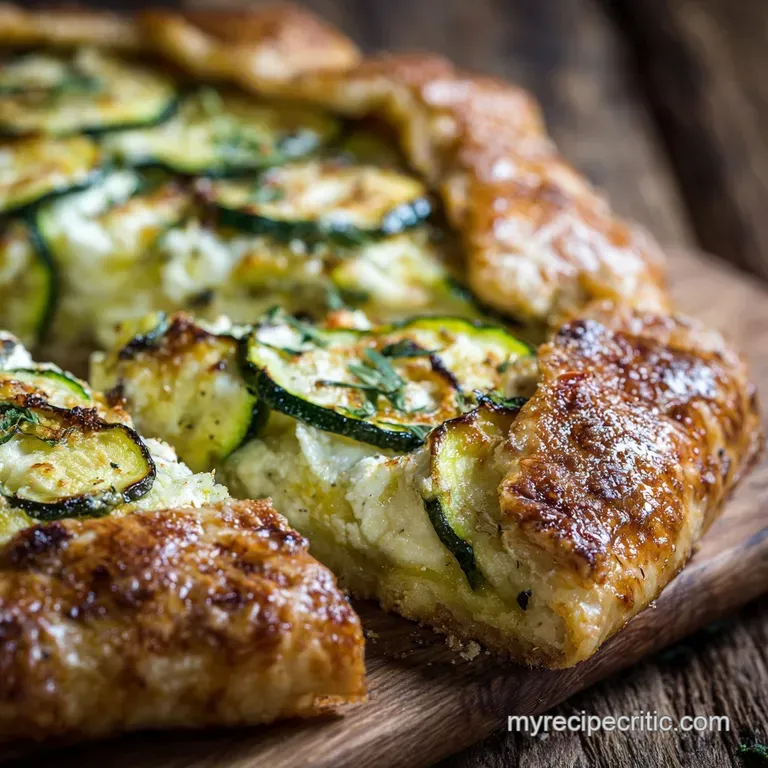
When you roll your chilled dough, aim for about a 14 inch circle that is roughly ⅛-inch thick. If the dough resists, let it sit for two minutes and try again. A thinner base cooks faster, which helps achieve that crispy bottom we're chasing.
Layering the Filling: Creating a Moisture Barrier
After transferring your dough to the parchment lined sheet, spread your 2 tablespoons of Panko breadcrumbs right in the middle. This invisible shield is doing the heavy lifting. Then, spoon your ricotta zucchini mixture evenly over the crumbs, pressing gently.
The Rustic Fold: Crimping the Edges for Visual Appeal
The beauty of a galette is that it doesn't need to be perfect. Simply fold the exposed 2 inch border up and over the filling, overlapping the pastry roughly every couple of inches. It should look charmingly imperfect that’s the whole point!
Oven Temperatures and Timing for Golden Brown Crust
We bake this relatively hot at 400°F (200°C) to encourage quick crust development. The high heat ensures the pastry sets before the moisture has time to seep into the base. Bake for 40 to 45 minutes. You are looking for a deep, rich golden colour, not just pale beige.
Zucchini Chef’s Secrets: Troubleshooting and Avoiding the Dreaded Soggy Bottom
The Importance of a Hot Baking Stone or Tray
If you have one, use a preheated baking stone or a very heavy duty metal baking tray. Placing your parchment lined galette directly onto a screaming hot surface provides instant heat to the bottom crust. This instant heat blast is the best defence against sogginess.
Emergency Fixes: Dealing with a Weeping Filling
If you pull the galette out of the oven and see liquid pooling around the exposed centre (a "weeping" filling), don't panic. Gently dab the excess liquid with the corner of a paper towel. Pop the galette back in for 5– 10 minutes. Next time, squeeze the zucchini harder!
Brushwork Mastery: Using Egg Wash for Shine and Structure
The egg wash isn't just for shine; it creates a protective barrier that prevents the crust edges from drying out too much and gives them structure. Brush the pastry evenly, but try not to let it drip onto the parchment burnt egg wash is a pain to clean up.
Preparation and Preservation: Storing and Reheating Your Galette
Storing Leftovers: Keeping the Crust Crisp Overnight
This galette is best eaten warm, but leftovers are fantastic. Store any remaining slices in an airtight container in the fridge for up to 3 days. The key is putting a paper towel on the bottom of the container to absorb condensation overnight.
Can You Freeze the Raw Pastry Base?
Yes, absolutely! You can make the pastry dough, wrap it tightly, and freeze it for up to 3 months. Thaw it overnight in the fridge before rolling. I don't recommend freezing the assembled, raw galette, as the water from the zucchini will inevitably turn the pastry soggy upon thawing.
Reheating the Galette: The Best Method for Reviving Texture
Forget the microwave; it will ruin the texture and make the crust flabby. To revive the crispness, reheat individual slices on a baking sheet in a 350°F (175°C) oven for 10– 15 minutes. It will come out nearly as perfect as when it was fresh.
What to Serve Alongside Your Elegant Zucchini Tart
Because this tart is rich in flavour and texture, you want something light and acidic beside it. A simple side salad tossed with lemon and olive oil is truly all you need. Sometimes simple is just better.
If you happen to find yourself with even more zucchini (bless your abundant garden!), remember this isn't the only way to use them up. I’ve been experimenting with all kinds of sweets, from my super comforting Quintessential Old Fashioned Zucchini Bread Recipe Moist Spiced Loaf to the decadent chocolate variations, like my The Ultimate Moist Chocolate Chip Zucchini Bread Recipe . The versatility of this summer staple truly knows no bounds! Now go enjoy your perfect, non-soggy dinner!
Recipe FAQs
How can I prevent the dreaded 'soggy bottom' in my Zucchini Galette?
The most crucial step is properly draining the zucchini, as it contains massive amounts of water. Liberally salt the sliced courgettes and let them rest for at least 30 minutes to draw out the moisture, then blot them vigorously with kitchen paper or a clean tea towel before placing them on the pastry.
For extra insurance, lightly dust the base layer of the pastry with breadcrumbs or semolina before adding the ricotta mixture.
Can I use different types of cheese instead of ricotta?
Absolutely, provided your substitution is relatively firm or easily spreadable. Excellent alternatives include a thick, strained Greek yogurt (often labeled Labneh), fresh goat cheese (chèvre) mixed with cream cheese, or a high-quality Boursin.
Avoid overly wet cheeses like fresh mozzarella, as these will contribute to the pastry becoming damp.
Is it possible to prepare the galette dough or filling ahead of time?
Yes, the dough is ideally suited for advance preparation; you can make it up to three days ahead and store it tightly wrapped in the refrigerator, or freeze it for up to three months.
While the ricotta filling mixture can be prepared and chilled a day ahead, the zucchini must be sliced, salted, and drained just before assembly to ensure the freshest and driest results.
My zucchini slices tasted slightly bland after baking. How can I boost the flavor?
Blandness usually indicates insufficient seasoning before baking. Ensure that the zucchini slices, after draining, are generously tossed with olive oil, salt, freshly cracked black pepper, and the specified herbs (like thyme) and lemon zest.
A light sprinkle of Parmesan cheese over the top layers just before baking will also enhance the savory notes.
How should I store leftover galette, and can I freeze the baked dish?
Store leftover galette, tightly covered, in the refrigerator for up to 3 days; the crust will lose some crispness, but the flavor remains excellent. Reheat slices in a medium oven (around 325°F or 160°C) until warmed through to help revitalize the pastry texture.
Freezing the baked galette is strongly discouraged, as the high water content of the zucchini will release upon thawing, ruining the crust entirely.
I have a lot of zucchini; can I use frozen slices instead of fresh?
While you can freeze zucchini for soups or stews, it is not recommended for a galette where texture and minimal moisture are critical. Frozen zucchini releases significantly more water than fresh, even after thawing and rigorous draining.
This excess moisture will make the ricotta filling watery and almost certainly lead to a very soggy crust.
How can I adapt this recipe to be vegan or gluten-free?
To make the crust vegan, substitute the butter with a high-quality, plant based solid shortening or vegan butter sticks. For the filling, use a firm tofu ricotta replacement or a spreadable cashew based "cheese." For a gluten-free crust, substitute the standard flour with a cup-for-cup gluten-free baking blend designed for pastry, often requiring the addition of a small amount of xanthan gum.
Summer Zucchini Ricotta Galette Recipe
Ingredients:
Instructions:
Nutrition Facts:
| Calories | 792 kcal |
|---|---|
| Protein | 33.0 g |
| Fat | 48.1 g |
| Carbs | 59.5 g |
