Strawberry Marshmallow Frosting Recipe
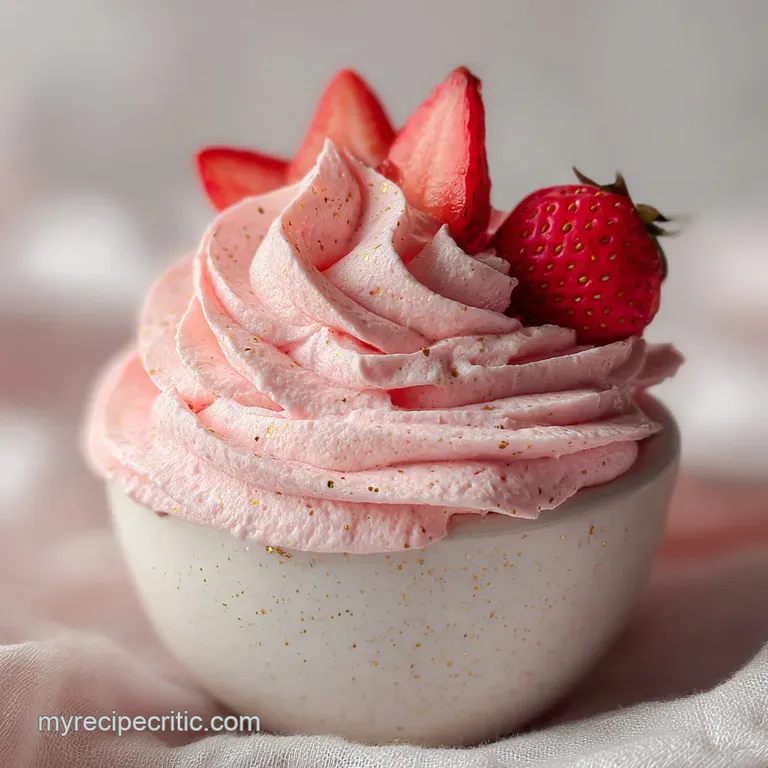
- Time: Active 15 minutes, Passive 10 minutes, Total 25 minutes
- Flavor/Texture Hook: Velvety, punchy strawberry finish
- Perfect for: Summer garden parties or birthday cupcakes
- Achieving the Dreamy Strawberry Marshmallow Frosting
- Defining the Ideal Flavor Profile
- Essential Recipe Performance Specs
- Selecting Premium Frosting Elements
- Mastering the Mixing Process
- Correcting Common Mixing Errors
- Modifying for Dietary Needs
- Preservation and Storage Methods
- Ideal Cake Pairing Partners
- Recipe FAQs
- 📝 Recipe Card
Achieving the Dreamy Strawberry Marshmallow Frosting
The air in my kitchen currently smells like a high end candy shop. There is this specific, intoxicating aroma that happens when you simmer fresh strawberry puree until it becomes thick and jammy, then fold it into a mountain of whipped butter and marshmallow creme. It is the scent of pure summer.
I remember the first time I tried to make a berry frosting for a friend's baby shower, I just threw fresh berries into a standard buttercream. Within twenty minutes, the frosting had literally slid off the side of the cake, leaving a pink, watery puddle on the floor.
It was a disaster, but it taught me everything about moisture control.
This recipe is the result of years of tinkering with that specific heartbreak. We are going for a texture that is light enough to feel like a cloud but sturdy enough to hold its shape on a humid afternoon. It is not just about the sugar, it is about the structural integrity of the marshmallow.
You are going to get that shatter crisp snap of the freeze dried berries combined with the silky smoothness of European style butter. It is a total sensory experience that makes people stop talking the moment they take a bite.
We are going to move past the grainy, overly sweet frostings of the past. By using a double layered strawberry approach, we get deep color and intense flavor without compromising the stability of the frosting.
I promise you, once you see how that marshmallow creme behaves under a whisk, you will never go back to plain old American buttercream again. It is brilliant, it is reliable, and honestly, it is the most fun I have had with a stand mixer in months.
Defining the Ideal Flavor Profile
The Molecular Structure of Fluff: The gelatin and corn syrup in the marshmallow creme act as powerful emulsifiers, binding the water from the strawberries to the fats in the butter. This prevents the frosting from "breaking" or weeping over time.
- Concentration Strategy: Boiling the puree removes excess water while intensifying the natural acids in the berries.
- Lipid Stability: Using European butter with higher fat content provides a firmer foundation that resists melting at room temperature.
- Double Flavoring: The freeze dried powder provides instant tartness and absorbs any lingering moisture from the fresh puree.
- Texture Modulation: Sifting the powdered sugar ensures the final result is velvety rather than gritty or sandy.
| Method | Time | Texture | Best For |
|---|---|---|---|
| Fresh Reduction | 25 minutes | Dense and jammy | Sophisticated layer cakes |
| Powder Only | 5 minutes | Light and airy | Quick weekday cupcakes |
| Hybrid (This Recipe) | 15 minutes | Silky and vibrant | Professional grade piping |
This hybrid method is the secret to getting that professional look at home. By combining the fresh reduction with the concentrated powder, you ensure the color is naturally vibrant without having to lean on artificial food dyes.
It also creates a more complex flavor profile that hits both the high notes of fresh fruit and the deep, sugary base of the marshmallow.
Essential Recipe Performance Specs
The success of your frosting depends heavily on the temperature of your ingredients and the way they interact during the whipping stage. We aren't just mixing; we are building an aerated structure that needs to hold up under the weight of cake layers.
| Component | Science Role | Pro Secret |
|---|---|---|
| European Butter | Structural Lipid | Keep at exactly 18°C for the best aeration |
| Marshmallow Creme | Emulsion Anchor | Fold in by hand first to avoid deflating |
| Strawberry Powder | Moisture Wick | Grind it into a fine dust before adding |
Using a high-quality butter is non negotiable here. European style butters usually have about 82 percent to 86 percent butterfat, which means less water and more stability. When you beat this butter, it traps tiny air bubbles that give the frosting its signature "lift." If the butter is too warm, those bubbles collapse, and you end up with a heavy, greasy mess.
If it's too cold, it won't trap the air at all.
Selecting Premium Frosting Elements
- 1 cup (150g) fresh strawberries: Pureed and strained. Why this? Provides the authentic, bright acidity that artificial flavors simply cannot replicate.
- Substitute: 150g frozen strawberries, thawed and drained.
- 2 tbsp (10g) freeze dried strawberry powder: Why this? Intensely concentrates flavor and adds a natural pink hue without excess liquid.
- Substitute: Freeze dried raspberries for a tarter, bolder red color.
- 1 cup (226g) unsalted European style butter: Softened to 18°C. Why this? Higher fat content leads to a smoother mouthfeel and better piping stability.
- Substitute: high-quality vegan butter sticks (must be cold and firm).
- 1 jar (198g) marshmallow creme: Why this? Acts as a stabilizer and provides a unique "stretchy" texture that resists melting.
- Substitute: Homemade marshmallow fluff, though it may be less stable.
- 1.5 cups (180g) organic powdered sugar: Sifted. Why this? Provides sweetness and structure without the grittiness of standard sugar.
- Substitute: Sifted monk fruit powdered sweetener for a lower sugar version.
- 1 tsp (5ml) pure vanilla bean paste: Why this? Adds those beautiful black specks and a deep, floral aromatic layer.
- Substitute: 1 tsp high-quality pure vanilla extract.
- ½ tsp (3g) fine sea salt: Why this? Essential for cutting through the sugar and making the strawberry flavor pop.
- Substitute: ¼ tsp table salt (but sea salt tastes cleaner).
Mastering the Mixing Process
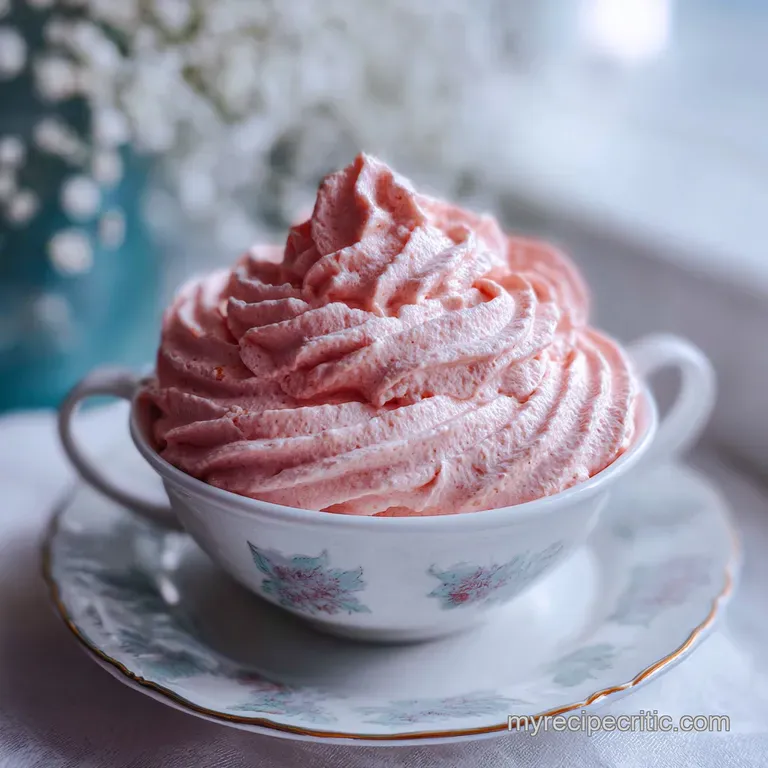
- Simmer the strawberry puree. Place your 150g of strained strawberry puree in a small saucepan over medium low heat. Note: This removes water that would otherwise break your buttercream.
- Reduce the liquid volume. Cook for about 8 to 10 minutes, stirring frequently, until the mixture has thickened to about 60ml (1/4 cup).
- Chill the fruit base. Transfer the reduction to a small bowl and let it cool completely in the fridge. Note: Adding hot puree to butter will melt your frosting instantly.
- Cream the European butter. Place the 226g of softened butter in a stand mixer and beat on medium high for 5 minutes until it looks pale and fluffy.
- Incorporate the powdered sugar. Add the 180g of sifted sugar in three batches, mixing on low at first to avoid a sugar cloud.
- Add the marshmallow creme. Gently fold in the 198g jar of marshmallow creme using a spatula before beating on medium for 2 minutes.
- Fortify with strawberry powder. Sprinkle in the 10g of freeze dried powder and the 3g of salt. Beat until the color is uniform and vibrant.
- Emulsify the chilled reduction. Slowly pour in the cooled strawberry reduction and the 5ml of vanilla bean paste.
- Perform the final whip. Scrape down the sides and beat on medium high for one last minute until the texture is velvety and holds a stiff peak.
Correcting Common Mixing Errors
Sometimes things don't go exactly to plan, especially with the variable water content in fresh fruit. If your frosting looks a bit curdled or too soft, don't panic. Most issues are caused by temperature imbalances or over mixing, and they are usually quite easy to fix with a little patience.
Managing Frosting Graininess
If the frosting feels sandy on your tongue, it usually means the powdered sugar wasn't sifted or the butter was too cold to fully integrate with the sugar crystals. You can try beating the mixture for an extra 3 minutes on medium high.
The friction from the beaters creates just enough heat to dissolve those stubborn sugar granules into the fat.
Stabilizing Heat Sensitivity
In warmer kitchens, this frosting can lose its "zip" and start to look sloppy. This happens because the butter is approaching its melting point. Pop the entire mixing bowl into the fridge for 15 minutes, then re whip it.
This resets the fat crystals and gives you back that beautiful, pipeable structure.
| Problem | Root Cause | Solution |
|---|---|---|
| Runny Texture | Puree was not reduced enough | Add 2 more tbsp of freeze dried powder |
| Broken/Curdled | Puree or butter was too cold | Microwave 2 tbsp of frosting for 5 seconds and mix back in |
| Overly Sweet | Not enough salt/acid | Add a tiny squeeze of fresh lemon juice |
Common Mistakes Checklist
- ✓ Always strain your strawberry puree to remove seeds for a smoother finish
- ✓ Never add the marshmallow creme while the butter is still cold and chunky
- ✓ Ensure the strawberry reduction is completely cold before it touches the fat
- ✓ Use a paddle attachment rather than a whisk to avoid excess air bubbles
- ✓ Stop mixing the moment the ingredients are combined to prevent the marshmallow from becoming "rubbery"
Modifying for Dietary Needs
Adjusting this recipe for different lifestyles is surprisingly straightforward. If you are looking for a dairy-free option, you can swap the butter for a high fat vegan alternative.
Just be aware that vegan butters often have a lower melting point, so you may need to keep the cake refrigerated until the very moment you serve it.
For those watching their sugar intake, substituting the powdered sugar for a powdered erythritol blend works well. However, keep in mind that the marshmallow creme itself contains sugar, so this will never be a truly "keto" recipe. If you want a deeper chocolatey vibe, this frosting pairs beautifully with my No Bake Chocolate recipe techniques for incorporating marshmallow into richer bases.
| Original Ingredient | Substitute | Why It Works |
|---|---|---|
| Unsalted Butter | Solid Coconut Oil | High fat content creates a firm chill. Note: Adds a slight tropical flavor |
| Powdered Sugar | Powdered Monk Fruit | Provides sweetness without the glycemic spike |
| Marshmallow Creme | Aquafaba Fluff | Vegan friendly and provides a similar light lift |
Scaling this recipe is also quite simple. If you are doing a massive three tier cake, you can double the ingredients, but I recommend reducing the salt and vanilla to 1.5x the original amount to keep the flavors balanced.
For a small batch of 6 cupcakes, just halve everything and use a hand mixer instead of a large stand mixer for better control.
Preservation and Storage Methods
This frosting is surprisingly hardy thanks to the stabilizing power of the marshmallow. You can store it in an airtight container in the refrigerator for up to 5 days. When you are ready to use it, let it sit on the counter for about 30 minutes to soften up, then give it a quick whip with a spatula to restore that velvety texture.
For long term storage, this frosting freezes beautifully. Place it in a freezer safe bag, squeeze out all the air, and it will stay fresh for up to 3 months. To thaw, move it to the fridge overnight and then follow the same "room temperature and re whip" process.
Don't let any leftover strawberry bits go to waste! If you have extra strawberry puree or powder, stir it into your morning yogurt or fold it into some pancake batter. The concentrated flavor of the reduction is also incredible drizzled over vanilla ice cream.
Keeping the kitchen zero waste is all about seeing those "scraps" as flavor boosters for your next meal.
Ideal Cake Pairing Partners
Now that you have the ultimate Strawberry Marshmallow Frosting, you need the right canvas. This frosting is bold, so it needs a cake that can stand up to its personality. A classic vanilla bean sponge is the most traditional choice, but if you want something truly decadent, try it on a dark chocolate fudge cake.
The acidity of the berries cuts right through the richness of the cocoa.
- The Classic Choice: Pairs perfectly with a light and airy Classic Strawberry Shortcake recipe.
- The Decadent Choice: Use it as a filling for The Strawberry Chocolate recipe to create a stunning contrast of colors.
- The Seasonal Choice: Top a lemon zest pound cake for a "strawberry lemonade" flavor profile.
There is a persistent myth that using fresh fruit in frosting makes it go bad within hours. That is simply not true if you've cooked the fruit down. The high sugar content and the reduction process act as natural preservatives. Another myth is that marshmallow frosting is too sticky to pipe.
By balancing it with the right amount of butter and powdered sugar, you get a medium that holds a star tip shape perfectly without sticking to your piping bag like glue. Trust the process, keep your temperatures in check, and you will have a masterpiece on your hands.
Recipe FAQs
How do you make marshmallow frosting?
Cream butter, then incorporate powdered sugar, marshmallow creme, and cooled strawberry reduction. Begin by beating softened butter until pale, then slowly add sifted sugar. Finally, gently fold in the creme and your cooled puree to maintain structure.
What is the secret ingredient that will improve your frosting?
Freeze dried strawberry powder is the key to intensifying flavor without adding water. This ingredient acts as a powerful flavor concentrate and moisture wick, ensuring your frosting stays stiff even on a warm day.
Can marshmallow fluff be used as frosting?
Yes, but it needs stabilization to be truly effective. Fluff alone is too soft and sticky for piping intricate designs; you must emulsify it with high fat butter and powdered sugar to create a stable buttercream base.
How do you make marshmallow frosting using fresh strawberries?
Simmer the strawberry puree until it reduces by half and is completely cool. This crucial step removes excess water, preventing the final frosting from weeping or breaking. If you enjoyed mastering moisture control here, see how the same principle applies to stabilizing dressings in our Spring Dessert with recipe.
Can you dip strawberries in marshmallow fluff?
No, pure marshmallow fluff is too sticky and will not set well on its own. You need to temper the fluff with melted white chocolate or use a setting agent like gelatin to create a firm, dippable shell.
What is the ideal butter temperature for achieving a fluffy marshmallow frosting?
Use European style butter softened precisely to 18°C (64°F). This specific temperature allows the butter to trap the maximum amount of air during creaming, resulting in a light, velvety texture that holds peaks well.
Is it true that you must use a stand mixer for this recipe?
No, a high powered hand mixer can certainly work if you mix in smaller batches. However, the sustained, high speed aeration needed to incorporate the marshmallow creme is best achieved with a sturdy stand mixer fitted with the paddle attachment.
Strawberry Marshmallow Frosting
Ingredients:
Instructions:
Nutrition Facts:
| Calories | 254 kcal |
|---|---|
| Protein | 0.3 g |
| Fat | 15.3 g |
| Carbs | 29.9 g |
| Fiber | 0.4 g |
| Sugar | 23.1 g |
| Sodium | 98 mg |
