St Patricks Day Cookies: Buttery Shortbread Cut-Outs That Wont Spread
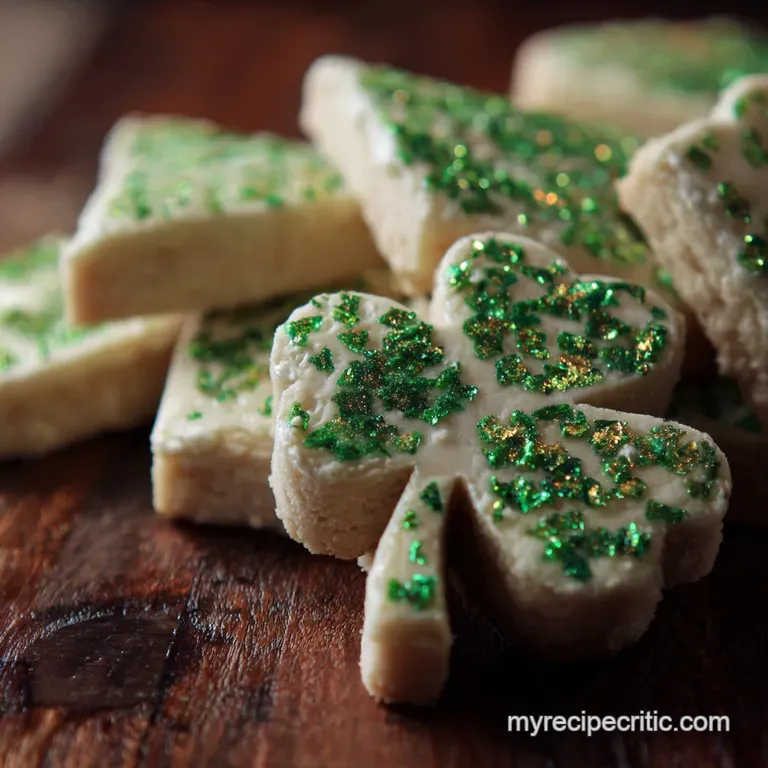
- The Emerald Isle Shortbread: Buttery Cut-Out Cookies for a Proper Celebration
- Why This Shortbread Recipe Delivers Superior Cut-Outs
- All Ingredients for the St Patricks Day Cookies and Icing
- Step-by-Step Instructions for Shaping and Baking Shortbread
- Expert Chef's Tips and Troubleshooting Common Cookie Mistakes
- Storage and Freezing: Making St. Patrick's Day Cookies Ahead of Time
- Festive Serving Suggestions and Pairings
- Recipe FAQs
- 📝 Recipe Card
The Emerald Isle Shortbread: Buttery Cut-Out Cookies for a Proper Celebration
You know that scent? That warm, comforting wave of melting butter and pure vanilla washing over the kitchen? That’s exactly what happens when these St Patricks Day Cookies are baking, and honestly, the aroma alone is enough to chase away a rainy March day.
The final result is a cookie that has a beautiful, satisfying snap, giving way to a rich, melt-in-your mouth interior, ready for vibrant green icing.
We need a recipe that won't spread into shapeless blobs, especially when we’re dealing with intricate shamrocks and tiny pots of gold cutters. This buttery shortbread recipe is your absolute lifesaver because it holds its shape perfectly, making detailed decorating easy, even if you are just starting out.
It's fast, incredibly forgiving, and way cheaper than buying those sad, factory made sugar cookies at the store.
So, ditch the stress of soft, spreading doughs, and let’s embrace the crisp perfection of a proper, high fat shortbread base. This isn't just baking; this is getting ready for a proper Paddy's Day party, and these St Patricks Day shortbread treats are going to be the absolute star.
Let’s crack on and talk about why this exact formula works so well.
Why This Shortbread Recipe Delivers Superior Cut-Outs
Defining the Classic Shortbread Texture (Crisp Edges, Soft Interior)
When I set out to create the best easy cut out cookies recipe for a holiday, I always look to shortbread, not standard American sugar cookies. Shortbread traditionally uses a higher ratio of fat to flour, and crucially, very little or no leavening agent like baking soda. This difference is key.
You get those wonderfully crisp edges that snap cleanly, while the inside remains tender and buttery, totally ready for a thick layer of royal icing.
Tools Checklist: Essential Baking Equipment for Perfect Cut-Outs
You don't need a huge arsenal of equipment, but having the right tools makes a colossal difference in the final product. A stand mixer saves your arms when creaming the butter, trust me. Using a quality set of shamrock or clover cutters guarantees sharp, clean shapes that truly stand out.
- Electric Stand Mixer (or powerful hand mixer)
- A good, heavy rolling pin
- Parchment paper (seriously, forget flouring your counter heavily)
- Piping bags and a fine round tip (Wilton #2 is perfect)
- A sturdy wire cooling rack
The Science of "Short": Achieving Tender Crumb without Spread
The name "short" refers to the crumb structure; the high fat content shortens the gluten strands. This means the butter coats the flour proteins, preventing them from developing into tough, chewy gluten networks when mixed. Because we use minimal baking powder, the cookie doesn't expand much in the oven.
Less expansion equals perfectly retained shapes.
Chef's Note: We use a small amount of baking powder here (a deviation from traditional shortbread) just to give the cookie the tiniest lift and prevent it from feeling too dense, ensuring a softer bite than a truly rigid biscuit.
Why Chilling the Dough is Non-Negotiable for Shape Retention
If you skip the chilling steps, you will end up with Saint Patrick's Day puddles instead of shamrocks. I learned this the hard way one year, rushing the process and watching my little green hats melt into abstract art. Chilling the dough solidifies the butter.
When the cold dough hits the hot oven, the butter takes longer to melt, allowing the flour structure to set before the fat can run out. You must chill the dough twice: once as a disc, and then again after you cut the shapes.
All Ingredients for the St Patricks Day Cookies and Icing
Must Have Ingredients for the Buttery Base Dough
We are aiming for richness, so high-quality, room temperature unsalted butter is paramount here. Seriously, don't use cold butter; it won't cream properly, and your resulting cookies will be dense. For the best flavour, I insist on pure vanilla extract, not the artificial stuff.
This simple ingredient list is how we achieve that classic, beloved shortbread taste.
Crafting the Mint Kissed Royal Icing (Color & Flavor)
The true festive fun starts with the icing! We use meringue powder instead of fresh egg whites because it’s shelf stable and gives a reliably stiff, bright white base that takes gel colour beautifully. You need gel food colouring —liquid colouring introduces too much water and compromises the icing structure. For a festive twist on these St Patricks Day dessert recipes , I love adding a tiny splash of mint extract, but use it sparingly; a little goes a long, long way. If you want something richer than royal icing, consider making the filling for my St Patricks Day Desserts: Ultimate Irish Cream Cheesecake Bars but thinning it slightly for frosting instead.
Ingredient Swaps: Clarifying Butter and Sugar Substitutions
| Original Ingredient | Viable Substitute | Notes on Swap |
|---|---|---|
| Unsalted Butter | Salted Butter (Omit the 1 tsp salt) | You MUST skip the added salt in the dough mixture if you use salted butter. |
| Granulated Sugar | Caster Sugar (Superfine) | Caster sugar dissolves much faster, leading to an even smoother dough, though it's not strictly essential. |
| Meringue Powder | Stabilizer Powder/Powdered Egg White | Meringue powder is best for stability, but these alternatives can work in a pinch. |
| Vanilla Extract | Almond Emulsion | If you want a different complexity, emulsion provides excellent flavour without the nut risk. |
Best Practices for Accurate Flour and Powdered Sugar Measurement
Baking is a science, so don’t eyeball the dry ingredients. The biggest mistake home bakers make is scooping flour directly from the bag, which compacts it and results in cookies that are dry and tough.
Always spoon the flour into your measuring cup and then level off the top with a straight edge. Do the same thing with the powdered sugar for your icing if it’s clumpy, your icing will be grainy.
step-by-step Instructions for Shaping and Baking Shortbread
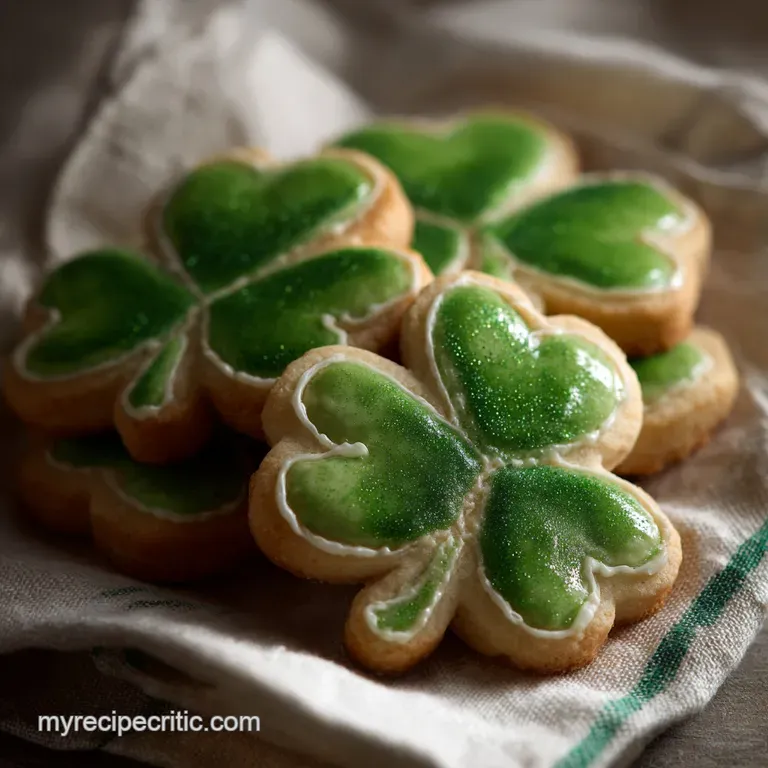
The Creaming Method: Starting the Shortbread Dough Right
Start with your truly softened butter and the granulated sugar. Beat them together on medium high speed until the mixture visibly lightens in colour and becomes fluffy this takes 3 to 5 minutes. You are whipping air into the mixture now, which keeps the final cookies light.
Next, beat in the room temperature egg and vanilla until everything is just incorporated.
Rolling and Cutting: Tips for Clean Shamrocks and Shapes
After the first hour of chilling, remove one disc of dough. Instead of dusting your counter aggressively, roll the dough out between two sheets of parchment paper. Roll to a uniform thickness, about ¼ inch (5 6 mm). Press your cutters straight down firmly, lifting them straight up without twisting.
Twisting the cutter seals the edges too tightly , which can still cause spreading. Carefully transfer the cut shapes to your baking sheet lined with parchment.
Baking Time Guide: How to Achieve Crisp, Golden Edges
Your oven should be preheated to 350°F (175°C). Bake the cut-outs for 10 to 12 minutes, making sure to rotate the baking sheet halfway through. These St Patricks Day cookies should remain mostly pale, but you are looking for the edges to just barely turn a light, pale golden colour.
That is your cue they are done and perfectly crisp.
Cooling and Preparing the Cookies for Decoration
Leave the baked cookies on the hot baking sheet for 5 minutes; this helps them set fully before you move them. Then, carefully transfer them to a wire rack. Crucially, the cookies must be completely, 100% cool before you attempt to apply royal icing.
If they are even slightly warm, the icing will bleed or melt right off the sides.
Expert Chef's Tips and Troubleshooting Common Cookie Mistakes
Solving the Spread: Why Your Shapes Lost Definition
If your shamrocks looked perfect going in but came out looking bloated and round, you likely had one of two problems: your dough was too warm, or your kitchen was too hot. The only real fix is patience.
Chill the cut-out cookies on the baking sheet for 10 minutes in the freezer right before they enter the oven. It is absolutely the secret weapon for perfect shape retention.
Achieving the Perfect Icing Consistency (Flood vs. Outline)
Royal icing requires two consistencies. The outlining icing needs to be stiff enough to act like a dam; it should hold its shape when piped. The flooding icing needs to be thinner the 10 second rule is your guide.
If you drop a spoonful onto the bowl and it takes about 10 seconds to flatten out again, you nailed the flood consistency for these st patrick's day cookies decorating efforts.
Preventing Dough Stickiness: When to Add More Flour
If your dough is too sticky after the initial chilling, resist the urge to knead in massive amounts of flour. Adding too much flour results in a dry, crumbly cookie that tastes dusty.
Instead, utilize the parchment paper method for rolling, or simply wrap the dough and let it chill for another 30 minutes.
Storage and Freezing: Making St. Patrick's Day Cookies Ahead of Time
Freezing Unbaked Dough vs. Baked Cookies
For the absolute best flavour and texture, freezing the unbaked dough is the way to go. You can cut out the shapes and freeze them solid on a sheet tray, then transfer them to an airtight container layered with parchment paper.
When you want to bake them, pull them out and bake straight from frozen, adding 2– 3 minutes to the total bake time.
Proper Storage for Keeping Decorated Cookies Fresh
Once decorated and completely set (which takes hours, I know!), store the cookies in an airtight container at room temperature. They stay perfectly fresh and crisp for up to 5 days.
Do NOT refrigerate them unless you used a highly perishable buttercream frosting, as refrigeration can dry out the shortbread and cause the colours in the icing to bleed.
Festive Serving Suggestions and Pairings
Pairing These Buttery Treats with Irish Coffee or Tea
These rich, crisp cookies pair beautifully with hot drinks. For daytime celebrations, serve them alongside a strong Irish Breakfast Tea. If you are hosting an evening celebration, they are fantastic served with a post dinner Irish Coffee the sweet icing cuts through the whiskey and cream wonderfully. If you are leaning into the mint flavours in the icing, you might also like to check out my sophisticated St Patricks Day Desserts: Elegant No-Bake Mint Whiskey Tart for a more dramatic centerpiece dessert!
Storage for Keeping Decorated Cookies Fresh
Need an elegant party spread? These st patrick's day cookies ideas shine when mixed with other small dessert bites. Try arranging them alongside dark chocolate squares and maybe a simple bowl of whipped cream and berries.
For a sweet and savory element, you could even include some small cheese bites, though that’s leaning away from the classic dessert theme.

Recipe FAQs
Why did my shortbread cookies spread and lose their shamrock shape?
This is usually due to the dough being too warm, causing the butter to melt quickly during baking. Ensure you thoroughly chill the dough (at least 30 minutes) before rolling and cutting, and always chill the cut-outs again right before they hit the oven for maximum shape retention.
My cookies came out tough instead of buttery and tender. What went wrong?
Tough cookies are typically the result of overworking the flour once it has been added to the wet ingredients. Mix until the flour is just combined a few streaks remaining is acceptable as excess mixing develops gluten, which creates a chewier texture.
Can I prepare the shortbread dough in advance, and how long does it last?
Yes, the dough can be made ahead and stored. Wrap the disc tightly in plastic wrap and store it in the refrigerator for up to five days, or freeze it for up to three months. Always thaw frozen dough overnight in the fridge before rolling.
How should I store the finished, decorated cookies?
If decorated with royal icing, ensure the icing is fully hardened (this can take 12 24 hours, depending on humidity) before storing or packaging. Store the finished cookies in an airtight container at room temperature for up to one week, layering them gently with parchment paper in between.
I don't like mint. What alternative flavorings can I use for the icing?
You can easily substitute the mint extract with pure vanilla bean paste or a high-quality almond extract for a more classic flavor profile. If you want a brighter flavor, consider using orange or lemon zest in the dough itself, rather than altering the icing.
Can I make these shortbread cut-outs gluten-free?
Absolutely; shortbread recipes adapt well to gluten-free flours due to their low moisture content. Substitute the all-purpose flour with a high-quality 1:1 gluten-free baking blend that contains xanthan gum. Measuring the flour by weight is highly recommended for GF baking accuracy.
How do I know when the shortbread is properly baked?
Shortbread is characterized by being pale, so you should avoid heavy browning. The cookies are done when the centers look set and the edges are just beginning to turn a very light golden color. Overbaking will result in a dry, crumbly texture.
St Patricks Day Cookies Shortbread Recipe
Ingredients:
Instructions:
Nutrition Facts:
| Calories | 100 kcal |
|---|---|
| Protein | 2.0 g |
| Fat | 6.0 g |
| Carbs | 11.0 g |
