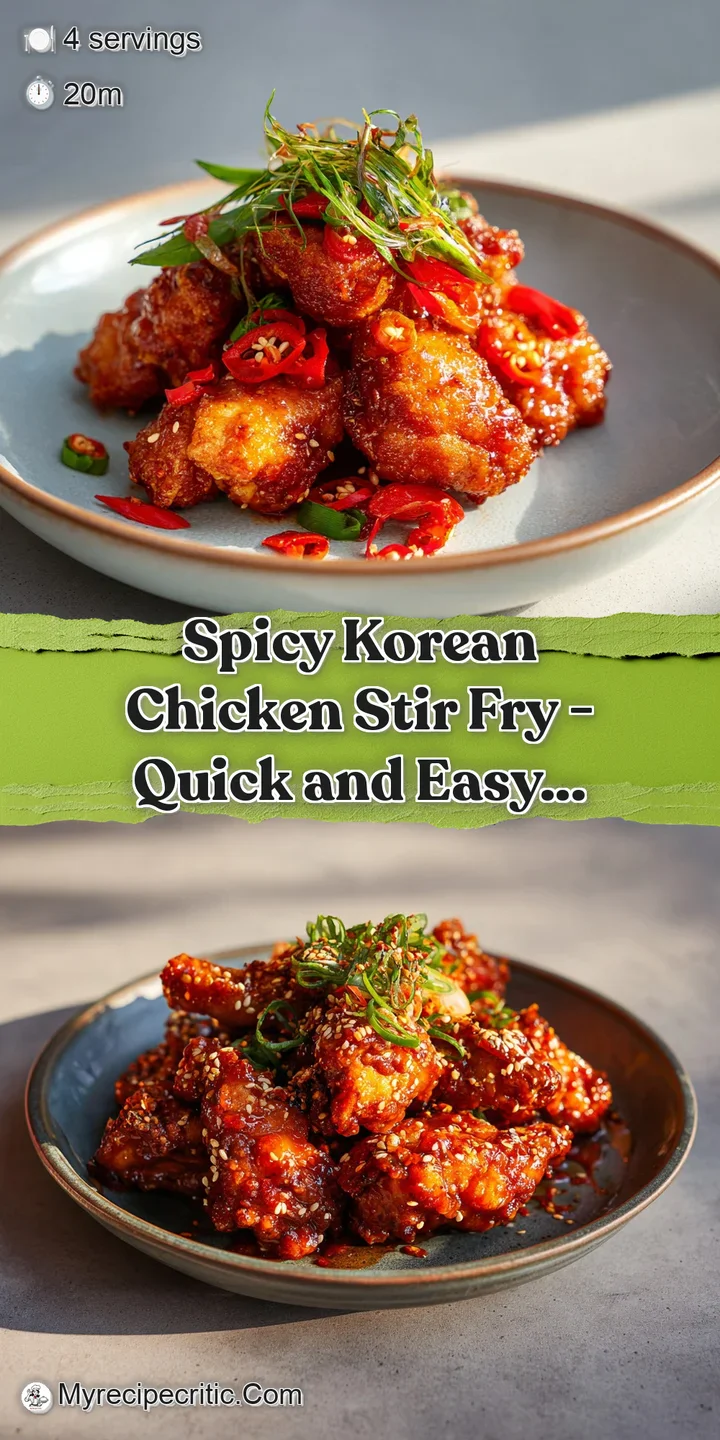
Spicy Korean Chicken: Velvety and Fiery
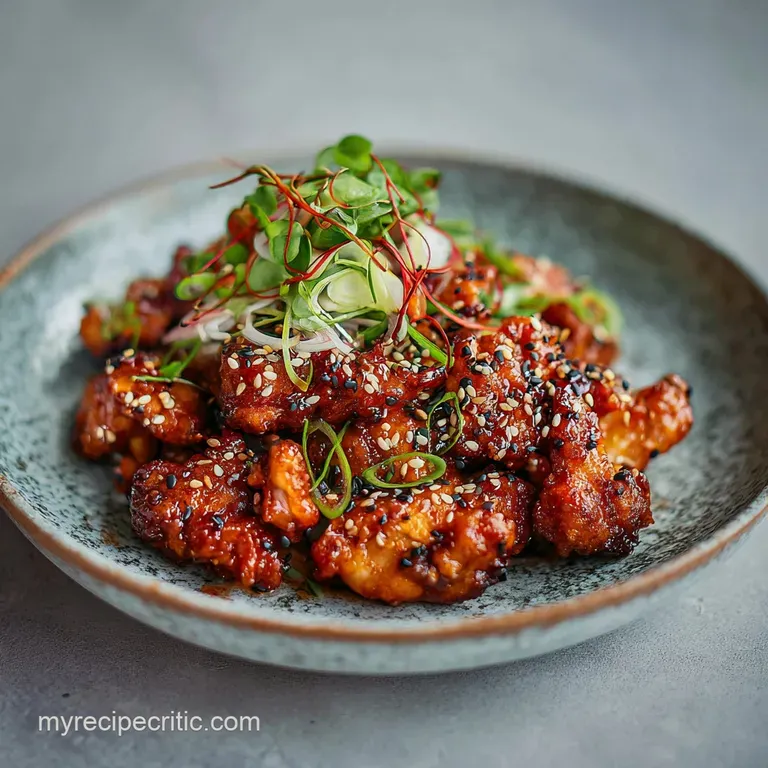
- Time: Active 10 minutes, Passive 10 minutes, Total 20 minutes
- Flavor/Texture Hook: Sticky, spicy, and velvety
- Perfect for: Busy weeknight dinners or meal prep
- Master the Ultimate Spicy Korean Chicken
- The Science of Better Poultry
- Crucial Data and Timing
- Sourcing These Specific Flavor Elements
- Minimal Equipment for Quick Success
- Step-by-Step Cooking Instructions
- Solving Texture and Heat Problems
- Customizing Flavors to Your Taste
- Maintaining Freshness and Quality
- Ideal Sides for Balanced Eating
- Very High in Sodium
- Recipe FAQs
- 📝 Recipe Card
Master the Ultimate Spicy Korean Chicken
The first time I got this right, the sizzle of the ginger hitting the hot oil was so loud I could barely hear my own thoughts. I had spent months trying to replicate that specific, glossy red coating you find at the best street food stalls in Seoul, only to end up with chicken that was either dry or way too salty.
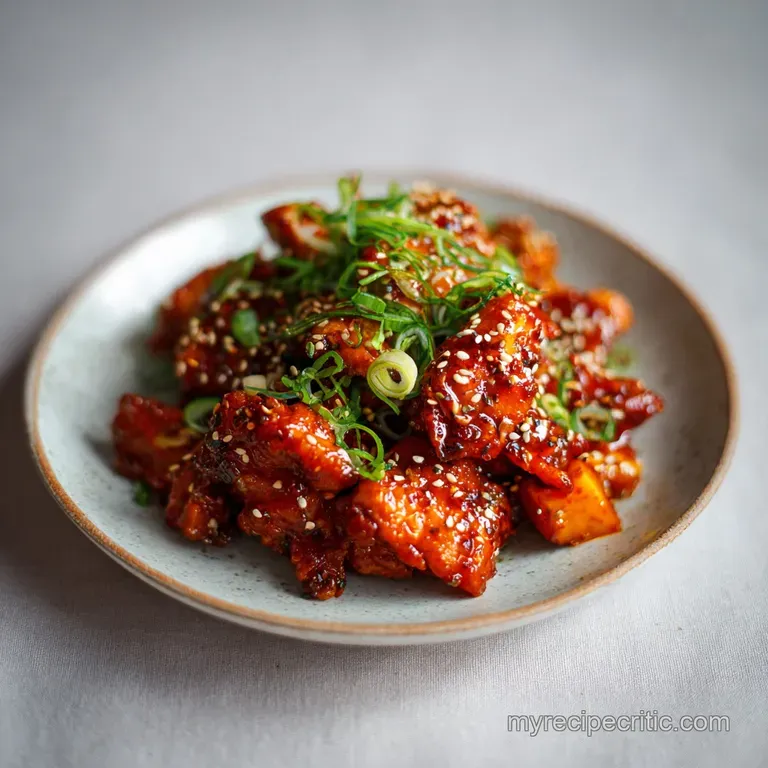
But when I finally dropped that first piece of "velveted" chicken into the pan and watched the sauce bubble into a thick lacquer, I knew I’d cracked the code.
You’re looking for that specific sensory hit: the sharp aroma of garlic and fermented chili paste catching in the back of your throat, followed by the sweet, nutty scent of toasted sesame oil. This isn't just a meal; it's a punch of flavor that wakes up every single taste bud.
We’re going to use minimal tools and a few reliable steps to make sure you get that velvety, tender finish every single time without needing a deep fryer or a complicated setup.
Trust me, once you see how the honey and gochujang emulsify into that vibrant, slick sauce, you’ll never go back to takeout. It's brilliant for those nights when you’re exhausted but still want something that feels like a reward. Let’s crack on with the method that actually works.
The Science of Better Poultry
Protein Velveting: The combination of Shaoxing wine and cornstarch creates a thin alkaline barrier that prevents the chicken fibers from tightening and squeezing out moisture during over high heat frying.
Maillard Reaction: Cooking the chicken in small batches ensures the surface temperature stays high enough to brown the meat rather than steaming it in its own juices.
Sauce Emulsification: The sugars in the honey and the starches in the gochujang bind with the fats in the sesame oil to create a stable, glossy coating that clings to the meat instead of pooling at the bottom of the pan.
| Chicken Thickness | Internal Temp | Rest Time | Visual Cue |
|---|---|---|---|
| 1 inch pieces | 165°F | 2 minutes | Meat is opaque and juices run clear |
| 1.5 inch pieces | 165°F | 3 minutes | Firm to the touch with golden edges |
| Thin strips | 165°F | 1 minute | Edges begin to curl and turn brown |
The key to a successful stir fry is having everything ready before the heat even goes on. Because we are working with high temperatures, the margin for error is slim. If you're looking for something with a bit more crunch and a different cooking method, my Korean Roast Chicken recipe uses a similar flavor profile but focuses on shattering crisp skin in the oven.
Crucial Data and Timing
To get the best results, you need to respect the clock. Overcooking chicken thighs is harder than overcooking breasts, but it’s still possible to lose that "velvety" feel if they sit in the pan too long. If you are doubling the recipe for a crowd, do not just dump everything in at once.
| Cooking Element | Fresh Method | Shortcut Method | Result Difference |
|---|---|---|---|
| Ginger & Garlic | Freshly grated/minced | Jarred paste | Fresh has a sharper, brighter bite |
| Chicken Prep | 10 min marinade | Direct to pan | Marinade ensures much softer meat |
| Sauce Base | Homemade whisked | Pre bottled glaze | Homemade allows for heat control |
When you're in a rush, it's tempting to skip the 10 minute resting period for the chicken in its cornstarch and wine coating. Don't do it. That short window allows the cornstarch to hydrate and form the protective layer we need for that specific Spicy Korean Chicken texture.
Sourcing These Specific Flavor Elements
| Ingredient | Science Role | Pro Secret |
|---|---|---|
| Gochujang | Provides thick body and heat | Use a brand that lists chili as the first ingredient |
| Cornstarch | Acts as a moisture barrier | Toss thoroughly until the chicken looks slightly "matte" |
| Honey | Lowers the sauce's burning point | Use rice syrup for an even more traditional "glassy" look |
| Shaoxing Wine | Breaks down tough proteins | Dry sherry is a perfect pantry smart substitute |
For the Chicken Base
- 1.5 lbs boneless skinless chicken thighs: These are much more forgiving than breasts and stay juicy under high heat. Why this? Higher fat content prevents the meat from drying out during the sear.
- 1 tbsp Shaoxing wine: This adds a depth of flavor and helps tenderize.
- 1 tsp cornstarch: The secret to the velveting technique.
- 0.5 tsp kosher salt: Essential for drawing out the natural flavors of the poultry.
For the Spicy Korean Chicken Marinade & Glaze
- 3 tbsp gochujang: This is the soul of the dish. It’s a fermented chili paste that adds umami, sweetness, and heat.
- 2 tbsp low sodium soy sauce: Adds the necessary salt without being overwhelming.
- 2 tbsp honey: Balances the heat of the peppers.
- 1 tbsp toasted sesame oil: Provides that classic nutty aroma.
- 1 tbsp fresh ginger: Grate it fresh for the best "zing."
- 4 cloves garlic: Minced finely so it melts into the sauce.
- 1 tsp gochugaru: These are Korean chili flakes that add a smoky, vibrant red color.
For the Stir Fry & Garnish
- 2 tbsp neutral oil: Grapeseed or vegetable oil works best because they have high smoke points.
- 3 green onions: Separate the white parts (for cooking) and the green parts (for garnish).
- 1 tsp toasted sesame seeds: For that final bit of texture and visual appeal.
Minimal Equipment for Quick Success
You don't need a professional kitchen for this. Honestly, I usually just use a large non stick skillet or a well seasoned cast iron pan. The goal is surface area. If the pan is too small, the chicken will steam instead of searing.
Chef's Tip: Freeze your ginger for about 10 minutes before grating. It makes the fibers much firmer, so it glides across the grater instead of turning into a stringy mess.
If you find yourself making stir fries often, investing in a solid carbon steel wok is a great move, but for this specific Spicy Korean Chicken, a flat skillet actually helps get a more even sear on the chicken pieces. If you want to expand your marinade repertoire after mastering this one, check out my Chicken Fajita Marinade recipe for a completely different flavor profile that also uses simple pantry tools.
step-by-step Cooking Instructions
Phase 1: The Velveting Prep
Cut your 1.5 lbs of chicken thighs into uniform 1 inch pieces. Place them in a bowl and toss with the 1 tbsp Shaoxing wine, 1 tsp cornstarch, and 0.5 tsp salt. Let this sit for 10 minutes at room temperature. Note: This creates the protective "velvet" layer.
Phase 2: Whisking the Flavor Base
In a small glass bowl, combine the 3 tbsp gochujang, 2 tbsp soy sauce, 2 tbsp honey, 1 tbsp sesame oil, 1 tbsp grated ginger, 4 minced garlic cloves, and 1 tsp gochugaru. Whisk until the honey is fully incorporated and the sauce is smooth.
Phase 3: The over High heat Sear
Heat 2 tbsp of neutral oil in a large skillet over medium high heat until the oil is shimmering and just starting to smoke. Add the chicken in a single layer, making sure not to overcrowd the pan.
Phase 4: Searing for Texture
Cook the chicken for 3-4 minutes without moving it much, until the bottom is golden brown and crispy. Flip the pieces and cook for another 2-3 minutes. Add the white parts of the sliced green onions during the last minute of searing.
Phase 5: The Glaze Emulsion
Pour the whisked sauce over the chicken. Toss immediately to coat every piece. Cook for 1-2 minutes until the sauce is bubbling, thick, and looks like a shiny lacquer.
Phase 6: Finishing Touches
Remove the pan from the heat immediately. Toss in the green parts of the green onions and sprinkle with 1 tsp toasted sesame seeds. The residual heat will soften the onions without making them soggy.
Phase 7: Final Check
Ensure the chicken has reached an internal temperature of 165°F. The sauce should be clingy, not runny. Serve immediately while the coating is at its glossiest.
Solving Texture and Heat Problems
If things don't go exactly as planned, don't panic. Cooking is all about adjustments. The most common issue people have with Spicy Korean Chicken is the sauce consistency or the chicken's "bite."
Fixing Chicken Texture Issues
If your chicken feels "rubbery" or dry, it’s likely because the pan wasn't hot enough when you started, or you skipped the cornstarch. Cornstarch is non negotiable here. It acts as a shield. Without it, the high heat hits the protein fibers directly, causing them to seize up.
Adjusting Sauce Consistency
If your sauce is too thin, it’s usually because the chicken released too much moisture. This happens if the pan is overcrowded. Next time, cook in two batches. If it’s already happened, just let the sauce simmer for an extra minute until the sugars in the honey reduce and thicken the liquid.
| Problem | Root Cause | Solution |
|---|---|---|
| Sauce is "clumpy" | Gochujang wasn't whisked | Whisk the sauce thoroughly with a fork before adding to the pan |
| Chicken is soggy | Pan was overcrowded | Cook in two batches to allow steam to escape |
| Sauce tastes bitter | Garlic or ginger burned | Add the sauce as soon as the garlic becomes fragrant (about 30 seconds) |
Common Mistakes Checklist
- ✓ Pat the chicken dry before adding the cornstarch and wine.
- ✓ Use a high smoke point oil like grapeseed; butter will burn too quickly.
- ✓ Don't stir the chicken constantly; let it sit to develop a sear.
- ✓ Whisk the sauce in a separate bowl rather than adding ingredients one-by-one to the pan.
- ✓ Use low sodium soy sauce to prevent the final dish from being an "over salted" mess.
Customizing Flavors to Your Taste
This recipe is incredibly flexible once you understand the base. If you're out of chicken thighs, you can use breasts, but you’ll need to reduce the cook time by about a minute per side to prevent them from turning into sawdust.
Swapping Ingredients Safely
If you want to change the flavor profile, use the table below to ensure you don't ruin the chemistry of the glaze.
| Original Ingredient | Substitute | Why It Works |
|---|---|---|
| Shaoxing Wine | Dry Sherry | Similar acidity and alcohol content to tenderize the meat. |
| Honey | Rice Syrup | Rice syrup is traditional and provides a higher shine, though it's less sweet. |
| Gochugaru | Crushed Red Pepper | Adds heat, though you'll miss the specific smoky depth of the Korean flakes. |
Spicy Korean BBQ Chicken
If you want that charred, "off the grill" flavor, you can finish the chicken under the broiler for 2 minutes after saucing it. This will caramelize the sugars even further and give you those dark, crispy "burnt ends" that are a staple of BBQ.
Simple Veggie Additions
Want to turn this into a full Spicy Korean Chicken Stir Fry? Throw in some sliced bell peppers or snap peas when you add the white parts of the green onions. The sweetness of the peppers pairs beautifully with the heat of the gochujang.
Just ensure you don't add too many veggies at once, or they will drop the pan temperature and make the chicken soggy.
Maintaining Freshness and Quality
This is one of those rare dishes that actually holds up pretty well for meal prep. The sauce acts as a barrier that keeps the chicken from drying out when reheated.
- In the Fridge: Store in an airtight container for up to 4 days. The sauce will thicken as it cools, so it might look a bit dull when you pull it out.
- In the Freezer: You can freeze the cooked chicken for up to 2 months. However, the cornstarch coating may lose its "velvety" texture once thawed.
- Reheating: Avoid the microwave if possible, as it can make the chicken rubbery. Instead, toss it back into a hot skillet with a splash of water or extra soy sauce to loosen the glaze.
Zero Waste Tip: Don't throw away the cilantro stems or the very ends of the green onions! Chop them finely and throw them into the pan at the very beginning with the garlic. They pack a massive flavor punch that most people just toss in the bin.
If you have leftover rice, this chicken is the perfect base for a quick fried rice the next day.
Ideal Sides for Balanced Eating
When serving Spicy Korean Chicken, you need something to soak up that glorious sauce. White jasmine rice is the gold standard here because its floral aroma balances the heavy fermentation of the gochujang. If you want to try something different, this chicken is actually very similar in "soul" to a Classic Filipino Chicken recipe, which also relies on a balance of salt, acid, and heat.
The Low Carb Alternative
If you're skipping grains, try serving this over a bed of cool, crisp cucumber ribbons dressed with a little rice vinegar. The contrast between the hot, spicy chicken and the cold, acidic cucumbers is genuinely refreshing.
The Decision Shortcut
- If you want a crunchier texture: Lightly coat the velveted chicken in extra cornstarch right before frying.
- If you want a milder heat: Cut the gochugaru and increase the honey by 1 teaspoon.
- If you want a deeper umami: Add a half teaspoon of fish sauce to the glaze whisk.
Right then, you're all set. Grab your skillet, get that oil shimmering, and let the aroma fill your kitchen. It's a quick win that feels like a feast trust me on this one. For more global chicken inspiration, you should definitely check out my Chicken Gyros Recipe for a Mediterranean spin on over high heat poultry. Enjoy your cooking!
Very High in Sodium
1180 mg mg of sodium per serving (51% of daily value)
The American Heart Association recommends limiting sodium intake to no more than 2,300mg per day for most adults.
Smart Swaps for a Lower Sodium Dish
-
Reduce Added Salt-25%
Decrease or eliminate the 0.5 tsp of added kosher salt. Flavor will be enhanced by the other ingredients, and you can always add a pinch at the end if needed. Consider omitting entirely.
-
Low-Sodium Soy Sauce-20%
Ensure you're using truly low-sodium soy sauce (check the label!). Some 'reduced sodium' options still contain a significant amount. This is a key sodium contributor.
-
Dilute Gochujang-15%
Gochujang can be high in sodium. Reduce the amount to 2 tablespoons and add 1 tablespoon of unsweetened applesauce or a no-sodium tomato paste to maintain the same volume and flavor profile. Taste and adjust the quantity as needed.
-
Adjust Sweetness-10%
If you're reducing the gochujang, you may need to slightly increase the honey or rice syrup to balance the flavors. Add a little at a time.
-
Increase Aromatics
Increase the amount of fresh ginger and garlic to boost flavor and reduce reliance on salt. Consider adding a diced shallot.
-
Flavor Boost
Experiment with sodium free herbs and spices such as black pepper, dried oregano, or smoked paprika to enhance the dish's flavor without adding sodium. Fresh herbs will also work.
Recipe FAQs
What is the spicy sauce for Korean chicken?
Gochujang, honey, soy sauce, and aromatics. The base is the fermented Korean chili paste (gochujang) balanced with honey for sweetness and soy sauce for salt, creating a thick, glossy glaze.
Is Korean chicken good for diabetics?
Generally, no, caution is advised. The traditional glaze relies heavily on honey and sugars from the gochujang, leading to a high glycemic load; use sugar substitutes if modifying the recipe.
What is Korean chicken marinated in?
It is often "velveted," not fully marinated, using cornstarch, wine, and salt. This technique coats the chicken to seal in moisture during the high heat sear, resulting in a tender interior texture.
What is the secret of Korean fried chicken?
Double frying and batter science are key, but for sauced versions, it’s the cornstarch barrier. That velvety texture achieved by the cornstarch protecting the meat is what makes the interior so tender beneath the glaze; similar texture control is vital in dishes like our Chicken Lettuce Wraps recipe.
How do I achieve the signature sticky glaze without burning the sugars?
Remove the pan from the direct heat before adding the sauce mixture. Toss the chicken quickly and return the pan to low heat just long enough for the sauce to bubble and thicken into a lacquer around the meat.
Can I use chicken breasts instead of thighs?
Yes, but adjust your cooking time immediately. Breasts cook faster and dry out easily; reduce the searing time by about one minute per side to maintain tenderness.
Why is my sauce runny after tossing the chicken?
You likely overcrowded the pan, causing the chicken to steam. Steam releases excess moisture into the pan, thinning the glaze; next time, cook the chicken in smaller batches to maintain a searing temperature.
Spicy Korean Chicken Stir Fry
Ingredients:
Instructions:
Nutrition Facts:
| Calories | 472 kcal |
|---|---|
| Protein | 34.6 g |
| Fat | 28.5 g |
| Carbs | 18.4 g |
| Fiber | 1.2 g |
| Sugar | 11.8 g |
| Sodium | 1180 mg |
