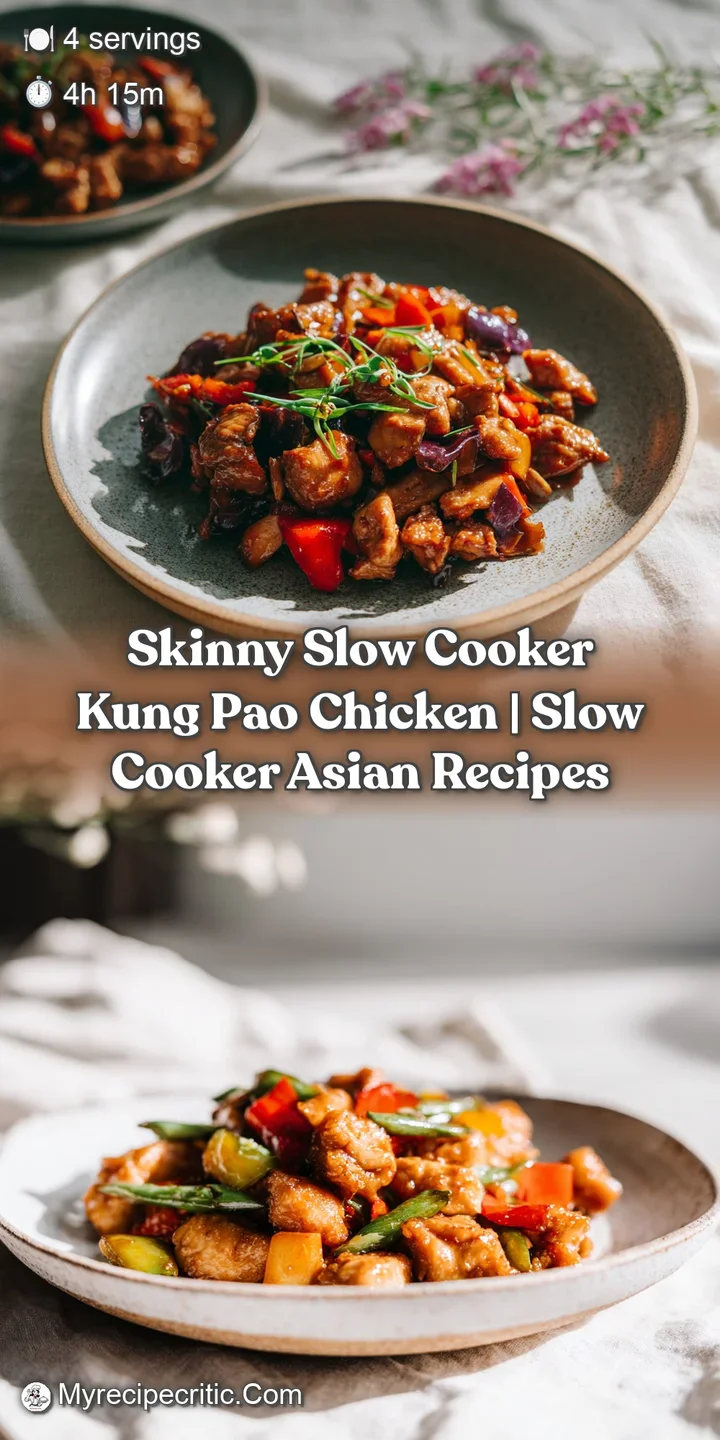
Skinny Slow Cooker Kung Pao Chicken
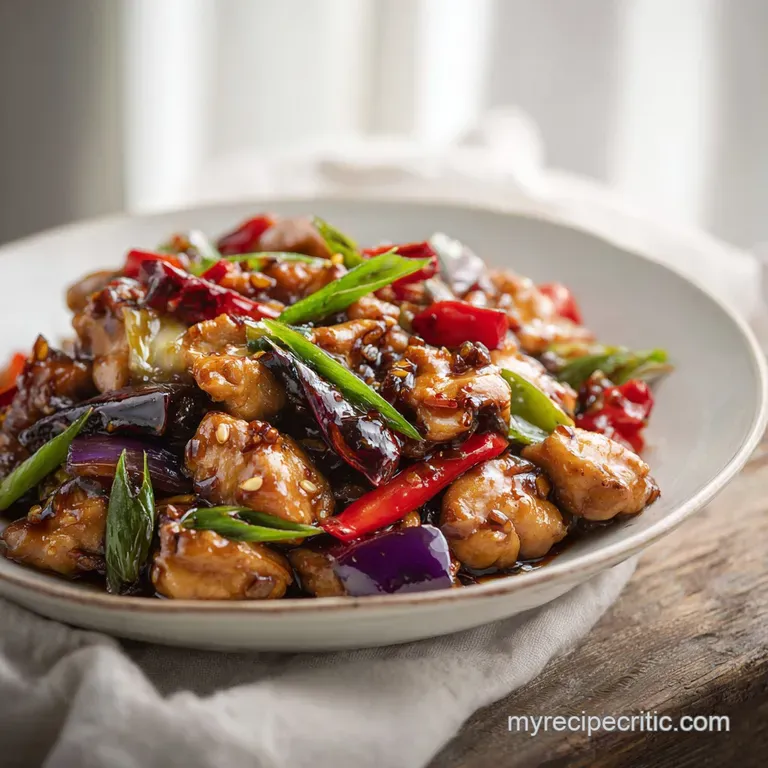
- Time: Active 15 minutes, Passive 240 minutes, Total 255 minutes
- Flavor/Texture Hook: Velvety chicken with a spicy tangy glaze and crunchy peanuts
- Perfect for: Healthy weeknight dinners or high protein meal prep
- The Magic of Cold Cornstarch Coatings
- Component Analysis and Ingredient Roles
- Gathering Your Essential Grocery Items
- Essential Equipment for a Stress Free Meal
- Step by Step Cooking Process and Aromas
- Solving Problems and Avoiding Kitchen Disasters
- Creative Variations to Mix It Up
- Understanding Your Scaling Options
- Storage Tips and Preservation Secrets
- Debunking Slow Cooker Myths
- Serving Suggestions for the Best Experience
- Very High in Sodium
- Recipe FAQs
- 📝 Recipe Card
The Magic of Cold Cornstarch Coatings
Starch Gelatinization: Tossing the chicken in cornstarch before it hits the slow cooker creates a protective barrier that keeps the meat juicy during the long cook time. This starch then migrates into the liquid, thickening the sauce into a glossy glaze without needing extra flour or heavy reducers.
Acid Tenderization: The combination of balsamic and rice vinegar works to break down the protein fibers of the chicken thighs. This ensures every piece is tender enough to pull apart with a fork, even though we are using a lean cooking method.
Aromatic Infusion: Because the dried chiles and garlic sit in the pot for four hours, their fat soluble flavor compounds fully dissolve into the sesame oil. This creates a much deeper, more layered heat than you would get from a quick five minute stir fry.
| Chicken Thickness | Internal Temp | Rest Time | Visual Cue |
|---|---|---|---|
| 1 inch cubes | 165°F | 5 minutes | Sauce is bubbly and thick |
| 1.5 inch cubes | 165°F | 8 minutes | Opaque center with no pink |
| 2 inch chunks | 165°F | 10 minutes | Chicken pulls apart easily |
Choosing the right cut of meat is the first step toward success. While many "skinny" recipes call for breast meat, I strongly suggest sticking with the 1.5 lbs boneless skinless chicken thighs called for in the official recipe.
Thighs have just enough connective tissue to handle the four hour braise without turning into dry, woody strings. If you are worried about the fat, just be diligent about trimming the excess before you cube them.
Component Analysis and Ingredient Roles
The way these ingredients interact is what separates a mediocre meal from something you'll want to put on your weekly rotation. Each element has a specific job to do, from the acidity of the vinegar to the structural integrity provided by the cornstarch.
| Ingredient | Science Role | Pro Secret |
|---|---|---|
| Cornstarch | Thickener and barrier | Toss the chicken until no white powder remains to avoid lumps. |
| Balsamic Vinegar | Acid and sugar source | It provides the dark color and fruity depth usually found in Chinkiang vinegar. |
| Toasted Sesame Oil | Flavor carrier | A little goes a long way; add it to the sauce, not the bottom of the pot. |
| Dried Red Chiles | Infusion agent | Snip one or two in half if you want the seeds to release more heat. |
When you are looking for that "smoke kissed" vibe without a grill, the toasted sesame oil is your best friend. It provides a base layer of charred flavor that mimics the "wok hei" of professional kitchens.
If you want even more of that depth, you could briefly toast your dried chiles in a dry pan for 30 seconds before tossing them into the slow cooker.
Gathering Your Essential Grocery Items
To make this skinny slow cooker kung pao chicken, you will need to gather a few specific items. Don't worry if your local shop doesn't have a massive international aisle; most of these are pantry staples or easily found in the standard produce section.
- 1.5 lbs chicken thighs: Cut these into uniform 1 inch pieces. Why this? Thighs stay succulent during long, slow cooking cycles unlike breasts.
- 2 tbsp cornstarch: This is for the "velveting" effect. Why this? It creates a silky mouthfeel and thickens the sauce naturally.
- 0.5 tsp black pepper and 0.5 tsp ground ginger: For an immediate spice hit.
- 0.33 cup low sodium soy sauce: The base of our umami flavor. Why this? Controls salt levels while providing that deep, savory backbone.
- 2 tbsp balsamic vinegar and 1 tbsp rice vinegar: Our double acid punch.
- 1 tbsp honey: Just enough to balance the heat.
- 2 cloves garlic, minced: Essential for the aromatic base.
- 1 tsp toasted sesame oil: For that signature nutty finish.
- 8 dried red chiles: These provide the visual and flavor heat.
- 2 red bell peppers: Chopped into 1 inch squares.
- 0.5 cup unsalted roasted peanuts: For the mandatory crunch.
- 3 green onions: Separated into white and green parts.
| Original Ingredient | Substitute | Why It Works |
|---|---|---|
| Balsamic Vinegar | Chinese Black Vinegar | More authentic, woody flavor. Note: Reduce honey slightly as black vinegar is less sweet. |
| Honey | Agave Nectar | Similar viscosity and sweetness. Note: Better for those tracking glycemic index. |
| Chicken Thighs | Firm Tofu (pressed) | Absorbs sauce well. Note: Reduce cook time to 2 hours on Low to prevent toughness. |
If you are looking to round out the meal, this chicken pairs beautifully with a simple side. I often serve it alongside a quick Broccoli Casserole recipe if I'm feeling like a fusion dinner, or just some steamed greens to keep things light.
Essential Equipment for a Stress Free Meal
You don't need a professional kitchen for this, but having the right tools makes the 15 minutes of prep work go much smoother. The star of the show is, of course, your slow cooker. I prefer a 4 quart or 6 quart model for this amount of chicken.
If the pot is too large, the sauce might spread too thin and burn; if it's too small, the chicken will steam rather than braise.
A good set of mixing bowls is also key. You'll want one medium bowl to toss the chicken in the cornstarch make sure it's big enough to move the meat around freely and a smaller bowl for whisking the sauce.
I use a small wire whisk to ensure the honey and cornstarch are fully integrated into the soy sauce, which prevents those annoying clumps of starch from forming later.
Chef's Tip: If you have a few extra minutes at the end, move the finished chicken to a sheet pan and pop it under the broiler for 3 minutes. It gives the edges a slightly charred, crispy texture that mimics a wok sear perfectly.
Finally,, make sure you have a sharp chef's knife. Cutting the chicken and the bell peppers into uniform 1 inch squares isn't just about looks; it's about ensuring every piece cooks at the exact same rate.
If you have tiny pieces of chicken mixed with huge chunks, the small ones will turn to mush before the big ones are safe to eat.
step-by-step Cooking Process and Aromas
- Prep the protein. Toss the 1 inch chicken pieces in a bowl with cornstarch, black pepper, and ground ginger. Work it in until the chicken looks matte and slightly tacky.
- Build the sauce. Whisk the soy sauce, balsamic, honey, rice vinegar, garlic, and sesame oil in a separate bowl. Smell for the sharp vinegar kick balanced by the sweet honey.
- Load the pot. Place the chicken in the slow cooker. Add the dried red chiles and the white parts of the green onions.
- Incorporate the liquids. Pour the sauce over the chicken. Stir well until every piece of meat is coated in the dark liquid.
- Set the timer. Cover and cook on Low for 4 hours. After 2 hours, the kitchen will begin to smell like toasted nuts and warm garlic.
- Add the crunch. During the final 30 minutes, stir in the chopped red bell peppers. Note: This keeps them "crisp tender" rather than mushy.
- Final thicken. Open the lid and give everything a good stir. The sauce should be thick enough to coat the back of a spoon.
- The Nutty Finish. Just before serving, stir in the 0.5 cup of roasted peanuts. Listen for the slight sizzle as the peanuts hit the hot sauce.
- Garnish. Sprinkle the green parts of the sliced onions over the top.
- Rest. Let the dish sit for 5 minutes before serving to let the flavors settle.
During the braising stage, the chicken releases its own juices, which mingle with the balsamic and soy to create a rich, dark gravy. If you find the sauce is too thin for your liking at the end, simply leave the lid off for the final 20 minutes of cooking.
This allows some of the excess moisture to evaporate, concentrating the flavors and the "smoke kissed" notes of the sesame oil.
Solving Problems and Avoiding Kitchen Disasters
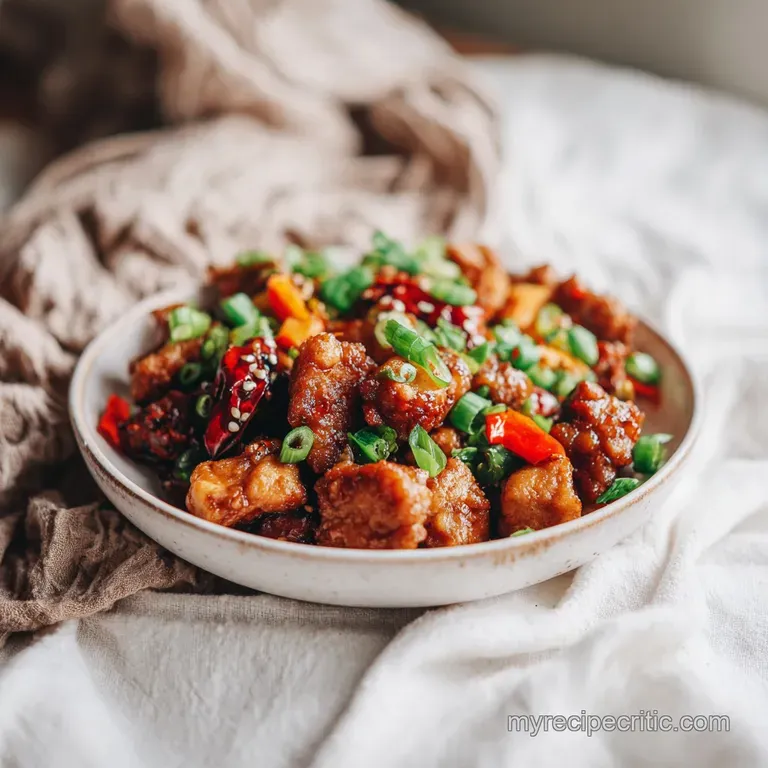
Even with the best intentions, slow cooking can sometimes go sideways. The most common complaint with "skinny" versions of this dish is that the sauce doesn't have the same body as the takeout version.
This usually happens if the chicken wasn't properly coated in cornstarch or if too much condensation dripped back into the pot from the lid.
Why Your Kung Pao Sauce Is Watery
If you open the lid and find a soup instead of a glaze, don't panic. This usually means the cornstarch didn't have enough heat to fully hydrate and thicken, or your chicken released more water than expected.
A quick fix is to whisk another teaspoon of cornstarch with a tablespoon of cold water and stir it into the pot, then crank the heat to High for 15 minutes.
| Problem | Root Cause | Solution |
|---|---|---|
| Mushy Peppers | Added too early | Only stir in the bell peppers for the final 30 minutes of cooking. |
| Overly Salty | Too much soy sauce | Add a squeeze of fresh lime juice or an extra teaspoon of honey to balance. |
| Chicken is Dry | Cooked on High too long | Stick to the 4 hour Low setting or check internal temp at 1.5 hours on High. |
Another issue people face is the heat level. The dried chiles in this skinny slow cooker kung pao chicken are mostly for infusion, but if you break them open, the seeds will release a significant amount of capsaicin. If you are sensitive to spice, leave the chiles whole.
If you want it to be a "five star" heat level, snip three of them in half before adding them to the pot.
- ✓ Pat the chicken dry with a paper towel before tossing in cornstarch for a better coating.
- ✓ Use low sodium soy sauce to avoid an "oversalted" finished dish.
- ✓ Don't skip the balsamic vinegar; it provides the specific dark color and tang.
- ✓ Add the peanuts at the very last second to ensure they stay crunchy.
- ✓ If you want a more "smoke kissed" flavor, use a cast iron pan to toast the dry spices first.
If you find yourself making this for a crowd and want to offer a variety of textures, you might also enjoy my Crock Pot pulled chicken which uses a similar set and forget philosophy but with a smoky BBQ twist.
Creative Variations to Mix It Up
While the classic version is hard to beat, you can easily adapt this recipe to fit your dietary needs or whatever you happen to have in the crisper drawer.
- The Low Carb Swap: Replace the honey with a monk fruit sweetener and serve the chicken over cauliflower rice instead of white rice. You will still get the "skinny" benefits without the sugar spike.
- The Veggie Boost: If you want more volume, add snap peas or broccoli florets during the final 30 minutes alongside the red peppers. It makes the dish go further without adding significant calories.
- The Zing Variation: Add a tablespoon of freshly grated orange zest and a splash of orange juice to the sauce. This turns it into an Orange Kung Pao, which has a bright, citrusy aroma that cuts through the richness of the peanuts.
If you are looking for something even faster for those nights when the slow cooker isn't an option, you could adapt these flavors into my Chicken Lettuce Wraps for a 20 minute meal that hits the same flavor profile.
Understanding Your Scaling Options
When you need to feed more than four people, or if you're just cooking for one, adjusting this recipe is straightforward as long as you follow a few rules of thumb for slow cooking.
Downscaling (1/2 batch): If you're cutting the recipe in half, use a smaller 2 quart slow cooker. If you use a large pot for a small amount of meat, the sauce will evaporate too quickly and burn.
Reduce the total cook time by about 30 to 45 minutes, but always check the chicken with a meat thermometer to ensure it has reached 165°F.
Upscaling (2x-4x batch): You can easily double this in a 6 quart or 7 quart slow cooker. However, do not simply double the liquids 1:1. Use 1.5x the amount of soy sauce and vinegar, as the chicken will release plenty of its own moisture. Keep the spices like ginger and pepper at double the amount.
You may need to add an extra hour to the cooking time because the large mass of cold meat will take longer to come up to temperature.
Storage Tips and Preservation Secrets
Leftover kung pao chicken is often even better the next day because the flavors have had time to fully marry in the fridge.
Storage: Keep the chicken in an airtight container in the refrigerator for up to 4 days. When reheating, I recommend doing it on the stovetop over medium heat with a splash of water or chicken broth to loosen up the sauce. The microwave works in a pinch, but it can make the chicken a bit rubbery.
Freezing: This dish freezes exceptionally well for up to 3 months. I suggest freezing it without the peanuts, as they can become soggy during the thawing process. To serve, thaw in the fridge overnight and reheat on the stove, adding fresh peanuts right at the end to restore that signature crunch.
Zero Waste: Don't toss the leftover sauce at the bottom of the pot! It is packed with flavor. You can use it as a base for a quick stir fry the next day by tossing it with some leftover rice and an egg, or drizzle it over steamed vegetables.
Even the leftover chile skins can be finely minced and added to a spicy mayo.
Debunking Slow Cooker Myths
One common misconception is that you need to brown the chicken in a pan before it goes into the slow cooker to "seal in the juices." In reality, searing meat doesn't seal anything; it just adds flavor through the Maillard reaction.
For this "skinny" version, we skip the oil heavy sear and rely on the cornstarch coating to provide texture and the balsamic/soy mix to provide color.
Another myth is that you can't overcook meat in a slow cooker. While it's harder to do than on a stovetop, chicken thighs can eventually turn into a mushy, unrecognizable texture if left for 8 or 10 hours. Stick to the 4 hour window for the best results.
The meat should be tender enough to yield to a fork, but still hold its shape as a distinct cube.
Serving Suggestions for the Best Experience
To really make this skinny slow cooker kung pao chicken feel like a complete meal, I usually serve it over a bed of fluffy jasmine rice or brown rice. The rice acts like a sponge, soaking up every drop of that spicy, vinegary sauce.
If you want to keep things strictly low carb, cauliflower rice or even a pile of sautéed zoodles works wonderfully.
For a bit of freshness, a side of quick pickled cucumbers (just vinegar, sugar, and salt) provides a cool, crisp contrast to the warm heat of the chicken. And don't forget the garnish! A heavy hand with the green onions adds a bright, sharp bite that wakes up the cooked flavors.
If you happen to have some cilantro in the fridge, a few torn leaves on top won't hurt either.
If you are hosting a dinner party, you can set out small bowls of extra peanuts, red pepper flakes, and even some toasted sesame seeds so your guests can customize their own heat and crunch levels.
It turns a simple slow cooker meal into an interactive dining experience that feels much more sophisticated than the effort required to make it.
Very High in Sodium
845 mg 845 mg of sodium (37% 37% of daily value)
The American Heart Association recommends limiting sodium to no more than 2,300 mg per day, with an ideal limit of less than 1,500 mg per day for most adults.
Tips to Reduce Sodium
-
Swap Soy Sauce for Low-Sodium Version-20%
The current recipe uses low-sodium soy sauce, but consider reducing the amount further or using an even lower sodium soy sauce or coconut aminos. This is a significant contributor to sodium.
-
Reduce Dried Red Chiles-10%
While dried chiles add flavor, they can also contribute to the overall sodium if they are salt preserved. If using salt preserved chiles, rinse them well or use unsalted dried chiles. If they are not salt preserved, this step may not apply.
-
Increase Aromatics and Spices
Boost the flavor profile by adding more fresh garlic, ginger, and the white parts of the green onions. This helps compensate for reduced sodium.
-
Choose Unsalted Peanuts-5%
Ensure the roasted peanuts are explicitly labeled as unsalted. Salted nuts significantly increase the sodium content.
-
Use Fresh Aromatics
For the garlic and green onions, opt for fresh ingredients. Pre-minced garlic or dried onion flakes can sometimes contain added sodium.
Recipe FAQs
How to achieve the best texture for the chicken?
Toss the chicken pieces with cornstarch, black pepper, and ground ginger until the surface looks matte and tacky. This coating creates a protective layer that helps the chicken stay moist during the 4-hour slow cooking process.
Can I cook this recipe on High to save time?
Yes, you can cook it on High for 2 hours. Simply follow the same preparation steps, but reduce the total cook time to ensure the chicken remains tender and does not overcook.
How to keep the red bell peppers from getting mushy?
Stir the chopped peppers into the slow cooker during the final 30 minutes of cooking. Adding them late ensures they retain a pleasant crisp tender texture rather than disintegrating into the sauce.
Is it true I should add the peanuts at the start of cooking?
No, this is a common misconception. You should stir the roasted peanuts in just before serving to maintain their signature crunch, as prolonged exposure to heat and liquid makes them soft.
How to store and reheat leftovers properly?
Keep leftovers in an airtight container in the refrigerator for up to 4 days. For the best results when reheating, use the stovetop over medium heat with a splash of water, which mimics the sauce consistency control used in our other chicken preparations.
How to freeze this dish for later?
Freeze the chicken mixture in a sealed container for up to 3 months. Leave the peanuts out before freezing, as they lose their texture during the thawing and reheating cycle.
Why is the sauce consistency important?
The sauce acts as a braising liquid that balances the acidity of the vinegar and the sweetness of the honey. Ensure you whisk the soy sauce, balsamic vinegar, honey, rice vinegar, garlic, and sesame oil thoroughly before pouring to create a uniform flavor profile across the chicken.
Skinny Slow Cooker Kung Pao Chicken
Ingredients:
Instructions:
Nutrition Facts:
| Calories | 408 kcal |
|---|---|
| Protein | 38g |
| Fat | 17g |
| Carbs | 19g |
| Fiber | 3g |
| Sugar | 8g |
| Sodium | 845 mg |
