Simple Naan Bread Recipe with Yogurt
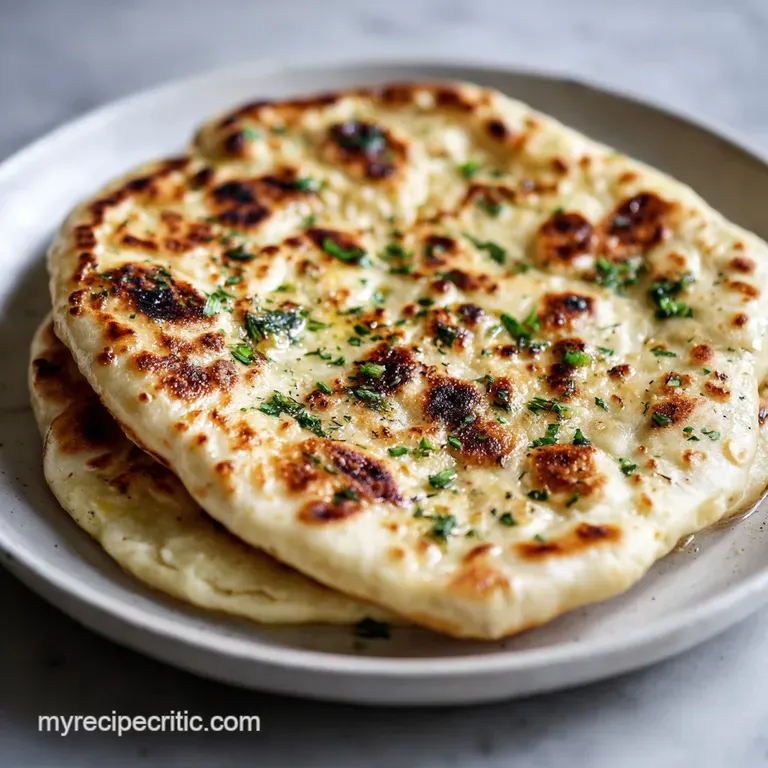
- Time: Active 20 mins, Passive 1 hours 5 mins, Total 1 hours 25 mins
- Flavor/Texture Hook: Velvety crumb with a smoky, charred exterior
- Perfect for: Weekend Indian feasts or elevating weeknight curry night
Listen, I’ve spent more hours than I care to admit chasing the perfect bubble. You know the one that glorious, air filled pocket on a piece of charred bread that practically begs to be torn and dipped into a bowl of butter chicken.
For a long time, my kitchen looked like a flour explosion, and my results were more like sad, floppy tortillas than the authentic Naan Bread of my dreams. I’ve burned pans, killed yeast, and once made dough so tough I’m pretty sure it could have been used as a doorstop.
But then, I learned about the yogurt trick. The first time I watched the dough balloon up in my cast iron skillet, smelling that intoxicating mix of yeast and toasted garlic, I knew I’d cracked the code. There is something purely magical about the way the dough hits the hot surface and begins to sizzle and puff.
It's a sensory experience that starts with the crackle of the ghee and ends with the most satisfying, soft pull of a warm slice.
We’re going for that specific contrast today: a tender, honey kissed interior wrapped in a smoky, blistered skin. I promise you, once you see how this dough behaves under your hands, you’ll never go back to the store-bought stuff that’s as dry as a desert.
We’re aiming for a bread that is soft enough to wrap around a piece of paneer but sturdy enough to scoop up every last drop of sauce.
Essential Recipe Specifications
Before we dive into the flour and yeast, let's look at how we can get this on the table. Whether you are in a rush or want that deep, fermented flavor, there is a path for you. Most people assume you need a 500 degree tandoor oven, but your trusty skillet is actually a powerhouse for this. If you’ve ever mastered a Fluffy Naan Bread recipe before, you know the heat of the pan is your best friend.
| Method | Time | Texture | Best For |
|---|---|---|---|
| Cast Iron Skillet | 2-3 mins | Charred and pillowy | Authentic smoky flavor |
| Baking Steel/Stone | 5-7 mins | Evenly golden | Large batch cooking |
| Air Fryer | 4-5 mins | Slightly firmer | Small portions for one |
Cooking these one-by-one in a skillet might seem slow, but it allows you to control the "poof" factor. You want to see those dark brown spots what I call "flavor freckles" developing within seconds of hitting the heat.
If your pan is too cold, the bread just dries out; if it's too hot, it burns before the middle can cook. It’s all about finding that sweet spot where the oil begins to shimmer but doesn't smoke.
The Core Flavor Foundation
The science of why this works is actually pretty cool. It isn't just about mixing ingredients; it's about managing the environment for the yeast to thrive and the proteins to soften.
We are using bread flour here specifically because its higher protein content provides the structure needed to trap those big air bubbles without the bread falling apart.
- Lactic Acid Action: The Greek yogurt introduces acidity that breaks down gluten strands, ensuring the final texture stays velvety rather than rubbery.
- Fermentation Boost: Honey provides a direct sugar source for the yeast to consume, leading to a more rapid and vigorous rise.
- Thermal Shock: Placing cold fermented or room temp dough onto a scorching surface causes internal moisture to flash into steam, creating the "balloon" effect.
- Maillard Reaction: The combination of honey and yogurt sugars caramelizes instantly against the heat, providing that deep, complex char.
To get the most out of your dough texture, always weigh your flour. 500g is exactly 500g, whereas a "cup" can vary by 20% depending on how tightly you pack it. If you want a repeatable sweetness and a consistent crumb, the scale is your best friend.
| Component | Science Role | Pro Secret |
|---|---|---|
| Bread Flour (500g) | High protein structure | Use weight, not volume, for accuracy |
| Greek Yogurt (120g) | Acidity & moisture | Full fat yogurt yields the softest crumb |
| Instant Yeast (7g) | Leavening agent | Freshness is key; check the expiration |
| Honey (1 tbsp) | Yeast fuel & browning | Also balances the tang of the yogurt |
The yogurt is the real MVP here. It adds a certain "heaviness" to the dough that translates to a rich mouthfeel once cooked. When you're kneading, you'll notice the dough feels more supple and elastic than a standard pizza dough. That’s the fat from the yogurt working its magic.
Necessary Kitchen Tools List
You don't need a professional kitchen, but a few specific items will make your life significantly easier. I highly recommend a heavy bottomed skillet cast iron is the gold standard because it holds heat like a champion. If you've ever tried a Bread Buns Recipe and realized how much the pan matters, you'll understand why we want something that won't lose temperature when the dough hits it.
- Digital Scale: For measuring that 500g of bread flour with precision.
- Cast Iron Skillet: To achieve that signature "shatter" on the charred spots.
- Rolling Pin: To get a uniform thickness of about 1/4 inch.
- Pastry Brush: For that final, crucial wash of garlic ghee and cilantro.
- Large Mixing Bowl: To give the dough plenty of room to double in size.
Chef's Tip: If you don't have a rolling pin, a smooth wine bottle works in a pinch. Just make sure to flour it well so the dough doesn't stick and tear.
Crucial step-by-step Cooking Guide
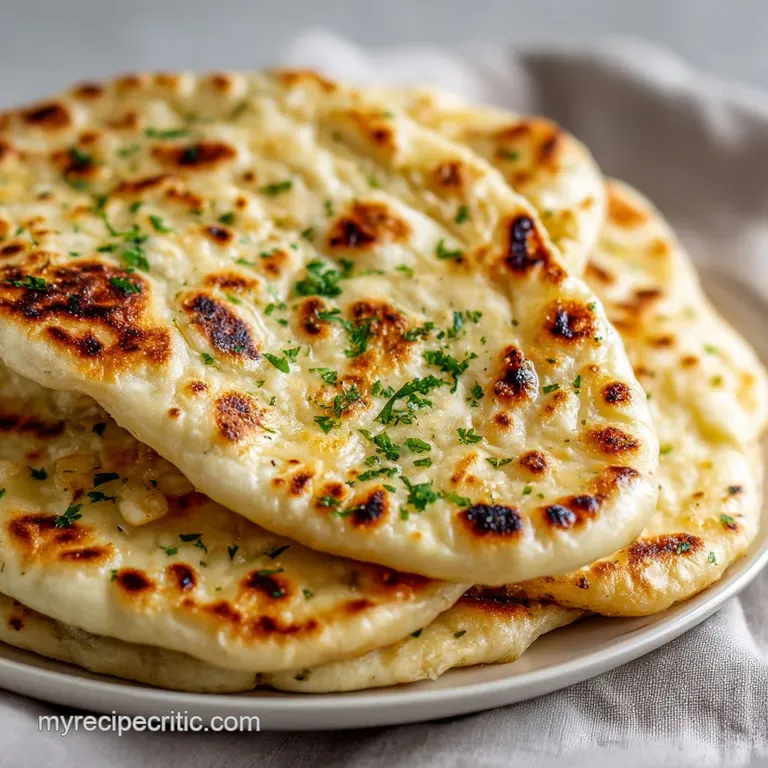
Ready to get your hands messy? The dough texture should be slightly tacky but not so sticky that it clings to your fingers like glue. If it’s too wet, add a tablespoon of flour at a time until it behaves.
- Bloom the yeast. Combine 180ml warm water (105°F-110°F), 7g instant yeast, and 1 tbsp honey in a small bowl. Note: The water must feel like warm bath water; too hot will kill the yeast.
- Mix the base. In your large bowl, whisk 500g bread flour and 1 tsp sea salt together.
- Incorporate wet ingredients. Pour in the yeast mixture, 120g plain Greek yogurt, and 2 tbsp olive oil.
- Knead the dough. Work the mixture for 5-7 minutes until it becomes smooth and elastic. Cook until the surface looks satiny and springs back when poked.
- First rise. Lightly oil the bowl, cover with a damp cloth, and let sit in a warm spot for 1 hours. Note: It should double in size during this time.
- Divide and conquer. Punch down the dough and divide into 8 equal portions (about 100g each).
- Roll it out. On a floured surface, roll each ball into an oval about 1/4 inch thick.
- Heat the skillet. Set your cast iron over medium high heat until a drop of water sizzles and disappears instantly.
- The bubble phase. Place one dough oval in the dry pan. Cook 1-2 minutes until large bubbles form on top and the bottom is charred.
- The flip. Turn the naan and cook for another 30-60 seconds. Cook until the second side has golden brown spots.
- Finish the flavor. Brush immediately with a mixture of 1 tbsp melted ghee, 3 cloves minced garlic, and 2 tbsp chopped cilantro.
The scent of that garlic hitting the hot bread is probably my favorite part of the whole process. It’s a sharp, pungent aroma that mellows out as it soaks into the warm crumb.
Make sure you stack the finished pieces and wrap them in a clean kitchen towel; the steam helps keep them soft while you finish the rest of the batch.
Resolving Common Dough Issues
Even the best of us have "off" days in the kitchen. If your bread feels more like a cracker or won't puff up, don't panic. Bread dough is a living thing, and it reacts to the humidity and temperature of your kitchen. If you've struggled with a Foolproof No Knead recipe in the past, you know that patience is often the missing ingredient.
Why is My Naan Tough and Rubbery?
This usually happens because the gluten was over developed or the dough didn't rest long enough. When you roll out the dough, if it keeps snapping back like a rubber band, it needs to rest for 10 more minutes. This allows the gluten to relax so the air pockets can expand easily during cooking.
Why Didn't My Dough Rise?
The most common culprit is old yeast or water that was too hot. Always check your yeast by letting it sit in the warm water and honey for 5 minutes; if it doesn't look foamy and smell "beery," your yeast is dead.
Also, make sure your salt isn't touching the yeast directly during the initial mixing, as high concentrations of salt can inhibit yeast activity.
| Problem | Root Cause | Solution |
|---|---|---|
| Naan is dry/stiff | Pan temperature too low | Increase heat; aim for 2 mins total cook time |
| Dough is too sticky | Too much moisture/yogurt | Add flour 1 tbsp at a time while kneading |
| No bubbles forming | Rolling the dough too thin | Aim for 1/4 inch; don't press out the air |
Common Mistakes Checklist
- ✓ Using cold yogurt: Cold ingredients shock the yeast and slow down the rise significantly.
- ✓ Over flouring the board: Too much extra flour makes the bread dry and dusty.
- ✓ Peeking too soon: Let the bubbles form fully before you even think about flipping.
- ✓ Skipping the towel: If you don't wrap the cooked naan, the moisture escapes and they turn hard.
- ✓ Not cleaning the pan: Wipe out any burnt flour between batches to prevent a bitter taste.
Dietary and Lifestyle Swaps
Sometimes you need to adjust for what's in the pantry or for the people at your table. While the Greek yogurt is central to the traditional texture, you can certainly experiment. Just keep in mind that changing the fat or acid content will change how the dough "behaves" in the pan.
| Original Ingredient | Substitute | Why It Works |
|---|---|---|
| Plain Greek Yogurt | Coconut Cream | High fat content mimics the richness. Note: Adds a slight tropical scent. |
| Bread Flour | All Purpose Flour | Lower protein makes a softer, but less "chewy" bread. |
| Ghee | Salted Butter | Similar flavor profile, though lower smoke point. |
| Honey | Agave Nectar | Provides the same sugar for yeast without the floral honey notes. |
If you are looking for a dairy-free version, a thick soy based yogurt also works remarkably well. The key is to maintain that creamy consistency. I've found that using low-fat options usually leads to a bread that feels a bit "thin" on the palate, so stick to the full fat versions whenever possible for that decadent, velvety finish.
Storage and Freshness Tips
Naan is undoubtedly best when it's screaming hot and dripping with ghee, but it actually stores quite well if you handle it right. The secret is to keep the moisture locked inside the crumb so it doesn't turn into a shingle.
- Fridge
- Store in a sealed zip top bag for up to 4 days. Reheat in a dry skillet or a toaster to regain the texture.
- Freezer
- These freeze beautifully! Wrap individual pieces in parchment paper, then place in a freezer bag for up to 3 months.
- Zero Waste Tip
- If you have leftover naan that has gone a bit stale, don't toss it. Brush it with olive oil and za'atar, bake until it's a "shatter" crisp, and use it as chips for hummus. You can also dice it up and fry it in butter to make the best croutons you've ever had for a creamy tomato soup.
To reheat from frozen, don't thaw them on the counter. Pop them straight into a 350°F (180°C) oven for 5 minutes or microwave for 20 seconds covered with a damp paper towel.
This re introduces the moisture they lost during freezing and makes them soft and pliable again.
Favorite Serving Combinations
This bread is essentially a blank canvas for flavor. While the garlic cilantro combo is the classic move, you can get creative based on what you're serving. I like to think of it as a contrast of elements: you have the rich, fatty bread meeting the bright, acidic sauces of a curry.
- Sweet & Savory
- Brush with honey and sprinkle with sea salt and cracked black pepper.
- Crisp & Tender
- Top with thinly sliced red onions and nigella seeds before cooking for extra crunch.
- Rich & Bright
- Serve alongside a cool cucumber raita and a spicy lamb rogan josh.
If you're feeling adventurous, try making a "Naan Pizza" by topping a pre cooked piece with pesto, goat cheese, and sun dried tomatoes, then broiling it for 2 minutes. The edges will get incredibly flaky while the center stays soft. It's a game changer for quick lunches.
Decision Shortcut: Finding Your Style If you want a Naan Garlic Bread Recipe style, double the minced garlic and add a pinch of red pepper flakes to the ghee. If you want a Quick Naan Recipe, use the air fryer method mentioned above to save time on pan watching.
If you want the Best Naan Bread Recipe for dipping, keep the dough slightly thicker (1/2 inch) to create a more substantial "pocket" for sauces.
Right then, I think you're ready to tackle this. Don't be afraid of the high heat, and definitely don't be afraid to get a little flour on your nose. Making bread is as much about the feeling of the dough as it is about the measurements.
Trust your instincts if the dough feels too tight, let it rest; if the pan is smoking too much, turn it down. You've got this! Let's get that skillet hot and start making some magic.

Naan Bread FAQs
What is special about naan bread?
It is a leavened, oven baked flatbread traditionally cooked in a tandoor. Naan’s distinct qualities come from the yogurt/milk base and quick cooking at very high heat, resulting in a soft, pillowy interior and charred, bubbly exterior.
Is naan bread healthier than regular bread?
Not necessarily, but it depends on preparation and ingredients. Traditional naan is made with refined white flour and often brushed heavily with ghee or butter, making it calorie dense.
What do you eat naan bread with?
Naan is versatile, perfect for scooping up richly flavored dishes or curries. It pairs classically with Butter Chicken, Palak Paneer, or various lentil dals.
Is naan bread a bad carb?
No single food is inherently "bad," but naan is high on the glycemic index. Because it's typically made from refined white flour without whole grains, it digests quickly, similar to white rice.
How do I get my homemade naan to puff up in the skillet?
Ensure your cast iron skillet is ripping hot before placing the dough down. The immediate thermal shock from the extreme heat turns the moisture inside the dough into steam, forcing it to balloon.
Can I substitute the yogurt in the naan recipe?
Yes, you can substitute with an equivalent amount of thick sour cream or full fat coconut cream. If you enjoyed mastering the emulsion in this recipe, use the same slow mixing principle when incorporating thicker dairy substitutes to maintain dough structure.
What is the best way to reheat naan bread?
Reheat quickly in a dry, very hot skillet or toaster oven for about 30 seconds per side. This reactivates the surface moisture without making the bread tough, mimicking that fresh off-the-tandoor texture.
Simple Yogurt Naan Bread

Ingredients:
Instructions:
Nutrition Facts:
| Calories | 291 kcal |
|---|---|
| Protein | 7.8 g |
| Fat | 5.9 g |
| Carbs | 50.2 g |
| Fiber | 1.7 g |
| Sugar | 2.6 g |
| Sodium | 292 mg |
