Shrimp and Grits: Smoky Gravy
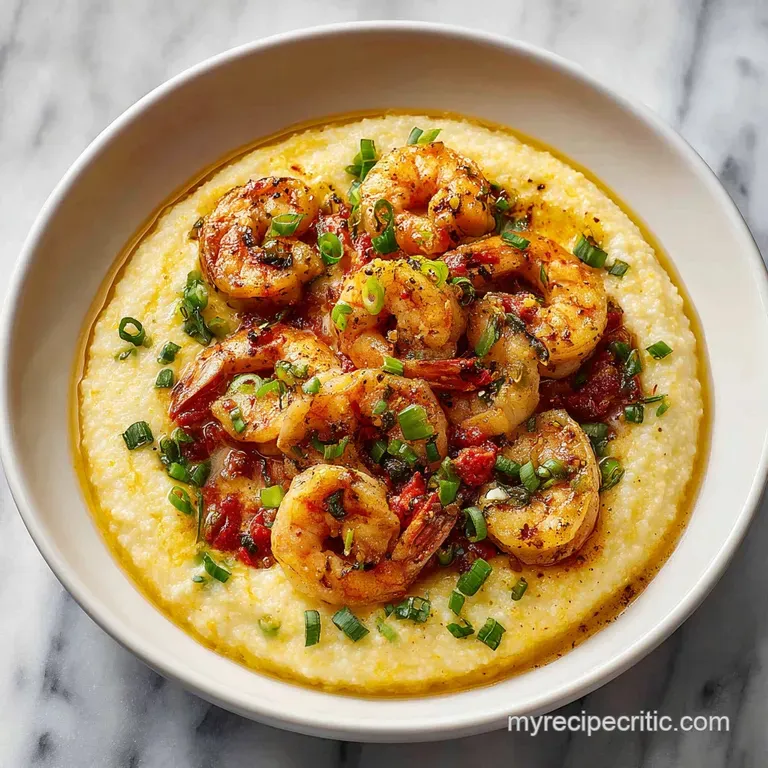
- Time: Active 15 minutes, Passive 15 minutes, Total 30 minutes
- Flavor/Texture Hook: Velvety, sharp cheddar base topped with smoky, sizzled andouille and spiced shrimp
- Perfect for: Weekend brunch, impressive date nights, or a cozy Southern inspired dinner
- Creating an Authentic Southern Shrimp and Grits
- Why This Lowcountry Dish Functions Correctly
- Planning Your Cooking Flow and Specs
- Selecting the Best Components for Success
- Necessary Gear for a Flawless Result
- Step by Step Directions for Success
- Common Troubleshooting and Quick Fixes
- Adjusting Portions for Groups or Solo
- Creative Ingredient Swaps and Modern Twists
- Managing Leftovers and Freshness Guidelines
- High in Sodium
- Recipe FAQs
- 📝 Recipe Card
Creating an Authentic Southern Shrimp and Grits
The heavy cast iron skillet starts to sing the moment those three slices (85g) of diced thick cut bacon hit the surface. There is a very specific aroma that fills the kitchen a heady mix of rendering smoky fat and the sharp, earthy punch of Cajun seasoning.
I remember the first time I tried to make this in my first apartment; I used instant grains and frozen pre cooked seafood. It was a disaster of watery mush and rubbery protein that honestly didn't deserve the name.
Since then, I have spent years obsessing over the texture of the grain and the "snap" of the shrimp. A chef in Charleston once told me that if your grits don't have a soul, the rest of the dish is just noise.
That "soul" comes from patience and high-quality stone ground white or yellow grits (160g) that swell up slowly in a bath of bone broth and whole milk. This version is exactly what I serve when I want someone to feel like they’re sitting on a porch in the Lowcountry, even if we're just in my drafty kitchen.
We are going for a texture that is unapologetically velvety, punctuated by the crunch of bell peppers and the spicy bite of andouille sausage. It's a meal that feels expensive but relies on humble pantry staples and a bit of technique.
I promise that once you see how the sharp white cheddar (115g) melts into those simmering grains, you'll never look at a box of "quick grits" the same way again.
Why This Lowcountry Dish Functions Correctly
- The Starch Hydration Secret: Simmering stone ground grains in a 50/50 mix of chicken bone broth (475ml) and whole milk (475ml) allows the starches to release slowly, creating a thick, creamy matrix without becoming gummy.
- Fat Rendered Foundation: Using the rendered fat from the bacon and andouille sausage (70g) to sauté the "holy trinity" of vegetables ensures that every layer of the gravy has a deep, smoky undertone.
- Acidic Brightness: A final splash of fresh lemon juice (15 ml) and Worcestershire sauce (5ml) cuts through the heavy dairy and fat, preventing the dish from feeling overly weighted or muddy on the palate.
- Carryover Precision: Searing the large shrimp (450g) just until they turn opaque prevents them from turning rubbery, as they continue to cook slightly when hit with the warm gravy.
| Shrimp Size | Internal Temp | Rest Time | Visual Cue |
|---|---|---|---|
| Large (16-20 count) | 145°F (63°C) | 2 minutes | Opaque pink with a tight "C" shape |
| Medium (26-30 count) | 145°F (63°C) | 1 minute | Translucency disappears in the center |
| Jumbo (10-15 count) | 145°F (63°C) | 3 minutes | Firm to the touch but still juicy |
Chef Tip: Freeze your butter (56g) for 10 minutes before whisking it into the finished grits. The temperature shock helps create a more stable emulsion, leading to a glossier finish that won't break or look oily.
Planning Your Cooking Flow and Specs
Getting everything ready before the heat is on is the only way to avoid a kitchen meltdown. I like to call this the "3 Step Southern Flow." First, you get the grits going because they are the marathon runners of this recipe.
While they simmer and thicken, you prep your aromatics mincing that small yellow onion (110g) and green bell pepper (100g) into tiny, uniform cubes.
The second phase is the "render and sear." This is where the magic happens in the skillet. You want to get the bacon and andouille crispy before the shrimp even touch the pan. Finally, the assembly happens in the last five minutes.
If you time it right, the grits finish exactly when the gravy reaches that perfect, spoon coating consistency. It's a fast paced finish, so keep your chicken stock (240ml) measured and ready.
If you find yourself craving a different kind of seafood vibe, you might also love my Garlic Butter Shrimp recipe, which uses a similar over high heat searing technique. But for today, we are sticking to the hearty, gravy laden classic that defines Southern comfort.
Selecting the Best Components for Success
| Ingredient | Science Role | Pro Secret |
|---|---|---|
| Stone ground Grits | Starch Release | Soak them overnight in the fridge to cut cook time by 30%. |
| Whole Milk | Emulsification | The fat in the milk prevents the grits from clumping together. |
| Andouille Sausage | Flavor Base | Dice it very small so it releases more fat for the roux. |
| Sharp White Cheddar | Protein/Fat | Use a block and shred it yourself; pre shredded has anti caking agents. |
When shopping for this, look for "stone ground" on the label for the grits. Avoid the "instant" or "quick" varieties if you want that authentic texture. The shrimp should be "16-20 count," which means you get about 16 to 20 per pound.
These are large enough to hold their own against the heavy gravy without getting lost.
- 1 cup (160g) Stone ground grits: Why this? Stone ground retains the germ, offering more flavor and a superior, toothsome texture. (Substitute: Polenta, though it's a bit coarser)
- 2 cups (475ml) Chicken bone broth: Why this? Adds deep collagen rich flavor compared to plain water. (Substitute: Vegetable stock)
- 2 cups (475ml) Whole milk: Why this? Creates a silky mouthfeel that water alone cannot achieve. (Substitute: Heavy cream diluted with water)
- 1 lb (450g) Large shrimp: Why this? They stay juicy during the over high heat sear. (Substitute: Scallops or even firm white fish chunks)
- 0.5 cup (70g) Andouille sausage: Why this? Provides the essential heat and smoke for the gravy. (Substitute: Chorizo or smoked kielbasa)
- 1 tbsp (8g) All purpose flour: Why this? Binds the fats and stock into a cohesive, velvety gravy. (Substitute: Cornstarch slurry, use half the amount)
Necessary Gear for a Flawless Result
You really need a heavy bottomed pot for the grits. Something like a Dutch oven or a heavy saucepan ensures the heat distributes evenly so the bottom doesn't scorch while the grains slowly hydrate. I’ve lost more than one pot of grits to a thin bottomed pan that created "hot spots" and burned the starch.
For the shrimp and gravy, a large cast iron skillet is my absolute favorite. It holds heat like nothing else, allowing you to get a hard sear on the shrimp without overcooking the insides.
You'll also want a sturdy whisk for the grits and a wooden spoon to scrape up all those browned bits (the "fond") from the bottom of the skillet. That fond is where the deep, savory flavor of the gravy lives.
step-by-step Directions for Success
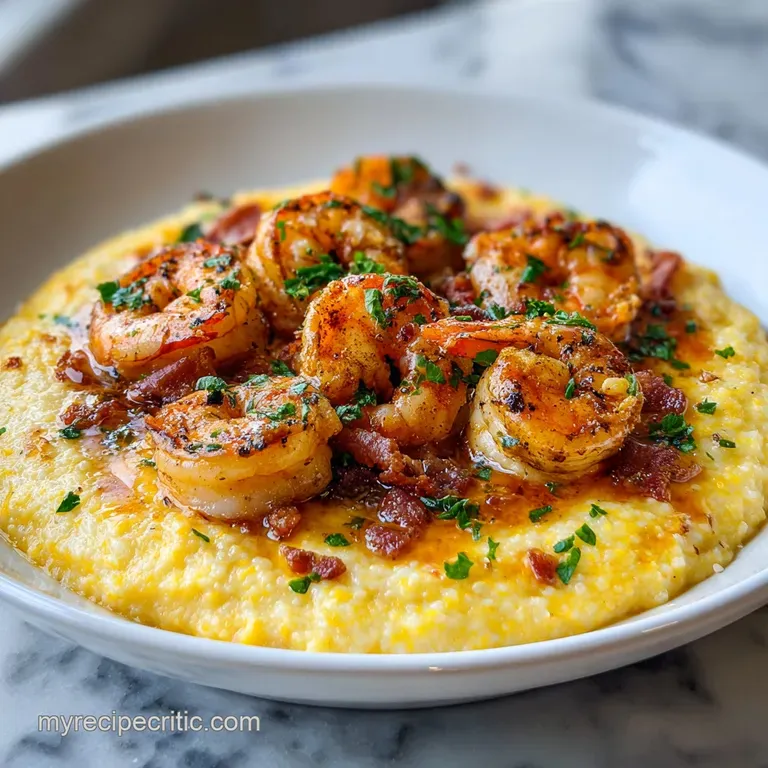
- Boil the liquids. Combine the chicken bone broth (475ml), whole milk (475ml), and fine sea salt (3g) in a heavy pot over medium high heat until it reaches a rolling boil. Note: Watch closely so the milk doesn't boil over.
- Whisk in the grains. Slowly pour the stone ground grits (160g) into the boiling liquid, whisking constantly until the mixture begins to thicken.
- Simmer the base. Reduce heat to low and cover. Cook for about 20-25 minutes, whisking every few minutes until the grits are tender and velvety.
- Finish the grits. Stir in the unsalted butter (56g) and freshly shredded sharp white cheddar (115g) until completely melted and glossy. Keep warm.
- Render the fats. In a large skillet over medium heat, cook the diced bacon (85g) and andouille (70g) until the bacon is crispy and fat has rendered.
- Sear the shrimp. Toss the peeled shrimp (450g) with Cajun seasoning (8g). Increase skillet heat to medium high and sear the shrimp until they just turn pink and opaque, then remove from the pan.
- Sauté the aromatics. Add the minced onion (110g) and green pepper (100g) to the rendered fat until the onions are translucent and soft.
- Build the roux. Add the minced garlic (6g) and flour (8g), stirring for 1 minute until the flour smells slightly nutty.
- Deglaze and thicken. Slowly pour in the chicken stock (240ml), Worcestershire (5ml), and lemon juice (15 ml), scraping the bottom of the pan until the gravy thickens and bubbles.
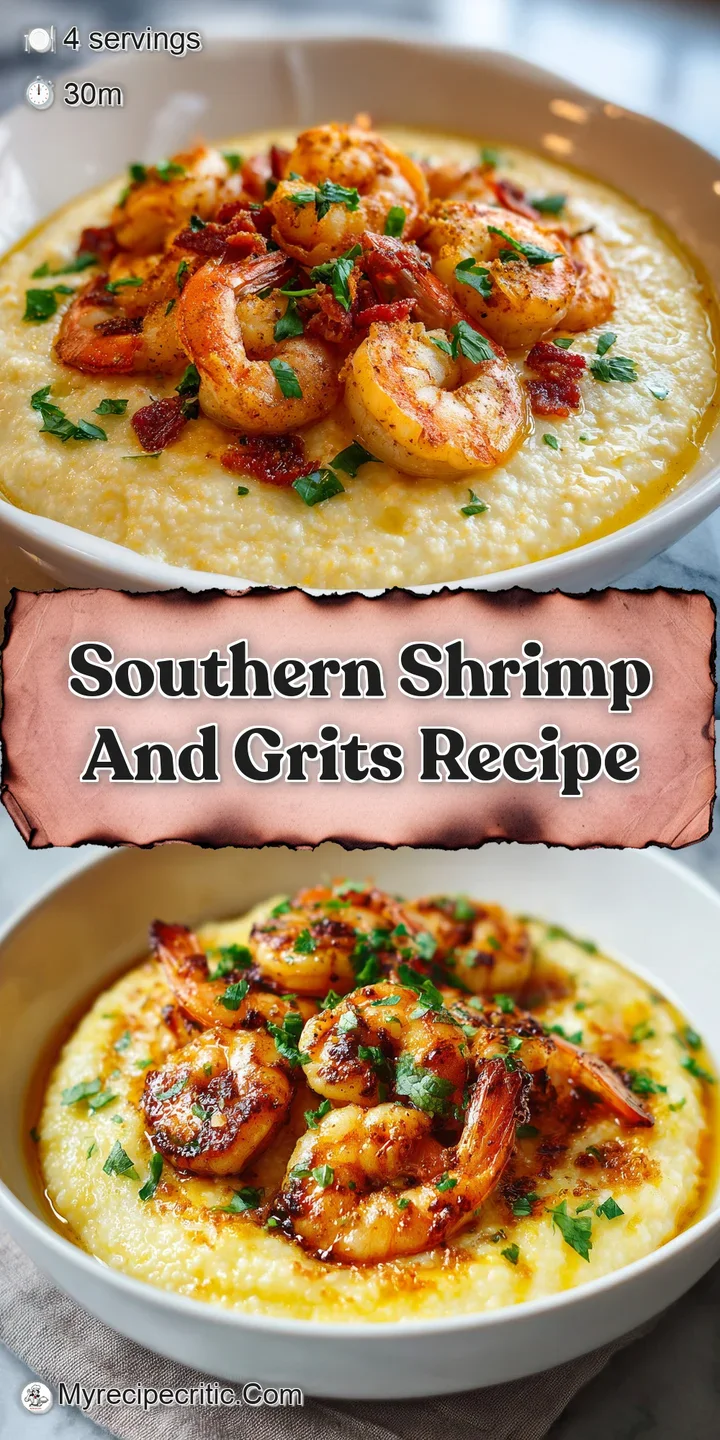
- Combine and serve. Return the shrimp and any juices to the skillet, stirring until everything is coated and hot. Spoon over the warm grits and top with sliced scallions (6g).
If you are a fan of these types of rich, seafood forward sauces, you really should check out my Seafood stuffed shells recipe for another night when you want a cheesy, herb heavy pasta bake.
Common Troubleshooting and Quick Fixes
Why Your Grits Feel Gritty
If you take a bite and it feels like there is sand in your teeth, the grains haven't fully hydrated. This usually happens if the heat was too high and the liquid evaporated before the starch could soften, or if you simply didn't cook them long enough. Stone ground grains take time; you can't rush them.
To Rescuing a Broken Gravy
Sometimes if the heat is too high when you add the stock, the fat separates from the flour, leaving you with an oily mess. Don't panic. You can usually fix this by taking the pan off the heat and vigorously whisking in a tablespoon of warm water or stock until the emulsion re forms.
| Problem | Root Cause | Solution |
|---|---|---|
| Lumpy Grits | Added grains too fast | Use an immersion blender for 10 seconds to smooth them out. |
| Rubbery Shrimp | Overcooked in the gravy | Add shrimp at the very last second; they only need to reheat. |
| Bland Sauce | Lack of acidity | Add an extra teaspoon of lemon juice or a dash of hot sauce. |
Common Mistakes Checklist
- ✓ Never use "instant" grits; the texture will never reach the necessary velvet consistency.
- ✓ Shred your cheese from a block; pre shredded cheese contains cellulose that prevents a smooth melt.
- ✓ Pat the shrimp completely dry before seasoning; excess moisture causes them to steam rather than sear.
- ✓ Don't skip the deglazing step; those brown bits in the pan are the source of all the flavor.
- ✓ Whisk the grits frequently to prevent them from sticking to the bottom and scorching.
Adjusting Portions for Groups or Solo
If you are cooking for a crowd, you can easily double this recipe. However, when you double the liquids, I find it's best to reduce the total liquid by about 10% to ensure it doesn't get too thin. Use a larger Dutch oven so the grits have plenty of surface area to hydrate. For the shrimp, work in batches.
If you crowd the pan with 2 pounds of shrimp at once, they will release their juices and boil instead of searing, losing that beautiful crust.
Scaling down is even easier. For a solo dinner, just halve everything. Since you’ll use less liquid, keep a closer eye on the pot as it will evaporate faster. Use a smaller saucepan to keep the grains submerged.
If you end up with half an egg or odd measurements, just round to the nearest convenient spoon size; this recipe is quite forgiving.
| Method | Cook Time | Texture | Best For |
|---|---|---|---|
| Stovetop | 30 minutes | Creamy and fluid | Weeknight dinners and classic results |
| Oven (Grits only) | 60 minutes | Thick and souffle like | Hands off brunch for large groups |
| Slow Cooker | 4 hours | Ultra soft and uniform | Meal prepping for the week ahead |
Creative Ingredient Swaps and Modern Twists
If you want a smoky heat (Cajun variation), try adding a teaspoon of smoked paprika and a pinch of cayenne to the gravy. You can also swap the green bell pepper for a poblano for a deeper, more earthy spice profile.
For those who want a lighter, dairy-free option, replace the whole milk with full fat coconut milk (it adds a subtle sweetness) and use a high-quality vegan butter substitute. The flavor will change slightly, but the creaminess will remain.
Another great trick is to use a different seafood base. If you have some leftover lobster meat, you could lean into the flavors found in a Lobster Bisque Recipe by adding a touch of tomato paste and heavy cream to the gravy. It turns the dish into something incredibly decadent and fancy for a holiday breakfast.
Managing Leftovers and Freshness Guidelines
- Storage: Keep leftovers in an airtight container in the fridge for up to 3 days. The grits will firm up into a solid block as they cool this is normal!
- Reheating: To get that velvety texture back, add a splash of milk or broth to the grits before microwaving or heating on the stovetop. Whisk vigorously as it warms up.
- Zero Waste: If you have leftover firm grits, spread them into a pan, let them chill, then cut them into squares and fry them in butter the next day. It’s like a Southern polenta fry!
The "Searing Seals Juices" Myth Many people think searing the shrimp "seals in" the moisture. In reality, searing is all about the Maillard reaction creating new flavor compounds and textures on the surface.
The moisture stays inside because we don't overcook the protein, not because of a "seal."
The "Rinsing Grits" Myth Some folks suggest rinsing grits like rice. Please don't! You’ll wash away the surface starches that are essential for creating that creamy, thick sauce. You want every bit of that starch to stay in the pot.
Just pick out any large hulls that float to the top during the initial boil.
High in Sodium
1087 mg of sodium per serving (47% of daily value)
The American Heart Association recommends limiting sodium intake to no more than 2,300mg per day for most adults.
Tips to Reduce Sodium in Shrimp and Grits:
-
Low-Sodium Broth-30%
Replace the regular chicken bone broth and chicken stock with low-sodium or no-salt added versions. This can significantly reduce the overall sodium content without sacrificing flavor.
-
Reduce Processed Meats-25%
Limit the amount of bacon and Andouille sausage or substitute with lower sodium alternatives like smoked paprika or a leaner protein source. Consider using half the amount of sausage and bacon.
-
Reduce Added Salt-25%
Reduce the amount of fine sea salt added to the grits by half or eliminate it entirely. Taste and adjust other seasonings like pepper, garlic, and herbs to compensate for the lost saltiness.
-
Lower Sodium Cheese-15%
Substitute the sharp white cheddar with a lower sodium cheese option or use a smaller amount. Consider using part skim mozzarella or Swiss cheese.
-
DIY Cajun Seasoning-10%
Make your own homemade Cajun seasoning blend without added salt. This allows you to control the sodium content and customize the spice level to your preference.
-
Lemon Boost-5%
Increase the amount of fresh lemon juice used. The acidity enhances the existing flavors, thus creating a need for less sodium.
-
Flavor with Herbs
Experiment with a variety of fresh and dried herbs and spices like black pepper, cayenne pepper, smoked paprika, thyme, and oregano to enhance the flavor of the dish without adding sodium. These add great flavor complexity.
Recipe FAQs
What goes in shrimp and grits?
Stone ground grits, shrimp, smoky sausage (like andouille), aromatics (onion/pepper), and a rich gravy base. The gravy typically uses the rendered fat from the sausage/bacon, flour for thickening, stock, and finishes with sharp white cheddar cheese and cream.
What makes Bobby Flay's shrimp and grits special?
Flay often emphasizes a bolder, spicier flavor profile and premium ingredients. He frequently incorporates smoked meats like chorizo or uses unique cheeses, often focusing on a higher ratio of sauce to grits for maximum flavor impact.
What kind of cheese is best for shrimp and grits?
Sharp white cheddar is the classic recommendation for the best flavor and melting quality. You should always shred the cheese yourself from a block; pre-shredded varieties contain anti caking agents that prevent a truly smooth, velvety texture in the grits.
What goes with shrimp and grits?
Shrimp and Grits is typically served as a standalone, hearty main course. However, simple, slightly acidic sides work well; things like crusty bread to sop up extra gravy, or a light bitter green salad are excellent choices.
How do I prevent my grits from becoming gummy or stiff after cooking?
Use enough liquid and finish by aggressively whisking in cold butter off the heat. The key is slow starch hydration; adding cold butter (which you can chill quickly by freezing it for 10 minutes first) helps create a stable emulsion that resists stiffening as it cools.
Is it true you must use stone ground grits instead of quick cooking varieties?
No, but the texture will be significantly inferior if you use quick grits. Stone ground grits release their starch slowly, creating the necessary creamy matrix, whereas quick grits often become either watery or paste like; mastering slow starch release is crucial here.
How do I ensure the shrimp is perfectly cooked and not rubbery?
Sear the shrimp quickly over high heat until they are just opaque, then immediately remove them from the pan. They only need to reach an internal temperature of 145°F, as they will continue cooking slightly when added back to the warm gravy base later in the recipe.
Shrimp And Grits Recipe
Ingredients:
Instructions:
Nutrition Facts:
| Calories | 754 calories |
|---|---|
| Protein | 47g |
| Fat | 42g |
| Carbs | 43g |
| Fiber | 3g |
| Sugar | 6g |
| Sodium | 1087mg |
