Recipe of Lasaniya: Classic Italian Dish
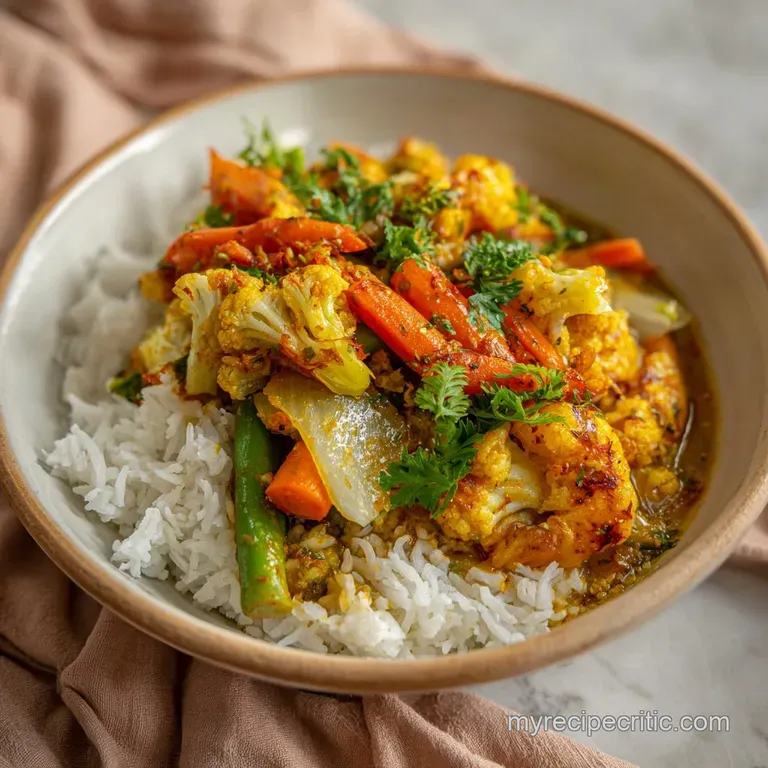
- Time: Active 30 minutes, Passive 1 hours 15 mins, Total 1 hours 45 mins
- Flavor/Texture Hook: Bubbling, golden brown cheese over velvety ricotta and a savory meat sauce.
- Perfect for: Sunday family dinners, batch cooking, or a crowd-pleasing potluck.
- The Best Budget-Friendly Recipe of Lasaniya
- The Chemistry of Flavor Layers
- Deep Dive into Component Analysis
- Gathering Your Budget Elements
- Must Have Kitchen Tools
- Simple Step-by-Step Guide
- Fixing Common Lasagna Fails
- Easy Scaling Guidelines
- Culinary Myths Debunked
- Storage and Zero Waste
- Perfect Side Dish Ideas
- High in Sodium
- Recipe FAQs
- 📝 Recipe Card
The Best Budget Friendly Recipe of Lasaniya
The kitchen smells like a dream right now. There is something about the scent of garlic hitting hot oil followed by the sizzle of ground beef that just feels like home. I remember the first time I tried to tackle this recipe of lasaniya. I was fresh out of college, broke, and trying to impress my now husband.
I bought the cheapest canned tomatoes I could find and hoped for the best. To my surprise, that slightly metallic tang disappeared after a slow simmer with a splash of leftover wine, turning into a sauce that tasted like luxury.
That day taught me that you don't need fancy, imported ingredients to make something spectacular. You just need to know which corners to cut and which ones to lean into. This recipe is the result of years of "oops" moments and "aha!" discoveries.
We are talking about noodles that actually stay in place, a cheese layer that doesn't go grainy, and a sauce that packs a punch without costing a fortune.
We are going to walk through this together, step-by-step. I'll show you how to get that signature shatter on the top cheese layer while keeping the inside silky and moist. Whether you are a beginner or just looking for a reliable weekend project, this version is going to become your new gold standard.
It's hearty, it's comforting, and honestly, it's better than what you'll find at most Italian chains. Let's get into it.
The Chemistry of Flavor Layers
Understanding how these heavy ingredients interact is the secret to avoiding a soggy mess. When we cook, we aren't just heating things up; we are changing their molecular structure to work in our favor.
- Maillard Reaction: Browning the 1 lb lean ground beef chuck and 1 lb sweet Italian sausage creates complex new flavor compounds that raw meat just can't offer.
- Casein Stability: Using a large egg in the 15 oz whole milk ricotta acts as a binder, preventing the cheese from weeping liquid into your sauce during the long bake.
- Acid Balancing: The 56 oz crushed tomatoes provide acidity that cuts through the heavy fat of the meats, while the tomato paste adds sugar to mellow out the sharp edges.
- Starch Hydration: Even traditional noodles absorb a massive amount of moisture; using enough sauce ensures they soften without becoming mushy or staying brittle.
| Meat Thickness | Internal Temp | Rest Time | Visual Cue |
|---|---|---|---|
| 3 inch Casserole | 165°F | 15 minutes | Bubbles are slow and thick at the edges |
| 4 inch Deep Dish | 165°F | 20 minutes | Center feels firm when pressed with a spoon |
| Individual Ramekin | 160°F | 5 minutes | Cheese is deeply browned and curling |
Giving the pan that resting time is probably the hardest part of the whole process. I've definitely made the mistake of cutting in too early because I was starving, only to have the whole thing slide apart like a tectonic plate shift.
That 15 minute wait allows the proteins and starches to set, ensuring you get those beautiful, clean layers that look so good on the plate.
Deep Dive into Component Analysis
The magic happens when simple items are treated with a bit of respect. You don't need a hundred ingredients, just the right ones used correctly. For example, using both beef and sausage provides a much more interesting profile than just beef alone.
| Ingredient | Science Role | Pro Secret |
|---|---|---|
| Whole Milk Ricotta | Provides moisture and creamy mouthfeel | Add a pinch of nutmeg to brighten the dairy notes |
| Tomato Paste | Acts as a thickener and umami booster | Sauté it with the garlic until it turns brick red |
| Sweet Italian Sausage | Adds fat, fennel, and herb complexity | Brown it until it's crispy for textural contrast |
| Dry Red Wine | Dissolves flavor compounds oil can't touch | Use it to scrape the brown bits (fond) off the pan |
Similar to how a Classic Lasagna Recipe relies on the ratio of sauce to cheese, this version focuses on the balance of salt and fat. The wine isn't just for show; it actually helps the flavors of the tomatoes penetrate the meat better. If you don't have wine, a little splash of beef broth with a teaspoon of balsamic vinegar works wonders too.
Gathering Your Budget Elements
You likely have most of this in your pantry already. I always keep extra cans of tomatoes and boxes of pasta on hand for nights when I don't want to go to the store.
- 1 lb lean ground beef chuck (80/20): Why this? The fat content keeps the meat tender during the long oven time.
- 1 lb sweet Italian sausage: Why this? Casings removed; it provides built in seasoning like fennel and pepper.
- 1 large yellow onion: Why this? Finely diced to melt into the sauce for sweetness.
- 4 cloves garlic: Why this? Mince them fresh; the jarred stuff is too acidic here.
- 56 oz crushed tomatoes: Why this? Two 28 oz cans; provides the bulk of your sauce volume.
- 2 tbsp tomato paste: Why this? Deepens the color and thickens the sauce naturally.
- 0.5 cup dry red wine: Why this? Use a Cabernet or Merlot to deglaze the pan.
- 1 tbsp dried basil & 1 tsp dried oregano: Why this? Dried herbs hold up better than fresh in long simmers.
- 15 oz whole milk ricotta cheese: Why this? Offers a much richer texture than part skim.
- 1 large egg: Why this? The glue that keeps your cheese layer from falling out.
- 0.25 cup fresh parsley: Why this? Chopped; adds a necessary pop of brightness.
- 0.5 cup grated Parmesan cheese: Why this? Adds a salty, nutty kick to the ricotta mix.
- 0.5 tsp ground nutmeg: Why this? The secret ingredient that makes people ask for your recipe.
- 16 oz lasagna noodles: Why this? Traditional boil type noodles have a better "bite" than no boil.
- 1 lb mozzarella cheese: Why this? Shred it yourself for the best melt; pre shredded has anti clumping starch.
- 0.5 cup Pecorino Romano: Why this? Freshly grated for a sharp finish on the very top.
| Original Ingredient | Substitute | Why It Works |
|---|---|---|
| Ground Beef (1 lb) | Ground Turkey (1 lb) | Lower fat. Note: Add 1 tbsp olive oil to prevent dryness. |
| Ricotta Cheese | Small Curd Cottage Cheese | Cheaper and high protein. Note: Pulse in a blender for smoothness. |
| Dry Red Wine | Beef Broth + 1 tsp Vinegar | Provides acidity and depth without the alcohol content. |
If you are looking for a quicker variation on these flavors, you might enjoy a Ravioli Lasagna Bake recipe which uses pre made pasta to save time. But for today, we are sticking to the classic layered method. It's more work, but the payoff is incredible.
Must Have Kitchen Tools
You don't need a chef's kitchen, but having the right size pan is non negotiable. I once tried to make this in a standard cake pan and the sauce bubbled over and started a small fire in my oven. Don't be like 22 year old me.
- 9x13 inch Deep Dish Baking Pan: Make sure it is at least 3 inches deep to hold all those glorious layers.
- Large Skillet or Dutch Oven: For browning the meat and simmering the sauce.
- Large Pot: To boil the lasagna noodles.
- Colander: For draining the pasta.
- Mixing Bowls: You'll need one medium bowl for the ricotta mixture.
- Box Grater: Trust me, grating your own mozzarella makes a massive difference in the "stretch."
- Aluminum Foil: To cover the pan so the cheese doesn't burn before the middle is hot.
Chef Tip: Freeze your mozzarella for 10 minutes before grating. It firms up the cheese so it doesn't turn into a mushy mess against the grater blades.
Simple step-by-step Guide
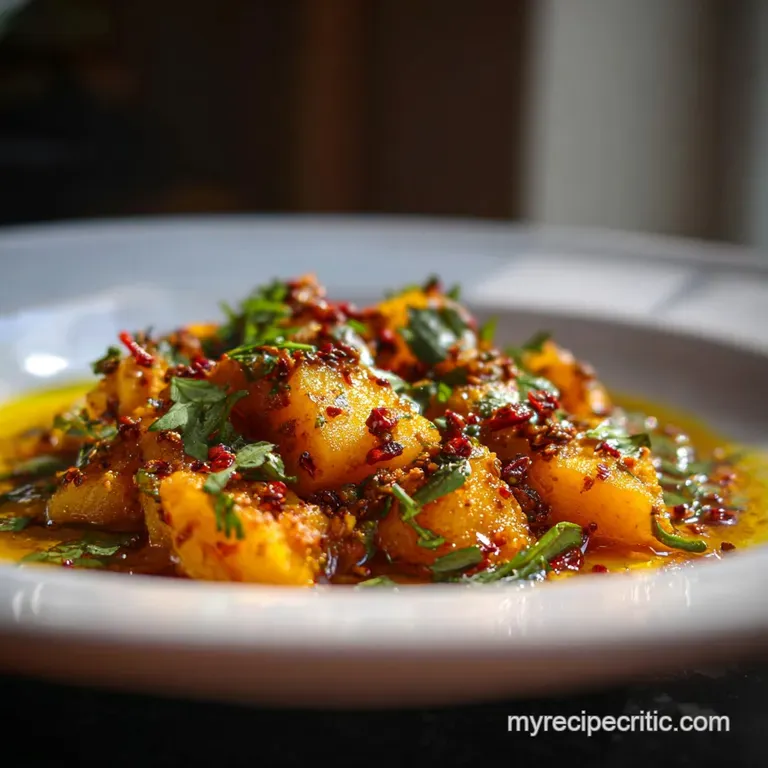
Developing the Base Flavors
- Brown the meat. Place the beef chuck and sausage in a large skillet over medium high heat. Cook 8 minutes until deep brown and crumbly, breaking it up with a wooden spoon.
- Sauté the aromatics. Add the diced onion to the meat fat. Cook 5 minutes until translucent and soft.
- Toast the paste. Stir in the minced garlic and 2 tbsp tomato paste. Cook 2 minutes until the paste smells sweet and looks dark. Note: This removes the raw metallic taste of the paste.
- Deglaze the pan. Pour in the 0.5 cup dry red wine. Scrape the bottom of the pan until all the brown bits are dissolved into the liquid.
The Slow Simmered Ragu
- Simmer the sauce. Add the 56 oz crushed tomatoes, dried basil, and dried oregano. Reduce heat to low and simmer 30 minutes until the sauce is thick and glossy.
- Boil the noodles. While the sauce simmers, cook the 16 oz lasagna noodles in salted water. Drain 2 minutes before the box instructions say (al dente). Note: They will finish cooking in the oven.
Prepping the Noodle Glue
- Mix the cheese. In a bowl, combine the 15 oz ricotta, egg, parsley, Parmesan, and nutmeg. Stir until completely smooth and pale green.
The Architecture of Layers
- Start the base. Spread 1 cup of meat sauce on the bottom of the 9x13 pan. Top with a single layer of noodles.
- Build the middle. Spread 1/3 of the ricotta mix, then 1/3 of the mozzarella, followed by 1.5 cups of meat sauce. Repeat layers until all ingredients are used, ending with meat sauce.
- Top and bake. Sprinkle the remaining mozzarella and 0.5 cup Pecorino Romano on top. Cover with foil and bake at 375°F for 25 minutes. Remove foil and bake another 25 minutes until the cheese is bubbling and golden brown.
If you enjoy the zesty profile of this sauce, you should definitely check out my Zesty Beef Taco recipe for another way to use ground beef that the whole family will love. Both dishes rely on building layers of flavor in a single pan.
Fixing Common Lasagna Fails
The most heartbreaking thing is pulling a beautiful tray out of the oven, only to have it turn into a soup when you try to serve it. It usually comes down to moisture management.
Why Your Lasaniya Is Soupy
If your layers are swimming in liquid, it's usually because the sauce was too thin or the ricotta wasn't stabilized. Next time, let the sauce simmer longer to evaporate more water. Also, make sure you aren't using "wet" mozzarella (the kind that comes in balls of water) unless you've dried it thoroughly first.
Why Your Noodles Are Hard
This happens if there wasn't enough sauce touching the edges of the noodles. The pasta needs liquid to hydrate while it bakes. Always ensure the sauce covers the noodles completely, right up to the corners of the pan.
| Problem | Root Cause | Solution |
|---|---|---|
| Burnt Top Cheese | Oven rack too high | Cover with foil for the first 25 minutes of baking. |
| Dry Meat Layer | Meat was too lean | Use 80/20 beef chuck or add a splash more broth to the sauce. |
| Rubbery Noodles | Overcooked in the pot | Boil for 2 minutes less than the package suggests. |
Common Mistakes Checklist
- ✓ Pat the noodles dry with a clean towel after draining to prevent excess water in the layers.
- ✓ Don't skip the nutmeg; it’s the bridge between the heavy meat and the creamy cheese.
- ✓ Let the dish rest for at least 15 minutes before cutting; it's the difference between a slice and a pile.
- ✓ Shred your own cheese; the cellulose in pre shredded bags prevents that perfect velvety melt.
- ✓ Use a deep dish pan; standard 9x13 pans are often too shallow for a full recipe of lasaniya.
Easy Scaling Guidelines
Sometimes you're cooking for two, and sometimes you're feeding the whole neighborhood. Adjusting this recipe of lasaniya is fairly straightforward if you follow a few rules.
Scaling Down (Making a Half Batch) To make a smaller 8x8 inch square pan, simply halve all ingredients. Use one small egg for the ricotta mixture. Reduce the total baking time by about 10 minutes, but still check for that 165°F internal temperature.
It's a great way to enjoy a fancy dinner without having leftovers for a week.
Scaling Up (Feeding a Crowd) If you are doubling this for a party, don't just double the salt and spices. Increase them to 1.5x first, then taste your sauce. Liquids should be reduced by about 10% because they don't evaporate as quickly in larger batches.
Cook in two separate 9x13 pans rather than one giant one to ensure even heating in the center.
| Servings | Meat Amount | Noodle Count | Pan Size |
|---|---|---|---|
| 4 people | 0.5 lb beef, 0.5 lb sausage | 6-8 noodles | 8x8 inch square |
| 12 people | 1 lb beef, 1 lb sausage | 12-15 noodles | 9x13 inch deep |
| 24 people | 2 lbs beef, 2 lbs sausage | 24-30 noodles | Two 9x13 inch pans |
For a slightly different flavor profile that's great for parties, you can adapt the sauce techniques from my Lasagne Proper Classic recipe which focuses on a very slow cooked ragu. It's a bit more time consuming but produces a incredibly rich result.
Culinary Myths Debunked
One big myth is that you must boil noodles in a massive amount of oil to keep them from sticking. In reality, oil just floats on top and then coats the noodles when you drain them, preventing the sauce from sticking to the pasta later. Just stir them occasionally in well salted water instead.
Another common misconception is that "no boil" noodles are a direct substitute. While they work in a pinch, they absorb significantly more liquid from your sauce, often leaving the final dish dry.
If you use them, you'll need to add about 1/2 cup of extra water or broth to your meat sauce to compensate for that absorption.
Finally, people think searing meat "seals in the juices." Science tells us that's not true meat actually loses moisture as it browns. However, we sear it for the flavor. That deep brown crust is where the savory "umami" comes from, which is why we don't just boil the meat in the sauce.
Storage and Zero Waste
This dish actually tastes better the next day. The flavors have time to mingle and the structure becomes even firmer. You can keep leftovers in the fridge for up to 4 days. Just make sure it's covered tightly so the cheese doesn't pick up any "fridge smells."
Freezing Instructions You can freeze this recipe of lasaniya either before or after baking. If freezing before, assemble everything in a freezer safe foil pan, wrap it in a double layer of plastic wrap, and then a layer of foil. It will stay fresh for up to 3 months.
To cook from frozen, bake it covered at 375°F for 1 hour, then uncovered for another 20 minutes.
Zero Waste Tips Don't throw away those broken noodle pieces at the bottom of the box. I usually snap them into smaller bits and toss them into a minestrone soup later in the week. If you have leftover ricotta, it's amazing spread on toast with a drizzle of honey and black pepper.
Even the parmesan rind can be tossed into your next batch of soup or stock to add a massive hit of salty flavor.
Perfect Side Dish Ideas
To balance the heaviness of the cheese and meat, you really want something bright and acidic on the side. A simple green salad with a sharp vinaigrette is the classic choice.
If you want to stay with the theme, a Greek Dressing Recipe drizzled over crisp romaine and cucumbers provides the perfect zesty contrast to the rich layers of the pasta. The lemon and oregano in the dressing play beautifully with the basil in the lasagna sauce.
Of course, you can never go wrong with garlic bread. I like to make mine by melting butter with fresh garlic and parsley, then brushing it over a halved baguette and broiling it until the edges are dark brown and crispy. It’s the perfect vessel for scooping up any extra sauce left on your plate. Enjoy!
High in Sodium
1085 mg mg of sodium per serving (47% of daily value)
The American Heart Association recommends limiting sodium intake to about 2,300mg per day for overall cardiovascular health.
Tips to Reduce Sodium in Your Lasagna
-
Choose Lower Sodium Sausage-25%
Sweet Italian sausage is a major sodium contributor. Look for low-sodium or no-salt added Italian sausage or replace half of the sausage with lean ground beef.
-
Select Lower Sodium Cheeses-20%
Parmesan, Pecorino Romano, and ricotta cheese are high in sodium. Opt for low-sodium or part skim ricotta cheese and reduce the amount of parmesan and Pecorino Romano by half. Alternatively, use fresh mozzarella, which is lower in sodium than the shredded variety.
-
No-Salt Added Tomatoes-20%
Crushed tomatoes can contain a significant amount of sodium. Use no-salt added crushed tomatoes to significantly reduce the sodium content. Consider using fresh tomatoes when in season.
-
Skip the Salt-15%
Most recipes will have salt in the ingredients. Salt may be a listed ingredient. Be sure to exclude any added salt to this recipe.
-
Choose No Salt Added Pasta-10%
Make sure to select pasta that has no added salt to the ingredients.
-
Boost Flavor with Herbs and Spices
Enhance the flavor of your lasagna with fresh herbs, spices, and garlic instead of relying on salt. Consider adding more fresh basil, oregano, or a pinch of red pepper flakes for a flavor boost.
Recipe FAQs
What are the ingredients in homemade lasagna?
Core components include: Ground beef, sweet Italian sausage, crushed tomatoes, tomato paste, ricotta cheese stabilized with egg, mozzarella, and standard lasagna noodles.
What is a traditional lasagna made of?
A traditional lasagna centers on layers of: Pasta, a slow simmered meat ragu (often involving beef and pork), a rich dairy binder like ricotta or béchamel, and aged cheese like Parmesan or mozzarella.
How to make a basic lasagna?
First, brown the meat, sauté the aromatics, and simmer the sauce for at least 30 minutes before combining it with boiled noodles and alternating cheese layers.
What is the secret ingredient in lasagne?
For this recipe, it is a small pinch of ground nutmeg. Nutmeg enhances the creamy flavor of the whole milk ricotta, making the cheese layer taste brighter and less heavy against the rich sauce.
Why is my lasagna soupy after baking?
This is typically due to excess moisture from an under simmered sauce or wet mozzarella cheese. If you master the texture control here, the same principle for stable emulsions applies when making a [Foolproof Chicken Alfredo recipe] to avoid a watery sauce.
Is it true you must let the lasagna rest before cutting?
Yes, resting is crucial for structure. Allow the baked dish to sit for a minimum of 15 minutes; this permits the starches and proteins to set, ensuring you get clean, beautiful slices instead of a sliding mess.
Can I substitute the dry red wine in the sauce?
Yes, you can substitute the wine. Use beef broth mixed with a teaspoon of balsamic vinegar to replicate the acidity and depth needed to deglaze the pan and build savory flavor compounds.
Recipe Of Lasaniya Classic Italian
Ingredients:
Instructions:
Nutrition Facts:
| Calories | 618 kcal |
|---|---|
| Protein | 36.5 g |
| Fat | 34.2 g |
| Carbs | 39.4 g |
| Fiber | 3.2 g |
| Sugar | 6.8 g |
| Sodium | 1085 mg |
