Rainbow Sangria: the Best Fruity Sangria Recipe for a Crowd
- Capturing the Spectrum: The Ultimate Rainbow Sangria Overview
- Why This Recipe Works: The Science of Sangria Infusion
- The Fruity Palette: Ingredients and Essential Substitutions
- Mixing and Layering: Step-by-Step Instructions for Rainbow Sangria Perfection
- Expert Troubleshooting: Chef’s Tips and Avoiding Common Mistakes
- Practical Planning: Storage, Shelf Life, and Freezing Fruit for Later
- Summertime Pairings: Serving Suggestions for Your Rainbow Sangria
- Recipe FAQs
- 📝 Recipe Card
Capturing the Spectrum: The Ultimate Rainbow Sangria Overview
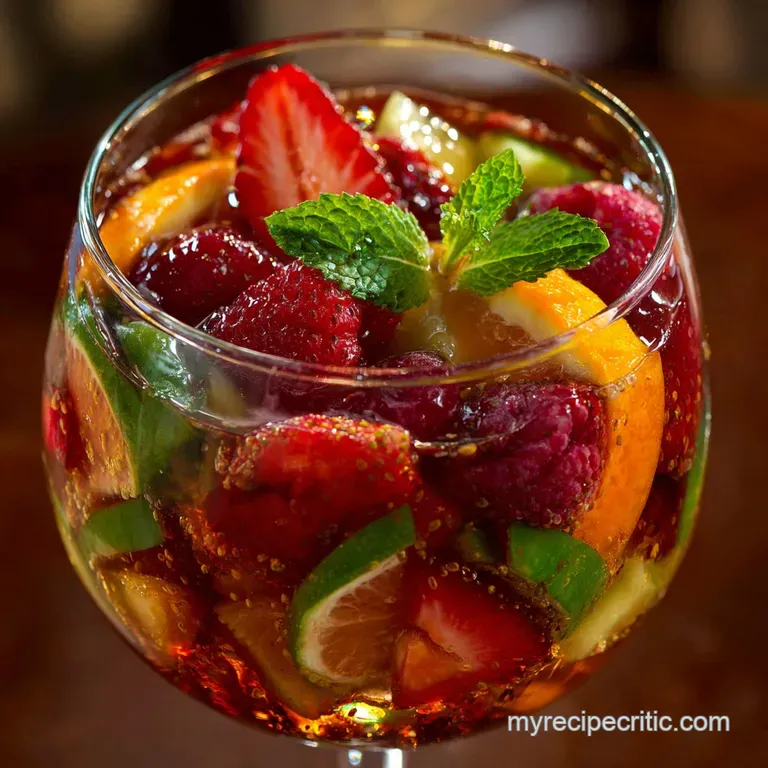
The moment this pitcher hits the table, everything changes. Honestly, the visual impact of a truly layered, vibrant [Rainbow Sangria] is absolutely unmatched. That first deep inhale of bright citrus, ripe berries, and crisp white wine instantly transports you to a perfect summer evening.
This isn't just a drink; it's a mood, and it smells like pure, sunny joy.
Now, I know this looks incredibly complicated, like something requiring an advanced mixology degree. Nope. This showstopper party drink is actually the ultimate low-effort, high impact recipe hack for summer entertaining.
It uses cheap, seasonal fruit and inexpensive wine, yet it manages to look wildly sophisticated and feeds a massive crowd with minimal effort. You just chop, pour, and wait.
We’re going to master the key secret to making this stunningly bright and colorful drink work: the fruit layering and the proper chilling technique. Forget the mushy, overly sweet sangrias you've tried before. This method ensures maximum visual flair, bright flavor, and fruit that stays crisp and beautiful.
Let’s crack on and infuse some sunshine!
Why This Recipe Works: The Science of Sangria Infusion
The goal of any great sangria is flavor marriage, not just flavor mixing. We rely heavily on a process called maceration , where the acid and alcohol slowly break down the fruit cells, releasing their sweet juices and colors into the base liquid.
This infusion is why a four hour chill is absolutely non-negotiable.
Why the Colour Layering Technique Matters
When you layer the fruit (red, then orange, then green, then purple), you create a short term visual wow factor. More importantly, using a variety of colors ensures a wide range of fruit acidities and sugars are released, leading to a perfectly balanced, sophisticated fruit cocktail.
It’s simple presentation physics! We want the deep purples and blues to sit separately from the bright reds as long as possible before the liquids eventually merge.
White Wine vs. Red Wine Sangria: Which Works Best for Colour?
If you want a true visual rainbow, you have to choose a neutral base. Red wine absolutely dominates the colour profile, turning everything a murky purple brown eventually. White wine is the only way to achieve that bright, colorful look that truly makes this sangria a [showstopper party drinks] centrepiece.
The Essential Flavour Profile: Bright, Crisp, and Citrusy
Because we are relying heavily on sweet, ripe summer berries, we need a counterbalance. That’s where the orange juice and the high-quality Brandy come in. The citrus cuts the heavy sweetness, and the Brandy adds crucial aromatic depth that prevents the final mix from tasting like overly sugary fruit punch.
It adds a lovely warmth, even when served ice cold.
Maceration Timing: Achieving Optimal Fruit Sweetness
I learned this the hard way: if you let the fruit macerate for too long (like 24 hours), the delicate skin can break down too much, leading to cloudy sangria and slightly alcoholic, mushy fruit. The sweet spot is 6 to 8 hours.
This gives the fruit enough time to release its sugars into the liquid without completely dissolving.
Balancing Tannins and Acidity in White Wine Mixes
Tannins are compounds found in grape skins that can make a wine taste slightly bitter or dry. When mixing white wine sangria, we purposefully choose dry, low-tannin wines like Pinot Grigio or Sauvignon Blanc. This ensures that when the fruit acids release, they don't clash harshly with the wine.
The Simple Syrup and fresh orange juice act as buffers, smoothing out any sharp edges.
The Critical Role of Carbonation in Presentation and Taste
Do NOT add the sparkling element (Prosecco, Cava, or club soda) until the absolute last minute. The bubbles lighten the drink and lift the aroma right out of the glass, giving it that incredibly refreshing finish. If you add it too early, you lose all the fizz in the fridge.
Chef's Note: If you want your Rainbow Sangria to taste vibrant and crisp, make sure every liquid element wine, juice, syrup, and sparkling water is thoroughly chilled before combining. Warm liquids result in a flat, tired final product.
The Fruity Palette: Ingredients and Essential Substitutions
The key to a visually striking rainbow is variety and contrast. We want specific fruits for specific colors. When preparing your ingredients, think of it as painting with produce!
Selecting the Perfect Dry White Wine Base
- The Go-To: Pinot Grigio or Sauvignon Blanc. These are light, bright, and don’t interfere with the fruit.
- Substitution: No suitable dry white? Use a dry, fruity Rosé wine for a gorgeous pink base (this is a fantastic variation). For non-alcoholic [fruity sangria recipe], use high-quality chilled white grape juice mixed with a splash of lime.
Building the Colour Gradient: Recommended Fruits (Red to Violet)
This combination gives us the best colour saturation and flavor balance. Aim for about 1 cup of fruit per colour group.
- Red: Strawberries (quartered)
- Orange/Yellow: Orange slices and Pineapple chunks
- Green: Green Grapes (halved) or firm Kiwi slices
- Blue/Violet: Blackberries and Blueberries (whole)
| If you don't have... | Try substituting with... | Why this works: |
|---|---|---|
| Strawberries (Red) | Raspberries or pitted Cherries | Similar sweetness and acidity profile. |
| Pineapple (Yellow) | Diced Nectarines or Yellow Peaches | Maintain texture and mild sweetness. |
| Kiwi (Green) | Sliced Star Fruit or firm Pear (spritzed with lemon) | Provides a clean, crisp green contrast. |
| Brandy (Spirit) | Triple Sec or Clear Vodka | Adds alcohol content without clouding the colour; use Triple Sec for citrus notes. |
Juice and Spirit Boosters for Enhanced Flavour Depth
I always add a spirit to deepen the flavour and juice for brightness. The Simple Syrup ensures the sugar is fully dissolved never use granulated sugar straight into cold liquid!
- Spirit: Good quality Brandy (Cognac or Armagnac are lovely, but any decent VS/VSOP works).
- Juice: Freshly squeezed orange juice.
Smart Swaps: Making This Rainbow Sangria Alcohol Free
Making a Virgin Rainbow Punch is super easy and still achieves that gorgeous colour layering. Substitute the white wine with 3 parts chilled white grape juice and 1 part chilled sparkling white cranberry juice.
Replace the Brandy with 1 teaspoon of almond extract or a non-alcoholic spirit alternative (they are getting really good now!). Finish with the club soda as instructed.
Mixing and Layering: step-by-step Instructions for Rainbow Sangria Perfection
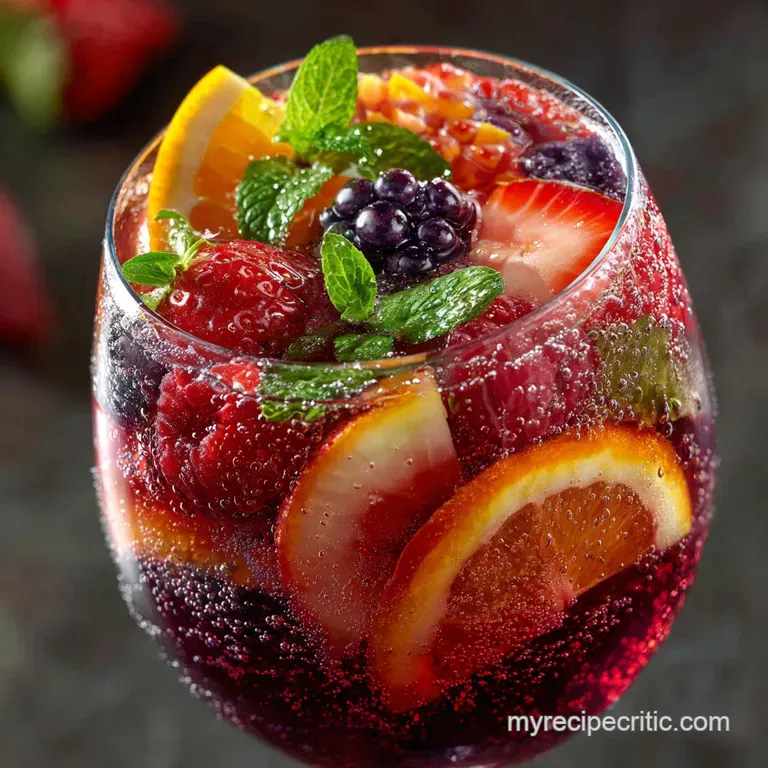
This is where we achieve the visual magic, but remember: be gentle! We are infusing, not smashing.
Preparing the Fruit and Sugar Base (The Initial Soak)
- Chop and Prep: Wash all your fruit and cut them uniformly into bite sized pieces. Halve the grapes and slice the oranges thinly, leaving the peel on.
- Combine the Boosters: Pour the Brandy, orange juice, Simple Syrup, and a dash of bitters (if using) into your large pitcher. Stir gently until fully incorporated.
- Layer the Rainbow: Carefully drop your fruit into the pitcher, starting with the heaviest red fruits (strawberries), followed by the yellows/oranges, then the greens, and finally the blues and purples on top.
The Gentle Infusion: Combining Wine and Spirits
- Add the Wine: Pour the entire bottle of chilled white wine over the fruit and base mixture.
- Stir Lightly: Give the entire mixture one or two very gentle stirs using a long spoon. Do not vigorously stir or muddle! We need the fruit to remain pristine and for the layers to hold somewhat before the chill.
- Chill Time: Cover the pitcher and refrigerate for a minimum of 4 hours, or ideally 6– 8 hours. This is the stage where the magic happens and the fruit softens just enough to release its incredible flavour.
The Presentation Pour: Layering Fruit and Chilling Dynamics
When pouring into individual glasses, try to ensure each cup gets a scoop of fruit from all the color levels. I like to use an extra long spoon for scooping to get those deep purple berries stuck near the bottom. The goal is to maximize the visual appeal of that [bright colorful drinks] profile!
Garnishing for Maximum Impact
Just before serving, garnish the pitcher itself with extra orange slices and several sprigs of fresh mint. The contrast of the deep green mint against the colourful fruit is stunning, plus the mint adds a fresh, aromatic lift as you sip.
Expert Troubleshooting: Chef’s Tips and Avoiding Common Mistakes
Common Mistakes
- Adding Ice Cubes Too Soon: This is the ultimate crime against sangria, leading to dilution and a watery taste. Solution: Instead of ice, use frozen grapes, frozen pineapple chunks, or specialty whiskey stones to keep the temperature down without melting.
- Using Wine That is Too Expensive (or too cheap!): Don't use your best vintage, but don't use something you wouldn't drink plain either. Fix: Look for a reliable bottle in the $10-$15 range that you genuinely enjoy. A bad wine makes bad sangria.
- Skipping the Simple Syrup: If you just toss in granulated sugar, it won't fully dissolve in the cold liquid, and you’ll end up with a gritty, unbalanced drink. Fix: Always use simple syrup (equal parts sugar and hot water, cooled completely).
Practical Planning: Storage, Shelf Life, and Freezing Fruit for Later
This sangria is perfect for parties because it is designed to be made ahead. Plan for the minimum four hour chill!
How Long Can Finished Sangria Be Stored in the Refrigerator?
The base sangria (wine, spirits, and fruit, before carbonation) will keep beautifully in the refrigerator for up to 3 days. After day one, the flavors are intensely fused. After day three, the fruit starts to get mushy and release too much bitterness from the rinds.
Using Leftover Fruit for Future Batches
Did you know the fruit used in sangria is packed with wine and Brandy? It’s potent! You can strain the leftover fruit and use it in a few creative ways. I love using it as a boozy topping over vanilla ice cream or folding it into the batter for a quick bread. Do not refreeze the saturated fruit.
Summertime Pairings: Serving Suggestions for Your Rainbow Sangria
This bright, crisp drink demands equally fresh and light pairings. Think sunshine and garden parties!
The Ice Dilution Problem and How to Solve It
Again, please use frozen fruit instead of ice! If you absolutely must use ice, add it directly to the individual glasses right before pouring the sangria, not to the main pitcher. This keeps the whole batch pristine and strong.
Preventing Cloudy Sangria: The Chill Factor
The main cause of cloudy sangria is bruised fruit and liquids that were too warm at the start. Ensure you stir gently and use only chilled ingredients. If you want more vibrant, fruit forward meal prep ideas, you might love my recipe for [Rainbow Veggie Mason Jar Salads Meal Easy Lunches] they look just as colourful as this drink!
When to Add the Sparkling Wine (The Last Minute Rule)
Always add the sparkling water or Prosecco right as your guests arrive, or immediately before serving. This ensures maximum bubbles and freshness. Give it one quick stir and serve immediately.
Reviving Day-Old Sangria: Refreshing the Flavours
If your sangria is reaching the two-day mark and tastes a little flat, you can revive it. Strain out any mushy fruit, add a splash of fresh orange juice, a teaspoon of simple syrup, and, of course, a fresh batch of sparkling wine just before serving.
Using Leftover Fruit for Future Batches
This sweet, boozy fruit is perfect to chop up and add to a quick summer dessert, but if you’re looking for more ways to use fresh, vibrant produce in party appetizers, check out my recipe for [Rainbow Mini Veggie Quesadillas Easy Party Appetizer].
They are always a huge hit alongside this [Best sangria recipes for a crowd].
Recipe FAQs
How long does Rainbow Sangria need to chill before serving for optimal flavor?
Sangria requires adequate chilling time for the fruit juices and added spirits to meld thoroughly with the wine base. We recommend a minimum of 4 hours in the refrigerator, but 8 to 12 hours (or overnight) yields the richest, most integrated flavor profile.
Remember to hold off on adding the sparkling component (soda or lemonade) until just before serving to ensure maximum effervescence.
What is the recommended type of white wine for this vibrant recipe?
A dry, crisp, and fruit forward white wine is ideal for sangria, such as a good quality Pinot Grigio, Sauvignon Blanc, or an unoaked Chardonnay. Avoid heavily oaked or overly sweet dessert wines, as they can clash with the fresh fruit and make the overall drink too syrupy.
The chosen wine should serve as a refreshing backdrop to the colorful fruit mix.
Can I make a non-alcoholic (virgin) version of this Rainbow Sangria?
Absolutely. To create a virgin rainbow punch, replace the white wine with white grape juice or a non-alcoholic sparkling cider alternative. Substitute the brandy or triple sec with a generous splash of fresh orange juice and use plenty of sparkling water or clear lemonade for the finishing fizz.
The soaking time remains crucial for the fruit flavor integration.
How long can I store leftover Rainbow Sangria?
Leftover sangria can be stored in an airtight container in the refrigerator for up to 3 days, provided you haven't added ice or excessive sparkling mixer. Be aware that the fruit texture will soften significantly over time, potentially becoming mushy, and after 72 hours, the flavor quality begins to diminish rapidly.
It is always best enjoyed fresh.
My sangria tastes slightly too sharp or acidic. How can I balance the sweetness?
Acidity issues are usually resolved by adding a bit more sweetener. You can stir in a small amount of simple syrup (1:1 sugar and water solution) or a teaspoon of liquid honey, ensuring it dissolves completely.
If the problem stems from too much citrus, incorporate more neutral, sweet fruits like sliced peaches or pears to round out the flavor profile.
Which types of fruit should I avoid when maintaining the “rainbow” aesthetic?
To keep the drink looking vibrant and appealing, avoid fruits that brown quickly, such as sliced apples, unless you coat them immediately in a light citrus juice bath. Also, very soft fruits like ripe bananas or overripe kiwi should be omitted, as they disintegrate quickly and can make the sangria look cloudy or muddy after extended soaking.
Rainbow Sangria Summer Punch Recipe
Ingredients:
Instructions:
Nutrition Facts:
| Calories | 86 kcal |
|---|---|
| Protein | 5.3 g |
| Fat | 0.4 g |
| Carbs | 16.2 g |
