The Weeknight Winner Sticky Honeygarlic Salmon with Crispy Edges

- Ditch the Takeout: Why This Honey Garlic Salmon is a Weeknight Miracle
- Achieving the Perfect Sticky Glaze Without Lengthy Marinating
- Securing Your Toolkit: Essential Ingredients for the Fish and Glaze
- Sourcing Success: Choosing Quality Salmon and Fresh Aromatics
- Mastering the Method: Step-by-Step Guide to Honey Garlic Salmon Perfection
- Building the Flavour: Searing, Glazing, and Finishing Techniques
- Trouble-Shooting and Frequently Asked Questions (FAQs)
- Beyond the Plate: Pairing Suggestions and Nutritional Snapshot
- Recipe FAQs
- 📝 Recipe Card
Ditch the Takeout: Why This Honey Garlic Salmon is a Weeknight Miracle
There is nothing more satisfying than serving up a meal that looks impressive, tastes indulgent, yet took minimal effort to prepare. This Honey Garlic Salmon Recipe is exactly that kind of culinary triumph.
Forget waiting for delivery or spending hours over a hot stove; this preparation delivers maximum flavor impact in under 35 minutes, making it the definition of Quick Weeknight Meals .
By embracing the sweet, savory, and sticky allure of a classic Asian inspired glaze, we elevate simple salmon fillets into a genuinely memorable dish that will delight even the pickiest eaters.
It’s naturally nutrient dense, packed with lean protein and Omega-3s, and guaranteed to become a reliable addition to your rotation of Family Friendly Dinners .
Achieving the Perfect Sticky Glaze Without Lengthy Marinating
The secret to quick flavor saturation lies not in lengthy marination, but in rapid reduction and precise application. We utilize a two-pronged strategy: a quick initial coating followed by a final, thickened glaze that caramelizes beautifully under high heat.
This ensures that every bite of the fish is encased in that signature glossy, sticky texture we crave.
Speed vs. Flavor: Getting Dinner Done in Under 20 Minutes
While some recipes demand hours of waiting for a proper Honey Garlic Salmon Marinade penetration, we circumvent this by using the oven’s heat efficiently.
The initial light coating of the glaze mixture seasons the fish beautifully during its 8 to 10 minutes of baking time. Simultaneously, we reduce the bulk of the sauce on the stovetop.
This dual action means that by the time the salmon is nearly cooked, the glaze is thick, glossy, and ready for the crucial final broil, allowing us to deliver flavor without delay.
The Essential Flavour Boosters in Our Vibrant Asian Inspired Glaze
The depth of flavor in this Honey Garlic Salmon stems from balancing sweetness, acid, umami, and heat. The core ingredients a generous quantity of runny honey and low-sodium soy sauce provide the sticky base and salty contrast.
Freshly minced garlic and grated ginger add sharp, aromatic complexity, which is essential for cutting through the richness of the salmon. A squeeze of fresh lemon juice brightens the overall profile, and a small addition of sesame oil and optional sriracha ensures a nutty finish with a welcome hint of warmth.
Chef's Notes on Selecting the Best Salmon Fillets
For this recipe, we recommend using standard 170g (6 oz) salmon fillets. Uniform thickness is crucial to guarantee even cooking across the batch. While this recipe works with both skin-on and skinless cuts, the skin-on fillets offer an added layer of flavor and texture protection, especially when using the high heat finishing method.
Look for fillets that are vibrant in color and firm to the touch.
How We Guarantee Crispy Skin Every Single Time
Moisture is the enemy of crispiness. Before any seasoning or glaze touches the fish, you must pat the fillets aggressively dry using paper towels. This removes surface moisture that would otherwise steam the skin in the oven.
Plus,, the brief exposure to intense heat from the broiler (grill) during the final stage is what seals the deal, rapidly caramelizing the sugars in the glaze while crisping the skin underneath, resulting in the perfect texture for your Honey Garlic Salmon Baked .
Securing Your Toolkit: Essential Ingredients for the Fish and Glaze
Creating this simple dish requires minimal effort in ingredient assembly. For the salmon itself, you will need four standard fillets, a touch of olive oil, and the essential foundational seasonings of sea salt and black pepper.
The transformative power lies in the glaze components: high-quality runny honey, low-sodium soy sauce (or Tamari), minced fresh garlic and grated fresh ginger, fresh lemon juice, sesame oil, and, if desired, a dash of sriracha.
The final texture relies on a simple thickening agent a slurry of cornflour (cornstarch) and cold water.
Sourcing Success: Choosing Quality Salmon and Fresh Aromatics
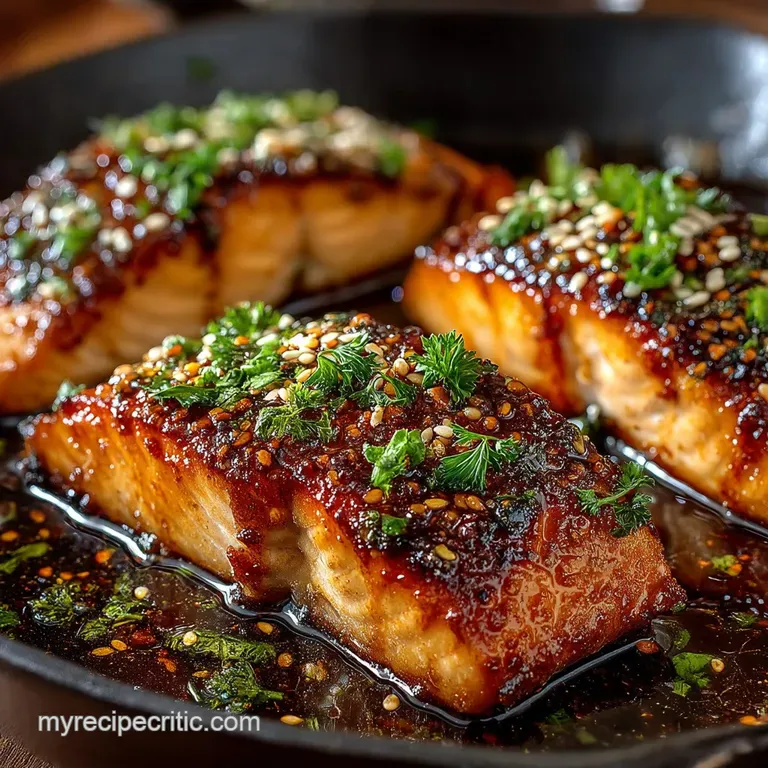
The quality of your raw materials directly impacts the final dish, especially when the cooking time is short.
Understanding Different Salmon Cuts (Sockeye vs. Atlantic)
When purchasing your fish, you'll generally encounter two main varieties: Sockeye and Atlantic. Atlantic salmon, which is often farmed, tends to be fattier, resulting in a richer flavor and a more tender, buttery texture that works beautifully with the sticky glaze.
Sockeye, typically wild caught, is leaner, firmer, and has a more pronounced "fish" flavor. Either choice works well, but Atlantic fillets (around 6 ounces each) are often more forgiving if you accidentally overcook them slightly.
Dry Pantry Staples That Give the Glaze Its Rich Body
A common pitfall of homemade glazed fish is a sauce that remains too watery, running off the fillet and pooling on the baking tray. The solution is the cornflour slurry. This combination of cornflour (cornstarch) and cold water, whisked into the simmering glaze base, is essential for achieving a restaurant quality, glossy, and thick consistency.
Without this thickening step, the glaze will not adhere properly to the fish during the broiling process. Using low-sodium soy sauce is also recommended to allow better control over the final saltiness of the dish.
Necessary Kitchen Hardware for Achieving the Best Sear
Beyond standard measuring tools and mixing bowls, you will need a large, rimmed baking sheet lined with parchment paper or foil for easy cleanup. A small saucepan is required to safely reduce and thicken the glaze on the stovetop.
Most importantly, use an instant read meat thermometer to guarantee the fish is cooked perfectly (aiming for 60°C / 145°F). Finally, a pastry brush is indispensable for liberally coating the fish with the thickened glaze just before the high heat finish.
Quick Substitution Ideas for Common Dietary Adjustments
If you need a gluten-free option, substitute the standard soy sauce for Tamari or coconut aminos. If substituting the honey, pure maple syrup works as a 1:1 replacement, although note that its flavor is more earthy and it tends to caramelize even faster under the broiler.
For those avoiding added sugars entirely, while it changes the flavor profile significantly, a small amount of erythritol mixed with a touch of molasses for color and depth can provide texture, though the sticky glaze quality will be reduced.
Related Recipes Worth Trying
- Lemon Garlic Butter Salmon Our Flaky FaffFree Weeknight Winner — This lemon garlic butter salmon recipe is a weeknight gamechanger Get perfectly moist flaky baked salmon fillets bathed in a vibrant punchy sauceready in 30...
- 30Minute Seared Salmon with Lemon Orzo and Crispy Skin — This elegant Seared Salmon with Lemon Orzo is your speedy weeknight dinner recipe hero Achieve foolproof crispy skin balanced by creamy zesty dill orzo in...
- The Ultimate Summer Peach Fruit Salad with HoneyLime Mint — Ditch the soggy leftovers This vibrant Summer Peach Fruit Salad recipe uses a zesty honeylime dressing to elevate ripe peaches beautifully Find out how to...
Mastering the Method: step-by-step Guide to Honey Garlic Salmon Perfection
The journey to perfect Honey Garlic Salmon is swift and involves four distinct phases: preparation, glaze reduction, initial baking, and the final high heat caramelization.
We utilize the oven initially set to 200°C (400°F) for gentle baking, transitioning to the broiler (grill) only for the last few minutes. This two-stage approach ensures the fish cooks through completely without the glaze burning prematurely.
This method is highly effective whether you're creating full fillets or Honey Garlic Salmon Bites from larger portions.
Building the Flavour: Searing, Glazing, and Finishing Techniques
Perfect execution relies on timing the glaze preparation with the fish baking process.
Prepping the Fish: Patting Dry and Strategic Seasoning
Start by preheating the oven and lining your sheet pan. Take the time to pat each 6-ounce salmon fillet very dry. Brush them lightly with olive oil and season only with salt and pepper; avoid adding the glaze at this stage, as it contains enough moisture to inhibit the initial sear.
Place the seasoned fillets skin side down on the prepared sheet.
The Critical Two-Minute Glaze Reduction Process
While the salmon bakes, prepare the glaze base by combining the honey, soy sauce, aromatics, lemon juice, and sesame oil. Crucially, siphon off about three tablespoons of this raw mixture to use for a quick pre-bake coating.
Transfer the remaining bulk of the glaze into a small saucepan and bring it to a gentle simmer over medium heat. Whisk the cornflour slurry (cornflour and cold water) separately, then pour it into the simmering sauce, whisking vigorously for about 30 seconds. The sauce will thicken rapidly and become highly glossy.
Remove it immediately from the heat; this is your final, safe, and ready-to-use glaze.
When to Flip: Identifying the Perfect Golden Brown Sear
Your salmon fillets will bake for 8 to 10 minutes. During this time, they should begin to turn opaque around the edges. There is no need to flip the fish during this initial bake. Once the time is up, the fish should be almost cooked through (registering around 55°C / 130°F internally).
At this stage, pull the tray from the oven and prepare for the final step.
High Heat Finishing: Achieving That Final Sticky Caramelization
Switch your oven to the high Broil/Grill setting. Liberally brush the thickened glaze over the top and sides of each fillet using a pastry brush. Return the tray to the oven, placing it on the second highest rack (about 6 to 8 inches from the heat source). Broil for just 2 to 4 minutes.
You must watch constantly during this period, as the high sugar content can go from caramelized to burnt very quickly. The glaze should bubble and turn a deep, beautiful mahogany color. Check the internal temperature it should register 60°C (145°F) for ideal flaky tenderness.
Let the Honey Garlic Salmon Baked rest for five minutes before garnishing and serving.
Trouble Shooting and Frequently Asked Questions (FAQs)
How to Prevent the Glaze from Burning (The Sugar Problem)
The intense sweetness of honey is wonderful for flavor but requires vigilance under the broiler. The primary strategy is distance: ensure the baking sheet is placed far enough from the heating element.
On top of that,, the final broil should only be done with the thickened glaze, as the cornflour slurry helps stabilize the sauce, reducing the likelihood of immediate scorching. If you notice the edges turning too dark, reduce the heat or move the tray to a lower rack immediately.
Safe Reheating and Maximizing Leftover Flavor
Salmon reheats best when done gently. To preserve moisture and flavor, avoid the microwave. Instead, preheat your oven or Honey Garlic Salmon Air Fryer to a moderate 160°C (320°F).
Place the fish in a foil wrapped packet with a small teaspoon of water or broth to create steam, reheating for 8 to 10 minutes until warmed through. Leftover fish is delicious flaked over rice for a refreshing Honey Garlic Salmon Bowl .
Adjusting the Heat Level: Making It Spicier or Milder
To increase the heat, simply double the amount of sriracha in the glaze mixture. For a deeper, more complex spice, consider swapping some of the sriracha for a tablespoon of Gochujang (Korean chili paste). If you prefer a completely mild dish, omit the sriracha or chili flakes entirely.
Beyond the Plate: Pairing Suggestions and Nutritional Snapshot
What Side Dishes Best Complement the Sweetness of the Glaze?
The richness of the salmon and the sweetness of the glaze pair beautifully with sides that offer texture and brightness. Steamed Jasmine rice is perfect for soaking up the residual, glorious glaze.
For greens, lightly blanched or stir fried Tenderstem broccoli (broccolini) or asparagus, dressed simply with rice vinegar and sesame oil, provides a vital textural crunch. A side salad of fresh cucumber and thinly sliced radish, tossed in a light rice vinegar dressing, offers a cooling, acidic counterpoint to the dish's richness.
Scaling Up the Recipe for Dinner Parties
This recipe is inherently easy to scale up. If preparing for a large group, use multiple sheet pans and ensure they are not overcrowded, as this impedes caramelization. The glaze must be prepared in a single large batch, reduced, and held warm until ready to brush onto the nearly cooked fish.
Pre-chopping the garlic and grating the ginger ahead of time will dramatically cut down on prep time.
Nutrition Fact Breakdown: Calories, Protein, and Omega-3s
This Family Friendly Dinner is a powerful nutritional choice. Based on a standard 6-ounce fillet with the accompanying glaze, each serving provides an estimated 380 to 410 calories.
Crucially, the dish is an excellent source of high-quality protein, delivering approximately 35 to 38 grams per serving. The majority of the fat content (20 24 grams) consists of healthy monounsaturated and essential Omega-3 fatty acids, making this a delicious way to support heart health while enjoying a Quick Weeknight Meal .
Recipe FAQs
My sauce always runs off! How do I get that really glossy, sticky finish on my salmon?
The secret to a beautifully glossy, sticky glaze is the cornflour slurry it’s the binding agent that transforms the watery sauce into a thick wonder. You must simmer the glaze until it coats the back of a spoon before brushing it on.
Additionally, finishing the salmon with a quick blast under the grill (broiler) caramelizes the honey, locking that sticky texture firmly in place.
I’m doing a big weekend prep. Can I make the Honey Garlic Glaze beforehand, and how long does the cooked salmon keep?
Absolutely, the prepared glaze (before you add the thickening slurry) is a fantastic make-ahead component and will happily keep in the fridge for up to a week. For safety, always separate the raw glaze you use for the first coating from the glaze you reduce for the final brush.
Cooked Honey Garlic Salmon leftovers should be stored promptly in an airtight container and are best consumed within 3 days.
What are the best sides to serve with this Sticky Honey Garlic Salmon to make a proper dinner?
This dish is rich and sweet, so it pairs brilliantly with something fresh and sharp to cut through the flavour. A crisp cucumber and radish salad, tossed in a light rice vinegar dressing, is just the ticket.
Serve it over fluffy jasmine rice or quinoa to soak up every drop of that glorious glaze, alongside some simply blanched Tenderstem broccoli or asparagus.
I've only got chicken fillets in the freezer can I still use this brilliant Honey Garlic Salmon recipe?
You certainly can! This versatile Asian inspired glaze works like a charm on most proteins, including thick cut cod fillets, large prawns, or boneless, skinless chicken breasts. If using chicken, remember to adjust the cooking time significantly you’ll be aiming for an internal temperature of 74°C (165°F) for safe eating.
Just ensure you slice the chicken evenly to prevent drying out.
I'm rubbish at cooking fish; how do I make sure I don't overcook this lovely salmon?
Don't fret, it’s a doddle if you use a thermometer! To avoid a dry, sad piece of fish, aim for an internal temperature of 60°C (140°F) at the thickest part when you pull it out of the oven. It will carry over cook to the perfect 63°C (145°F) while resting.
Visually, the salmon should flake easily with a fork and the thickest part should look opaque, not raw, but still beautifully moist.
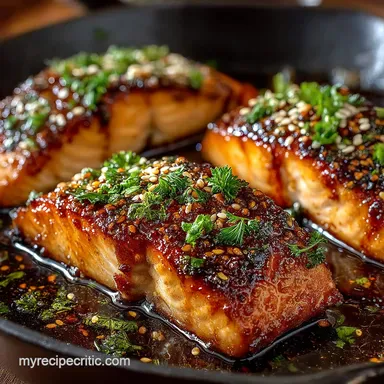
Quick Sticky Honey Garlic Salmon Recipe
Ingredients:
Instructions:
Nutrition Facts:
| Calories | 2567 kcal |
|---|---|
| Protein | 17.2 g |
| Fat | 93.4 g |
| Carbs | 89.4 g |
| Fiber | 20.6 g |
| Sodium | 1144 mg |
