Pumpkin Muffins: Moist & Tender
- Time: Active 15 minutes, Passive 20 minutes, Total 35 minutes
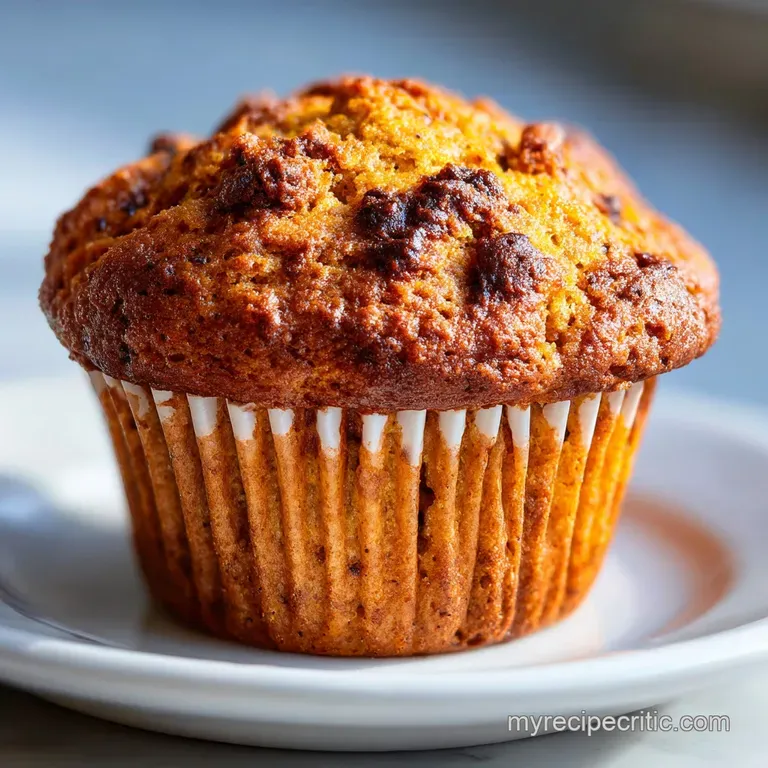
- Flavor/Texture Hook: Velvety interior with a warm, spiced aroma
- Perfect for: Cozy autumn mornings or meal prep
Why This Moist Crumb Works
The success of these pumpkin muffins comes down to a few specific chemical interactions that happen inside that paper liner. If you’ve ever wondered why some recipes use oil and others use butter, or why we bother with two types of leavening agents, the answers are hidden in the way these ingredients interact under heat.
- Lactic Acid Tenderization: The Greek yogurt provides acidity that breaks down gluten strands, ensuring the crumb remains velvety rather than chewy.
- Hygroscopic Stability: Both maple syrup and coconut sugar are hygroscopic, meaning they hold onto water molecules tightly, preventing the muffins from drying out as they cool.
- Maillard Reaction Synergy: The proteins in the yogurt and eggs react with the sugars at 375 degrees Fahrenheit to create a deep, golden brown crust and complex aroma.
- Starch Gelatinization: As the pumpkin puree heats up, its natural starches swell and thicken, providing a structural mesh that supports the rise without needing excess flour.
If you are looking for a different vibe for your morning, you might notice that the technique here is quite similar to the moisture locking method in my Moist Pumpkin Coffee recipe. Both rely on that heavy pumpkin base to keep things from getting crumbly or dry.
| Method | Time | Texture | Best For |
|---|---|---|---|
| One Bowl Fast | 25 minutes | Dense, rustic, slightly uneven | Quick weekday snacks |
| Classic Sifted | 35 minutes | Velvety, uniform, bakery style | Brunch or gifting |
| Rested Batter | 45 minutes | Tallest domes, very soft | Professional presentation |
Taking that extra ten minutes to sift your dry ingredients and properly emulsify the wet ones makes a world of difference in how the batter behaves once it hits the heat. While the fast method is fine when you're in a rush, the classic approach gives you that "shatter" on the very top of the dome that we all crave.
Elements for a Better Texture
When we talk about the "dough texture" or in this case, the batter texture we are looking for a heavy ribbon stage. When you lift your spatula, the batter should fall back into the bowl in a slow, thick fold that holds its shape for a second before disappearing. This tells you the hydration is spot on.
| Ingredient | Science Role | Pro Secret |
|---|---|---|
| Pumpkin Puree | Provides fiber and moisture | Use "Pure Pumpkin," not pie filling, for total control. |
| Greek Yogurt | Adds acidity for lift | Use full fat for the most tender, velvety result. |
| Melted Butter | Carries fat soluble spices | Melt it to 130 degrees Fahrenheit so it blends without cooking the eggs. |
| Coconut Sugar | Provides earthy sweetness | Sift it if it's clumpy to ensure even caramelization. |
The way you handle these ingredients matters just as much as the quantities. For instance, the butter should be melted but not piping hot. If you pour boiling butter into your eggs, you'll end up with tiny bits of cooked egg in your muffins, which is definitely not the texture we're going for.
Essential Tools for Best Results
You don't need a professional kitchen to make these, but a few specific tools will make the process much smoother. I always recommend using a digital scale for the flour (210 grams) and pumpkin (245 grams). It's the only way to be 100% sure your muffins will behave the same way every time you bake them.
- Standard 12 cup muffin tin: Look for one with good heat conduction, like a light colored aluminum.
- Fine mesh sieve: Essential for "blooming" the spices and ensuring the baking soda is evenly distributed.
- Silicone spatula: This helps you fold the flour in gently without overworking the gluten.
- Wire cooling rack: This prevents the "soggy bottom" by allowing air to circulate under the muffins.
- Internal probe thermometer: A quick check to see if the center has reached 200 degrees Fahrenheit is better than the toothpick test.
If you find yourself obsessed with the way these spices smell, you should definitely try the Pumpkin Pie Bread recipe next time you have a spare can of puree. The equipment is similar, but the texture is a whole new experience.
Steps for the Perfect Dome
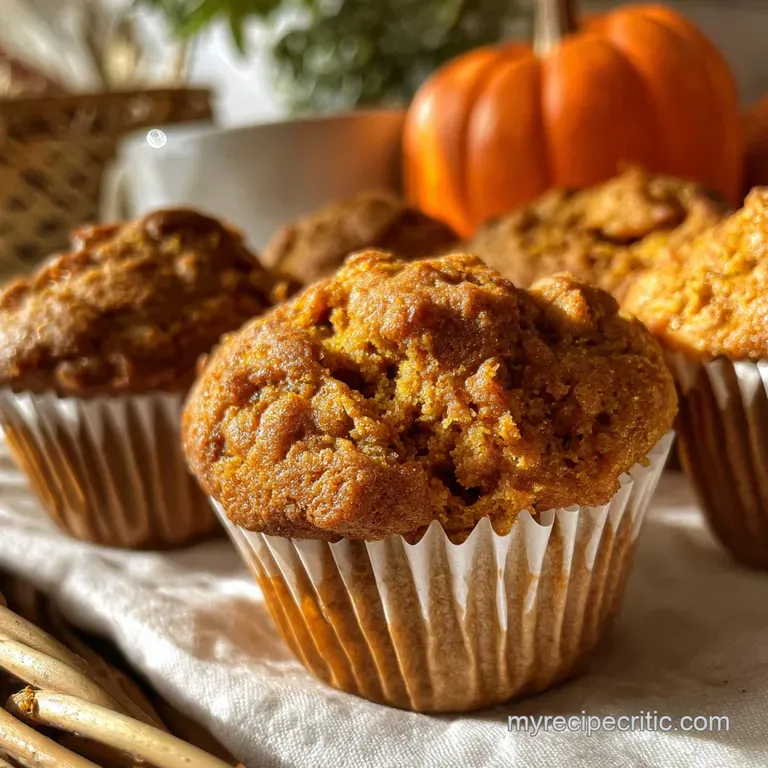
Before you start, make sure your oven is truly preheated. Most ovens beep before they've actually reached the target temp, so give it an extra 10 minutes. This initial blast of heat is what creates the "shatter" on the top of the muffin and forces the batter upward before the crust sets.
1. The Prep and Sift
Whisk together 1.75 cups (210g) all purpose flour, 1 tsp baking soda, 0.5 tsp baking powder, 0.5 tsp fine sea salt, and your spices (1.5 tsp cinnamon, 0.5 tsp ginger, 0.25 tsp cloves, 0.25 tsp nutmeg). Note: Sifting prevents "spice clumps" that can taste bitter.
2. The Emulsion Phase
In a large bowl, whisk 1 cup (245g) pumpkin puree, 0.5 cup (120g) Greek yogurt, 0.5 cup (100g) coconut sugar, and 0.25 cup (80g) maple syrup until smooth. Look for a glossy, uniform color.
3. The Fat Incorporation
Gently whisk in 2 large room temperature eggs, one at a time, followed by 0.25 cup (57g) of unsalted butter that has been melted and cooled to about 130 degrees Fahrenheit. Note: Room temp eggs prevent the butter from re solidifying.
4. The Gentle Fold
Add the dry ingredients to the wet. Use a spatula to fold until no streaks of white flour remain. Do not whisk here, or the muffins will be tough.
5. The Rest Period
Let the batter sit in the bowl for 10 minutes. You will see small bubbles forming as the yogurt reacts with the baking soda.
6. Filling the Tins
Divide the batter into a lined muffin tin, filling each cup exactly 3/4 full. This should be about 68 grams of batter per muffin if you are using a scale.
7. The Precision Bake
Bake at 375 degrees Fahrenheit for 18 to 22 minutes. Cook until the tops feel springy and look matte orange.
8. The First Cool
Let the muffins sit in the hot tin for exactly 5 minutes. This allows the structure to set so they don't fall apart when you move them.
9. The Rack Transfer
Move the muffins to a wire rack to finish cooling. Wait at least 15 minutes before peeling off the liner for the best texture.
10. The Texture Check
Break one open while it's still slightly warm. The interior should look velvety and moist, with a tight, even crumb and no large air pockets.
Fix Common Baking Problems
Even the best bakers run into trouble sometimes. The most common issue with pumpkin muffins is a lack of rise, which usually stems from either old leavening agents or over mixing the batter. If your muffins look like flat discs rather than domes, check the expiration date on your baking soda immediately.
Why My Muffins Sunk
If your muffins rise beautifully in the oven but collapse the moment you pull them out, they were likely underbaked in the center. The steam inside provides temporary lift, but if the gluten and egg proteins haven't set, the structure will fail.
Next time, use a thermometer to ensure the center hits 200 degrees Fahrenheit.
Avoiding the Soggy Bottom
Leaving muffins in the tin for too long is the number one cause of sogginess. As they cool, steam escapes. If that steam is trapped between the muffin and the metal tin, it turns back into water and soaks the liner. Move them to a rack after 5 minutes!
| Problem | Root Cause | Solution |
|---|---|---|
| Gummy Texture | Too much pumpkin or underbaked | Measure pumpkin by weight; bake 2 mins longer. |
| Bland Flavor | Old spices or lack of salt | Replace spices every 6 months; don't skip the sea salt. |
| Tough Crumb | Over mixing the batter | Fold by hand only until the flour disappears. |
Common Mistakes Checklist
- ✓ Ensure eggs are at room temperature so the batter stays emulsified.
- ✓ Measure your flour by weight (210g) to avoid "packing" the cup.
- ✓ Do not use "Pumpkin Pie Filling" as it contains extra sugar and water.
- ✓ Preheat your oven for at least 20 minutes before baking.
- ✓ Stop mixing the moment you see the last streak of flour disappear.
Special Dietary Muffin Adaptations
If you need to tweak this recipe for dietary needs, you have some great options. The high moisture content of pumpkin makes it very forgiving when substituting flours or fats. However, remember that every swap will slightly change how the batter behaves in the heat.
| Original Ingredient | Substitute | Why It Works |
|---|---|---|
| Unsalted Butter | Melted Coconut Oil | Similar fat content. Note: Adds a very faint tropical aroma. |
| All Purpose Flour | 1 to-1 gluten-free Blend | Maintains structure. Note: Crumb may be slightly grainier. |
| Greek Yogurt | dairy-free Coconut Yogurt | Provides the necessary acidity. Note: Ensure it is thick/strained. |
If you are looking for a boost of protein, you can even check out my HighProtein Cottage Cheese recipe which adapts the pumpkin muffin concept for a more macro friendly snack.
Easy Pumpkin Cupcakes Twist
You can easily turn these into cupcakes by adding a cream cheese frosting. Reduce the maple syrup by 1 tablespoon to make the muffin slightly sturdier, and let them cool completely before frosting. The tangy cream cheese pairs perfectly with the warm cloves and ginger.
Vegan Friendly Swap
To make these vegan, replace the 2 eggs with "flax eggs" (2 tbsp ground flax mixed with 6 tbsp water, rested for 10 mins). Use coconut yogurt and melted coconut oil. The muffins will be slightly denser but will still have that velvety pumpkin flavor.
Secrets for Keeping Muffins Fresh
Storing these properly is the difference between a great snack tomorrow and a soggy mess. Because these are so moist, they can develop "sticky tops" if they are sealed in a container while still slightly warm. Always wait for them to reach room temperature before putting them away.
- Fridge: Keep in an airtight container for up to 5 days. I recommend a quick 10 second zap in the microwave to soften the butter before eating.
- Freezer: Wrap individual muffins in plastic wrap and store in a freezer bag for up to 3 months. Thaw at room temp for 1 hour.
- Zero Waste Tip: If you have half a can of pumpkin puree left over, don't throw it out! Whisk it into your morning oatmeal or stir it into a batch of pancake batter. You can even freeze pumpkin puree in ice cube trays for future baking.
- Liners: If you find your muffins sticking to the liners, try using parchment paper liners or lightly spraying the inside of the paper liners with non stick spray.
Perfect Pairings for Your Breakfast
These muffins are a star on their own, but they play so well with others. Since they have those deep, earthy spices, I love serving them alongside something with a bit of a salty kick or a very clean, bright flavor to contrast the richness.
A sharp cheddar cheese slice actually tastes incredible against the sweetness of the pumpkin it's that sweet and savory contrast that makes the flavors pop. If you prefer a traditional route, a schmear of salted butter or honeyed goat cheese is the way to go.
For a full autumn spread, consider serving these alongside a hot bowl of steel cut oats or a savory sausage breakfast casserole.
Honestly, don't even bother with low-fat spreads here. The whole point of a pumpkin muffin is that indulgent, velvety feel. If you want to go all out, a chai latte or a dark roast coffee with a splash of cream will highlight the nutmeg and cloves perfectly. Enjoy every bite!

Recipe FAQs
What to do with 1 cup of canned pumpkin?
Use it in muffins, bread, or pancakes. One cup of canned pumpkin is a perfect amount for a batch of pumpkin muffins, like these, or it can be used in recipes for quick breads and pancakes for added moisture and flavor.
What is one thing you should never do to a muffin mixture?
Never overmix the batter. Overmixing develops the gluten in the flour too much, leading to tough, dense muffins instead of light and tender ones. Fold the dry ingredients into the wet ingredients just until no streaks of flour remain.
What is the secret to a moist muffin?
Balance moisture with fat and sugar. Ingredients like pumpkin puree, yogurt, and oil contribute moisture, while sugars help retain it. If you mastered controlling the moisture here, see how the same principle applies to keeping our Apple Pecan Bread Pudding: The Ultimate Spiced Autumn Dessert from drying out.
Can I use canned pumpkin for muffins?
Yes, absolutely. Canned pumpkin puree is ideal for muffins, providing consistent moisture and flavor. Just be sure to use 100% pure pumpkin puree, not pumpkin pie filling, which contains added spices and sugar.
Can I use oil instead of butter in pumpkin muffins?
Yes, oil is a great substitute for butter in pumpkin muffins. Oil often results in a moister muffin because it's liquid at room temperature, contributing to a tender crumb. If you found the fat incorporation here helpful, you'll see a similar approach in our Spooktacular Witch Hat Cookies Easy Halloween Baking recipe for texture control.
Do pumpkin muffins need to be stored in the refrigerator?
Generally no, but it helps prolong freshness. Pumpkin muffins can be stored at room temperature in an airtight container for 2-3 days. For longer storage, up to a week, refrigerating them is best to prevent spoilage due to the moisture content.
How do I get tall muffin domes?
Start with a hot oven and don't overfill the liners. A high initial oven temperature (around 400-425°F or 200-220°C for the first 5-7 minutes) helps the batter rise quickly. Filling the liners about two-thirds to three quarters full also allows room for a good dome to form.
Pumpkin Muffins Easy
Ingredients:
Instructions:
Nutrition Facts:
| Calories | 170 kcal |
|---|---|
| Protein | 4.1 g |
| Fat | 5.1 g |
| Carbs | 27.8 g |
| Fiber | 1.2 g |
| Sugar | 12.7 g |
| Sodium | 148 mg |
