Scallops the Perfect Pan Sear with Brown Butter and Lemon Sauce
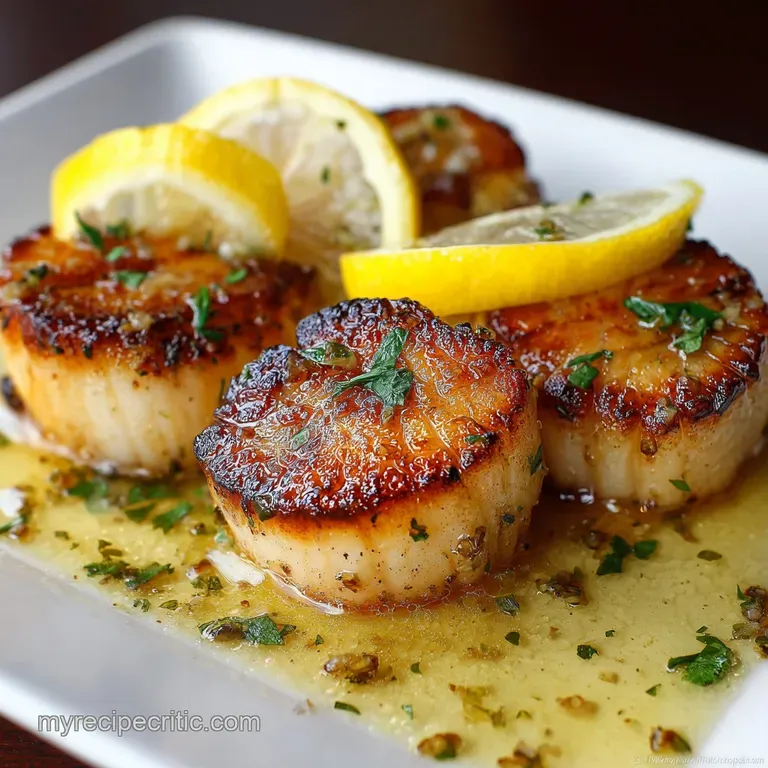
Achieving the Golden Crust: Why Technique Matters
Look, pan seared scallops are either jaw and droppingly spectacular or rubbery, sad discs of wasted money. There is absolutely no in and between. If you’ve ever tried to make this at home and ended up with a grey, steamy mess instead of that gorgeous, golden crust you see in restaurants, you are not alone.
I’ve been there. I cried slightly dramatic tears over a skillet full of soggy shellfish. The secret, honestly, isn't some fancy sauce or expensive oil. It's maniacal focus on technique, specifically getting rid of water. If you nail the first three steps, the rest of this scallops recipe is a breeze.
Dry Scallops for Success: The Secret to the Perfect Sear
I cannot stress this enough: your scallops must be bone dry. If they’re moist, they hit the hot pan and immediately release steam. Steam prevents direct contact between the scallop surface and the heat. This lowers the temperature of your cooking oil and, worst of all, turns your pan into a mini sauna.
That’s how you get grey scallops. So, what do we do?
First, you need to check for the adductor muscle. It's a tough, chewy little strip of tissue sometimes left on the side. Peel it off. It tastes terrible and doesn't belong. Next, the ritual: paper towels. Place your sea scallops on a stack of paper towels, cover them with another stack, and press firmly.
Now, let them chill, uncovered, in the fridge for 30 minutes. Some cooks even dust them lightly with flour before searing, but I find simply drying them completely is enough.
The Maillard Reaction Explained: Transforming Protein to Flavor
Why do we care so much about the sear? We are chasing the Maillard reaction. This is the simple, glorious scientific process that happens when proteins and sugars are exposed to high heat (above 300°F). It’s not just burning.
It’s a chemical transformation that creates hundreds of new, complex flavour compounds. Think toast, seared steak, or roasted coffee beans. This reaction gives pan seared scallops that deeply satisfying, savory crust, contrasting beautifully with the sweet, delicate interior.
If your scallops are steaming, the heat never gets high enough to properly kick off this process. We’re aiming for a brief, blistering sear that locks in the moisture and creates a flavorful shell. That’s why we need to focus on high, consistent heat and a clean surface.
The Magic of Brown Butter: Nutty Depth and Aroma
Once we achieve that perfect crust, we transition into the flavour phase with butter. But we aren't just melting butter. We are transforming it into brown butter, or beurre noisette (it means hazelnut butter, and yes, it smells exactly that good).
Butter contains water, milk solids, and fat. When you cook butter slowly, the water evaporates, and the milk solids toast, turning golden brown. This adds incredible nutty depth that is infinitely more complex than plain melted butter.
For our lemon butter scallops recipe, this brown butter acts as a flavour carrier for the garlic and lemon, creating a beautiful, elegant sauce that coats the scallops without overwhelming their natural sweetness. It’s quick, it's easy, and it’s the difference between a decent meal and a divine one.
Essential Ingredients for Flawless Scallops
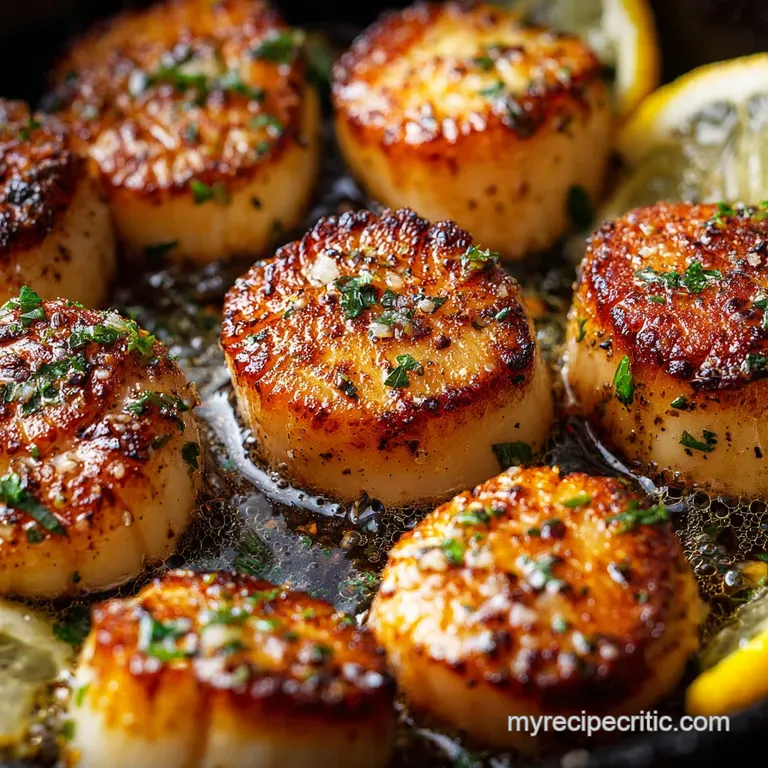
Buying the right seafood is half the battle. If you start with low and quality or poorly handled ingredients, no amount of technical skill will save them. This is especially true for delicate proteins like scallops.
What to Look For: Identifying Premium Wet vs. Dry Scallops
This is arguably the most critical shopping tip I can give you. When buying scallops, you will usually find two types: wet and packed and dry and packed.
| Type of Scallop | Description | Why It Matters for Searing |
|---|---|---|
| Wet and Packed | Treated with sodium tripolyphosphate (STP). They look super white. | They soak up water, which makes them heavier (and more expensive) and impossible to sear. They steam. Avoid these. |
| Dry and Packed | Untreated. They look slightly creamy or tan. | These are natural. They will easily dry out and give you the perfect golden and brown crust we want. Always buy these. |
If you can’t get dry and packed, be prepared to let those wet scallops sit on paper towels for several hours, replacing the paper repeatedly, hoping to draw out the excess chemical and bound moisture. Trust me, it’s worth asking your fishmonger for dry sea scallops.
Pantry Staples and Fresh Finishing Touches
The beauty of this quick dinner recipe is the simplicity of the supporting cast.
- Butter: Must be unsalted. We need to control the salt ourselves, and we don't want the salt content interfering with the browning process.
- Neutral Oil: You need oil with a high smoke point (like grapeseed, avocado, or canola) for the initial sear. Butter burns too quickly on high heat, so we start with oil, then bring in the butter for flavour later.
- Lemon: Use fresh. The zest adds volatile aromatic oils, and the juice adds necessary brightness to cut through the richness of the brown butter. Don’t even think about using bottled juice here.
- Parsley: Fresh, flat and leaf parsley is the best. It adds a necessary herbal, fresh note that keeps the dish light.
Required Tools: The Heavy and Bottomed Pan Advantage
I know some people think a pan is just a pan. It's not. Especially for searing.
CRITICAL WARNING: If you use a thin, cheap frying pan, the temperature will drop instantly when you add the cold scallops, and you will fail to get a sear. It’s an immediate recipe for disappointment.
You need a pan that retains heat beautifully. Cast iron is the gold standard for searing because once it's hot, it stays hot. A high and quality stainless steel pan is also excellent. I highly recommend using the largest pan you have so you can lay out the scallops without them touching.
Remember: crowding the pan is the enemy of the sear.
The Step and by-Step Guide to Pan and Seared Perfection
Okay, you’ve dried your scallops, you’ve got your beautiful butter ready, and your fresh parsley is chopped. Let's crack on with the cooking.
Preheating the Pan and Adding the Fat
Place your heavy and bottomed pan on high heat. Seriously, high. Give it a good three to four minutes to heat up completely. This ensures the entire cooking surface is evenly hot.
Once the pan is hot (you might see a slight haze rising from it), add your teaspoon of neutral oil. It should shimmer immediately that’s how you know it’s ready. Now, sprinkle that flaky sea salt and freshly cracked pepper liberally onto the scallops.
Don't season them too early or the salt will draw moisture back out.
Timing the Sear: Achieving the Ideal Internal Temperature
Carefully place the scallops into the shimmering oil. Place them down gently but confidently. You should hear a vigorous, satisfying sizzle. That sound is money.
This is the hardest part for most people: Do not touch them for 90 seconds to 2 minutes. Walk away if you have to. Resist the urge to poke, shake, or peek. We need that full time for the crust to develop and release naturally from the pan.
When you go to flip them (use tongs!), they should lift easily and reveal a deep, rich golden brown. That's the color of flavour.
Flip them. Now, we’re going to quickly transition the heat source and start the flavour infusion.
Building the Brown Butter Sauce Finish
Immediately reduce the heat to medium and low. Drop your cold cubes of unsalted butter and your smashed garlic cloves into the pan. Starting with cold butter helps us control the browning process more gently.
As the butter melts and foams, tilt the pan slightly. Use a spoon to gather the foaming, nutty butter (that's the beurre noisette starting) and continuously baste it over the scallops. This basting only takes 60 to 90 seconds.
While you baste, the scallops are finishing cooking through, absorbing that garlic and nutty depth.
How do you know they’re done? They should be mostly opaque but still feel slightly tender and springy if you gently press them. Pull them off the heat immediately. You want them white throughout, but still glistening and tender. Leaving them in the hot pan for even 30 seconds too long turns them rubbery.
Remove the scallops, then stir the lemon zest, lemon juice, and parsley right into the residual pan sauce. Spoon that glorious lemon butter scallops recipe mixture over the top and serve.
Beyond the Recipe: Expert Tips and Serving Suggestions
This beautiful seafood dish works equally well as a stunning appetizer or a light, sophisticated main course.
Creative Variations: Serving Scallops as a Main Course
If you are using this as a main course, you need something substantial underneath to balance the richness of the brown butter and the high protein content.
- Scallops and Pasta: Toss some linguine or angel hair pasta in the brown butter sauce immediately before plating the scallops. Add a tiny splash of the pasta water to emulsify the sauce. It makes a beautiful, rich, garlic butter scallops and pasta dish.
- The Saffron Base: A simple saffron risotto or a soft polenta (made with chicken or vegetable broth) provides a warm, creamy landing pad.
- Simple Salad: Place the scallops over a bed of slightly bitter greens, like arugula, dressed simply with olive oil and extra lemon juice.
Storage and Reheating Guidelines for Leftovers
Let’s be honest, leftovers are rare because pan seared scallops are so delicious. But if you do have a few, here is what you need to know:
Scallops are always best eaten immediately. Reheating is tricky because their high protein content makes them tough quickly.
- Storage: Store cooked scallops and the remaining sauce separately in airtight containers for up to 2 days.
- Reheating: Avoid the microwave (it guarantees rubber). Instead, heat a small amount of neutral oil and butter in a pan over medium heat. Flash and sear the scallops (30 seconds per side) just until warmed through, and then toss with the stored brown butter sauce. They will be slightly firmer than the first night, but still acceptable.
Perfect Pairings: Wines and Side Dishes to Complete the Meal
To enjoy this properly, you need sides that complement, not compete.
-
Side Dishes:
- Simple, steamed asparagus or haricots verts.
- Garlic roasted potatoes (small, crispy ones).
- A delicate pilaf or light rice dish.
- Wine Pairing: Look for wines that have good acidity to balance the richness of the brown butter. A crisp, unoaked Chardonnay, a Vermentino, or a classic Sauvignon Blanc (like Sancerre) works wonderfully. The brightness of the wine mirrors the lemon in the sauce.
Making It a Meal: Complementary Seafood and Chicken Alternatives
If scallops aren't in the budget or you can’t find quality dry and packed ones, don't ditch the technique. It's too good.
You can use this exact method (the drying, the high heat, the quick baste) for any high and quality, large seafood protein. Large jumbo shrimp (prawns) are an excellent substitute. They cook even faster (about 60 seconds per side), offering a great, fast, and healthy seafood alternative.
If you want a non and seafood option, chicken cutlets sliced thinly and pounded flat can also handle this kind of searing heat, giving you a similar quick dinner recipe profile, though you’d need to cook them slightly longer, maybe 2- 3 minutes per side, for safety.
Either way, that beautiful brown butter sauce is going to make it sing.
Recipe FAQs
My scallops always turn out pale and a bit rubbery, what's the trick to getting that proper deep crust?
Moisture is the absolute nemesis of a good sear, so if they’re pale, you probably didn't dry the scallops enough. Ensure they are bone dry (like the Sahara) and that the pan is truly screaming hot before they hit the fat; otherwise, they’ll steam rather than achieve that gorgeous Maillard reaction crust.
I’m worried about overcooking how can I tell when pan-seared Scallops are perfectly done?
A perfectly cooked scallop should be opaque white with a deep golden crust, but still retain a slight, glossy translucency right in the very centre. They should feel firm yet yielding when pressed gently with a finger, rather like the fleshy pad at the base of your thumb.
The fishmonger only had 'wet-packed' ones, will that ruin the recipe?
Not necessarily, but wet-packed scallops are pumped full of water and phosphates, which hinders searing. To counteract this, soak them in milk for 30 minutes, rinse thoroughly, and then dry them even more rigorously than usual before cooking.
I fancy mixing things up a bit are there any other quick sauces that pair well with the Scallops?
Absolutely! For something punchier than brown butter, a quick drizzle of sweet chilli and lime sauce provides a lovely kick, or try swapping the parsley for fresh basil and serving with a dash of balsamic glaze for a Mediterranean twist.
If I make too many, can I save these posh Scallops for lunch the next day?
While they are always best eaten straight from the pan, you can store leftovers in an airtight container in the fridge for up to two days. Reheat them very gently in a hot, dry pan or under a grill for 30 seconds, being careful not to turn them into rubber.
Pan Seared Scallops Brown Butter Sear
Ingredients:
Instructions:
Nutrition Facts:
| Calories | 330 kcal |
|---|---|
| Fat | 20 grams |
| Fiber | 0.5 grams |
