One Pan Chicken Veggie Bake: Crisp Skin & Veggies
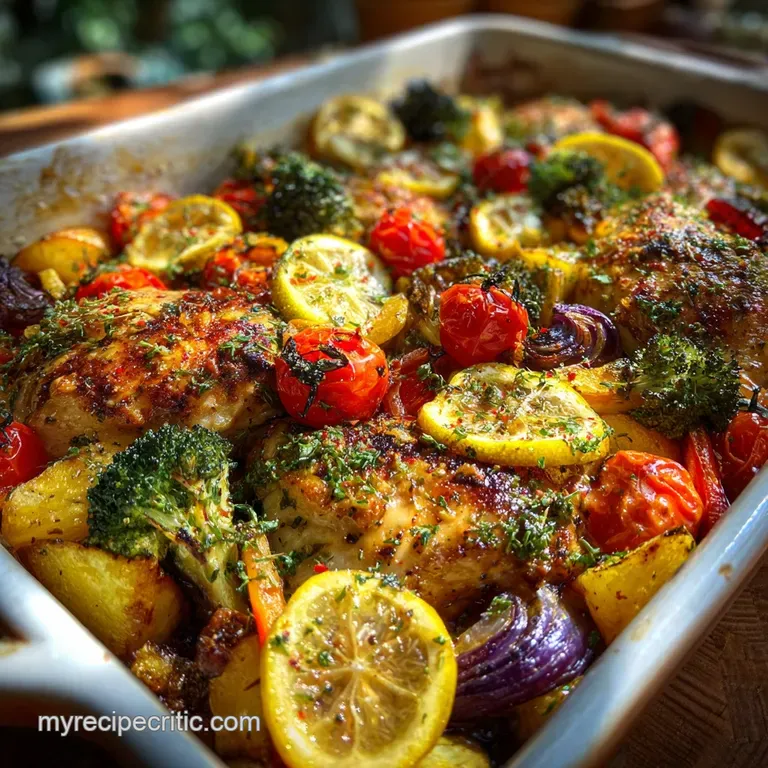
- Time: Active 15 minutes, Passive 35 minutes, Total 50 minutes
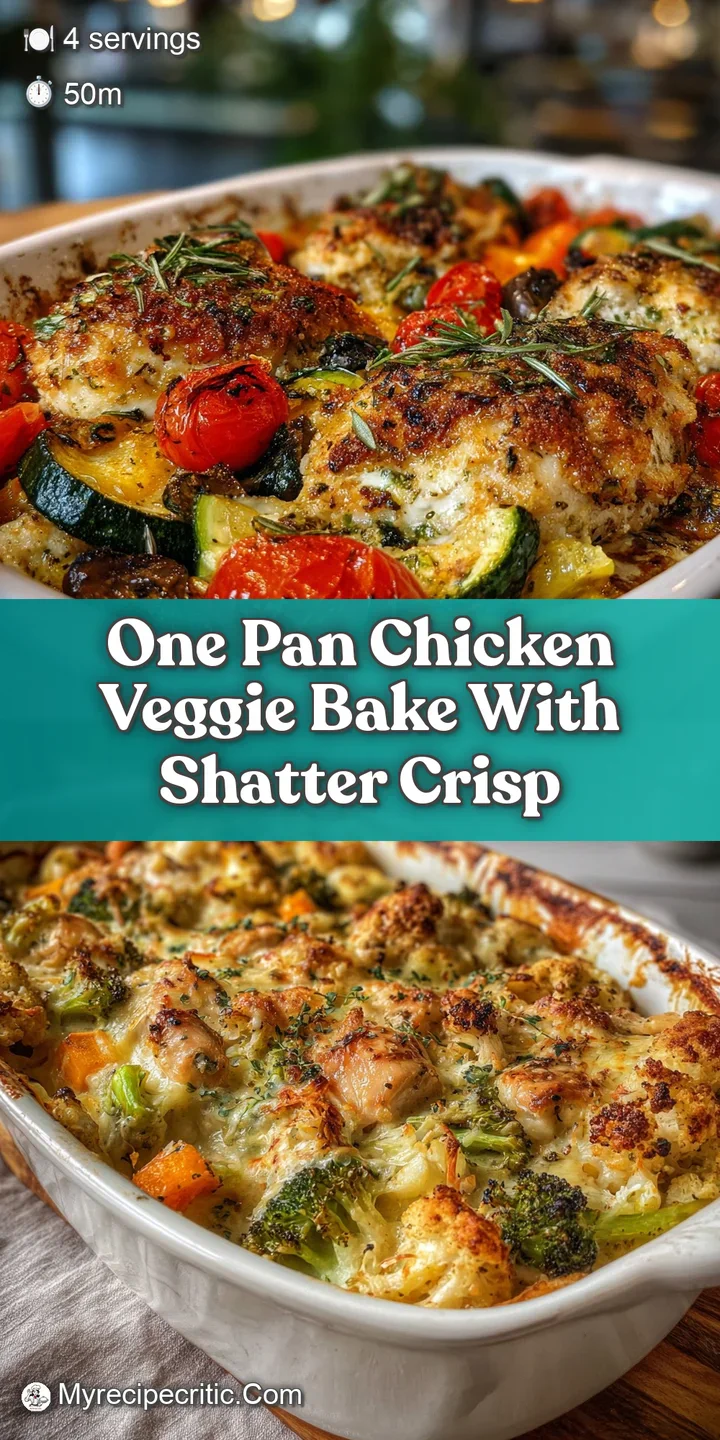
- Flavor/Texture Hook: Blistered peppers and shatter crisp chicken skin
- Perfect for: Busy weeknights or low effort meal prep
- The Best One Pan Chicken Veggie Bake
- Thermal Mass and Moisture Regulation
- Vital Recipe Performance Metrics
- Selecting Your Quality Components
- Necessary Tools for Success
- Step-by-Step Cooking Process
- Avoiding Common Roasting Mistakes
- Simple Flavorful Substitution Ideas
- Storage and Waste Management
- Serving Your Finished Dish
- Recipe FAQs
- 📝 Recipe Card
The Best One Pan Chicken Veggie Bake
I still remember the first time I realized that chicken fat is basically liquid gold. It was a rainy Tuesday, the kind where the sink is already full of breakfast dishes and the thought of cleaning three pans for one dinner felt like a personal attack.
I threw some halved potatoes and thick zucchini moons onto a rimmed sheet pan, nestled in a few bone in thighs, and prayed to the kitchen gods.
The sizzle that came out of the oven thirty minutes later was a revelation. As the chicken roasted, the fat rendered out and essentially shallow fried the potatoes directly on the metal tray. The red onions didn't just cook, they softened into jammy, sweet ribbons that clung to the broccoli florets.
It's the kind of meal that makes you feel like a genius for doing almost zero work.
You’re going to love how the smoked paprika and rosemary create this earthy, charred aroma that fills the whole house. There’s no fancy plating needed here, just the tray in the middle of the table and maybe a squeeze of lemon to cut through the richness.
Let’s get stuck into how to make this work every single time without ending up with a soggy mess.
Thermal Mass and Moisture Regulation
The Physics of the Roast: Dense potatoes require high thermal contact with the pan to soften, while high moisture zucchini needs rapid evaporation to prevent steaming.
By spacing ingredients correctly, we allow dry heat to circulate, ensuring the chicken fat fries the vegetables rather than boiling them.
| Thickness | Internal Temp | Rest Time | Visual Cue |
|---|---|---|---|
| 2.5 cm Thighs | 74°C | 5 minutes | Juices run clear |
| 1.5 cm Thighs | 74°C | 3 minutes | Skin pulls from bone |
| 3.5 cm Thighs | 74°C | 7 minutes | No pink at joint |
This dish relies on consistent heat distribution to ensure every component finishes at the same moment. If you're worried about the veggies finishing too early, remember that the chicken thighs act as a heat shield for the smaller bits tucked underneath them. This is quite different from the approach used in my Broccoli Casserole recipe, where we rely on a velvety sauce to conduct heat evenly.
Vital Recipe Performance Metrics
To get that restaurant quality char, we need to talk about rack position. I always place my rack in the upper third of the oven. This puts the chicken skin closer to the top heating element, which is the secret to getting that deep mahogany color without overcooking the meat inside.
1. Precision Doneness Checkpoints
I never guess when chicken is done. For this roast, you are looking for three specific markers. First, the 35 minutes cook time is your primary window. Second, an instant read thermometer should hit 74°C when inserted into the thickest part of the thigh without hitting the bone.
Finally, the potatoes should be "fork crushable," meaning they give way with zero resistance.
2. Sizing Your Vegetables
Consistency in chopping is your best friend here. If your potatoes are huge and your zucchini is thin, one will be raw while the other turns to mush. Aim for 2.5 cm (1 inch) chunks for the peppers and onions, and halve the baby Yukon Golds so the flat side makes direct contact with the pan.
3. Surface Area Strategy
Do not overcrowd the tray. If the vegetables are piled on top of each other, they will release steam, and you’ll end up with a soggy bake instead of a crisp roast. If you have a smaller oven, it is better to split this across two trays than to cram everything onto one.
This ensures the dry air can "scrub" the moisture off the surface of the food.
| Component | Science Role | Pro Secret |
|---|---|---|
| Skin on Thighs | Lipid source | Pat dry with paper towels |
| Yukon Gold Potatoes | Starch anchor | Place flat side down for crust |
| Extra Virgin Olive Oil | Heat conductor | Massage into every crevice |
| Kosher Salt | Protein denaturant | Season from 30 cm height |
The salt does more than just add flavor; it actually helps break down the surface proteins of the chicken, allowing the skin to crisp up more effectively. This is a similar logic to what you'll find when prepping the breading for a Homemade Chicken Parmesan recipe.
Selecting Your Quality Components
You'll need 680g (1.5 lbs) of bone in, skin on chicken thighs. Don't even think about using boneless breasts here; they’ll dry out long before the potatoes are tender. The bone acts as an insulator, keeping the meat succulent during the over high heat blast.
For the base, grab 475ml (2 cups) of baby Yukon Gold potatoes. I prefer these over Russets because they hold their shape and have a naturally buttery texture. You will also need one large red bell pepper, 240ml (1 cup) of sliced zucchini, and 240ml (1 cup) of broccoli florets.
The red onion (one small one) should be cut into thick wedges so they don't vanish into the pan drippings.
The flavor profile comes from 45ml (3 tbsp) of extra virgin olive oil mixed with three minced garlic cloves, 5g (1 tsp) of dried oregano, and 5g (1 tsp) of smoked paprika. Don't forget the fresh rosemary sprig. I like to strip the leaves and give them a rough chop to release those piney oils. If you want a deeper, smokier vibe, you could even try incorporating techniques from a Pulled Chicken in recipe.
Necessary Tools for Success
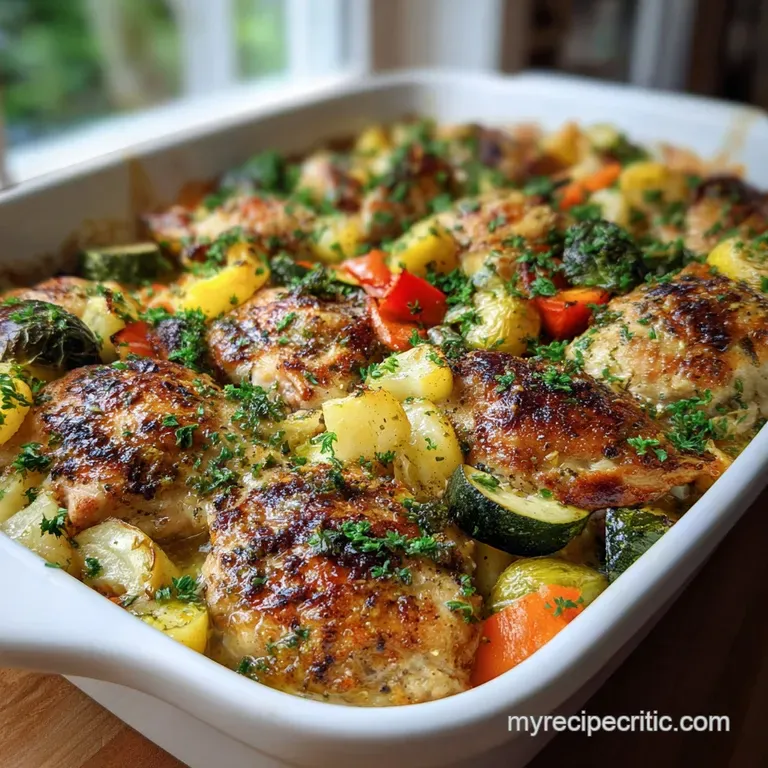
You really only need a large, rimmed sheet pan (approx 33x45 cm) for this. A heavy duty pan is better because thin trays tend to warp at 220°C, which can cause your oil to pool in the corners. I also highly recommend using a large mixing bowl to toss everything together before it hits the tray.
Chef Tip: Freeze your rosemary sprig for 5 minutes before chopping. It makes the leaves brittle and much easier to mince into fine bits that won't feel like pine needles in your mouth.
If you don't have a large enough bowl, you can toss everything directly on the tray, but it’s harder to get an even coating of the garlic and paprika that way. A pair of sturdy tongs will help you flip the chicken halfway through if you want absolute perfection, though it isn't strictly necessary.
step-by-step Cooking Process
Preheat your oven to 220°C (425°F). This high temperature is non negotiable for achieving the right texture. While that's heating, pat your 680g of chicken thighs bone dry with paper towels. Any moisture on the skin will turn to steam and ruin the crunch.
1. The Seasoning Phase
Whisk the olive oil, minced garlic, oregano, paprika, salt, and pepper in a small jar. This creates an emulsion that sticks better to the vegetables than just drizzling them individually.
2. Coating the Vegetables
Place the potatoes, peppers, zucchini, broccoli, and onion in your large bowl. Pour over two thirds of the oil mixture. Use your hands to massage the oil into the veg until every surface is glistening.
3. Preparing the Chicken
Rub the remaining oil mixture all over the chicken thighs, making sure to get some under the skin if possible. This seasons the meat directly and helps the skin render its fat faster.
4. Layout Strategy
Spread the vegetables onto the sheet pan in a single layer. Move some of the veg aside to create "nests" for the chicken thighs. Place the chicken skin side up in these spots.
5. The Roasting Stage
Slide the tray into the upper third of the oven. Roast for 35 minutes until the chicken skin is blistered and dark golden. You should hear a constant, aggressive sizzle from the pan.
6. The Tenderness Test
At the 30 minute mark, poke a potato with a sharp knife. It should slide in without any resistance. If the chicken is done but the potatoes are still firm, remove the chicken to a plate and give the veg another 5 minutes alone.
7. The Resting Period
Once out of the oven, let the tray sit for 5 minutes. This allows the juices in the chicken to redistribute. If you cut into it immediately, all that succulent moisture will end up on the tray instead of in your mouth.
8. The Final Toss
Before serving, I like to give the vegetables a quick stir through the rendered chicken fat on the bottom of the pan. It’s like a built in dressing that ties the whole meal together.
Avoiding Common Roasting Mistakes
The biggest enemy of a good sheet pan roast is "the steam." This happens when you have too much moisture or too little space. If your kitchen smells like boiled cabbage rather than roasted garlic, your heat is likely too low or your pan is too crowded.
Why Your Zucchini Is Mushy
Zucchini has a massive water content. If you slice it too thin, it dissolves into a watery mess before the potatoes even think about softening. Keep your slices at least 1.5 cm thick. This gives them enough "meat" to withstand the high heat while developing a nice charred edge.
| Problem | Root Cause | Solution |
|---|---|---|
| Rubbery Skin | Surface moisture | Pat chicken dry with paper towels |
| Hard Potatoes | Large pieces | Halve potatoes or pre microwave for 2 mins |
| Burnt Garlic | Added too early | Toss garlic with oil to coat fully |
Common Mistakes Checklist
- ✓ Forget to preheat the pan? You lose the initial sear on the potato bottoms.
- ✓ Using "light" olive oil? Use extra virgin for a higher smoke point and better flavor.
- ✓ Crowding the tray? Use two pans if the vegetables are overlapping.
- ✓ Skipping the rest? You'll lose the succulent juices that make the thighs so good.
- ✓ Not drying the chicken? The skin will be flabby rather than shatter crisp.
Simple Flavorful Substitution Ideas
The beauty of this recipe is that it’s a template. You can swap almost any vegetable as long as you consider the cook time. Harder vegetables like carrots or parsnips should be cut smaller, while softer things like asparagus should be added in the last 10 minutes of roasting.
| Original Ingredient | Substitute | Why It Works |
|---|---|---|
| Yukon Gold Potatoes | Butternut Squash | Similar density but adds a nutty sweetness |
| Red Onion | Shallots | Milder flavor that caramelizes faster |
| Smoked Paprika | Cumin & Chili | Shifts the flavor toward a Tex Mex profile |
If you want to keep things low carb, swap the potatoes for cauliflower florets. They roast beautifully and soak up the chicken fat just as well as the spuds do. Just keep in mind that cauliflower cooks faster than potatoes, so keep the florets large.
1. The Frozen Veggie Hack
If you are using frozen vegetables, do not thaw them first. Thawing makes them limp. Instead, toss them in oil while frozen and add them to the tray about 15 minutes into the chicken's cooking time. This prevents them from becoming a watery soup on your tray.
2. The Mediterranean Shift
Swap the oregano and rosemary for dried basil and thyme. Throw some pitted Kalamata olives and cherry tomatoes onto the tray in the last 10 minutes. The tomatoes will burst and create a natural sauce that is incredible with the chicken.
Storage and Waste Management
This bake keeps remarkably well in the fridge for up to 4 days. The flavors actually deepen overnight, though you will lose that initial crunch on the chicken skin. To reheat, avoid the microwave if you can.
A quick 10 minute blast in a 200°C oven or an air fryer will bring back most of that texture.
For zero waste, save any leftover chicken bones and the ends of your red onion and pepper. Throw them into a freezer bag. Once the bag is full, you can simmer everything with water to make a quick roasted vegetable stock. It’s a great way to squeeze every bit of value out of your grocery bill.
Serving Your Finished Dish
I usually serve this straight from the pan to keep the food hot, but if you're feeling fancy, a large platter looks stunning with the colors of the peppers and zucchini. A final sprinkle of flaky sea salt and some fresh parsley adds a pop of brightness that balances the smoky paprika.
If you find the dish a bit heavy, a dollop of Greek yogurt mixed with lemon juice and a pinch of salt makes a cooling side dip. The acidity cuts right through the richness of the roasted chicken skin. This is a meal that proves you don't need a sink full of dishes to eat like royalty.
If you want X, do Y:
- If you want a spicier kick, add a half teaspoon of red pepper flakes to the oil mix.
- If you want extra crispy potatoes, par boil them for 5 minutes before adding to the tray.
- If you want a one pan sauce, deglaze the hot tray with a splash of white wine after removing the food.
Recipe FAQs
Can I use boneless, skinless chicken breasts instead of thighs?
No, stick with bone-in thighs. Boneless breasts will dry out significantly before the dense potatoes reach tenderness at the required high heat.
How to prevent the vegetables from steaming instead of roasting?
Ensure ingredients are in a single, uncrowded layer. Overcrowding releases moisture faster than the oven heat can evaporate it, causing steaming rather than crisp roasting.
What is the ideal oven temperature for achieving shatter crisp chicken skin?
Roast at a minimum of 220°C (425°F). High heat is crucial because it rapidly renders the fat and dehydrates the skin surface, leading to that desirable crackle.
How to make sure the potatoes cook through at the same time as the chicken?
Cut potatoes into uniform 1 inch chunks and place them flat side down. The goal is maximum contact with the hot pan surface to conduct heat directly into the starch.
If I want a saucier finish, how can I incorporate moisture without sacrificing crispness?
Deglaze the hot pan with a splash of white wine after removing the food. This creates a quick pan sauce from the fond (the brown bits) without introducing excess liquid during the crucial high heat roasting phase.
Is it true I must use a heavy duty baking sheet for this high heat bake?
Yes, heavy duty pans are highly recommended. Thin, flimsy sheets can warp under the high heat, causing the oil to pool unevenly, which leads to some vegetables frying and others boiling.
How do I repurpose the leftover rendered chicken fat for future cooking?
Strain the cooled fat through a fine mesh sieve lined with cheesecloth into an airtight container. This purified fat, rich with chicken flavor, is perfect for sautéing potatoes or using in savory pastry dough, similar to how fat enhances flavor in our German Chicken Noodle Soup recipe.
One Pan Chicken Veggie Bake
Ingredients:
Instructions:
Nutrition Facts:
| Calories | 558 kcal |
|---|---|
| Protein | 29.8 g |
| Fat | 32.4 g |
| Carbs | 18.6 g |
| Fiber | 3.8 g |
| Sugar | 4.2 g |
| Sodium | 645 mg |
