No Yeast Cinnamon Rolls: Buttery Biscuit Texture
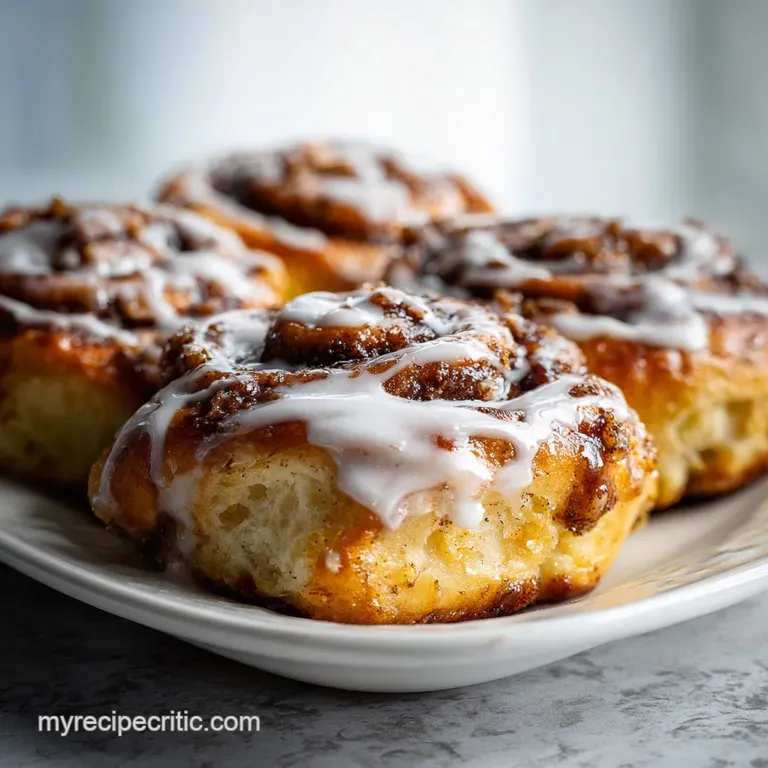
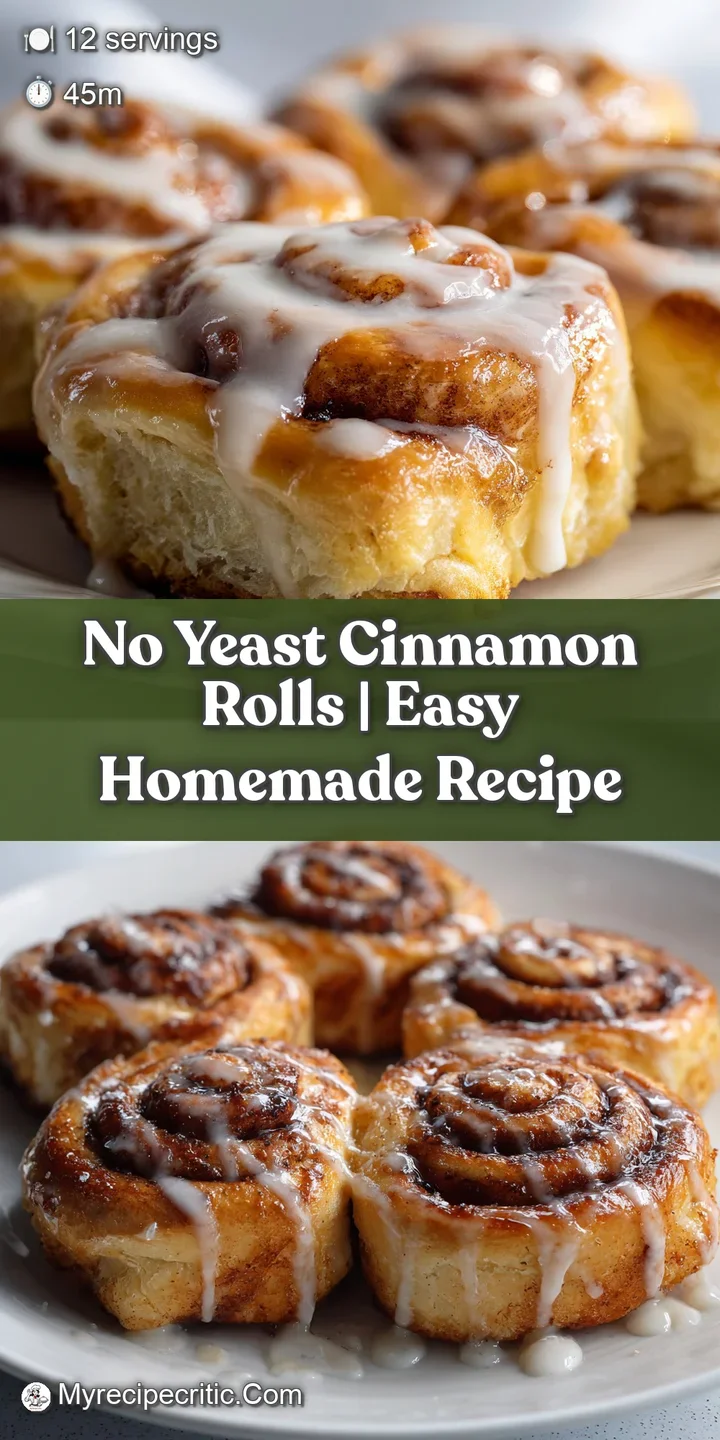
- Time: Active 20 minutes, Passive 25 minutes, Total 45 minutes
- Flavor/Texture Hook: Flaky, buttery layers with a velvety cream cheese finish
- Perfect for: Last minute brunch or a cozy weekend morning without the wait
- Perfectly Fluffy No Yeast Cinnamon Rolls
- The Science of Why it Works
- Component Analysis and Ingredient Roles
- Essential Ingredients and Smart Substitutions
- Step-by-Step Instructions for Success
- Troubleshooting Common Baking Hurdles
- Scaling Your Cinnamon Roll Batch
- Common Misconceptions About Yeastless Dough
- Storage Guidelines and Zero Waste
- No Yeast Cinnamon Rolls FAQs
- 📝 Recipe Card
Perfectly Fluffy No Yeast Cinnamon Rolls
Imagine waking up on a rainy Sunday morning and realizing you don’t have to wait three hours for dough to rise before you smell that intoxicating cinnamon aroma. That’s the beauty of these No Yeast Cinnamon Rolls.
While traditional recipes rely on the slow fermentation of yeast to create air, we’re using a chemical reaction that starts the moment the buttermilk hits the flour. It’s faster, it’s easier, and honestly, the texture is a delightful cross between a classic bun and a high end bakery scone.
I used to be a total yeast snob until I had a morning where my active dry yeast simply refused to bloom. I was devastated, but I started experimenting with baking powder ratios and realized that you can still get that incredible spiral without the stress of "is my kitchen warm enough?" This recipe is the result of those experiments.
It's about getting that comforting, warm from the oven treat onto your plate in under forty five minutes.
We’re going to build this dish in layers. First, we create a tender, tangy dough foundation. Then, we add a deep, spiced center using dark brown sugar and a hint of nutmeg. Finally, we finish with a velvet cream cheese glaze that melts into the warm crevices.
This isn't just a backup plan; it’s a legitimate contender for your favorite breakfast. Trust me, once you see how the dough texture behaves under your hands, you’ll be hooked.
The Science of Why it Works
Chemical Aeration: The combination of baking powder and baking soda reacts with the lactic acid in buttermilk to produce carbon dioxide bubbles instantly. This ensures the rolls expand and soften in the oven without a proofing period.
Acidic Tenderization: Buttermilk weakens the gluten strands in the all purpose flour, creating a crumb that is tender rather than chewy. This prevents the rolls from becoming tough or bread like despite the lack of yeast.
| Method | Total Time | Texture | Best For |
|---|---|---|---|
| No Yeast (This Recipe) | 45 minutes | Flaky and biscuit like | Quick cravings and beginners |
| Traditional Yeast | 3 hours | Airy and chewy | Classic bakery experience |
| Overnight Rise | 12 hours | Deep fermented flavor | Planned holiday brunches |
Choosing the right method depends entirely on your schedule, but the no yeast version offers a unique "shatter" to the outer crust that yeast based rolls often lack. If you find yourself enjoying the speed of this dough, you might also love how a Cinnamon Rolls recipe compares when you do have the time for a classic rise. But for today, we are all about that immediate gratification.
Component Analysis and Ingredient Roles
The secret to making no yeast cinnamon rolls that don't taste like heavy biscuits lies in how the ingredients interact. We aren't just mixing things together; we are creating a chemical environment where fat and acid do the heavy lifting.
The cold butter is particularly important here because it creates steam pockets as it melts in the heat of the oven.
| Ingredient | Science Role | Pro Secret |
|---|---|---|
| Whole Buttermilk | Provides acidity to trigger baking soda | Keep it ice cold to prevent the butter from melting prematurely. |
| Baking Powder | Primary leavening agent for vertical lift | Check the expiration date; old powder leads to flat, dense rolls. |
| Dark Brown Sugar | Adds moisture and deep molasses flavor | Pack it tightly to ensure a gooey, caramelized center. |
| Cream Cheese | Adds fat and tang to the glaze | Use full fat bricks for a velvety, stable texture that won't run off. |
The way these ingredients behave together is what creates that signature "crackle" on the edges while keeping the center soft. When the cold buttermilk hits the dry ingredients, it starts a timer. You want to get these into the oven while those bubbles are at their peak.
Essential Ingredients and Smart Substitutions
To get the best results, use high-quality all purpose flour and fresh spices. The dark brown sugar is a non negotiable for me because it has a higher molasses content, which contributes to a more "syrupy" interior.
However, I know life happens and the pantry isn't always fully stocked, so here are the swaps that actually work.
- 3 ¾ cups (470g) all purpose flour: Why this? Provides the structure needed to hold the cinnamon spiral.
- 3 tbsp (38g) granulated sugar: Why this? Feeds the browning process via the Maillard reaction.
- 2 tbsp (24g) baking powder: Why this? This is a high amount but necessary for yeast free lift.
- ½ tsp (3g) baking soda: Why this? Neutralizes the buttermilk and aids in browning.
- 1 tsp (6g) sea salt: Why this? Sharpens the sweetness of the filling and glaze.
- 6 tbsp (85g) unsalted butter, cold and cubed: Why this? Creates flaky layers within the dough texture.
- 1 ½ cups (355ml) whole buttermilk, cold: Why this? The acid reacts with leaveners for a tender crumb.
- 4 tbsp (57g) unsalted butter, very soft: Why this? Allows the cinnamon sugar to adhere to the dough.
- ¾ cup (150g) dark brown sugar, packed: Why this? Creates a rich, gooey caramel like filling.
- 1 ½ tbsp (12g) ground cinnamon: Why this? The star flavor profile of the recipe.
- 1 pinch nutmeg: Why this? Adds a professional, bakery style depth to the spice.
| Original Ingredient | Substitute | Why It Works |
|---|---|---|
| Whole Buttermilk | 1.5 cups milk + 1.5 tbsp lemon juice | Mimics the acidity needed to activate the baking soda. |
| Dark Brown Sugar | Light Brown Sugar | Similar sweetness. Note: Filling will be slightly less gooey/intense. |
| Cream Cheese | Greek Yogurt (thickened) | Provides a similar tang for the glaze but with less fat. |
If you’re looking for a different way to enjoy these flavors without the rolling process, my Cinnamon Roll Cookies recipe is a fantastic alternative for cookie lovers.
step-by-step Instructions for Success
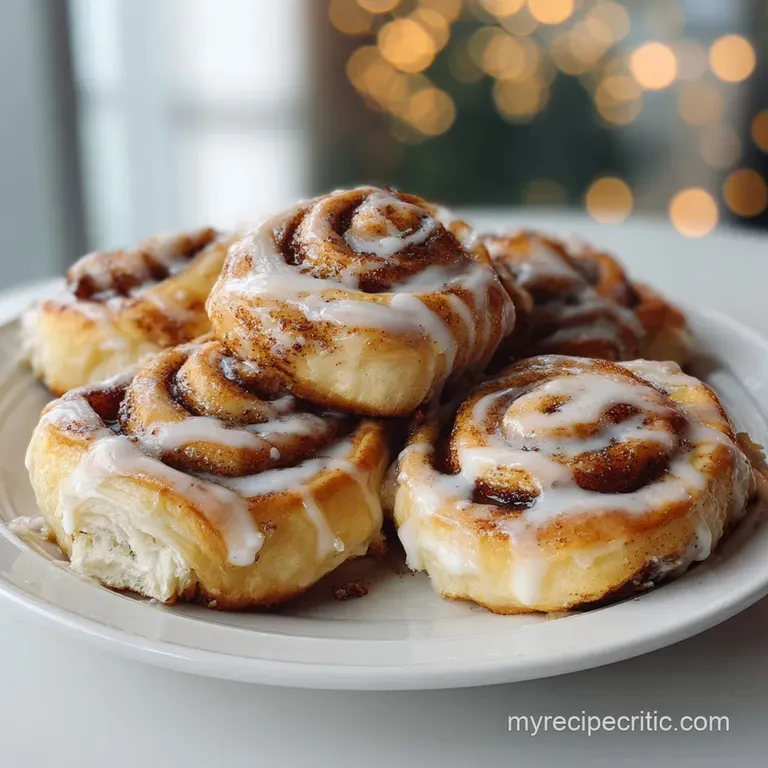
Preparing the Dry Foundation
Whisk the 470 grams of all purpose flour, granulated sugar, baking powder, baking soda, and sea salt in a large bowl. Ensure there are no clumps, especially with the baking powder, as a bite of pure leavener is quite unpleasant.
Integrating the Cold Fat
Cut the 85 grams of cold, cubed butter into the flour mixture using a pastry cutter or two forks. Work the mixture until it resembles coarse crumbs with some pea sized pieces of butter remaining. Note: These small bits of butter will create steam and layers during the bake.
Hydrating and Folding the Dough
Pour the 355 milliliters of ice cold buttermilk into the center of the flour. Use a wooden spoon to stir until a shaggy dough just begins to form. Do not overmix, or you will activate too much gluten and end up with tough rolls.
Rolling and Spiraling
Turn the dough onto a lightly floured surface and gently knead it two or three times just to bring it together. Roll it into a 12x18 inch rectangle. Spread the 57 grams of very soft butter across the surface, leaving a small margin at the edges.
Adding the Flavor Layer
Mix the dark brown sugar, cinnamon, and nutmeg in a small bowl. Sprinkle this mixture evenly over the buttered dough. Press down slightly with your hands so the sugar sticks to the butter and doesn't fall out when rolling.
Creating the Roll
Starting from the long edge, roll the dough tightly into a log. Use a sharp serrated knife or unflavored dental floss to slice the log into 12 even pieces. Note: Dental floss prevents the dough from being squashed during the cut.
Baking for the Crackle
Place the rolls in a greased 9x13 inch baking dish. Bake at 375°F for 25 minutes until the tops are golden brown and the sugar is bubbling. The kitchen should smell like a dream at this point.
Finishing with Velvet Glaze
While the rolls bake, beat the cream cheese, 2 tablespoons of soft butter, powdered sugar, vanilla, and milk until silky. Spread the glaze over the rolls while they are still warm so it seeps into the spirals.
Troubleshooting Common Baking Hurdles
Why Your Cinnamon Rolls Are Dense
If the rolls feel like bricks rather than clouds, the most likely culprit is overworking the dough. Because there is no yeast to provide elasticity, the gluten structure is much more fragile. Once you add the buttermilk, treat the dough like you would a biscuit or a pie crust gentle hands are key.
Why Your Filling Leaked Out
A little bit of sugar leakage is normal, but if your rolls are sitting in a pool of syrup and the middles are empty, your butter was likely too melted when you spread it. The butter acts as the glue for the sugar; if it's oily, the sugar just slides right out.
| Problem | Root Cause | Solution |
|---|---|---|
| Dry, crumbly dough | Not enough buttermilk or too much flour | Measure flour by weight (470g) and add buttermilk a tablespoon at a time if needed. |
| Raw, doughy centers | Oven temperature too high | Tent with foil and bake for 5 more minutes to allow centers to catch up. |
| Bitter aftertaste | Too much baking soda | Ensure measurements are level and the soda is thoroughly whisked into the flour. |
Common Mistakes Checklist
- ✓ Keep your buttermilk and dough butter ice cold to preserve those flaky layers.
- ✓ Avoid over kneading; stop the second the dough holds its shape.
- ✓ Use a serrated knife for slicing to keep the spirals beautiful and round.
- ✓ Don't skip the nutmeg it's the secret ingredient that makes them taste professional.
- ✓ Apply the glaze while the rolls are warm to ensure it reaches the bottom of the pan.
Scaling Your Cinnamon Roll Batch
If you are cooking for a crowd, you can easily double this recipe. However, be mindful of the leavening agents. When doubling, I suggest using 1.75x the amount of baking powder rather than a full 2x to avoid a metallic taste.
You will need two 9x13 pans; do not try to cram 24 rolls into one pan or the centers will never bake through.
For a smaller household, you can halve the recipe. Use a 9 inch round cake pan for the 6 rolls. Since the dough won't have the same mass, keep an eye on the oven around the 18 minute mark.
Halving the egg is tricky, but since this is a no yeast, no egg dough (per our ingredients list), it's actually much simpler to scale down than traditional recipes.
If you find yourself with leftovers and want to transform them into something totally different the next day, you might consider using them in a Cinnamon Roll French recipe for an incredible Monday morning treat.
| Servings | Pan Size | Flour Amount | Bake Time |
|---|---|---|---|
| 6 Rolls | 9 inch Round | 235g (approx. 1 7/8 cups) | 18-22 minutes |
| 12 Rolls | 9x13 Rectangular | 470g (3 3/4 cups) | 25 minutes |
| 24 Rolls | Two 9x13 Pans | 940g (7 1/2 cups) | 28-30 minutes |
Common Misconceptions About Yeastless Dough
A common myth is that no yeast rolls are just "cinnamon biscuits." While the method is similar to biscuit making, the ratio of sugar in the dough and the heavy duty filling creates a much softer, more decadent crumb.
The addition of baking soda alongside the powder specifically helps with the browning and "behave" of the dough, giving it a more traditional bun like appearance.
Another misconception is that you can't get "the pull" with no yeast dough. While you won't get the long, stretchy gluten strands of a brioche, you can achieve a very satisfying "peel" if you roll the dough thin enough and use plenty of butter in the filling.
The layers should separate easily, offering a texture that is both tender and slightly crisp on the edges.
Storage Guidelines and Zero Waste
These rolls are at their absolute peak within twenty minutes of leaving the oven. However, if you have leftovers, store them in an airtight container at room temperature for up to 2 days. To reheat, microwave for 15 seconds to soften the glaze and refresh the crumb.
I don't recommend the fridge, as it tends to dry out chemically leavened breads faster.
For long term storage, you can freeze the baked, unglazed rolls for up to 2 months. Wrap them individually in plastic wrap and then foil. When the craving hits, thaw them at room temperature and warm them in a 300°F oven for 10 minutes before glazing.
Zero Waste Tip: If you have scraps of dough from trimming the edges, don't toss them! Roll them into small balls, toss them in the leftover cinnamon sugar, and bake them alongside the rolls as "cinnamon donut holes." Also, if you find yourself with extra buttermilk, it freezes beautifully in ice cube trays for your next batch of No Yeast Cinnamon Rolls.
No Yeast Cinnamon Rolls FAQs
What can you use instead of yeast in cinnamon rolls?
Baking powder and baking soda are your best bet. These chemical leaveners react with acidic ingredients like buttermilk to create carbon dioxide bubbles, making the dough rise without yeast. This is the core principle behind recipes like these no yeast cinnamon rolls.
What is the best dough for no-yeast rolls?
A dough using baking powder and buttermilk is ideal. This combination provides the necessary lift and tenderness for a biscuit like, flaky texture that works exceptionally well for no-yeast cinnamon rolls. It ensures a quick rise and a soft interior.
What happens if you make bread without yeast?
The bread won't rise properly or develop the characteristic chewy texture. Yeast produces carbon dioxide through fermentation, which creates air pockets and flavor. Without it, the bread will be dense and flat, unless chemical leaveners like baking powder are used, as in our Bread Buns Recipe: Fluffy and Pillowy Soft.
How do you get bread to rise without yeast?
Utilize chemical leaveners such as baking powder and baking soda. These ingredients react with moisture and heat (or acidic components in the batter) to produce carbon dioxide gas, which causes the dough to expand. This is how recipes for quick breads and muffins achieve their rise.
Can I use baking soda as the sole leavener for cinnamon rolls?
No, baking soda alone is not sufficient for most cinnamon roll recipes. Baking soda requires an acid (like buttermilk or vinegar) to activate and produce gas. While it aids in browning and acts as a leavener when paired with an acid, baking powder is usually needed for the primary lift in rolls.
Is the texture of no-yeast cinnamon rolls different from traditional ones?
Yes, the texture is notably different. No-yeast rolls, relying on baking powder, tend to have a more tender, biscuit like, or scone like crumb with a slightly crisp edge. Traditional yeast leavened rolls are typically airier, chewier, and have a more elastic structure.
What makes the filling for no-yeast cinnamon rolls stay put?
Using softened butter to adhere the sugar mixture is key. When you spread soft butter over the rolled out dough, the cinnamon sugar mixture sticks to it. For an extra flavorful and gooey center, consider using a cinnamon butter recipe: Copycat Steakhouse Sweet Spread as your filling base.
No Yeast Cinnamon Rolls
Ingredients:
Instructions:
Nutrition Facts:
| Calories | 418 kcal |
|---|---|
| Protein | 5.8 g |
| Fat | 16.2 g |
| Carbs | 64 g |
| Fiber | 1.6 g |
| Sugar | 33 g |
| Sodium | 385 mg |
