Mushroom Goat Cheese Flatbread: Earthy & Tangy
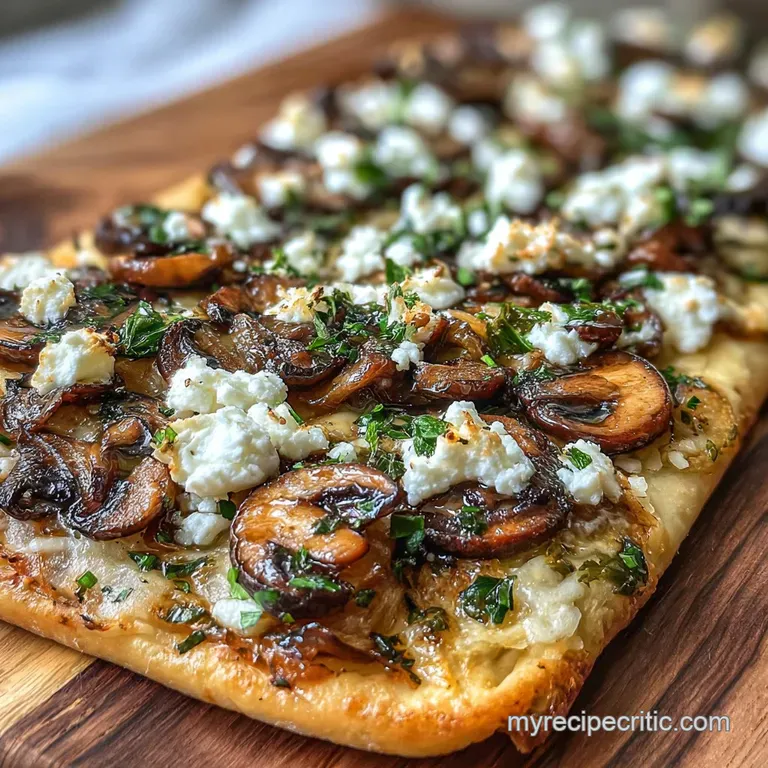
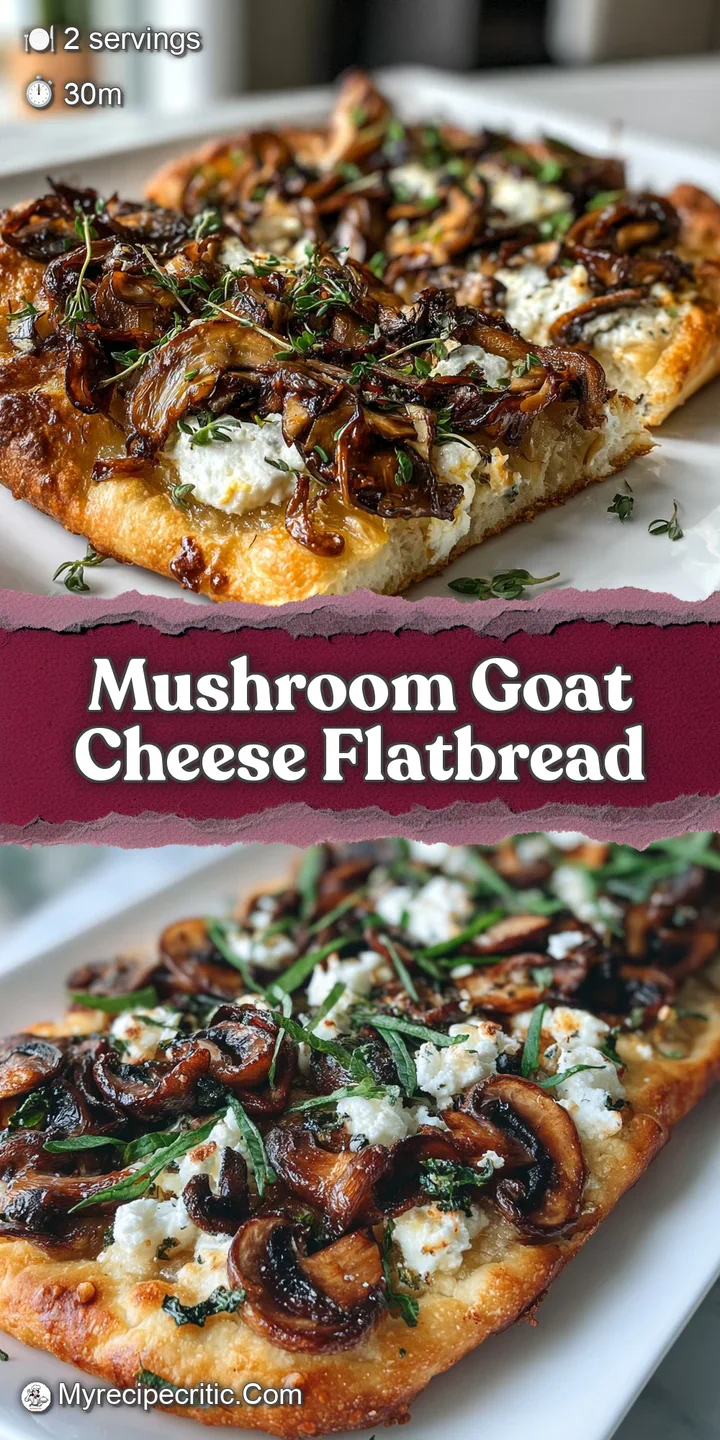
- Time: Active 15 minutes, Passive 15 minutes, Total 30 minutes
- Flavor/Texture Hook: Earthy wild mushrooms and tangy goat cheese atop a shatter crisp base.
- Perfect for: An elegant weeknight dinner or a quick weekend brunch.
- Creating the Ultimate Mushroom Goat Cheese Flatbread
- Culinary Secrets Behind This Savory Balance
- Component Analysis for Optimal Flavor
- Fresh Elements and Clever Pantry Swaps
- Tools Required for the Perfect Crunch
- Step by Step Prep and Execution
- Solving Common Flatbread Texture Mistakes
- Creative Flavor Profiles and Dietary Adjustments
- Fridge Life and Waste Prevention Tips
- Pairing Suggestions for a Complete Meal
- High in Sodium
- Recipe FAQs
- 📝 Recipe Card
Creating the Ultimate Mushroom Goat Cheese Flatbread
The first time I attempted this, the kitchen smelled like a damp forest in the best way possible. I had a handful of mixed shiitake and cremini mushrooms that were about to see better days, and a log of goat cheese hidden behind a jar of pickles.
I remember the high pitched sizzle as the mushrooms hit the hot olive oil, immediately releasing that deep, woodsy aroma that makes your mouth water before the food even hits the plate.
I used to think flatbreads were just lazy pizzas, but I was wrong. It is about the ratio. When you get that thin, crisp foundation topped with the velvety tang of goat cheese and the bite of fresh arugula, it’s a completely different experience.
It’s light, it’s sophisticated, and it doesn’t leave you feeling like you need a three hour nap afterward. This specific version is my absolute favorite because the balsamic glaze cuts through the richness of the cheese like a sharp knife.
Trust me on this: the secret is all in the mushroom sear. If you crowd the pan, they’ll steam and turn rubbery. But if you give them space to breathe, they’ll develop these golden, crispy edges that provide so much umami.
We are going for a texture that has a distinct "shatter" when you bite into it, followed by the soft, creamy yielding of the toppings.
Culinary Secrets Behind This Savory Balance
Understanding the interaction between moisture and heat is what separates a soggy flatbread from a restaurant quality one. Mushrooms are roughly 90% water, and if that water isn't managed correctly, it will soak into your crust, ruining the structural integrity of the dish.
- Maillard Reaction: High heat causes the proteins and sugars in the mushrooms to brown, creating a savory depth that raw or steamed mushrooms lack.
- Fat Emulsification: The extra virgin olive oil coats the mushroom fibers, carrying the garlic and thyme flavors deep into the tissue during the searing process.
- Acidic Brightness: Goat cheese contains capric acid, which provides a sharp tang that prevents the earthy mushrooms and sweet onions from feeling too heavy on the palate.
- Hygroscopic Balance: The sea salt draws out just enough moisture from the mushrooms during the final seconds of cooking to concentrate their natural sugars.
| Cooking Method | Prep Time | Resulting Texture | Best For |
|---|---|---|---|
| Pre heated Stone | 15 mins | Shatter crisp bottom | Authentic bistro feel |
| Sheet Pan | 5 mins | Evenly golden | Easy weeknight cleanup |
| Cast Iron Skillet | 10 mins | Chewy with charred edges | Maximum umami depth |
Using a pre heated surface is a non negotiable step if you want that professional finish. Much like the technique I use in my Classic French Bread recipe, the initial burst of heat is what sets the crust before the toppings can release any moisture.
Component Analysis for Optimal Flavor
Every ingredient in this Mushroom Goat Cheese Flatbread serves a specific functional purpose. We aren't just adding things for the sake of it; we are building a profile that hits every part of the tongue salty, sweet, sour, and bitter.
| Ingredient | Science Role | Pro Secret |
|---|---|---|
| Wild Mushrooms | Umami Source | Don't salt until the very end to ensure a golden sear. |
| Goat Cheese | Acidic Creaminess | Freeze for 10 minutes before crumbling for clean chunks. |
| Caramelized Onions | Sweet Contrast | Use low and slow heat to develop natural maltose. |
| Balsamic Glaze | Flavor Anchor | Drizzle in a "Z" pattern to ensure even distribution. |
Selecting the right mushrooms is also key. While white button mushrooms work in a pinch, the combination of cremini and shiitake adds a layer of complexity that transforms the dish from "good" to "unforgettable." The shiitakes, in particular, have a buttery texture that pairs beautifully with the goat cheese.
Fresh Elements and Clever Pantry Swaps
While the original list is designed for a specific flavor profile, I know what it’s like to be halfway through a recipe only to realize the goat cheese is gone. Here is the exact shopping list you’ll need, followed by some smart substitutions that won't ruin the meal.
- 300g wild mushrooms (cremini, shiitake, or oyster): Thinly sliced. Why this? Provides the primary meaty texture and earthy base.
- Substitute: Portobello mushrooms, sliced thin.
- 1 tbsp fresh thyme leaves: Stripped from the stem. Why this? Thyme and mushrooms are a classic aromatic pairing.
- Substitute: 1 tsp dried thyme (use less as it's more concentrated).
- 2 cloves garlic: Microplaned. Why this? Microplaning allows the garlic to melt into the oil without burning.
- Substitute: 0.5 tsp garlic powder mixed with the oil.
- 2 tbsp high-quality extra virgin olive oil: For sautéing. Why this? Adds a peppery finish and prevents sticking.
- Substitute: Unsalted butter for a richer, nuttier flavor.
- 250g flatbreads or naan (2 large rectangular pieces): The foundation. Why this? Naan provides a soft interior with a crispy exterior.
- Substitute: store-bought pizza dough rolled very thin.
- 115g goat cheese log: Crumbled. Why this? Provides the signature tang and creamy mouthfeel.
- Substitute: Feta cheese (saltier) or Ricotta (milder).
- 0.5 cup caramelized onions: Jammy and sweet. Why this? Balances the salt of the cheese and earthiness of mushrooms.
- Substitute: Red onion marmalade or fig jam.
- 30g fresh arugula: Added after baking. Why this? Adds a peppery, fresh crunch to finish.
- Substitute: Fresh baby spinach or microgreens.
- 1 tbsp balsamic glaze: Syrupy and tart. Why this? Ties all the components together with acidity.
- Substitute: Honey mixed with a splash of apple cider vinegar.
- 0.5 tsp sea salt & 0.25 tsp cracked black pepper: Essential seasoning.
Tools Required for the Perfect Crunch
You don't need a high end pizza oven to make this work, but a few specific tools will make your life significantly easier. I highly recommend using a heavy duty baking sheet or, if you have one, a pizza stone. The goal is heat retention.
For the mushrooms, a wide stainless steel or cast iron skillet is better than non stick. Non stick pans don't allow for the same level of browning because they don't hold heat as aggressively.
You also want a microplane for the garlic; it turns the cloves into a paste that coats every slice of mushroom evenly, rather than having big chunks of garlic that might burn and turn bitter.
Finally,, a good pair of kitchen shears is my "cheat code" for serving flatbread. It’s often much easier to snip through the crispy edges and soft toppings with shears than it is to use a rolling pizza cutter, which can sometimes drag the cheese and arugula right off the bread.
step-by-step Prep and Execution
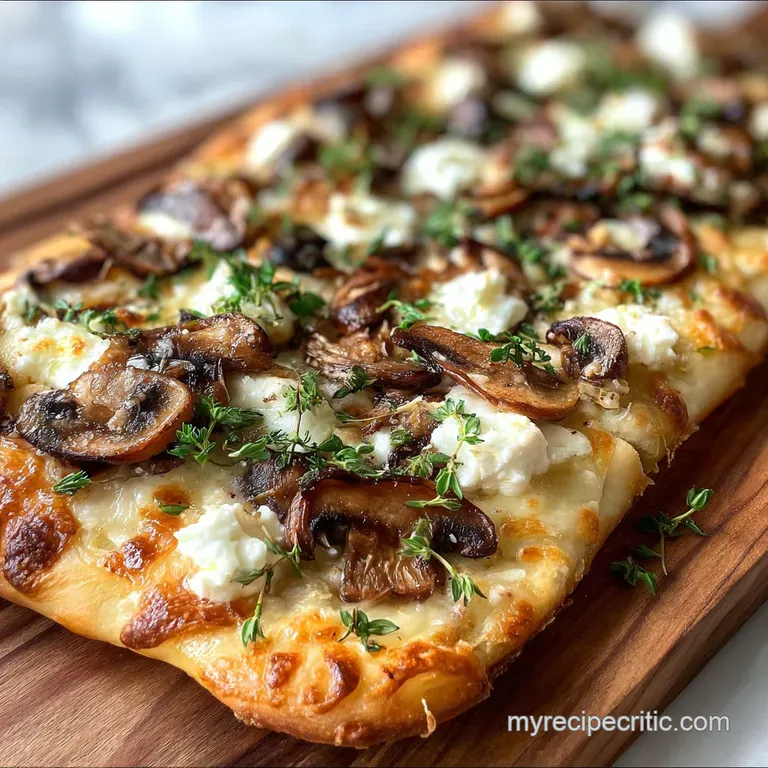
The flow of this recipe is just as important as the ingredients. You want to have the mushrooms ready right as the oven hits its peak temperature so everything stays hot and fresh.
- Preheat the oven to 425°F (220°C). Place your baking sheet inside while it heats. Note: This ensures the flatbread starts crisping the second it touches the pan.
- Sauté the mushrooms. Heat 1 tbsp of olive oil in a large skillet over medium high heat until it shimmers.
- Sear until golden. Add the 300g of sliced mushrooms. Cook for 5-7 minutes without moving them too much until they are deeply browned and sizzle.
- Aromatize the base. Stir in the microplaned garlic and 1 tbsp of fresh thyme. Cook for 1 minute until the garlic is fragrant but not brown.
- Prep the flatbread. Brush the 250g of flatbread with the remaining olive oil and season with a pinch of sea salt.
- Layer the toppings. Spread the 0.5 cup of caramelized onions evenly across the bread, then top with the sautéed mushrooms.
- Add the tang. Crumble the 115g of goat cheese over the top in various sizes. Note: Different sizes create a mix of melted and toasted cheese pockets.
- Bake the flatbread. Slide the assembled bread onto the hot baking sheet and bake for 8-10 minutes until the edges are golden and the cheese is soft.
- The fresh finish. Remove from the oven and immediately top with the 30g of fresh arugula.
- Final drizzle. Finish with the 1 tbsp of balsamic glaze and the cracked black pepper.
Chef's Tip: If your mushrooms are releasing too much liquid in the pan, turn the heat up slightly and don't add the salt until they are already browned. Salt draws out moisture, and adding it too early will result in boiled mushrooms rather than seared ones.
Solving Common Flatbread Texture Mistakes
Even the simplest recipes can go sideways if you aren't careful. The most common complaint I hear is that the middle of the flatbread turned out "doughy" while the edges were burnt. This is almost always a temperature or layering issue.
Managing Moisture in Toppings
The caramelized onions and mushrooms both carry residual moisture. If you notice your flatbread looks wet in the center, it’s likely because the mushrooms weren't cooked down enough in the skillet. You want them to look nearly dry before they ever touch the bread.
Achieving Optimal Cheese Melt
Goat cheese doesn't melt in the same way mozzarella does; it softens and becomes creamy rather than stretchy. If you find it’s staying too firm, your oven might not be hot enough, or the cheese might be too dry.
Try to use a log of goat cheese rather than pre crumbled varieties, as the latter are often coated in potato starch to prevent sticking, which also prevents melting.
| Problem | Root Cause | Solution |
|---|---|---|
| Soggy Center | Mushrooms were steamed, not seared | Sauté mushrooms in a wider pan to allow evaporation. |
| Burnt Edges | Oven rack is too high | Move the baking sheet to the middle rack. |
| Lack of Flavor | Garlic was added too early | Add garlic only in the last 60 seconds of sautéing. |
- ✓ Pat your mushrooms dry with a paper towel before slicing (never soak them in water).
- ✓ Preheat your baking sheet for at least 10 minutes before assembly.
- ✓ Keep the caramelized onion layer thin; too much sugar will make the crust soft.
- ✓ Add the arugula only after taking the bread out of the oven to prevent wilting.
Creative Flavor Profiles and Dietary Adjustments
This Mushroom Goat Cheese Flatbread is a fantastic canvas for experimentation. Depending on the season or who you are serving, you can easily pivot the flavors.
If you are looking for a more indulgent version, you can drizzle a bit of Cheese Sauce Ready recipe over the mushrooms before adding the goat cheese. It adds a silky texture that contrasts beautifully with the crisp base.
Variations for Every Occasion
- The Truffle Twist: Use truffle infused olive oil for the final drizzle instead of balsamic glaze to lean into the woodsy mushroom notes.
- The Protein Boost: Add some thinly sliced prosciutto or crispy pancetta during the last 3 minutes of baking.
- The Spicy Kick: Sprinkle red pepper flakes or a drizzle of hot honey over the finished arugula.
Adapting for Dietary Needs
Scaling this recipe is straightforward. If you are serving a crowd, you can double the ingredients and bake them on two separate large sheet pans. Just remember to rotate the pans halfway through to ensure even browning.
For a smaller portion, you can easily halve the recipe, though I find that leftovers are rarely an issue because this disappears fast.
| Serving Size | Mushroom Amount | Cheese Amount | Pan Size |
|---|---|---|---|
| 1 Person | 150g | 60g | Small Toaster Tray |
| 2 People | 300g | 115g | Standard Baking Sheet |
| 4 People | 600g | 230g | Two Large Sheet Pans |
Fridge Life and Waste Prevention Tips
In the unlikely event that you have leftovers, they can be stored in the fridge for up to 2 days. However, the arugula will wilt and become slimy if stored on the bread. If you're planning on having leftovers, only top the portion you’re eating immediately with the greens.
Reheating Strategy: Do not use the microwave! It will turn your beautiful crust into a rubbery mess. Instead, place the leftover Mushroom Goat Cheese Flatbread in a cold skillet, cover it with a lid, and turn the heat to medium low. This reheats the toppings while re crisping the bottom.
It usually takes about 5 minutes to get it back to its original glory.
- Mushroom Stems
- Don't throw them away! Even if they are too woody for the flatbread, save them in a bag in the freezer for making a rich vegetable stock later.
- Leftover Goat Cheese
- If you have a bit of the log left, whisk it into your morning scrambled eggs or use it as a base for a Small Batch Green recipe to add a tangy twist to the mushroom sauce.
- Onion Liquid
- The leftover oil/juices from the caramelized onions are liquid gold. Toss some roasted potatoes in it for a huge flavor boost.
Pairing Suggestions for a Complete Meal
While this dish is substantial enough to stand alone, I love serving it with a bright, acidic side to balance the richness of the cheese. A simple lemon vinaigrette salad or even some roasted asparagus works wonders.
The beauty of this flatbread is its versatility. It works as a fancy appetizer cut into small squares for a party, or as a full dinner when paired with a bowl of tomato soup. Because it takes only 30 minutes from start to finish, it has become my go to "I don't want to cook but I want to eat well" meal.
Don't be afraid to get a little messy with the toppings. The best flatbreads are the ones where the goat cheese is slightly charred in spots and the mushrooms are falling off the edges. It’s supposed to be rustic, homey, and incredibly satisfying.
Enjoy the process of browning those mushrooms it’s the most meditative part of the whole recipe!
High in Sodium
840 mg mg of sodium per serving (37% % of daily value)
The American Heart Association recommends limiting sodium intake to no more than 2,300mg per day.
Tips to Reduce Sodium in Your Flatbread
-
Lower Sodium Cheese-15%
Goat cheese can be high in sodium. Substitute with a lower sodium ricotta cheese or a fresh mozzarella, both of which have significantly less sodium. This can result in up to a 15% sodium reduction.
-
Homemade Caramelized Onions-10%
Pre-made caramelized onions can contain added salt. Making your own allows you to control the sodium content. Reduce sodium by as much as 10%.
-
Reduce Added Salt-25%
Eliminate or greatly reduce the 0.5 tsp of sea salt added to the recipe. Taste the dish after cooking to check if salt is even needed. This simple change can lower sodium by 25%.
-
Herb Power!
Enhance the flavor of your flatbread with more fresh herbs like rosemary, parsley, or oregano. These add flavor without any sodium.
-
Balsamic Glaze Reduction-5%
Use balsamic vinegar instead of glaze. Balsamic glaze often has added sodium, while balsamic vinegar provides similar sweetness and acidity with less sodium, leading to a 5% sodium reduction.
Recipe FAQs
Can I substitute the goat cheese with another cheese?
Yes, feta or ricotta are good substitutes. Feta offers more saltiness, while ricotta is milder and creamier; both contrast nicely with the earthy mushrooms.
How to ensure the flatbread crust is crispy and not soggy?
Preheat your baking sheet in the oven first. Placing the dough onto a screaming hot surface immediately sets the bottom crust, preventing moisture transfer from the toppings.
Is it true that I must sear the mushrooms before adding them to the flatbread?
No, this is a common misconception. Searing concentrates their umami flavor and evaporates excess water; unseared mushrooms will steam and yield a soggy texture.
How to properly reheat leftover flatbread without making it chewy?
Reheat in a dry skillet over medium low heat. Cover the skillet to trap steam which softens the toppings while the direct heat re-crisps the base.
Can the onions be prepared ahead of time?
Yes, caramelize the onions up to four days in advance. Store them tightly covered in the refrigerator, which speeds up the final assembly time significantly.
How to achieve the depth of flavor present in the caramelized onions?
Cook the onions slowly over low heat for at least 25 minutes. This process of low, slow cooking breaks down the complex sugars, similar to the flavor development achieved in an Authentic DeliStyle Rye recipe.
What kind of flatbread base works best for this recipe?
Naan bread provides the ideal balance of interior softness and exterior crispness. You can also roll out store-bought pizza dough very thinly for a similar result.
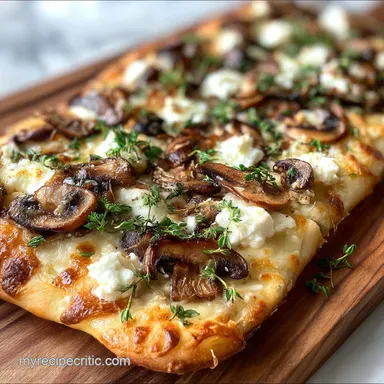
Mushroom Goat Cheese Flatbread
Ingredients:
Instructions:
Nutrition Facts:
| Calories | 628 kcal |
|---|---|
| Protein | 21.5 g |
| Fat | 27.4 g |
| Carbs | 74.8 g |
| Fiber | 4.6 g |
| Sugar | 10.8 g |
| Sodium | 840 mg |
