Italian Lemon Cake: the Zesty, Moist Drizzle Torta Al Limone Recipe
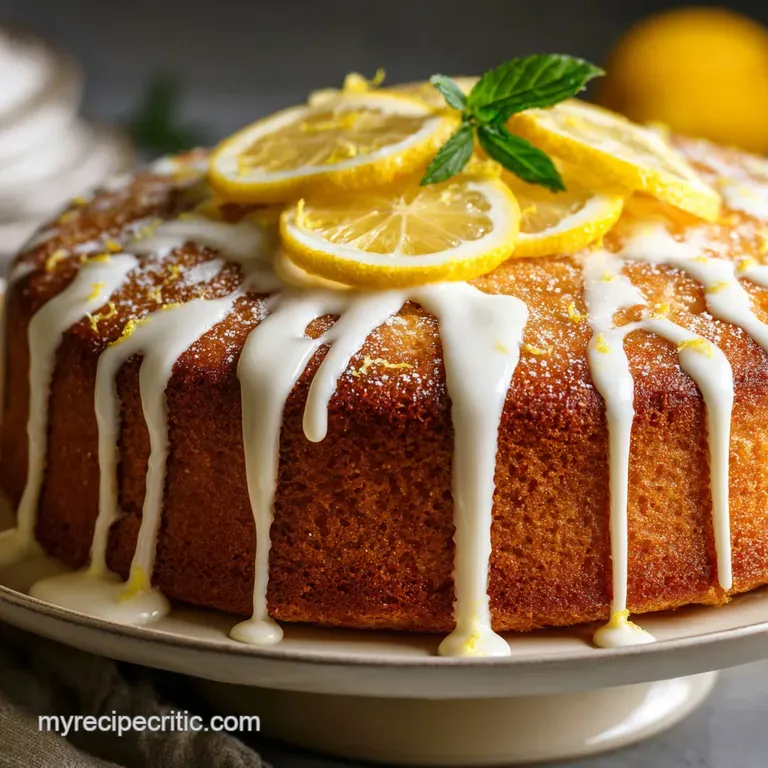
- Capturing the True Taste of Torta al Limone
- Why This Italian Lemon Cake is Your New Go and To Recipe
- Mastering the Essential Ingredient Ratios
- Preparing Your Kitchen for the Ultimate Italian Lemon Cake
- Step and by-Step Method for the Cake Body
- The Critical Transformation: Baking and Drenching
- Extending Shelf Life and Proper Storage Methods
- Essential Troubleshooting for Dense Cakes
- Recipe FAQs
- 📝 Recipe Card
Capturing the True Taste of Torta al Limone
You know how sometimes you eat a lemon dessert and it’s… fine? Maybe a little dry, maybe the lemon flavor just tastes like perfume, not actual sunshine? Yeah, I’ve been there. I’ve baked those cakes.
(One time, I tried to sub apple sauce for butter and the resulting brick could have been used to anchor a boat.)
But then I went deep into Italian baking, specifically the incredible, almost absurdly large lemons they grow on the Amalfi Coast. That’s the feeling we’re chasing with this recipe: intense, zesty, ridiculously moist, and absolutely unforgettable. This isn't just a standard drizzle cake.
This is Torta al Limone . It’s sophisticated. It’s simple. It’s what you deserve.
Why This Italian Lemon Cake is Your New Go and To Recipe
The secret to why this recipe consistently beats every other lemon cake I’ve ever tried and trust me, I’ve tried dozens is twofold: the quality of the zest incorporated directly into the batter, and the crucial step of drenching the warm cake with hot syrup.
It sounds almost aggressively sweet, but the acidity of the fresh lemon juice balances it out perfectly. It creates this beautiful, dense, almost saturated crumb that never, ever gets dry.
The Secret to an Ultra and Moist Crumb
We aren't relying on oil or ricotta here (though those are great too, in other recipes). We are relying on immediate saturation. As soon as the cake comes out of the oven, its internal structure is porous and pliable.
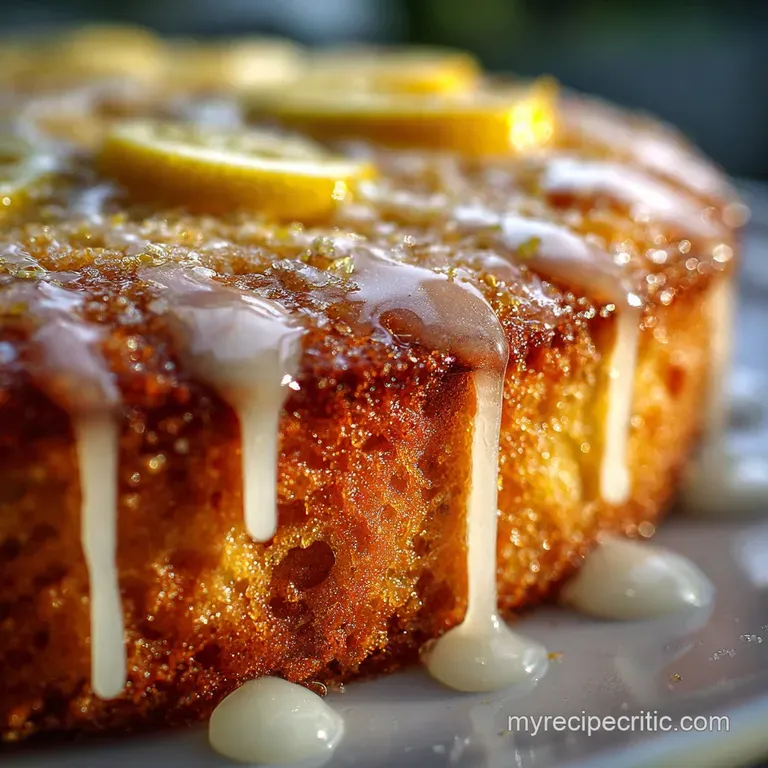
By flooding it with the hot sciroppo (that’s the syrup), the sugar mixture absorbs completely, creating a candied, moist layer throughout the cake body. It’s brilliant. The cake essentially drinks the sunshine.
Ingredient Quality: Sourcing the Brightest Lemons
If you use waxy, tired old lemons from the bottom of the supermarket bin, you’re just wasting your time. Truly. You need unwaxed, vibrant, fragrant lemons. The zest is where 90% of your flavor comes from because that’s where the essential oils live.
If you can’t get unwaxed, scrub them hard with hot water before using a microplane. And don't stop grating when you hit the white pith. That stuff is bitter and will ruin the whole thing.
Understanding the Role of the Essential Drizzle
The drizzle is the difference between a decent cake and an incredibly moist Italian lemon cake. When you make the syrup, you’re looking for a simple sugar concentration. You combine the lemon juice, water, and sugar, and bring it to a boil just long enough for all the sugar granules to disappear.
It doesn't need to thicken; it needs to be perfectly soluble. This hot, liquid sunshine then transforms the warm cake into a zesty lemon bomb.
CRITICAL WARNING: If you wait for the cake to cool down before applying the syrup, it won't soak in evenly. It will just puddle on top. Hot syrup meets warm cake. No exceptions.
Mastering the Essential Ingredient Ratios
Baking is all about chemistry, which means ratios matter. Don’t eyeball the flour. Don’t think, "Oh, a little extra butter won't hurt." It will hurt. The fundamental ratio here is the relationship between the butter, sugar, and flour.
We are using the classic creaming method, which requires the butter and sugar to be whisked until they are pale, light, and fluffy, almost like whipped cream. This step, which takes a full five minutes, is vital for incorporating air. Without that structure, your cake will be dense.
But what about temperature? Everything must be room temperature. Cold butter won’t cream correctly. Cold eggs will shock the batter and cause it to curdle immediately. I learned that the hard way when I tried to rush things one snowy afternoon (curdled batter looks genuinely alarming, by the way).
Just pull your eggs and butter out an hour before you plan to start. Seriously. It’s worth the wait.
Preparing Your Kitchen for the Ultimate Italian Lemon Cake
The Power of Whole Milk Yogurt in the Batter
While the core recipe calls for whole milk, if you want to dial the moisture up to an eleven, try swapping the milk for half a cup of full and fat Greek yogurt or sour cream. This adds an incredible richness and a slight tang, which complements the lemon beautifully.
It slightly changes the texture, giving you a slightly tighter, more luxurious crumb that is incredibly creamy. Honestly, don't even bother with low and fat yogurt here. It’s just not the same.
Sourcing Premium Unwaxed Citrus
We talked about unwaxed lemons already, but let's be blunt: a Microplane zester is non and negotiable for this recipe. If you use a box grater, you’re going to catch too much pith, and you’re going to wear your fingers raw.
A Microplane shaves off only the fragrant yellow part, making it faster, safer, and far more effective. It is the single best $15 I’ve ever spent on kitchen gear.
The Pan Choice: Springform vs. Loaf
You can bake this as a round Torta al Limone or a loaf cake. I prefer the 9 inch round springform pan because it allows the cake to bake a bit flatter and more evenly, and it makes it really easy to release after it has soaked up all that beautiful syrup.
If you use a loaf pan (8x4), you will need to add about 5– 10 minutes to the baking time since the center will be deeper. Just remember to line the bottom of whatever you choose with parchment paper.
Specialized Baking Tools
- Electric Mixer: Necessary for the heavy and duty creaming step.
- Microplane: Essential for the zest.
- Small Saucepan: Just for the syrup.
- Wooden Skewer: For poking those crucial holes!
Related Recipes Worth Trying
- Scallops and Pasta The RestaurantQuality LemonGarlic Recipe — Scallops and Pasta is your new favorite quick elegant dinner recipe Learn the secret to achieving perfectly pan seared scallops with a zesty white wine...
- Strawberry cheesecake cupcakes UltraCreamy Swirl Recipe — These strawberry cheesecake cupcakes combine a crisp graham cracker crust with a rich tangy filling This easy strawberry cheesecake dessert is perfectly...
- Strawberry Cheesecake Silky Smooth New York Style Recipe with Water Bath — This Ultimate Baked Strawberry Cheesecake delivers a rich velvetysmooth New York Style Cheesecake Learn the water bath secret for a crackfree showstopper...
Step and by-Step Method for the Cake Body
Right then, let's crack on with the mixing. First, preheat your oven to 350°F (175°C) and get your dry ingredients (flour, salt, baking powder) sifted and whisked together in a bowl. Sifting really helps avoid dense pockets later on.
The first big step is the creaming. Toss the room temperature butter, the sugar, and the lemon zest into your mixer bowl. Beat this on medium speed until the mixture lightens dramatically in color, going from a yellowish gold to nearly white. This takes a good four to five minutes.
This process, where you rub the zest into the sugar before adding the butter, releases the essential oils and turbocharges the flavor.
Next, add your eggs one at a time, mixing fully after each addition. Now we alternate: add one and third of the dry mix, then half the milk, another third of the dry, the remaining milk, and finally the last of the dry. Stop mixing as soon as you see no more flour streaks.
I usually finish the last few stirs by hand with a spatula just to make sure I don't overwork the gluten. Pour into your prepared pan.
The Critical Transformation: Baking and Drenching
Achieving the Optimal Creaming Consistency
Optimal creaming isn't just about mixing ingredients. It's about incorporation of air. If you stop too early, the texture will be tight and dense. You should see a volume increase, and the mixture should feel light and almost mousse and like when you scrape it down.
It’s the literal backbone of your cake’s structure.
Incorporating Wet and Dry Mixes Gently
Remember that rule about over and mixing? It's so easy to do. Once the flour hits the wet ingredients, gluten starts developing, and too much mixing makes it tough. Think of it as folding, not beating. Low speed, short duration. We want a tender crumb, not a frisbee.
How to Test for Absolute Doneness
The standard skewer test is great (insert into the center; if it comes out clean, it's done). But also look at the appearance. The cake should be a deep golden brown, and the edges should look like they are just starting to pull away from the sides of the pan.
Usually, 40 to 45 minutes does the trick for a 9 inch round.
The Golden Timing: Drenching the Cake While Still Warm
While the cake is baking, whip up that syrup on the stove. Pull the cake out of the oven. Wait just 2 minutes (no more!). Now, stab it. Stab it everywhere! Use that skewer to poke 20 to 30 deep holes into the cake top.
Slowly spoon that hot syrup over the entire surface, making sure it sinks deep into those holes. The cake will hiss a little bit, and that's exactly what you want. Leave it to soak completely in the pan for at least an hour before unmolding.
Extending Shelf Life and Proper Storage Methods
Because this cake is so heavily saturated with syrup, it actually keeps beautifully. This is one of those cakes that often tastes even better the next day once the flavors have really settled.
- Countertop Storage: Keep it loosely covered (a cake dome is perfect) at room temperature for up to three days.
- Refrigeration: If you still have leftovers after three days, transfer it to an airtight container and refrigerate for up to one week. Bring slices back to room temperature before serving for the best texture.
- Airflow is Key: If you put it in a container before it’s completely cool, the trapped steam will make the surface sticky and potentially soggy. Let it cool fully first!
Essential Troubleshooting for Dense Cakes
Why Did My Cake Sink in the Middle?
There are usually three culprits:
- Oven Temperature Fluctuation: You opened the oven door too early, causing the heat to drop suddenly, or your oven temperature is inaccurate (always use an oven thermometer!).
- Too Much Leavening: Did you accidentally double the baking powder? That causes a dramatic rise followed by an immediate collapse.
- Under and baked Center: It looked set, but the center wasn't quite done yet. When you pulled it out, the weak structure gave way.
Freezing Baked Goods Without Losing Moisture
This cake freezes incredibly well, especially since it's already so moist. Make sure the cake is completely cooled (and glazed, if you wish). Wrap the entire cake tightly in plastic wrap, then wrap it again in foil. Freeze for up to three months. To thaw, just let it sit overnight on the counter while still wrapped.
The moisture will redistribute perfectly.
Suggested Toppings: From Simple Dusting to Limoncello Glaze
A simple dusting of powdered sugar is elegant, but sometimes you want a little extra zing. Here are a few options:
| Topping Style | Notes |
|---|---|
| Simple Glaze | Powdered sugar whisked with lemon juice (thick, opaque consistency). |
| Limoncello Kick | Add 1 tbsp Limoncello to the simple glaze for an adult flavor twist. |
| Ricotta Cream | Whip ricotta with a touch of honey and vanilla, served alongside. |
Quick Reference: Estimated Prep and Cook Times
Need to know if you can squeeze this torta al limone into your afternoon schedule? Here’s the breakdown.
| Stage | Time Required |
|---|---|
| Active Prep (Mixing) | 20 minutes |
| Bake Time | 40 – 45 minutes |
| Soaking/Cooling Time | Minimum 60 minutes |
| Total Time (Kitchen Work) | ~ 65 minutes |
Go forth and bake something truly spectacular. You got this.

Recipe FAQs
I thought Italian Lemon Cake was supposed to be light and fluffy, like a standard sponge. Why is mine a bit dense?
This Torta al Limone style is designed to be denser than a typical British sponge, focusing on moisture and richness achieved through the high fat content and the syrup soak; ensuring your butter and eggs are truly room temperature helps trap air and avoid a rubbery 'hockey puck' texture.
Can I bake this Italian Lemon Cake ahead of time, and how long does it keep?
Absolutely! This cake improves overnight as the lemon syrup fully permeates the crumb; wrapped airtight at room temperature, the cake will keep beautifully for 3 4 days, or up to a week if stored in the fridge.
The syrup just pooled on top of my cake. Did I mess up the drizzle step?
The success relies on the temperature differential: you must use a skewer to poke deep holes immediately after the cake leaves the oven, then pour the syrup on while it is piping hot so it melts into the warm cake structure rather than pooling on the surface.
I’m trying to cut back on fat and calories. Are there any good substitutions for the butter?
For an authentic, lighter approach often seen in Southern Italy, substitute the butter with a mild, light flavoured Extra Virgin Olive Oil (using about ¾ cup), which ironically makes the cake feel lighter while maintaining exceptional moisture.
Can I use bottled lemon juice, or is fresh zest and juice essential for that zesty flavour bomb?
While bottled juice works in a pinch, fresh lemons are essential here because 90% of the flavour is concentrated in the essential oils found in the fresh zest; don't skimp on the zest, and rub it into the sugar for maximum flavour release.
Moist Italian Lemon Cake Recipe
Ingredients:
Instructions:
Nutrition Facts:
| Calories | 375 calories |
|---|---|
| Fat | 15 g |
| Fiber | 1 g |
