Instant Pot Rice Cooker: Fluffy, Hands-Off Perfection
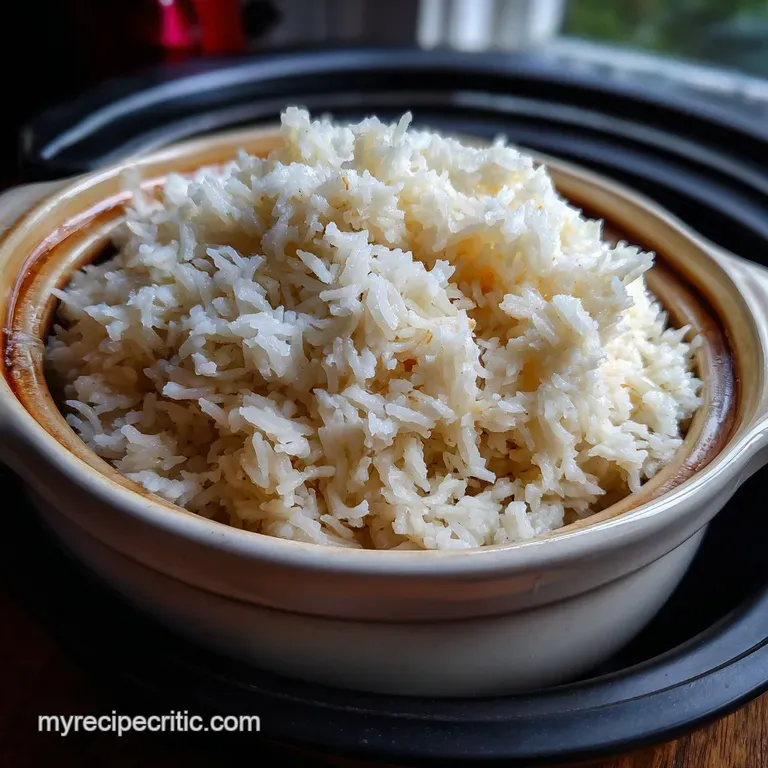
- Effort/Time: 5 minute prep / 20 minute cook
- Flavor Hook: Nutty, buttery, and perfectly seasoned
- Perfect for: Weeknight meal-prep and batch-cooking
- Mastering the Science of Flawless instant pot rice cooker
- Precision Metrics for Perfect Yield and Timing
- The Alchemy of Long Grains: Essential Elements
- Strategic Tools for Pressurized Steam Distribution
- The 25 Minute Assembly Protocol for Fluffy Results
- Why Your Rice Is Gummy: Pro Solutions
- Flavor Architecture and Grain Weight Adjustments
- ⚗️ The Scaling Lab: The Physics of Quantity
- Debunking Common Rice Myths
- Maintaining Hydration During Storage and Recovery
- Recipe FAQs
- 📝 Recipe Card
There is nothing more gut-wrenching than spending forty dollars on a prime cut of meat only to serve it alongside a side of rice that has the structural integrity of wet cardboard. I’ve been there standing over a stove, poking at a gummy, translucent mess while my main course goes cold on the counter.
It is a waste of money, time, and emotional energy that no home cook should endure.
I’ll be the first to admit I’ve ruined more batches of rice than I care to count. For years, I followed the "two-to-one" rule on the back of the bag, only to end up with scorched bottoms or watery centers.
I realized the hard way that the physics of a stovetop pot simply don't apply when you’re working with the pressurized environment of an instant pot rice cooker.
It took a dozen failed experiments to understand that the variable we’re fighting isn't the rice itself, but the lack of evaporation in a sealed system.
The secret to this masterclass level grain isn't a "magic" button; it’s the science of starch gelatinization under pressure. By using an exact 1:1 ratio, we’re forcing moisture into the core of each grain without the thermal shock that causes the outer hulls to rupture.
The result is a shattering of the "mushy rice" myth, delivering a velvety, distinct texture and a mahogany like richness if you choose to toast the grains first. Trust me, once you understand the chemistry of the instant pot rice cooker, you’ll never go back to the stovetop.
Mastering the Science of Flawless instant pot rice cooker
The success of an instant pot rice cooker relies on the hermetic seal of the machine, which creates an environment where atmospheric pressure is significantly higher than at sea level. This pressure raises the boiling point of water, allowing the rice to cook faster and more evenly.
- Pressure Induced Hydration: In a sealed instant pot rice cooker, zero steam escapes, meaning every drop of your 2 cups (475ml) of water is absorbed directly into the grain.
- Starch Retrogradation Control: The consistent heat prevents the rice from oscillating between temperatures, which keeps the amylopectin starch from leaking out and creating a sticky, gummy film.
- Thermal Consistency: The thick stainless steel inner pot of the instant pot rice cooker retains heat more efficiently than thin aluminum pans, ensuring the grains at the top cook at the exact same rate as those on the bottom.
The Science of Sealed Steam
In a traditional pot, you lose roughly 20% of your liquid to evaporation. In an instant pot rice cooker, that loss is negated. This is why the 1:1 ratio is non-negotiable for long grain varieties.
If you add even a quarter cup extra, the rice will sit in residual moisture, leading to over hydration and a mushy finish.
Starch Gelatinization Control
Rice contains two types of starch: amylose and amylopectin. Long grain rice is high in amylose, which helps grains stay separate. By rinsing the rice thoroughly, we remove excess surface starch that would otherwise gelatinize into a "glue" during the high pressure cycle.
Precision Metrics for Perfect Yield and Timing
When using your pot rice cooker, precision is your best friend. We aren't just "eyeballing" it here; we are following a technical protocol designed for a 5 serving yield.
Using an instant pot rice cooker ensures that whether you are making a small batch or a large one, the results remain consistent.
| Metric | Value |
|---|---|
| Prep Time | 5 minutes |
| Cook Time | 20 minutes |
| Total Time | 25 minutes |
| Yield | 5 servings |
| Pressure Level | High Pressure |
| Release Method | 10 minute Natural Release |
This fluffy base is the ideal companion for my Chicken Breast Instant Pot recipe. The timing is specifically calibrated so you can prep your protein while the rice completes its natural release cycle, ensuring both hit the table at the peak of their sensory appeal.
The Alchemy of Long Grains: Essential Elements
Selecting your elements for the instant pot rice cooker is about more than just grabbing a bag off the shelf. Each ingredient plays a structural or chemical role in the final mouthfeel.
Ingredient Chemistry Breakdown
| Ingredient | Chemical/Physical Role (Science) | The Pro Secret (Why This Matters) |
|---|---|---|
| Long grain White Rice | High amylose content for structural integrity | Prevents grains from clumping into a singular mass |
| Filtered Water | Pure solvent for starch hydration | Prevents mineral buildup from altering the rice's neutral pH |
| Fine Sea Salt | Osmotic pressure regulator | Seasons the interior of the grain, not just the surface |
| Unsalted Butter | Lipid coating for grain separation | Creates a velvety mouthfeel and prevents foaming/clogging |
- 2 cups (370g) Lundberg Family Farms Long grain White RiceWhy this? High amylose-to-amylopectin ratio ensures firm, individual grains that won't turn to mush under high pressure steam.
- 2 cups (475ml) Filtered Water
- 1 tsp (6g) Diamond Crystal Fine Sea SaltWhy this? Fine grains dissolve instantly in the pot rice cooker, ensuring even salt distribution throughout the batch.
- 1 tbsp (14g) Kerrygold Unsalted Butter (or neutral oil)Why this? Fats act as a surfactant, breaking surface tension and preventing the starchy foam from reaching the pressure valve.
Strategic Tools for Pressurized Steam Distribution
To achieve "Masterclass" results, the equipment used in your instant pot rice cooker setup must be maintained and used correctly.
- Instant Pot Duo Plus (6 Quart): The stainless steel liner is essential for even heat distribution. Avoid non-stick liners if possible, as they can alter the heat conduction and lead to "Burn" signals.
- Fine Mesh Sieve: Essential for removing surface starches. If the mesh is too wide, you’ll lose grains; too tight, and the starch won’t wash away.
- Silicone Spatula or Rice Paddle: These tools allow you to fluff the rice without breaking the fragile, cooked grains.
- Digital Kitchen Scale: Measuring by weight (370g rice vs 475g water) is significantly more accurate than volume, especially when scaling the recipe.
The 25 Minute Assembly Protocol for Fluffy Results
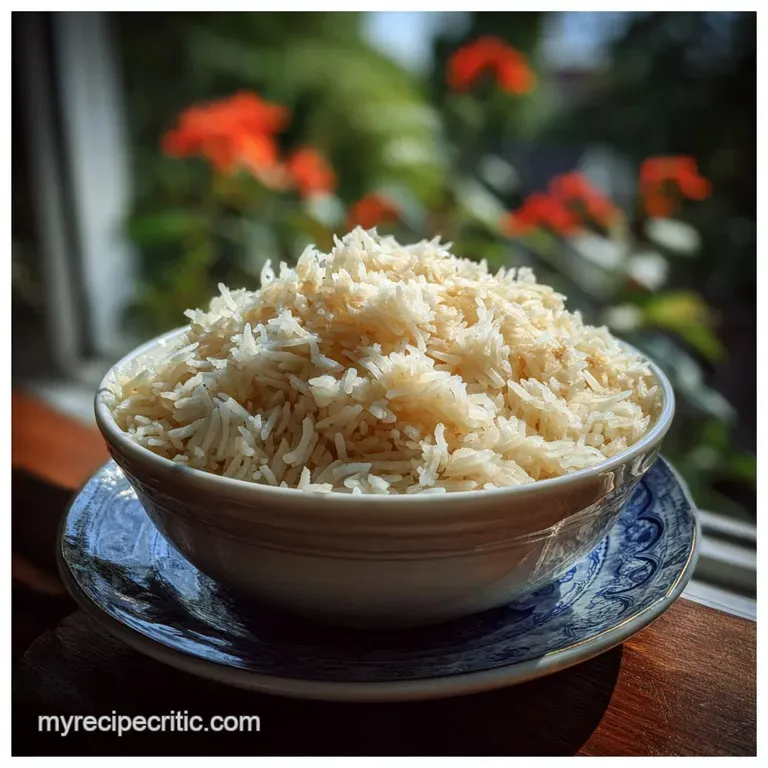
Follow these steps exactly to master the instant pot rice cooker. Each action is designed to respect the physics of the grain.
- Rinse 370g of rice in a fine mesh sieve under cold running water for 2 minutes until the water runs crystal clear. Note: This removes the excess surface starch that causes clumping.
- Drain the rice thoroughly for 60 seconds until no more water drips from the sieve.
- Transfer the rinsed rice into the Instant Pot Duo Plus stainless steel inner pot.
- Add 475ml of filtered water, ensuring all grains are submerged.
- Whisk in 6g of fine sea salt until completely dissolved into the liquid.
- Place 14g of unsalted butter on top of the water. Note: Do not stir; the fat will melt and coat the grains as the temperature rises.
- Lock the lid and set the steam release valve to the "Sealing" position.
- Select High Pressure and set the timer for 3 minutes.
- Cook for 3 minutes until the machine beeps, indicating the pressure cycle is complete.
- Rest the rice for a 10 minute natural release until the silver float valve drops with a distinct click.
- Open the lid to release a cloud of fragrant, nutty smelling steam.
- Fluff the grains immediately using a fork or paddle until they are light, airy, and glisten with a velvety sheen.
If you're looking for a heavier side, my Yukon Gold Mashed Potatoes recipe offers that same velvety finish but with a different starch profile.
Why Your Rice Is Gummy: Pro Solutions
Even with a high-quality instant pot rice cooker, variables like altitude or rice age can cause issues. Understanding the "why" behind failures helps you adjust on the fly.
Underdone or Crunchy Grains
This usually happens due to "short circuiting" the natural release. If you vent the steam immediately, the internal temperature of the grains drops too fast, halting the hydration process before the core is soft.
| Problem | Root Cause | The Fix | Pro Protocol |
|---|---|---|---|
| Crunchy Center | Interrupted hydration | Add 2 tbsp water; steam 1 min | Always wait the full 10 min natural release |
| Mushy/Gummy | Excess surface starch | Rinse longer next time | Use a "wash and rub" technique in the sieve |
| Burn Signal | Lack of thin liquid | Check sealing ring seal | Ensure the butter isn't scorched at the bottom |
The "Residual Heat" Finish
The 10 minute natural release isn't just a safety feature; it’s a critical cooking phase. During this time, the instant pot rice cooker allows the steam to redistribute from the bottom of the pot to the drier grains at the top. Skipping this results in an uneven texture.
Flavor Architecture and Grain Weight Adjustments
Once you've mastered the basic instant pot rice cooker instructions, you can begin to manipulate the flavor profile.
- Savory Infusion: Replace the 2 cups (475ml) of water with low-sodium chicken or vegetable broth. This adds a layer of umami that water cannot provide.
- Aromatic Base: Add a bay leaf or two smashed garlic cloves to the pot before sealing. The pressure will drive these essential oils deep into the rice.
- Coconut Rice: Use 1 cup of full fat coconut milk and 1 cup of water. Note: This will result in a richer, creamier texture that is less "fluffy" due to the higher fat content.
- Low-Sodium Swap: If omitting salt, add a squeeze of fresh lime juice after cooking to brighten the flavors without the sodium.
For a complete meal, try serving this alongside Instant Pot Corned recipe. The acidity of the cabbage and the saltiness of the beef are perfectly balanced by the neutral, buttery grains.
⚗️ The Scaling Lab: The Physics of Quantity
Doubling your instant pot rice cooker recipes isn't as simple as multiplying by two. Physics dictates that as volume increases, the behavior of steam and heat shifts.
- The Evaporation Paradox: Because the pot rice cooker is a closed system, you do not need to increase the liquid beyond the 1:1 ratio. If you use 4 cups of rice, use exactly 4 cups of water.
- Thermal Mass & Thermodynamics: A double batch (4 cups) has a significantly higher thermal mass. The instant pot rice cooker will take longer to reach pressure, and the natural release might take 15 minutes instead of 10.
- Flavor Saturation: Scale salt to 1.5x (1.5 tsp) for a double batch. Saltiness intensifies non-linearly in pressurized environments.
- Square Cube Law: The larger the mass of rice, the more heat is trapped in the center. To prevent the middle from becoming mushy, ensure you fluff the rice from the bottom up immediately after the release valve drops.
Debunking Common Rice Myths
- Myth: You must use the "Rice" button on the instant pot rice cooker.
- Truth: The "Rice" button is often a low-pressure setting designed for white rice only. Using manual High Pressure for 3 minutes offers more control and better texture for long grain varieties.
- Myth: Searing the rice in butter first is just for flavor.
- Truth: Searing (toasting) the rice for 2 minutes on "Saute" mode creates a protective coating of dextrinized starch, which further prevents the grains from sticking together.
- Myth: Rice stays "good" in the pot on the "Keep Warm" setting for hours.
- Truth: The "Keep Warm" setting will eventually dehydrate the bottom layer, creating a leathery crust. Aim to serve within 30 minutes of finishing.
Maintaining Hydration During Storage and Recovery
Proper storage is the difference between a great leftover meal and something destined for the trash.
- Storage: Transfer leftover instant pot rice to an airtight glass container. It will keep in the fridge for up to 4 days.
- Freezing: Rice freezes beautifully. Spread it on a baking sheet to cool completely, then portion into freezer bags. It stays fresh for 3 months.
- Reheating: To avoid the "dry grain" syndrome, add a teaspoon of water per cup of rice and cover with a damp paper towel before microwaving for 60 seconds. This creates a mini steam chamber that restores the velvety texture.
💡 ZERO WASTE PHILOSOPHY Don't discard the starchy rinse water! Transform: Use it to water your indoor plants. Science: The residual minerals and trace starches act as a mild fertilizer, promoting healthy soil microbes.
If you have leftover "day-old" rice, it is scientifically superior for fried rice. Science: Starch retrogradation in the fridge firms up the grains, allowing them to sizzle in a pan without breaking or becoming mushy.
Whether you're using your instant pot rice cooker for a quick Tuesday night side or a massive Sunday meal prep session, the 1:1 ratio is your north star. It’s about respecting the pressure, the starch, and the simple beauty of a perfectly cooked grain. Let's crack on and get that pot whistling!
Recipe FAQs
What is the correct water-to-rice ratio for the Instant Pot?
1:1 by volume or weight. This pressure sealed method relies on zero steam loss, eliminating the need for the traditional 2:1 ratio used on the stovetop.
Can I use brown rice instead of long grain white rice?
No, brown rice requires significantly more time and liquid. Brown rice retains its bran layer, which slows moisture absorption under pressure. For brown rice, increase cook time to 18 minutes and use a 1:1.25 liquid ratio.
Why is my rice coming out sticky and gummy?
Excess surface starch was not adequately removed during rinsing. The starch gelatinizes in the sealed environment, creating a viscous, glue like layer between the grains.
- Rinse until water is perfectly clear
- Use the 1:1 ratio strictly
- Avoid over stirring during fluffing post cook
Should I use the manual "Pressure Cook" button or the "Rice" button?
Manual High Pressure for 3 minutes. The dedicated "Rice" button often runs a lower pressure cycle optimized for standard white rice. Using Manual High Pressure ensures faster and more consistent gelatinization for most long grain varieties.
Is it better to use broth or water for maximum flavor?
Broth provides superior umami depth. Water acts as a neutral solvent, while broth incorporates flavor compounds directly into the starch structure during pressure cooking.
If you master the technique here, apply that same principle of flavor layering to our [Instant Pot Hard Boiled Eggs: Easy Peel 5-5-5 Method] for infused results.
Myth: You must vent the pressure immediately after cooking.
Myth: Vetting immediately results in crunchy rice. Reality: A 10-minute natural pressure release (NPR) is mandatory; this allows residual steam to finish hydrating the core of each grain evenly.
Should I use unsalted or salted butter in the recipe?
Unsalted butter ensures precise seasoning control. Salted butter varies widely in sodium content (up to 200mg per tablespoon), throwing off the carefully balanced 1 tsp of fine sea salt in the base liquid. Use unsalted to maintain formulaic consistency.
Instant Pot Rice Cooker Magic
Ingredients:
Instructions:
Nutrition Facts:
| Calories | 290 kcal |
|---|---|
| Protein | 5.3 g |
| Fat | 2.8 g |
| Carbs | 59.2 g |
| Fiber | 1 g |
| Sugar | 0.1 g |
| Sodium | 465 mg |
