Instant Pot Chicken Noodle Soup: Speedy Comfort
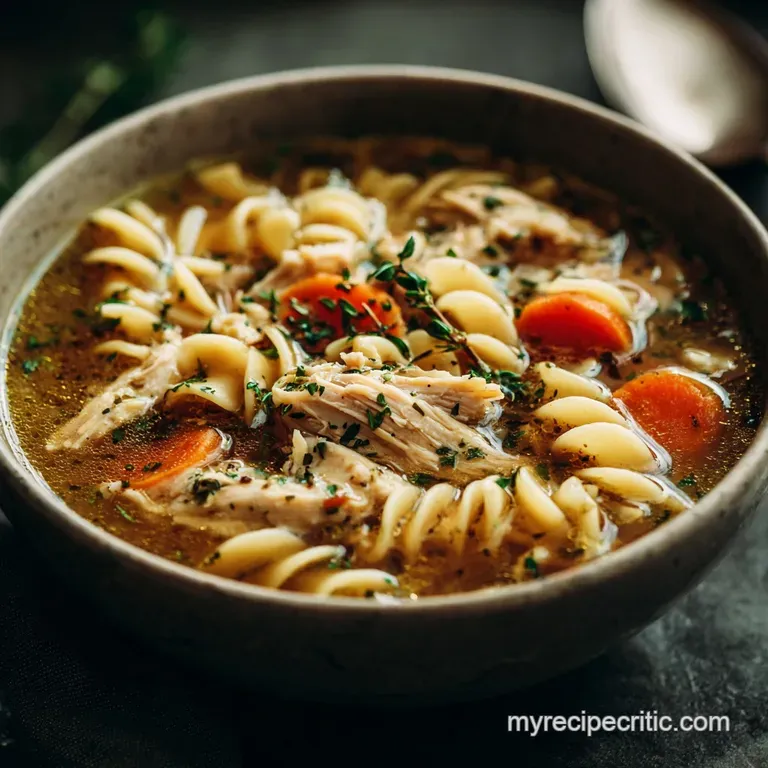
- Harnessing Speed: The Ultimate Instant Pot Comfort Broth
- The Science of Comfort: Why Pressure Cooking Improves Noodle Soup
- Essential Components for Your Speedy Chicken Soup
- Crafting the Soup: Instant Pot Workflow for Maximum Results
- Troubleshooting Your Comfort Broth: Expert Preparation Notes
- Maximizing Longevity: Storing and Reheating Your Soup
- Serving Up Comfort: Perfect Pairings and Garnishes
- Recipe FAQs
- 📝 Recipe Card
Harnessing Speed: The Ultimate Instant Pot Comfort Broth
That smell, right? When the Instant Pot finally hisses and that glorious steam floods the kitchen, you know true comfort is ready. It's the rich, savory broth and the deep aromatic notes of thyme and garlic hitting you instantly. This is the ultimate hug in a bowl, fast.
Look, nobody has four hours to simmer bone broth on a Tuesday. This Instant Pot Chicken Noodle Soup recipe is my weeknight superhero, delivering all that slow simmered flavor in about 45 minutes flat. It’s cheap, incredibly easy, and honestly, it fixes everything.
I’ve been making this one for years and have finally nailed the perfect workflow. Ready to ditch the store-bought stuff and make the best batch ever? Let's crack on with the good stuff and unlock the Instant Pot's full potential.
The Science of Comfort: Why Pressure Cooking Improves Noodle Soup
Why We Ditch the Stove: Achieving Slow Simmered Depth Quickly
Why wait all day for decent soup? Pressure cooking works by forcing the liquid into the vegetables and chicken at a high heat, dramatically shortening the flavor extraction process. This means your carrots and celery release their sweetness and aromatic oils way faster than on the stovetop. It's flavor engineering!
Is This Really Easy? Assessing the Minimal Prep Time
Absolutely. The prep is truly minimal just a quick chop of the onion, carrots, and celery, which is the foundational aromatic blend, sometimes called a mirepoix. Once the Sauté function is done, you basically set the timer and walk away.
Minimal fuss means maximum comfort when you're tired or fighting off a cold.
The Difference Between Pressure Cooked and Stovetop Broth
Stovetop broths are gentle and subtle, requiring hours to build depth. The Instant Pot uses intense heat to create a richer, more robust broth profile in minutes. The high pressure extracts every last ounce of flavor from the poultry and herbs, giving you that deeply satisfying, long simmered taste right now.
Maximum Flavor Extraction: Boosting the Carrot and Celery Base
Don't skip the Sauté function, seriously. Browning the onions, carrots, and celery creates a crucial layer of caramelized flavor, called the Maillard reaction, before any liquid even touches the pot. This step adds incredible depth that simply boiling the ingredients misses entirely.
It’s the difference between a great meal and a bland bowl.
Achieving Tender Chicken Without Drying It Out
My secret for perfectly tender poultry is a short, sharp cook time. Ten minutes on high pressure is perfect for boneless pieces; it cooks them through beautifully without turning them dry or rubbery. When they hit the simmering broth again, they stay juicy. You can even use pre-cooked chicken if you are really rushing (I explain the method in my guide to Instant Pot Shredded Chicken: Perfectly Moist Quick ).
Preventing Soggy Noodles: The Crucial Timing Step
This is where most people fail and end up with a gloppy, starchy mess. Never pressure cook your noodles. You add the dried noodles after the pressure release and cook them gently in the simmering broth.
It only takes five to seven minutes, and it maintains that beautiful al dente texture.
Essential Components for Your Speedy Chicken Soup
The Foundation: Selecting the Best Broth or Stock
Invest in good quality stock; it truly makes or breaks this soup. Since we are fast tracking the flavor, we rely heavily on the existing depth of the liquid. If you can only find bouillon, use 1/4 teaspoon less salt in the recipe, as bouillon can be fiercely salty.
| Ingredient | Substitute Suggestion |
|---|---|
| Chicken Stock | Water + Bouillon Paste (use less salt!) |
| Olive Oil | 1 Tbsp Unsalted Butter (richer flavor) |
Noodle Choices: From Egg Noodles to gluten-free Alternatives
I prefer medium egg noodles because they absorb the broth perfectly and have that classic comfort feel. If you are going gluten-free, rice noodles or orzo work brilliantly. Just remember that rice noodles cook extremely fast, sometimes needing only 2– 3 minutes of soak time at the end.
Aromatics and Herb Essentials: Carrots, Celery, and Thyme
The holy trinity of onion, carrot, and celery is non-negotiable for traditional flavor. Thyme and bay leaves are the essential dried herbs here, providing that deep, earthy note. If you don't have fresh parsley for garnish, you can use dried parsley and double the amount for the final seasoning.
Sourcing Quality: Bone-In vs. Boneless Cuts of Chicken
I usually use boneless, skinless chicken thighs or breasts thighs generally stay moister, but breasts shred easily. If you only have frozen chicken, add 2 minutes to the pressure cook time ( 12 minutes total). If you happen to have leftover turkey from a roast, that works too, just shred it and add it at the end (like in my great Turkey Barley Soup Hearty Leftover Post Roast Remedy ).
Crafting the Soup: Instant Pot Workflow for Maximum Results
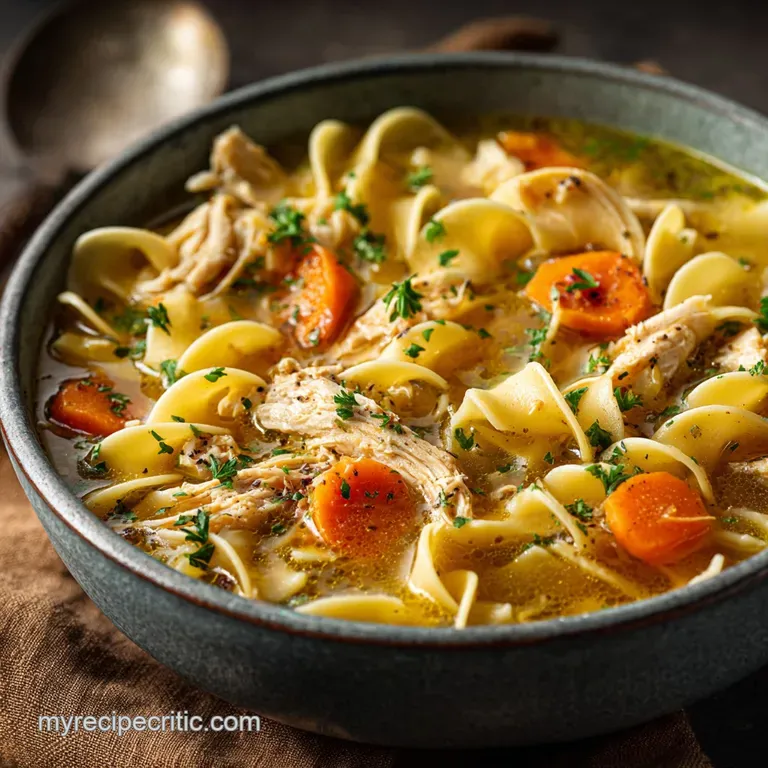
Building the Flavor Base: Sautéing the Mirepoix
We start with the Sauté function; make sure you get those veggies tender, about 5– 7 minutes, allowing the onions to become translucent. When adding the garlic and herbs, only cook for 60 seconds. Burnt garlic tastes acrid and bitter, trust me, I've made that mistake!
Chef's Note: Use a splash of the cold chicken stock to deglaze the bottom of the pot fully after sautéing. Scrape every brown bit up with a wooden spoon! This crucial step prevents the ‘Burn’ warning.
Setting the Timer: Pressure Cooking the Liquid and Chicken
Ten minutes on High Pressure is my sweet spot for tender chicken that shreds easily. We use a short Natural Pressure Release (NPR) of 5 minutes before the Quick Release (QR). This allows the chicken fibers to relax and keeps the broth clearer, not cloudy.
The Shredding Technique: Getting Perfectly Uniform Pieces
Use two forks, obviously, for easy shredding. But if you are making a double batch, my absolute favorite hack is tossing the cooked pieces into a stand mixer fitted with the paddle attachment. It shreds an entire bowl of meat in about 30 seconds.
The Final Cook: Integrating the Noodles Directly into the Pot
Once the chicken is out, return the broth to a rolling simmer using Sauté (if the pot has cooled significantly). Add the noodles and cook them for the package instructions, keeping a very close eye on them. We want them tender but still firm in the middle (al dente).
Immediately turn the Instant Pot off once they hit that texture, or they will continue cooking.
Troubleshooting Your Comfort Broth: Expert Preparation Notes
Too Watery? Adjusting Salt and Acidity After Pressure Release
Often, soup that tastes "watery" just needs a lift, not more liquid reduction. It’s usually a seasoning issue. Add more salt and pepper, and always finish with that squirt of lemon juice. Acidity balances the flavor profile brilliantly, cutting through the richness and making the entire bowl taste brighter and more complex. (Even heavy soups, like my Olive Garden Zuppa Toscana Soup: The Best Creamy Copycat Recipe , need that final acidic lift!)
Preventing the Dreaded "Burn" Notice: Liquid Ratios Explained
The Burn notice happens because small, caramelized bits of food are stuck to the bottom, signaling a over high heat spot. Solution? Make absolutely certain you scrape the bottom with a wooden spoon after sautéing the vegetables.
Ensure you have the full 8 cups of stock; this volume is the safety sweet spot for a 6 quart pot.
The Right Way to Release Pressure: Natural vs. Quick Release Timing
The 5 minute Natural Pressure Release (NPR) is a semi soft landing for the pressure cooker. It allows the intense boiling to calm down and prevents foamy, starchy liquid from spewing out the vent when you eventually switch it to Quick Release (QR). It keeps your soup in the pot and off your ceiling.
Maximizing Longevity: Storing and Reheating Your Soup
Best Practice for Storage: Separating Noodles from the Broth
When storing leftovers, try, if possible, to separate the finished noodles from the broth. Noodles continue to absorb liquid and expand, turning mushy overnight if left soaking in the broth. Store the shredded chicken and broth together in an airtight container in the fridge for up to 4 days.
Can I Freeze Instant Pot Chicken Noodle Soup?
Yes, you absolutely can freeze the broth and chicken mixture. Freeze it without the noodles! Store it in freezer safe bags laid flat or in sturdy containers for up to 3 months. If you freeze the noodles with the broth, they will degrade into a sticky, textural disappointment upon thawing.
Reheating Strategy: Maintaining Texture and Flavor
Reheat the stored broth slowly on the stove or in the microwave until piping hot. If you stored the noodles separately, add them back in just before serving. If you froze the broth, thaw it overnight, bring it to a simmer, and cook a small handful of fresh noodles right in the pot. It makes a huge difference.
Serving Up Comfort: Perfect Pairings and Garnishes
Chicken noodle soup begs for a proper side. We love crusty, warm sourdough for dipping; it’s perfect for soaking up every last drop of that savory broth. Garnish generously with the fresh parsley it adds crucial color and freshness that the long cook time removes.
For a true comfort dinner, serve alongside a crisp, sharp cheddar grilled cheese sandwich.
Recipe FAQs
Why did my noodles turn out mushy or overcooked?
Mushy noodles are usually caused by cooking them too long in the pressure cycle or leaving them sitting in the hot broth after cooking is complete. For the best texture, always add the pasta after the pressure cooking phase is done, and use the Sauté function to cook them for just 3 5 minutes until al dente.
If you plan to store leftovers, it is best practice to cook and store the noodles separately, adding them only right before serving.
Can I use frozen chicken breasts directly in the Instant Pot?
Yes, you can use frozen chicken breasts, but you must increase the pressure cooking time slightly typically by adding 3 to 5 minutes to the overall pressure time. It is crucial that the pieces are separated (not frozen together in a solid block) for even cooking.
Always verify that the internal temperature reaches 165°F (74°C) before shredding the meat.
How long does this soup last, and can I freeze it?
The soup stores exceptionally well in an airtight container in the refrigerator for up to 4 days. While you can certainly freeze the broth, chicken, and cooked vegetables, freezing the noodles is generally not recommended. Pasta changes texture and often becomes grainy or falls apart upon thawing.
My broth tastes a little bland how can I deepen the flavor?
If your broth lacks depth, the quickest way to fix it is by stirring in a teaspoon of quality bouillon paste (like Better Than Bouillon) before the initial pressure cycle. Additionally, ensure you are using sufficient salt and pepper, and consider adding a small splash of fresh lemon juice at the very end to help brighten all the existing savory flavors.
How do I know when the chicken is fully cooked and safe to eat?
The chicken is fully cooked when it easily shreds with two forks and has reached a minimum internal temperature of 165°F (74°C). The Instant Pot usually ensures thorough cooking, but if you used exceptionally large or thick pieces, always use a reliable meat thermometer inserted into the thickest part to confirm the temperature.
Can I make this chicken noodle soup gluten-free?
Absolutely; to make this gluten-free, substitute the traditional egg noodles with a gluten-free pasta option, such as brown rice rotini or quinoa elbow pasta. Remember that gluten-free noodles often cook slightly faster than standard wheat pasta, so check the package instructions and reduce the final cook time accordingly during the Sauté phase.
Can I make this recipe using a traditional slow cooker instead of an Instant Pot?
Yes, you can adapt this recipe for a slow cooker by cooking the broth, chicken, and vegetables on LOW for 6-8 hours or on HIGH for 3-4 hours. You still need to remove the chicken to shred it and add the noodles only during the final 30 minutes of cooking.
This prevents the pasta from turning to mush due to prolonged simmering.
Instant Pot Chicken Noodle Soup
Ingredients:
Instructions:
Nutrition Facts:
| Calories | 92 kcal |
|---|---|
| Protein | 3.9 g |
| Fat | 2.1 g |
| Carbs | 12.6 g |
