Instant Pot Rice: the Foolproof 1:1 Method
- Mastering Basmati: Why the Instant Pot is the Superior Cooking Method
- The Scientific Foundation of Perfect Pressure Cooked Rice
- Essential Elements: Ingredients, Sourcing, and Ratio Notes
- Step-by-Step: The Foolproof 1:1 Method from Pot to Plate
- Chef’s Troubleshooting Guide: Preventing Rice Disasters
- Practical Application: Storing, Freezing, and Reheating Fluffy Grains
- Simple Serving Suggestions and Flavor Enhancements
- Recipe FAQs
- 📝 Recipe Card
Mastering Basmati: Why the Instant Pot is the Superior Cooking Method
If there is one thing that used to fill me with culinary dread, it was stovetop rice. Seriously, why is achieving light, separate grains so difficult? I always ended up with a crusty bottom layer and a gummy mess on top, which is why finding the perfect method for Instant Pot Rice felt like winning the lottery.
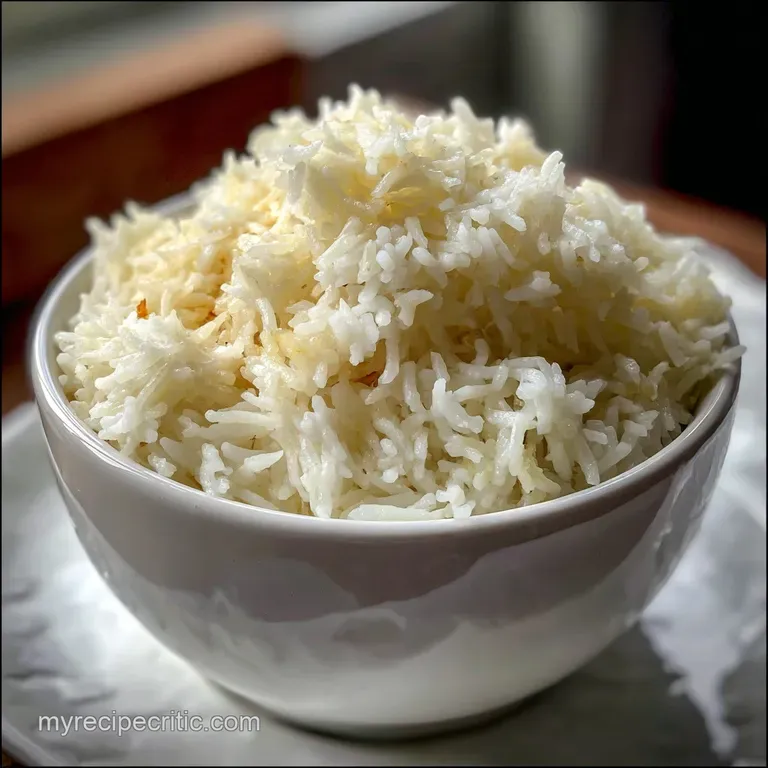
This 1:1 Basmati recipe delivers perfectly fluffy grains every single time, without fail.
The pressure cooker is truly the secret weapon in the modern kitchen, handling this staple grain effortlessly. It completely eliminates the need for constant monitoring, temperature adjustments, and that stressful moment when you lift the lid too early. This isn't just fast; it’s reliably perfect.
We are talking about building a foundational meal component the basis for everything great you cook that requires minimal active effort. Let’s ditch the guesswork and crack on with the only Instant Pot Rice recipe you will ever need.
Eliminating the Guesswork: Precision Cooking vs. Stovetop Boiling
The biggest difference between cooking rice on the stove and making Instant Pot Rice is the environment. On the stovetop, you lose tons of water to evaporation and the temperature fluctuates wildly, leading to unevenly cooked grains.
In the Instant Pot, the locked environment ensures consistent high pressure.
This precision means every grain is steamed and saturated exactly the same way. You don’t get crunchy grains at the top or sticky, mashed rice at the bottom. It’s simply the most efficient way to hydrate starch and create that wonderfully fluffy texture we are all chasing.
The Magic of 1:1: Achieving Fluffy, Separate Grains Every Time
When cooking rice conventionally, we often use a 2:1 water-to-rice ratio because half the water escapes as steam. But for reliable, consistently fluffy Instant Pot Rice , we use a precise 1:1 volume ratio. It’s counter intuitive, I know!
This perfect ratio works because the pressure cooker traps all that moisture and steam right where we want it. The Basmati grains are essentially pressure steamed rather than boiled, ensuring they swell perfectly without becoming waterlogged. Achieving light, separate grains is no longer a miracle; it's physics.
Quick Culinary Foundation: Using Your Pressure Cooker for Staple Grains
Think about what you need rice for: a side dish for your incredible Pot Roast: Tender Chuck Roast Instant Pot Recipe , the base for a stir fry, or just a simple, satisfying meal starter. Being able to set your Instant Pot Rice and walk away means you have thirty minutes free to prep vegetables or assemble the main course.
This reliability transforms your weeknight routine. I remember scrambling years ago, trying to time rice perfectly with the main dish, always failing. Now, the Instant Pot Rice is the calm center of my cooking storm.
The Scientific Foundation of Perfect Pressure Cooked Rice
The secret to superior texture lies in understanding two key concepts: starch management and the physics of pressure. We use Basmati because it’s a long grain variety with less surface starch than short grain rice, which immediately lowers the risk of stickiness. But even Basmati needs a little help.
We also rely heavily on the 10 minute Natural Pressure Release (NPR) to create structural integrity in the cooked grains. Without that rest, the grains shatter when you release the pressure, leading to mushy results.
Essential Elements: Ingredients, Sourcing, and Ratio Notes
You only need three non-negotiable ingredients for perfect Instant Pot Rice : the grain, the liquid, and salt. Everything else is flavour elevation, though I always recommend adding a little fat for sheen and anti stick power.
Managing Starch: The Crucial Step of Rinsing Basmati
I cannot stress this enough: You must rinse the rice. If the water coming off your Basmati grains is cloudy, you haven't rinsed enough. That milky liquid is pure, unwanted surface starch, and if you cook it, it becomes glue.
Rinse the grains vigorously under cold water for a full minute or two, stirring with your hand, until the water running through the sieve is crystal clear. This is truly the key step to unlocking the perfect texture for your Instant Pot Rice .
How the 1:1 Basmati Ratio Maximizes Steam Saturation
We are going 1:1 by volume here 2 cups of Basmati rice to 2 cups of cold water. This exact ratio is vital because the pressure cooking process is highly efficient. Since no steam is lost, we don't need the extra liquid that the stovetop demands.
Chef's Note: Use the measuring cup that came with your Instant Pot if you have one, or stick to standard US measuring cups. Consistency in measurement is everything for the optimal 1:1 Instant Pot rice to water ratio.
Selecting Quality Basmati: Aged vs. New Harvest Considerations
If you can find "Aged Basmati," grab it. Aged grains have a lower moisture content, which allows them to absorb the cooking liquid more uniformly and prevents them from disintegrating under pressure.
New harvest rice can sometimes be a bit stickier and may require a slightly reduced water ratio, maybe 0.95:1, but stick to aged grains for the easiest, most reliable Instant Pot Rice .
Water Quality, Salt, and Optional Aromatic Additions
Use cold, filtered water if your tap water has a strong mineral taste, but cold tap water usually works fine. Salt, however, is not optional; it’s mandatory. Rice cooked without salt tastes flat and boring.
As for fat, I love adding a tablespoon of butter. It lends a wonderful fragrance and helps coat the grains, making them even less likely to stick together, giving your Instant Pot Rice a beautiful, glossy finish.
step-by-step: The Foolproof 1:1 Method from Pot to Plate
- Rinse Thoroughly: Place 2 cups of Basmati in a fine mesh sieve and rinse under cold water until the runoff is clear. Drain off as much excess water as possible.
- Combine: Transfer the rinsed rice to the inner pot of your Instant Pot. Add 2 cups of cold water, 1 teaspoon of salt, and 1 tablespoon of butter (optional).
- DO NOT STIR: Just gently shake the pot to level the surface of the rice. Stirring releases starch and ruins the whole plan for light grains.
- Seal and Cook: Secure the lid and set the vent to Sealing. Select the Pressure Cook (or Manual) setting on High Pressure for exactly 4 minutes .
- Wait for NPR: Once the timer beeps, let the pressure release naturally for 10 minutes (NPR). Set a separate timer this is the most important step for non-mushy rice.
- Quick Release: After 10 minutes, turn the vent to Quick Release (QR) to release any remaining steam.
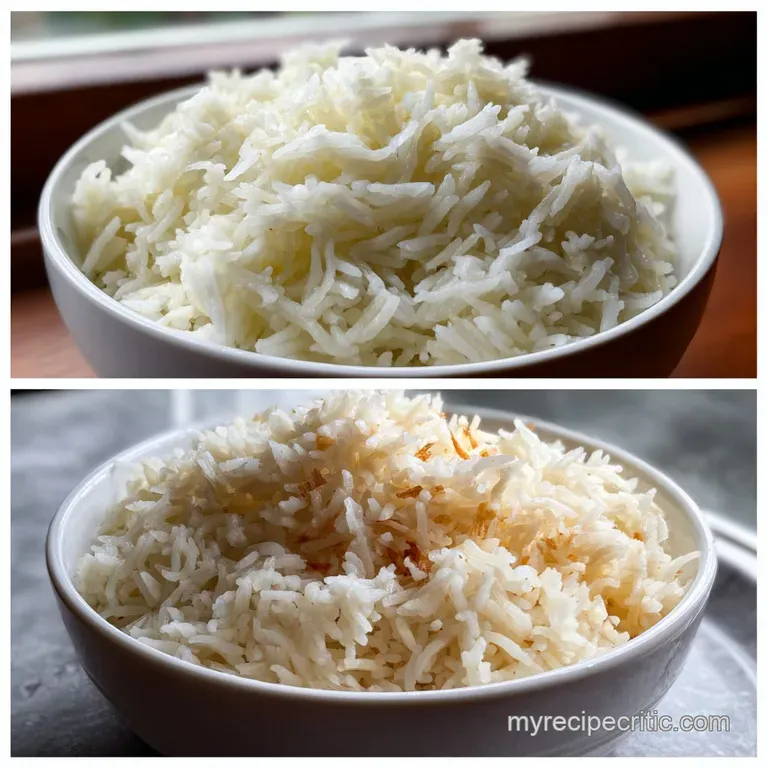
- Fluff and Serve: Carefully remove the lid. Use a wooden spoon or silicone spatula to gently fluff the Instant Pot Rice , turning the grains over from the bottom of the pot.
Chef’s Troubleshooting Guide: Preventing Rice Disasters
I’ve had my share of rice disasters, trust me. There’s nothing worse than opening the lid hoping for perfection only to find a gooey mess. These are the critical fail points when making great Instant Pot Rice .
Prepping the Grains: Rinsing and Soaking Recommendations
Again, rinse until clear! Some recipes call for soaking Basmati, but for the 1:1 Instant Pot Rice ratio, I don't recommend it. Soaking leads to softer grains that absorb water too fast and can become mushy under pressure. Stick to quick, thorough rinsing.
Setting the Machine: High Pressure Timing for Basmati
We are using a short cooking time because of the high heat and pressure. Four minutes is the sweet spot for fluffy Basmati. If you are using a different long grain white rice, like Jasmine, you might drop the Instant Pot rice time to 3 minutes, but for Basmati, stick to four.
Post Cooking Care: The Importance of Natural Release (NPR)
The 10 minute NPR is crucial because the rice is technically still cooking and steaming during this resting period. This rest ensures the moisture redistributes evenly into the center of the grains, which is key to preventing them from bursting.
When you QR immediately, the rapid drop in pressure violently pulls moisture out, resulting in dry, cracked, uneven grains. Don't touch that valve for 10 minutes!
Navigating the 'Rice' Button: Why Manual Settings Are Preferred
Most Instant Pot models have a dedicated Rice button, but I tell my friends to ignore it completely, especially for this kind of Instant Pot Rice . The Rice button usually defaults to Low Pressure and a pre-programmed time that is often too long for Basmati, leading to softer, sticker results.
Using the Manual or Pressure Cook setting allows you to control the exact pressure and the precise four minute cook time, resulting in the best outcome.
Fixing Undercooked Grains: When to Re-Pressurize
If you open the pot and find the rice is a bit dry or still slightly firm in the center (and you didn’t skip the NPR!), don't panic. Add 1/4 cup of water to the pot, secure the lid, and cook on High Pressure for 1 minute .
Immediately Quick Release the pressure right after the minute is up (no NPR this time). Fluff gently; this usually saves the day.
Does the Instant Pot Capacity Affect the 1:1 Rule?
If you are using a 3 quart, 6 quart, or 8 quart pot, the 1:1 ratio for this Instant Pot Rice remains the same. The science of saturation doesn't change based on pot size.
However, if you are cooking a massive quantity (more than 4 cups of dry rice), the time it takes for the pot to come to pressure might increase, but the 4 minute cooking time still holds true.
Practical Application: Storing, Freezing, and Reheating Fluffy Grains
Knowing how to cook a large batch of Instant Pot Rice is a great time saver for meal prepping. But you need to store it correctly to maintain food safety and texture.
Maximizing Shelf Life: Refrigeration Guidelines
Cooked rice needs to be cooled down quickly to prevent bacterial growth. Spread the freshly fluffed rice onto a baking sheet to cool it fast, then transfer it to an airtight container. Your delicious, fluffy grains will last safely in the fridge for 3 to 4 days.
Best Practices for Freezing Cooked Rice Portions
But does this Instant Pot Rice freeze well? You bet! Portion the cooled rice into single servings in freezer safe bags. Press the air out and lay the bags flat on a baking sheet to freeze them quickly. Once frozen, they take up minimal space and will keep their quality for up to 3 months.
Quick Reheating Methods to Restore Texture
To reheat, the microwave is your fastest friend. Place a portion in a microwave safe bowl, sprinkle a tablespoon of water or stock over it, and cover the bowl tightly with a damp paper towel. Microwave for 60 to 90 seconds.
The added moisture and steam will restore the fluffy texture perfectly, making your leftover Instant Pot Rice taste almost fresh.
Simple Serving Suggestions and Flavor Enhancements
The beauty of perfectly cooked Basmati is its versatility. You can keep it neutral or use it as a blank canvas for adding stunning flavour.
Elevating the Taste Profile: Infusing the Cooking Liquid
Instead of plain water, try substituting vegetable or chicken stock for the liquid. This adds immediate depth. Or, you can make a brilliant, fragrant Instant Pot Rice pilaf by adding whole spices like a bay leaf, a cinnamon stick, or a few cardamom pods directly to the cooking liquid before sealing the pot.
This infuses the grains with an incredible aroma.
Perfect Pairings: Building a Meal Around Aromatic Basmati
Because this pot rice recipe produces such clean, distinct grains, it pairs beautifully with wet, saucy dishes. Serve it under a rich curry or alongside simple grilled fish. It’s also fantastic as the base for something comforting, maybe with a side of my Chicken and Wild Rice Soup: The Ultimate Creamy Winter Warmer .
Transforming Leftovers: Utilizing Cold Cooked Rice
Cold, day-old Instant Pot Rice is actually ideal for making the best fried rice! Its dryness prevents the resulting dish from becoming oily or clumpy when you toss it in the wok. It can also be tossed with pesto and chopped tomatoes for a quick, cool summer salad.
Seriously, this simple pot rice recipe opens up endless possibilities!
Recipe FAQs
Do I really need to wash or rinse the Basmati rice before cooking?
Yes, rinsing Basmati rice is absolutely essential for achieving fluffy, separate grains. Rinsing removes the excess surface starch, which is the primary cause of stickiness and clumping when cooked under high pressure.
Continue rinsing the grains under cold water until the water runs mostly clear, usually requiring about three to four changes.
Why is my Instant Pot rice mushy or sticky after the timer finishes?
Mushy rice is usually caused by using too much liquid (even a small deviation from the 1:1 ratio) or by skipping the necessary natural pressure release (NPR). Use the specified 1:1 ratio accurately, and allow the Instant Pot to rest for at least 8 to 10 minutes of NPR before venting the remaining pressure.
This resting period lets the starches stabilize and prevents the grains from bursting.
My rice is crunchy and undercooked. What went wrong?
Crunchy rice means it didn't fully absorb the water during the pressure phase, which often indicates a failure to seal properly. Ensure your steam release valve is set to the 'Sealing' position and that the inner pot's sealing ring is correctly fitted before starting the cook cycle.
If the rice is only slightly firm, you can reseal the pot and cook for another minute.
Can I use this same 1:1 ratio and timing for Brown Rice or Jasmine Rice?
No, the timing and ratio are specific to Basmati rice and will yield undesirable results with other varieties. Jasmine rice requires slightly less water and usually 3 minutes of pressure, while brown rice requires significantly more liquid and usually 18 20 minutes of high pressure cook time.
Always research the specific guidelines for the variety you plan on using.
How can I add extra flavor to my Instant Pot rice?
To enhance the flavor, substitute chicken or vegetable broth for the cooking water entirely, ensuring the 1:1 liquid ratio is maintained. For a truly aromatic result, add 1 teaspoon of butter or ghee and a couple of whole cardamom pods or a star anise to the pot before sealing the lid.
You can also toast the dry rice grains in the oil for a minute using the sauté function prior to adding the liquid.
If I double the quantity of rice, do I need to increase the cook time?
No, you do not need to change the cooking time when scaling up or down, provided you maintain the exact 1:1 liquid-to-rice ratio. The time required for the Instant Pot to come up to pressure will naturally increase with the larger volume of ingredients, which intrinsically adjusts the total cooking process for proper absorption.
How long does Instant Pot rice last, and is it safe to freeze?
Cooked rice can be safely stored in an airtight container in the refrigerator for 3 to 4 days, ensuring it is cooled quickly before refrigeration to prevent bacterial growth. While freezing is possible for long term storage, the texture may become slightly drier or crumblier upon thawing; flash freeze it in a thin layer and store for up to three months.
Instant Pot Basmati Rice Method
Ingredients:
Instructions:
Nutrition Facts:
| Calories | 186 kcal |
|---|---|
| Protein | 3.2 g |
| Fat | 3.4 g |
| Carbs | 34.4 g |
