Ina Gartens Skillet Roasted Lemon Chicken
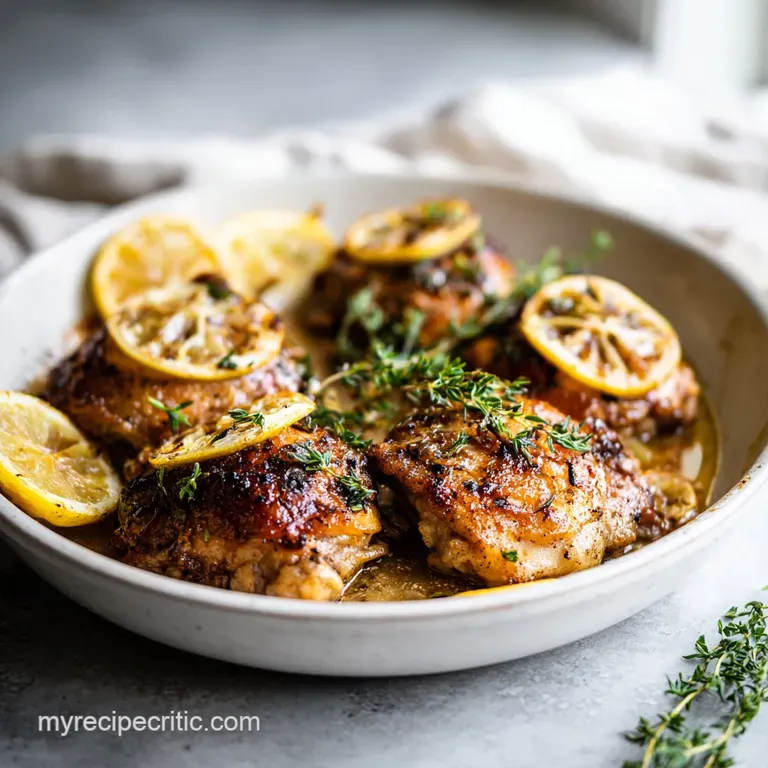
- Time: Active 20 minutes, Passive 35 minutes, Total 55 minutes
- Flavor/Texture Hook: Shatter crisp skin with velvety pan sauce
- Perfect for: Weeknight dinner or impressive Sunday lunch
- Ina Gartens Skillet Roasted Lemon Chicken
- Why High Heat Works Wonders
- Quick Done ness Reference Table
- Component Analysis and Secrets
- Pantry Essentials and Clever Swaps
- Making the Perfect Skillet Chicken
- Fixing Common Skillet Problems
- Adjusting for Larger Crowds
- Kitchen Myths Worth Debunking
- Storing Leftovers and Zero Waste
- Best Sides for Lemon Chicken
- Very High in Sodium
- Recipe FAQs
- 📝 Recipe Card
Ina Gartens Skillet Roasted Lemon Chicken
Forget everything you have been told about the "proper" way to roast a bird. You do not need a deep roasting pan, you do not need a complicated rack, and you certainly do not need to spend your entire Sunday afternoon hovering over a hot stove.
I used to think that a respectable roast chicken required hours of basting and a degree in structural engineering to tie the legs together just right. Then I tried this method, and honestly, I am never going back to the old way.
The sound of that skin crackling when it hits the 450 degree air is something you have to hear to believe.
We have all been there, staring at a whole chicken in the fridge, wanting that cozy home cooked vibe but dreading the cleanup. This recipe is the answer because it embraces the beauty of the cast iron skillet.
The moment you pull this out of the oven, the aroma of charred lemon and toasted garlic will fill your kitchen, making the fact that your sink is currently full of breakfast dishes feel totally irrelevant.
It is a one pan miracle that delivers meat so tender it nearly falls away from the bone, paired with skin that has a genuine snap to it.
I promise you that once you master the simple technique of flattening the bird, you will feel like a total pro. It is about working smarter, not harder. We are using high heat and direct contact to get results that usually take twice as long.
You are going to get those lovely, jammy onions and lemons that have practically melted into the chicken fat, creating a base for a sauce that you will want to drink with a spoon. Let's get into how this actually works and why it is a game changer for your weeknight rotation.
Why High Heat Works Wonders
The success of this dish relies on a few fundamental mechanical shifts in how we apply heat to the bird. By changing the shape of the chicken and the vessel it sits in, we are manipulating how moisture and fat behave during those 35 minutes in the oven.
- Surface Area Maximization: Spatchcocking increases the exposed surface area, allowing the high 450°F heat to hit the skin uniformly rather than getting trapped in the cavity.
- Conductive Heat Transfer: The heavy cast iron skillet holds onto massive amounts of thermal energy, searing the onions and lemons underneath to create a flavorful, aromatic steam.
- Fat Rendering Efficiency: High heat quickly liquefies the subcutaneous fat, which then "fries" the skin from the inside out, creating that coveted shatter crisp texture.
- Enzymatic Breakdown: The acid from the lemon slices begins to tenderize the connective tissues almost immediately, ensuring the breast meat stays juicy despite the intense temperature.
Quick Done ness Reference Table
| Thickness | Internal Temp | Rest Time | Visual Cue |
|---|---|---|---|
| 1 inch (Breast) | 165°F | 10 minutes | Juices run clear when pierced |
| 1.5 inches (Thick) | 165°F | 10 minutes | Skin is dark mahogany brown |
| Leg/Thigh Joint | 170°F | 10 minutes | Joint moves freely when wiggled |
Checking the temperature at the 30 minute mark is a smart move. Every oven runs a little differently, and in a 450°F environment, five minutes can be the difference between juicy and dry.
If you find the skin is browning too fast but the meat isn't there yet, a loose piece of foil over the top works wonders.
Component Analysis and Secrets
| Ingredient | Science Role | Pro Secret |
|---|---|---|
| Whole Chicken | Primary Protein | Pat the skin with paper towels until it feels like parchment paper. |
| Fresh Thyme | Volatile Aromatics | Rub the leaves between your palms to release the oils before chopping. |
| Cold Butter | Emulsifier | Whisk it in at the very end to create a glossy, "bistro style" sauce. |
| Cast Iron Skillet | Thermal Mass | It mimics a professional stone oven by radiating heat from the bottom. |
Using a heavy pan is non negotiable here. If you use a thin stainless steel pan, the onions and lemons will likely scorch before the chicken is done. The cast iron acts as a buffer, turning that harsh heat into a steady, caramelizing glow that treats the aromatics with respect.
Pantry Essentials and Clever Swaps
To get that authentic flavor, you really want to stick to the basics. The beauty of this dish lies in the high-quality chicken stock and the fresh lemons. However, I know life happens and sometimes the pantry is looking a bit bare.
If you find yourself missing a few things, there are ways to pivot without losing the soul of the meal.
- Whole roasting chicken (3.5 to 4 lbs): The size matters. If it's too big, it won't cook through in 35 minutes.
- Olive oil: You need 5 tbsp total. It helps the salt and thyme stick to the skin.
- Kosher salt & Black pepper: Don't be shy with the salt; it's what makes the skin crispy.
- Fresh thyme (2 tbsp): The woody herb holds up well to the high heat.
- Lemons: You'll need one for zesting and two for slicing and juicing.
- Yellow onion: Sliced into wedges, these become incredibly sweet and jammy.
- Garlic (6 cloves): Smashed, not minced, so they don't burn at 450°F.
- Dry white wine (0.5 cup): Something like a Pinot Grigio or Sauvignon Blanc.
- Chicken stock (0.5 cup): high-quality stock makes a massive difference in the pan sauce.
- Unsalted butter (2 tbsp): Keep this in the fridge until the very last second.
| Original Ingredient | Substitute | Why It Works |
|---|---|---|
| Dry White Wine | Extra Chicken Stock + 1 tsp Vinegar | Maintains volume and acidity. Note: Sauce will be less complex but still tasty. |
| Fresh Thyme | Fresh Rosemary | Similar resinous quality. Note: Rosemary is much stronger, so use slightly less. |
| Yellow Onion | Shallots | Sweeter and more delicate. Note: They cook faster, so cut them into larger chunks. |
If you are looking for a side that handles all that beautiful pan sauce, the starch in a Broccoli Casserole recipe is a fantastic companion. The cheesy, velvety texture of the casserole plays really well against the sharp acidity of the lemon chicken. Plus, it fills up the table if you are feeding a hungry crowd.
Making the Perfect Skillet Chicken
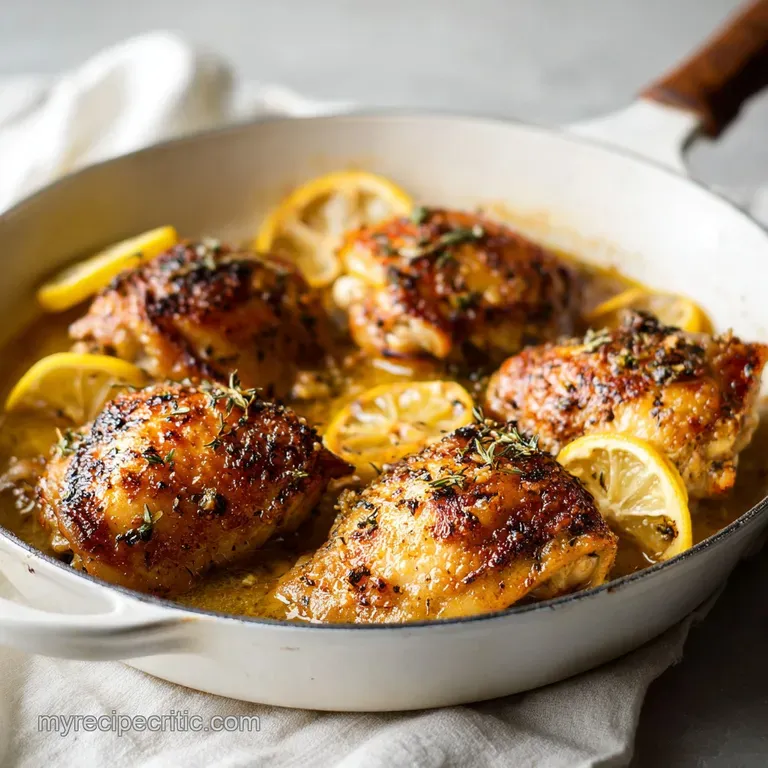
- Preheat the oven to 450°F (230°C) and ensure your rack is in the center position. Note: This high heat is essential for the skin's texture.
- Spatchcock the chicken by cutting out the backbone with heavy duty kitchen shears. Turn it over and press firmly on the breastbone until you hear a crack.
- Dry the skin thoroughly with paper towels. Do this until the paper towels come away completely bone dry.
- Mix the rub by combining 3 tbsp olive oil, kosher salt, pepper, thyme, and lemon zest in a small bowl.
- Apply the seasoning by rubbing the mixture generously over and under the chicken skin. Note: Getting oil under the skin helps render the fat better.
- Prep the skillet by tossing the lemon slices, onion wedges, and smashed garlic with the remaining 2 tbsp of olive oil directly in the pan.
- Nestle the bird skin side up on top of the lemon and onion bed. This prevents the bottom of the chicken from steaming in its own juices.
- Roast for 35 minutes or until the skin is a deep, dark brown and the internal temperature hits 165°F.
- Rest the meat on a cutting board for at least 10 minutes. This is the most important step for juicy meat.
- Finish the sauce by placing the skillet on the stovetop over medium heat. Add wine and stock, scraping up all those flavorful brown bits.
- Emulsify the sauce by whisking in the cold butter and fresh lemon juice until it looks glossy and thickened.
Fixing Common Skillet Problems
Sometimes things go sideways, even for the most seasoned home cooks. I once forgot to dry the chicken and ended up with something that looked more like a boiled bird than a roasted one. It was a sad day, but I learned that moisture is the enemy of the "shatter" effect we are looking for.
Why Your Chicken Skin Is Soggy
If your skin looks pale and feels soft, it usually comes down to one of two things: excess moisture or low heat. If you didn't pat the bird dry, the oven has to spend the first ten minutes evaporating that water before it can even start browning the skin.
Also, make sure your oven is actually at 450°F. Many ovens lie! Use an oven thermometer if you aren't sure.
Fixing a Bitter Sauce
If the pan sauce tastes unpleasantly bitter, you might have let the lemon seeds or the white pith of the lemon wedges stay in the pan for too long, or they might have scorched. You can balance this out by adding a tiny pinch of sugar or an extra tablespoon of butter.
The fat and sweetness will round out those sharp, bitter edges.
| Problem | Root Cause | Solution |
|---|---|---|
| Burnt Garlic | Smashed too small or heat too high | Keep cloves whole and "smash" just to crack the skin. |
| Dry Breast Meat | Overcooked or didn't rest | Pull at 160°F; carryover heat will finish it to 165°F. |
| Thin Sauce | Not enough reduction | Simmer for 2 extra minutes before adding butter. |
Common Mistakes Checklist
- ✓ Never skip the drying step; use more paper towels than you think you need.
- ✓ Ensure the butter is ice cold when it hits the pan to create a proper emulsion.
- ✓ Don't overcrowd the skillet with too many onions; they will steam the chicken.
- ✓ Let the chicken rest! Slicing it too early lets all the juice run onto the board.
- ✓ Check your oven temperature with an external thermometer for accuracy.
Adjusting for Larger Crowds
Scaling a roast chicken recipe can be tricky because of the physical space it occupies. If you need to feed eight people instead of four, you might be tempted to just cram two chickens into one pan. Please, don't do that. You will end up with a soggy mess because the chickens will steam each other.
If you are doubling the recipe, you really need two separate 12 inch cast iron skillets. You can put them both in the oven at the same time, but you might need to rotate them halfway through to account for hot spots. For the spices and salt, you can go ahead and double them exactly.
However, for the liquids (wine and stock), only increase them by about 1.5 times. If you have too much liquid, it won't reduce down into that syrupy, velvety consistency in time.
Chef's Tip: If you are scaling down and only cooking for two, you can use a smaller chicken or even just chicken thighs, but you must reduce the roasting time by about 10-15 minutes. The high heat remains the same!
If you're looking for another great side that scales easily, my Greek Lemon Potatoes can be tossed into a second pan right next to the chicken. They use similar flavors, so you aren't buying a whole new set of ingredients, and they soak up any extra pan sauce like a dream.
Kitchen Myths Worth Debunking
There is a long standing myth that searing meat "seals in the juices." Science tells us this isn't true. Moisture loss happens as the protein fibers contract under heat. The real reason we want that over high heat sear or roast is for the flavor and texture of the skin.
The crust is all about taste, not a moisture barrier.
Another myth is that you must wash your chicken before cooking. Please, for the love of your kitchen counters, do not do this. Washing the chicken just splashes bacteria all over your sink and prep area. The 450 degree oven is more than capable of handling any surface bacteria.
Focus on drying the skin with paper towels instead that is the only "cleaning" a chicken needs.
Storing Leftovers and Zero Waste
If you actually have leftovers (which is rare in my house), they keep beautifully in the fridge for up to 3 days. Store the chicken and the sauce separately if you can. When you go to reheat it, do it in a pan over medium heat with a splash of water or stock to keep it from drying out.
Avoid the microwave if you want to keep the skin even remotely crispy.
For a zero waste approach, never throw away that chicken carcass. Even after you have picked it clean, those bones are full of flavor. Throw them into a pot with some veggie scraps (the onion ends and celery tops you'd usually toss) and water.
Simmer it for a few hours, and you have a homemade stock that beats anything from a carton. You can even freeze the lemon peels if you haven't charred them too badly; they are great for flavoring water or making a quick cleaning solution.
Best Sides for Lemon Chicken
When you are serving something this bold and zesty, you want sides that can either stand up to the acidity or provide a creamy contrast. I personally love serving this with something that has a bit of "soak up" potential.
A simple crusty baguette is the easiest way to make sure not a single drop of that wine and butter sauce goes to waste.
- If you want a hearty meal: Serve with roasted root vegetables or a thick slice of sourdough.
- If you want something lighter: A simple arugula salad with a quick vinaigrette cuts through the richness of the chicken fat.
- If you want a classic pairing: Go with mashed potatoes or a rice pilaf to act as a canvas for the sauce.
The beauty of this roasted lemon chicken is that it feels like a fancy bistro meal but requires very little actual "work." It is the kind of recipe that makes you look like a much more organized cook than you probably feel on a Tuesday night.
Just remember: dry the skin, crank the heat, and let the cast iron do the heavy lifting. You've got this!

Very High in Sodium
860 mg 860 mg of sodium (37% 37% of daily value)
The American Heart Association recommends limiting sodium intake to less than 2,300mg per day, with an ideal limit of less than 1,500mg for most adults.
Tips to Reduce Sodium
-
Halve the Kosher Salt-25%
Reduce the 1 tablespoon of kosher salt to 0.5 tablespoon. Salt is a primary source of sodium, and this adjustment will significantly lower the overall content.
-
Choose Low-Sodium Stock-30%
Swap the 0.5 cup of high-quality chicken stock for low-sodium or no-salt added chicken stock. This ingredient can contribute a considerable amount of hidden sodium.
-
Enhance Lemon Flavor-5%
Increase the use of lemon zest and fresh lemon juice. These ingredients provide bright, citrusy flavors that can help compensate for reduced saltiness, so you might be able to omit some salt.
-
Boost Herbs and Spices
Generously use fresh thyme leaves and freshly cracked black pepper. Herbs and spices add depth of flavor without adding sodium, making food more satisfying.
-
Maximize Aromatics
Ensure the garlic and onion are well distributed and cooked to release their full flavor. Their savory notes contribute to the overall taste profile of the dish.
Recipe FAQs
How to ensure the chicken skin gets extra crispy?
Pat the chicken bone dry with paper towels before applying any seasoning. Removing all surface moisture is the most critical step to ensure the skin roasts to a deep, golden brown rather than steaming in the skillet.
Is it true I should use a higher oven temperature for more crisp?
No, this is a common misconception. You must maintain the recipe's 450°F setting, as it provides the intense heat necessary to render fat and crisp the skin within the 35-minute window without drying out the meat.
How to check if the chicken is fully cooked?
Insert an instant read thermometer into the thickest part of the breast. The chicken is safe and ready to remove from the oven the moment it registers 165°F.
How to make the pan sauce glossy and smooth?
Whisk in cold butter at the very end of the simmering process. If you enjoyed mastering this emulsion technique here, you will find it is the secret to creating a rich, velvety pan sauce from chicken drippings and stock.
Can I store leftovers for later?
Yes, keep leftovers in an airtight container in the refrigerator for up to 3 days. Store the chicken and sauce separately to prevent the meat from becoming soggy, and reheat in a skillet rather than a microwave to preserve the remaining skin texture.
How to properly prep the chicken before roasting?
Spatchcock the bird by removing the backbone with kitchen shears and pressing down on the breastbone. This flattens the chicken, allowing the legs and breasts to cook evenly in the 450°F oven.
How to prevent the onions from burning?
Spread the onions and lemon slices in an even, single layer across the base of the 12 inch skillet. Placing the chicken directly on top shields the aromatics from direct heat and allows them to caramelize in the chicken juices instead of burning.
Ina Garten Skillet Lemon Chicken
Ingredients:
Instructions:
Nutrition Facts:
| Calories | 812 calories |
|---|---|
| Protein | 59 g |
| Fat | 56 g |
| Carbs | 8 g |
| Fiber | 2 g |
| Sugar | 3 g |
| Sodium | 860 mg |
