Velvety Hot Dog Bun Recipe
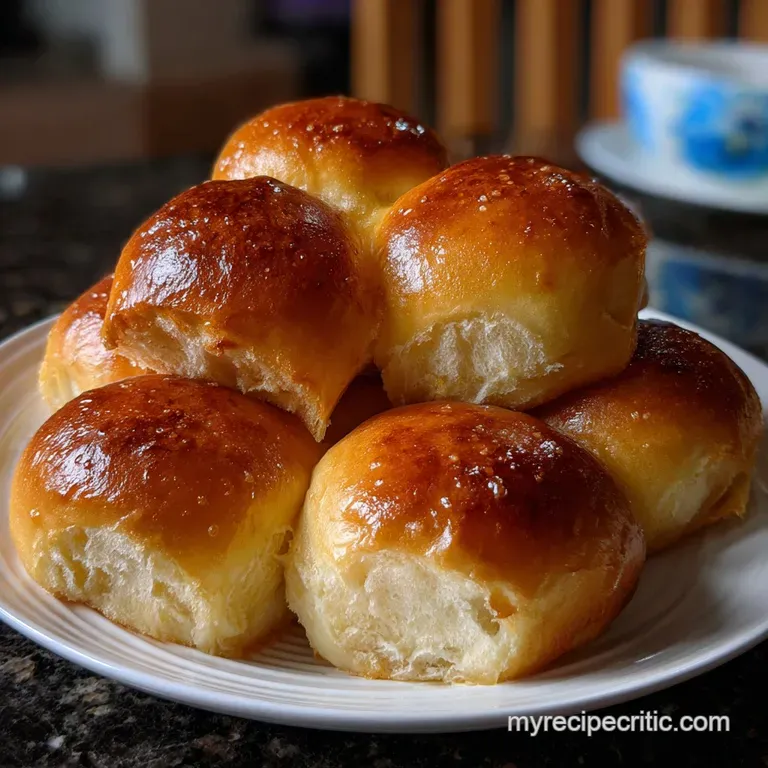
- Effort/Time: 1 hour active / 1 hour 15 minutes total
- Flavor Hook: Buttery, brioche-adjacent richness with a subtle sweetness.
- Perfect for: Backyard-barbecues, gourmet-sausages, and toasted-lobster-rolls.
- Mastering the Ultimate Soft and Pillowy Hot Dog Bun Recipe
- The Scientific Foundation of a Cloud Like Bun Structure
- Precision Metrics for Your Homemade Hot Dog Bun Recipe Success
- The Flavor Architecture: Curating Your Dough Elements
- Essential Tools for Achieving Consistent Dough Texture
- The Layered Process of Crafting Your Hot Dog Bun Recipe
- Solving Structural Failures and Dough Proofing Issues
- Creative Adaptations for Your Custom Bun Flavor Profile
- ⚗️ The Scaling Lab: The Physics of Quantity
- Common Myths
- Preserving Freshness and Texture Integrity for Later Use
- Optimizing the Sensory Experience of Your Finished Buns
- Recipe FAQs
- 📝 Recipe Card
Mastering the Ultimate Soft and Pillowy Hot Dog Bun Recipe
There is nothing more frustrating than spending thirty dollars on premium Wagyu beef franks only to have them fall through the bottom of a dry, cardboard like store-bought bun. I remember a Fourth of July where I served beautiful grilled sausages on generic buns, and the bread literally shattered upon the first bite, leaving my guests with a handful of mustard soaked crumbs.
It was a texture failure that ruined the entire sensory experience of the meal.
I spent months destroying batches of dough some so dense they could double as doorstops, others so weak they deflated the moment I brushed them with glaze. I realized I was rushing the hydration process and ignoring the physics of fat incorporation.
You cannot simply dump everything into a bowl and expect greatness; the dough texture requires a specific sequence to allow the gluten to develop before the fat coats the proteins.
The breakthrough for this hot dog bun recipe came when I looked at the science of "enrichment." By using 1 cup whole milk warmed to exactly 110°F, we trigger a rapid yeast bloom while the milk proteins (casein) weaken the gluten just enough to ensure a tender bite.
The result is a bun with a mahogany colored exterior and a velvety interior that handles the sizzle of a hot link without flinching.
The Scientific Foundation of a Cloud Like Bun Structure
- Lipid Interference: Softened butter coats gluten strands, preventing them from forming a tough, rubbery web, resulting in a tender "short" crumb.
- Osmotic Pressure Management: 2 tbsp granulated sugar provides immediate fuel for the 7g active dry yeast, accelerating CO2 production for a faster rise.
- Protein Denaturation: Using a room temperature egg introduces lecithin, a natural emulsifier that binds the water and fat for a uniform dough texture.
- Starch Gelatinization: The internal temperature of 190°F during baking ensures the starch molecules swell and set, providing the bun's airy architecture.
For a complete meal, this hot dog bun recipe pairs perfectly with my Air Fryer Hot recipe which provides the necessary snap to contrast the soft bread.
| Ingredient | Chemical/Physical Role (Science) | The Pro Secret (Why This Matters) |
|---|---|---|
| 7g Active Dry Yeast | CO2 fermentation via sugar metabolism | Ensures a 2 inch vertical rise without a yeasty aftertaste |
| 400g All-Purpose Flour | Glutenin and Gliadin network formation | Provides the "muscle" to hold heavy condiments |
| 4 tbsp Unsalted Butter | Lipid coating of gluten molecules | Creates the velvety, "pull apart" interior texture |
| 1 cup Whole Milk | Protease inhibition and hydration | Milk solids contribute to the Maillard reaction (browning) |
Precision Metrics for Your Homemade Hot Dog Bun Recipe Success
- 1. Liquid Temperature
- 110°F (Too cold stalls yeast; above 120°F kills it).
- 2. Dough Weight
- 400g total flour weight provides the exact density for 9 buns.
- 3. Internal Bake Temp
- 190°F ensures the center is fully set without drying the crust.
| Cooking Method | Texture Outcome | Flavor Profile |
|---|---|---|
| Standard Oven | Uniform mahogany crust, soft sides | Traditional, buttery, and sweet |
| Toasted Stovetop | Shattering exterior, warm center | Enhanced Maillard notes, rich umami |
The Flavor Architecture: Curating Your Dough Elements
- 1 cup Whole Milk (warmed to 110°F): Why this? High fat and protein content create a tighter, softer crumb than water based doughs.
- 2 tbsp Granulated Sugar: Why this? Acts as a humectant, retaining moisture so buns stay fresh for 48 hours.
- 7g Active Dry Yeast: Use Red Star or Fleischmann’s for consistent fermentation.
- 400g King Arthur All-Purpose Flour: Why this? 11.7% protein content offers the ideal balance of strength and tenderness.
- 1 tsp Diamond Crystal Fine Sea Salt: Regulates yeast activity and enhances the butter flavor profile.
- 1 Large Egg (room temperature): Adds structure and a rich, golden hue to the crumb.
- 4 tbsp Land O'Lakes Unsalted Butter (softened): Why this? Allows for easy integration into the gluten network without breaking the emulsion.
- 1 Large Egg + 1 tbsp Water (for glaze): Creates the signature glossy, mahogany colored top.
| Original Ingredient | Substitute | Why It Works |
|---|---|---|
| Whole Milk | Oat Milk (Full Fat) | Similar protein-to-sugar ratio; yields a slightly nuttier finish. |
| Unsalted Butter | Coconut Oil (Solid) | High fat content; results in a lighter, more tropical aroma. |
| All-Purpose Flour | Bread Flour | Higher protein (13%) creates a chewier, more New York style bun. |
Essential Tools for Achieving Consistent Dough Texture
Using a KitchenAid Stand Mixer with a dough hook attachment is non-negotiable for achieving the proper gluten development in this hot dog bun recipe without adding excess flour.
You will also need a Digital Food Scale to ensure each of the 9 buns is identical in weight, preventing uneven baking.
I recommend a USA Pan Half Sheet with a Silpat Silicone Baking Mat to prevent the bottoms from browning too quickly before the centers set. Finally, a Thermapen One Digital Thermometer is the only way to guarantee you’ve reached the 190°F internal target for a velvety finish.
The Layered Process of Crafting Your Hot Dog Bun Recipe
- Whisk 1 cup whole milk (110°F) with 2 tbsp granulated sugar and 7g active dry yeast in your stand mixer bowl. Note: Sugar provides the energy for the yeast to bloom.
- Rest the mixture for 10 minutes until a thick, foamy head forms on the surface.
- Add 400g all-purpose flour and 1 tsp fine sea salt to the yeast mixture. Note: Salt strengthens the gluten but must not touch yeast directly during blooming.
- Incorporate 1 large egg (room temperature) using the dough hook on low speed until a shaggy, hydrated mass forms.
- Add 4 tbsp softened unsalted butter one tablespoon at a time until the fat is fully emulsified and the dough looks glossy.
- Knead on medium speed for 7 minutes until the dough clears the sides of the bowl and feels tacky but not sticky.
- Ferment in a greased bowl for 1 hour until the dough has visibly doubled in size and looks airy.
- Divide the dough into 9 equal portions (approx. 85g each) until all pieces are uniform to ensure even baking.
- Shape each portion into a 5 inch log and place on a baking sheet until they are spaced 1/2 inch apart to encourage sideways growth.
- Proof for 45 minutes until the buns are puffy and touching each other slightly.
- Whisk 1 egg with 1 tbsp water and brush the tops until every surface is glistening.
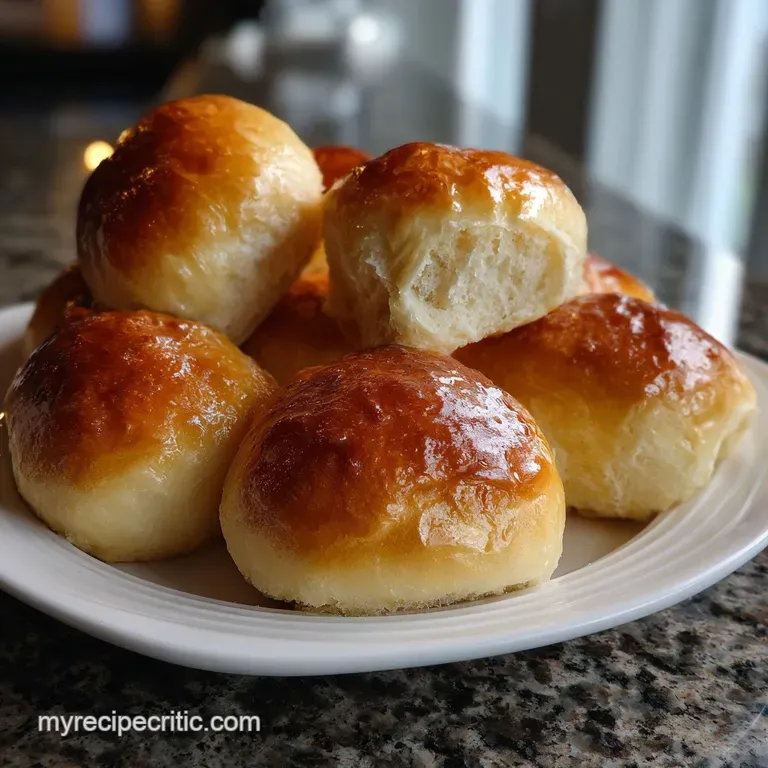
- Bake at 375°F for 15 minutes until the tops turn a deep mahogany brown and the sizzle of the butter is audible.
Solving Structural Failures and Dough Proofing Issues
Why Your Buns Are Dense or Heavy
If your hot dog bun recipe results in a "leaden" texture, it is likely due to under proofing or cold ingredients. When yeast is chilled by a cold egg or milk, its metabolism slows, preventing the formation of the large CO2 bubbles required for a pillowy crumb.
Starch gelatinization cannot occur properly if the dough is too cold entering the oven.
| Problem | Root Cause | The Fix | Pro Protocol |
|---|---|---|---|
| Buns Splitting | Improper shaping tension | Roll dough tightly into cylinders | Pinch the bottom seam aggressively to lock in gases |
| Sticky Dough | High humidity or low flour | Add flour 1 tbsp at a time | Use weight measures (400g) rather than cups for accuracy |
| Pale Crust | No egg wash or low temp | Brush generously with egg/water | Ensure oven is fully preheated to 375°F for Maillard reaction |
Creative Adaptations for Your Custom Bun Flavor Profile
If you find yourself wanting a more rustic, hearty base for your sausages, you can adapt this technique using elements from my Wheat Bread recipe, which introduces complex bran flavors.
New England Style (Split Top)
To achieve the flat sided look of a lobster roll bun, place the shaped logs inside a high sided rectangular cake pan. As they rise and bake, they will fuse together. After baking, you pull them apart to reveal soft, white sides that are perfect for toasting in a Lodge Cast Iron Skillet with plenty of butter.
Garlic & Herb Buns
Before the second rise, fold 1 tsp of garlic powder and 1 tbsp of minced fresh parsley into the dough. The sulfur compounds in the garlic will subtly interfere with gluten formation, resulting in an even softer, more fragile crumb that pairs beautifully with Italian sausages.
Chef's Tip: To get a professional high gloss finish, brush the buns with melted butter immediately after pulling them out of the oven. The heat will cause the butter to soak into the egg-wash layer, creating a semi permeable membrane that keeps the bread soft for days.
⚗️ The Scaling Lab: The Physics of Quantity
- Fermentation Heat: When doubling this hot dog bun recipe, the larger mass of dough generates significant internal heat (exothermic reaction). Check your first rise 20% earlier than the 1 hour mark to prevent over fermentation.
- The Square Cube Law: A double batch of dough has more volume relative to its surface area. The center will take longer to reach room temperature; ensure your milk is accurately 110°F to kickstart the core.
- Pan Crowding: If baking 18 buns at once, the moisture release in the oven will increase humidity. You may need to extend the bake time by 3 5 minutes to ensure the crust reaches the desired mahogany color.
- Salt Saturation: If you scale to 2x, only use 1.5x the salt (1.5 tsp). Salt's ability to inhibit yeast scales non-linearly, and too much will kill the rise in large batches.
Common Myths
- Myth: Kneading longer always makes better bread.
- Truth: Over kneading in an enriched hot dog bun recipe can "shear" the gluten, leading to a crumbly, dry texture rather than a soft one. Stop once the dough is smooth.
- Myth: Sugar is only for sweetness.
- Truth: Sugar is a tenderizer. It interferes with gluten development and holds onto water molecules, ensuring the bun doesn't turn into a cracker in the oven.
Preserving Freshness and Texture Integrity for Later Use
- Fridge: Store in an airtight Ziploc bag for up to 4 days. The starch will undergo retrogradation (firming), so always reheat before serving.
- Freezer: These buns freeze exceptionally well. Wrap individually in plastic wrap, then place in a freezer bag for up to 3 months.
- Reheating: Wrap in a damp paper towel and microwave for 15 seconds, or split and toast in a buttered skillet until the edges crackle.
💡 ZERO WASTE PHILOSOPHY: Don't discard the leftover egg wash. Transform: Whisk it into your morning scrambled eggs or use it as a binder for meatballs. Science: The proteins provide structural stability and extra richness to other savory dishes.
If you have stale buns, don't toss them—Transform: Pulse into breadcrumbs or use for a savory bread pudding. Science: The high fat and sugar content in this hot dog bun recipe creates a superior, golden brown crust when toasted as crumbs.
Optimizing the Sensory Experience of Your Finished Buns
The final layer of flavor comes from how you treat the bun right before serving. While the bread is soft and pillowy on its own, the contrast of a toasted interior is a "Masterclass" move.
- If you want a soft, steamed texture: Place the buns in a steamer basket for 30 seconds before assembly.
- If you want a gourmet crunch: Split the bun and sear the interior faces on a griddle with 1 tbsp of butter until they shatter when pressed with a fork.
- If you want a buttery aroma: Brush the exterior with garlic infused oil while the buns are still 190°F from the oven.
This hot dog bun recipe is designed to behave perfectly under the pressure of heavy meats and sauces. By respecting the science of the 110°F milk and the 400g flour weight, you ensure a repeatable sweetness and a dough texture that rivals any professional bakery. Happy baking!

Recipe FAQs
What is the required internal temperature for these hot dog buns to be fully cooked?
190°F. Achieving this core temperature ensures starch gelatinization sets the airy architecture of the bun perfectly. Failure to reach this point results in doughy centers.
Can I use water instead of milk in this recipe?
No. Milk provides essential fat and protein structure. Water results in a less tender crumb because it lacks the emulsifying properties and solids that contribute to richness. The Maillard reaction will be noticeably muted without the lactose.
Why do my buns deflate slightly after I take them out of the oven?
The internal yeast gases collapsed due to under baking. The internal structure was not set before cooling began, leading to structural failure. If you mastered the technique of developing a stable emulsion in our Lemon Curd: The Bright Buttery Classic Recipe, use the same principle of stable structure setting under heat here.
Should I use bread flour instead of all-purpose flour for a chewier bun?
All-purpose flour yields the optimal texture for this specific recipe. Bread flour (higher protein) creates a stronger gluten network that results in a chewier, less "pillowy" final product. Use bread flour only if you prefer a sturdier, New York style casing.
Do I need to use unsalted butter for this recipe?
Unsalted butter for precision control. Salted brands vary significantly in sodium content, making the overall salt balance (which regulates yeast activity) impossible to standardize accurately. Unsalted allows you to control the flavor based on the 1 tsp of fine sea salt listed.
What is the ideal temperature for the milk to activate the yeast?
110°F is the perfect activation temperature. Temperatures exceeding 120°F immediately begin to denature the active yeast cells, severely limiting CO2 production needed for rise. Below 100°F, the reaction is too slow.
Why are the tops of my buns sticking together when they bake?
You need more space between the logs before the final proof. The dough expands significantly during proofing and baking, causing the sides to fuse if they are too close. Ensure the logs are spaced at least 1/2 inch apart to encourage vertical rise.
Hot Dog Bun Recipe
Ingredients:
Instructions:
Nutrition Facts:
| Calories | 248 kcal |
|---|---|
| Protein | 6.8 g |
| Fat | 7.2 g |
| Carbs | 38.4 g |
| Fiber | 1.2 g |
| Sugar | 4.1 g |
| Sodium | 265 mg |
