Chicken Pastina Soup High Protein
- Time: Active 10 mins, Passive 20 mins, Total 30 mins
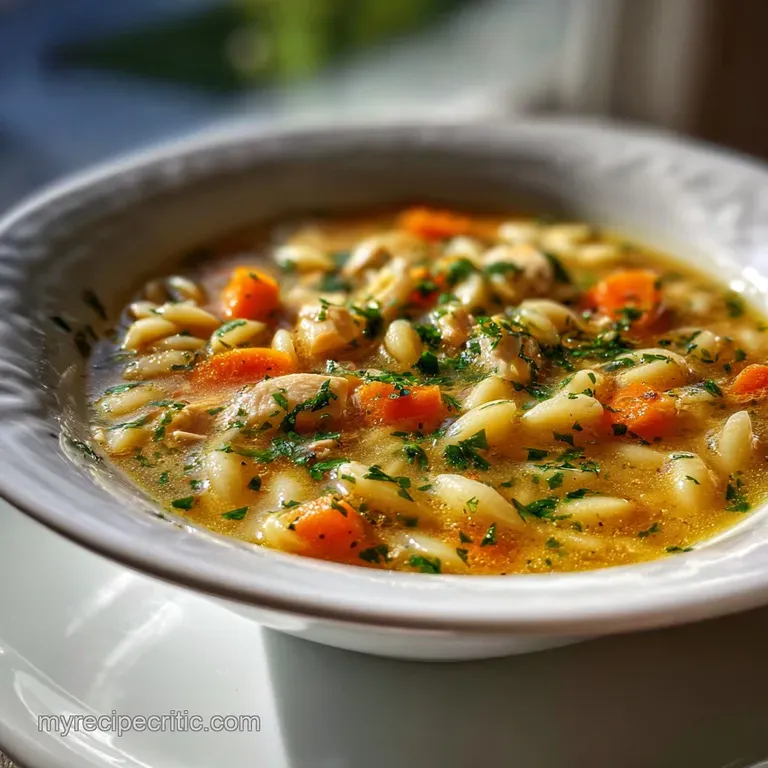
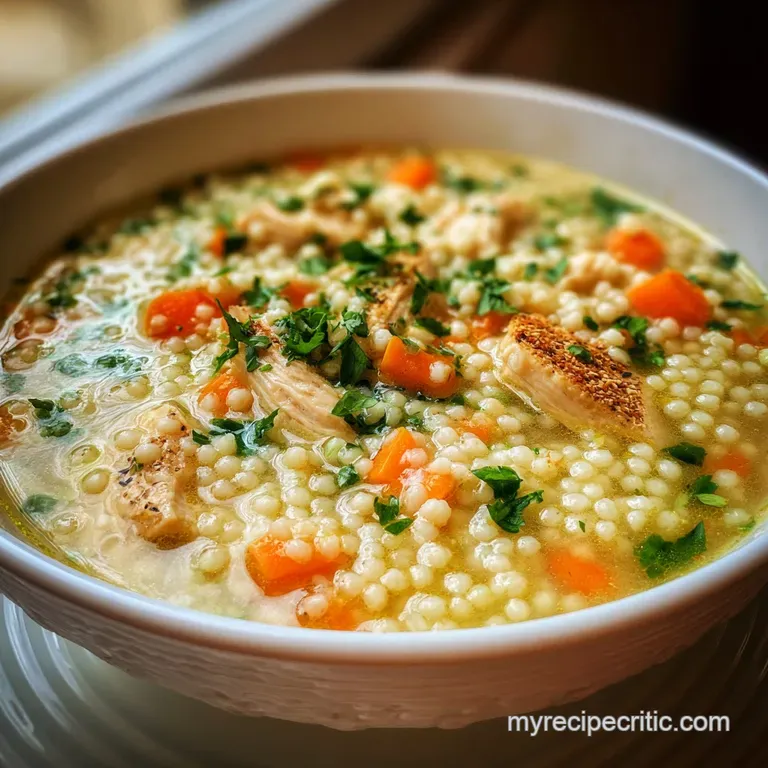
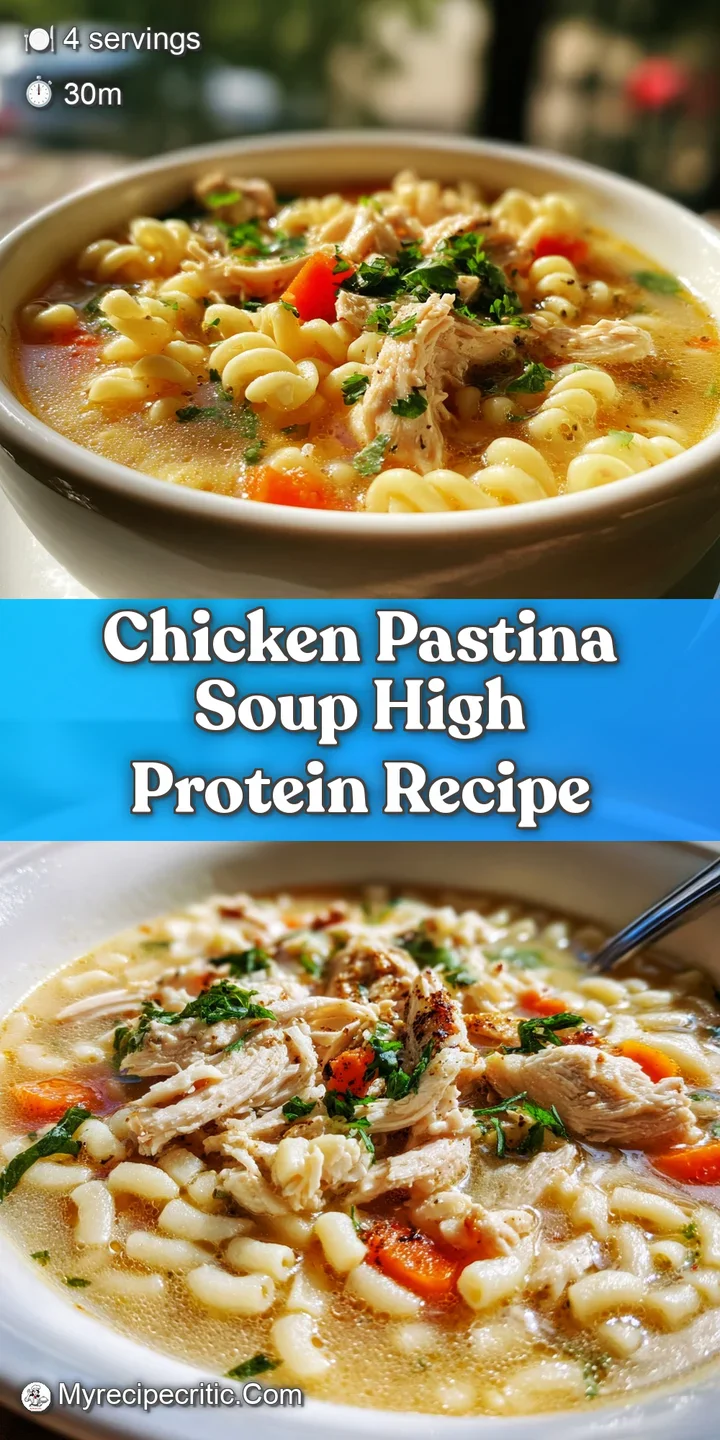
- Flavor/Texture Hook: Silky, velvety broth with tender chicken and "al dente" tiny stars.
- Perfect for: Post workout recovery or a comforting weeknight dinner that actually keeps you full.
- Perfect Chicken Pastina Soup High Protein
- The Physics of the Emulsified Egg
- Component Analysis and Ingredient Science
- Essential Ingredient Breakdown
- Necessary Equipment and Tools
- Bringing the Soup Together
- Solving Common Soup Problems
- Customizing Your Protein Bowl
- Scaling the Recipe Properly
- Kitchen Myths Worth Busting
- Storage and Waste Reduction
- Pairing Suggestions and Sides
- Very High in Sodium
- Recipe FAQs
- 📝 Recipe Card
Perfect Chicken Pastina Soup High Protein
The first time I tried to make a "high protein" version of the classic Italian pastina, it was a literal gluey mess. I thought I could just throw extra chicken in a pot and call it a day, but the balance was all wrong. The pasta sucked up every drop of broth, and the chicken felt like chewing on rubber bands.
I stood in my kitchen, staring at a bowl of beige sadness, and realized I needed to treat the broth with more respect.
Everything changed when I stopped treating this as a simple noodle soup and started thinking about the texture of the liquid itself. Now, when I start this recipe, the sizzle of the finely diced carrots and celery in olive oil is like a starting whistle.
The aroma of garlic hitting the pan makes my kitchen feel like a proper trattoria, and that first "shatter" of the pastina hitting the hot broth is incredibly satisfying.
We are going for something that feels indulgent but hits those macro goals easily. You want a soup that coats the back of a spoon with a velvety finish, not a watery liquid that leaves you hungry an hour later.
This version uses a few tricks I learned after many failed Tuesday night experiments to ensure the chicken stays tender and the protein count stays sky high.
The Physics of the Emulsified Egg
Protein Suspension: Whisking room temperature eggs with Parmesan creates a stable emulsion that thickens the broth into a silky texture without requiring heavy cream or flour. This "stracciatella" technique locks the fat and protein together so they don't separate when they hit the hot liquid.
Chef's Tip: Freeze your Parmesan block for 10 minutes before grating. It prevents the cheese from gumming up the grater and gives you those feather light wisps that melt instantly into the egg mixture.
| Chicken Thickness | Internal Temp | Rest Time | Visual Cue |
|---|---|---|---|
| 1 inch (standard) | 165°F (74°C) | 5 mins | Juices run clear, no pink |
| 0.5 inch (cutlets) | 165°F (74°C) | 3 mins | Fibers pull apart easily |
| 1.5 inch (thick) | 165°F (74°C) | 8 mins | Firm to the touch |
Using a digital thermometer is the only way to ensure 1.5 lbs of chicken breasts don't turn into dry sawdust. If you pull the chicken at exactly 165°F, it will remain juicy even after you shred it and put it back into the steaming broth.
Component Analysis and Ingredient Science
| Ingredient | Science Role | Pro Secret |
|---|---|---|
| Bone Broth | Provides collagen and base protein | Use a low sodium version to control the "salt snap" of the finished dish. |
| Large Eggs | Acts as a thickening emulsifier | Ensure they are room temp to prevent "shock scrambling" in the soup. |
| Pastina | Releases starch for body | Toasting the dry pasta for 60 seconds in oil adds a nutty depth. |
This ingredient lineup is specifically designed to maximize nutrition while keeping the grocery bill low. By focusing on high-quality bone broth and eggs, we are adding layers of flavor that usually take hours to develop in a traditional stockpot.
Essential Ingredient Breakdown
To get the best results for this chicken pastina soup high protein, you need to be specific with your choices. We aren't just making a standard noodle soup; we are building a meal that supports your goals while tasting like a warm hug from a nonna who actually wants you to hit your macros.
- 1.5 lbs chicken breasts: These are our lean protein anchors. Why this? Highest protein to calorie ratio for this specific soup style.
- 6 cups chicken bone broth: This is where the 9g+ of protein per serving comes from. Why this? Much higher protein content than standard chicken stock.
- 3 large eggs: These add richness and extra leucine for muscle synthesis. Why this? Creates the signature silky texture without needing heavy cream.
- 0.5 cup Parmesan or Pecorino: Adds the "umami" punch and helps the eggs emulsify. Why this? Adds depth and saltiness that balances the lean chicken.
- 1 cup dry pastina: I prefer Stelline (little stars) because they hold their shape. Why this? Small surface area ensures a perfect distribution in every spoonful.
- Aromatics (Carrots, Celery, Onion, Garlic): These are non negotiable for flavor.
- 1 tbsp extra virgin olive oil: For sautéing the mirepoix.
- 1 cup baby spinach: For a pop of color and micronutrients.
| Original Ingredient | Substitute | Why It Works |
|---|---|---|
| Bone Broth (6 cups) | Standard Chicken Stock | Lower protein, but same flavor profile. Note: Reduce salt added elsewhere. |
| Pastina (1 cup) | Orzo | Similar texture but slightly larger bite. Note: May need 2-3 extra minutes. |
| Parmesan (0.5 cup) | Nutritional Yeast | dairy-free alternative. Note: Adds a savory, nutty flavor but won't melt the same. |
If you are looking for a deeper flavor profile, you might want to check out my The Homemade Chicken recipe which uses similar base aromatics but a different noodle structure. The key is making sure the substitution doesn't throw off the liquid to solid ratio.
Necessary Equipment and Tools
I’m a firm believer that you don’t need a thousand gadgets, but a few specific items will make your life in the kitchen much easier. For this soup, a heavy bottomed pot, like a 5 quart Dutch oven, is essential for even heat distribution so your garlic doesn't burn while your onions are still translucent.
You will also need a sharp chef's knife for that "finely diced" mirepoix. If the vegetables are too chunky, they won't soften in time with the pasta, and you'll end up with an awkward crunch in a velvety soup. I also highly recommend a balloon whisk for the egg and cheese mixture.
You want that mix to be completely smooth before it hits the broth to avoid large chunks of cooked egg.
Bringing the Soup Together
- Sauté the vegetables. Heat the olive oil in your pot over medium heat. Add the diced carrots, celery, and onion. Sauté for about 5 minutes until the onions are translucent and fragrant.
- Toast the garlic. Add the minced garlic and sauté for 1 minute. Be careful not to let it brown too much, or it will turn bitter.
- Simmer the chicken. Pour in the 6 cups of bone broth and add the whole chicken breasts. Bring to a light boil, then reduce heat to low. Simmer for 12-15 minutes until the chicken reaches an internal temp of 165°F.
- Remove and shred. Take the chicken out and set it on a cutting board. Let it rest for 5 minutes. Use two forks to shred it into bite sized pieces.
- Cook the pastina. While the chicken rests, turn the heat back up slightly and add the 1 cup of dry pastina to the broth. Cook for about 8-10 minutes until the pasta is tender but firm.
- Prep the egg mixture. In a small bowl, whisk the 3 eggs with the 0.5 cup of Parmesan and 0.5 tsp of black pepper. Whisk vigorously until the mixture is pale and smooth.
- Temper the eggs. Take a ladle of the hot broth and slowly drizzle it into the egg mixture while whisking constantly. Note: This prevents the eggs from curdling when they hit the big pot.
- Combine everything. Lower the heat to the lowest setting. Stir the shredded chicken and chopped spinach back into the pot.
- Finish the emulsion. Slowly pour the tempered egg mixture into the soup while stirring gently in a circular motion.
- Final Seasoning. Add the 1 tsp of sea salt (adjust to taste) and stir for 1 minute until the broth looks creamy and slightly thickened.
| Feature | Fast Method (This Recipe) | Classic Method (Traditional) |
|---|---|---|
| Cook Time | 30 minutes | 2-3 hours |
| Protein Source | Chicken Breast + Bone Broth | Whole chicken bones |
| Texture | Velvety/Creamy | Clear/Thin |
The fast method works here because we are using bone broth as a "cheat code" for depth. You get all the collagen benefits of a long simmered stock in a fraction of the time. If you have more time on a weekend, you can try this German Chicken Noodle Soup recipe which relies on a slower extraction of flavor.
Solving Common Soup Problems
One mistake I once made was adding the eggs while the broth was at a rolling boil. I didn't get a silky soup; I got egg drop soup with pasta. It tasted fine, but the texture was "broken." Tempering is your best friend here.
Why Your Pastina Disappeared
If you leave the soup on the heat too long, the pastina will continue to hydrate. These tiny star shaped pastas are like sponges. If the soup looks more like a risotto the next day, it's because the starch has fully bound the liquid.
Why the Broth Feels Gritty
This usually happens if you use pre shredded Parmesan from a green can. That stuff is coated in potato starch or cellulose to prevent clumping, which prevents it from melting smoothly. Always grate your cheese fresh from a wedge for that velvety finish.
| Problem | Root Cause | Solution |
|---|---|---|
| Curdled Eggs | Added to boiling liquid | Remove from heat and temper the eggs first. |
| Mushy Pasta | Overcooked in the broth | Add pastina only in the last 8-10 mins of cooking. |
| Bland Flavor | Not enough acid or salt | Add a squeeze of fresh lemon or extra sea salt. |
Common Mistakes Checklist
- ✓ Never boil the soup after adding the egg mixture (it will grain up).
- ✓ Don't skip the "rest" period for the chicken breasts before shredding.
- ✓ Use room temperature eggs to ensure a smoother emulsion.
- ✓ Finely dice your mirepoix so it cooks at the same rate as the pasta.
- ✓ Use bone broth specifically for that high protein punch.
Customizing Your Protein Bowl
If you want a zesty twist, add the zest of half a lemon and a tablespoon of lemon juice right at the end. The acid cuts through the richness of the Parmesan and eggs, making the whole bowl feel lighter. It's a trick I use whenever I feel like the soup is a bit too "heavy" on a warmer evening.
For those looking for a low carb option, you can actually swap the pastina for riced cauliflower. You won't get the same starch thickening effect, so you might want to add an extra egg yolk to the mixture to maintain that "creamy" mouthfeel.
Honestly, don't even bother with low-fat cheese here; the fat in the Parmesan is what helps create the emulsion that makes this soup high protein so satisfying.
Scaling the Recipe Properly
Scaling Down (Cooking for Two) If you are only making this for two people, you can easily halve the ingredients. Use a smaller 3 quart saucepan and reduce the chicken simmer time by about 2 minutes.
When halving the eggs, I usually use two small eggs or one jumbo egg and an extra splash of broth in the whisking bowl to keep the volume right.
Scaling Up (Meal Prep or Family) When doubling this for a crowd, don't just double the salt immediately. Start with 1.5x the salt and taste as you go. You can use a large stockpot and work in batches if your pot isn't wide enough to sear the vegetables effectively.
The liquid might take 10% longer to reach a boil, so plan for an extra 5 minutes of total time.
Chef's Note: If you're doubling the recipe for meal prep, cook the pastina separately and add it to each bowl. This prevents the pasta from turning into a giant block of starch in the fridge.
Kitchen Myths Worth Busting
A common misconception is that you need heavy cream to make a "creamy" soup. This isn't true. The combination of egg proteins and finely grated cheese creates a stable suspension that mimics the mouthfeel of cream without the extra calories.
It's an old school Italian technique that works perfectly for modern high protein goals.
Another myth is that bone broth is "just expensive stock." While they look similar, bone broth is simmered significantly longer to break down the connective tissue into gelatin and protein. This is why bone broth becomes a jelly when cold, while regular stock stays liquid.
That gelatin is exactly what gives our chicken pastina soup high protein its incredible body.
Storage and Waste Reduction
Storage Guidelines This soup stays fresh in the fridge for up to 3 days. However, be warned: the pastina will continue to absorb liquid. When you reheat it, you will likely need to add a splash of water or more broth to bring it back to a soup like consistency.
I don't recommend freezing this soup once the eggs and pasta are in it, as the texture of the eggs can become spongy and the pasta can become mushy upon thawing.
Zero Waste Tips Don't throw away your Parmesan rinds! Toss them into the broth while the chicken is simmering. They release an incredible amount of savory flavor and a bit of extra protein. Just remember to fish them out before you add the egg mixture.
Also, if you have leftover celery leaves, chop them up and throw them in with the spinach. They have a concentrated celery flavor that is absolutely brilliant.
Pairing Suggestions and Sides
This soup is quite hearty on its own, but it pairs beautifully with a crisp green salad tossed in a simple lemon vinaigrette. The acidity of the salad provides a nice contrast to the savory, velvety broth.
If you're not worried about the extra carbs, a slice of crusty sourdough is perfect for soaking up every last drop of the egg enriched liquid.
If you are looking for another high protein option to serve alongside it, a side of roasted broccoli with toasted almonds provides a great textural contrast. For a quicker alternative that still feels like a treat, try the Rotisserie Chicken Noodle Soup recipe if you have leftover chicken and want a slightly different flavor profile later in the week.
Very High in Sodium
1450 mg mg of sodium per serving (63% of daily value)
The American Heart Association recommends limiting sodium intake to about 2,300mg per day for overall cardiovascular health.
Actionable Tips to Reduce Sodium in Your Chicken Soup
-
Low-Sodium Broth-30%
Swap regular chicken bone broth with a low-sodium or no-salt added variety. This single change can significantly cut down the sodium content.
-
Reduce Added Salt-25%
Reduce the amount of sea salt added to the recipe by half or eliminate it entirely. Taste and adjust seasoning after cooking to avoid over salting. You may not need it at all!
-
Lower Sodium Cheese-15%
Use a smaller amount of Parmesan or Pecorino cheese, or replace it with a lower sodium cheese alternative like part skim mozzarella or ricotta. Reduce the current 0.5 cup by half.
-
Fresh Over Frozen-10%
Use fresh spinach instead of frozen, as some frozen spinach may contain added sodium. Fresh spinach also provides a brighter flavor.
-
Boost Flavor
Enhance flavor with sodium free herbs and spices like garlic powder (use fresh minced garlic in the recipe), onion powder, paprika, and dried herbs to compensate for reduced salt. Fresh herbs work great too!
Recipe FAQs
How to add protein to pastina soup?
Incorporate bone broth and lean shredded chicken. Bone broth provides collagen and amino acids, while extra lean chicken boosts the overall protein content significantly. Using room temperature eggs whisked with Parmesan also adds protein and creates a rich, emulsified texture, similar to the technique used in Classic Filipino Chicken and Pork Adobo Recipe Salty Sour Sublime.
Is pastina high in protein?
No, pastina itself is not high in protein. It's primarily a source of carbohydrates. While it adds body and texture to soup, its protein contribution is minimal compared to ingredients like chicken or bone broth.
Which soup has the highest protein?
Soups with a base of bone broth and substantial lean meat or legumes will have the highest protein. Consider recipes featuring a lot of shredded chicken, beef, or lentils.
This chicken pastina soup, utilizing bone broth and ample chicken, is designed to be very protein dense, aiming for over 60 grams per serving.
How do I add more protein to my soup?
Add lean cooked meats, beans, lentils, or a protein rich broth. Shredded chicken or turkey, cooked chickpeas, black beans, or red lentils are excellent additions. Swapping water or standard stock for bone broth can also significantly increase protein content. For a different approach to protein rich comfort food, explore Franks Buffalo Chicken Dip: Easy 6-Ingredient Classic.
Can I use chicken stock instead of bone broth for higher protein?
No, bone broth will provide significantly more protein than standard chicken stock. Bone broth is simmered longer to extract collagen and gelatin from bones, which are rich in protein. Chicken stock is made primarily from meat and vegetables, offering less protein and a thinner consistency.
Will pastina get mushy in high protein chicken soup?
Yes, pastina can get mushy if overcooked or left in the soup for too long, especially after refrigeration. It absorbs liquid rapidly. To minimize this, cook the pastina only until al dente in the final 8-10 minutes of cooking.
For best results when reheating, consider cooking the pastina separately and adding it just before serving.
How does whisking eggs and Parmesan add protein to soup?
Eggs and Parmesan cheese are both excellent sources of protein. When whisked together and tempered into the hot broth, they create a rich, emulsified texture that not only thickens the soup but also contributes a substantial amount of protein and amino acids, making the dish more satiating and muscle supportive. This technique is similar to how fat and protein are stabilized in other dishes, like in our Roasted Tomato Soup: Slow Roasted with Fresh Tomatoes.
High Protein Chicken Pastina
Ingredients:
Instructions:
Nutrition Facts:
| Calories | 582 kcal |
|---|---|
| Protein | 68 g |
| Fat | 16 g |
| Carbs | 38 g |
| Fiber | 2 g |
| Sugar | 4 g |
| Sodium | 1450 mg |
