One-Pan Roasted Greek Lemon Chicken and Potatoes
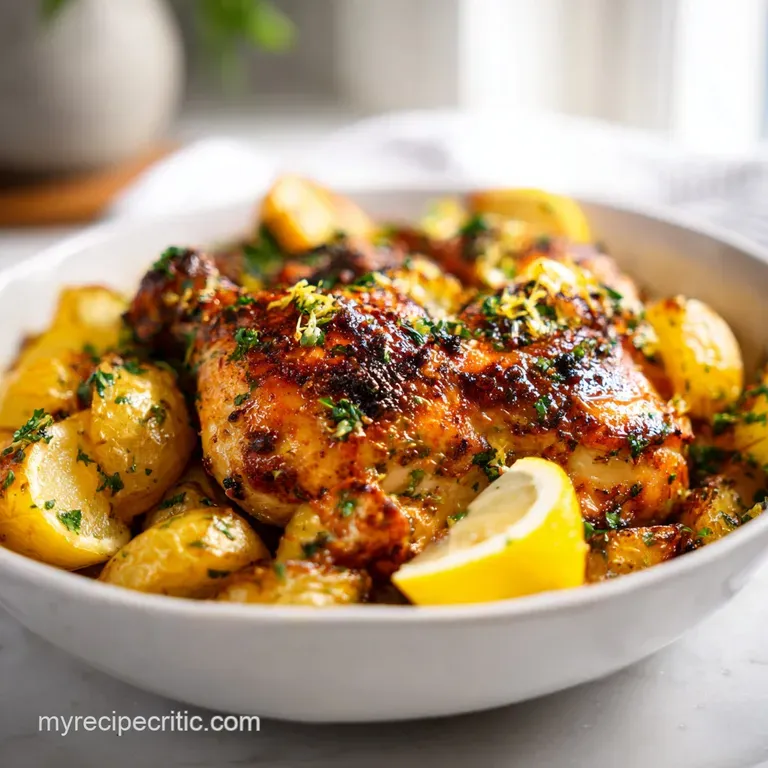
- Time: Active 20 minutes, Passive 75 minutes, Total 95 minutes
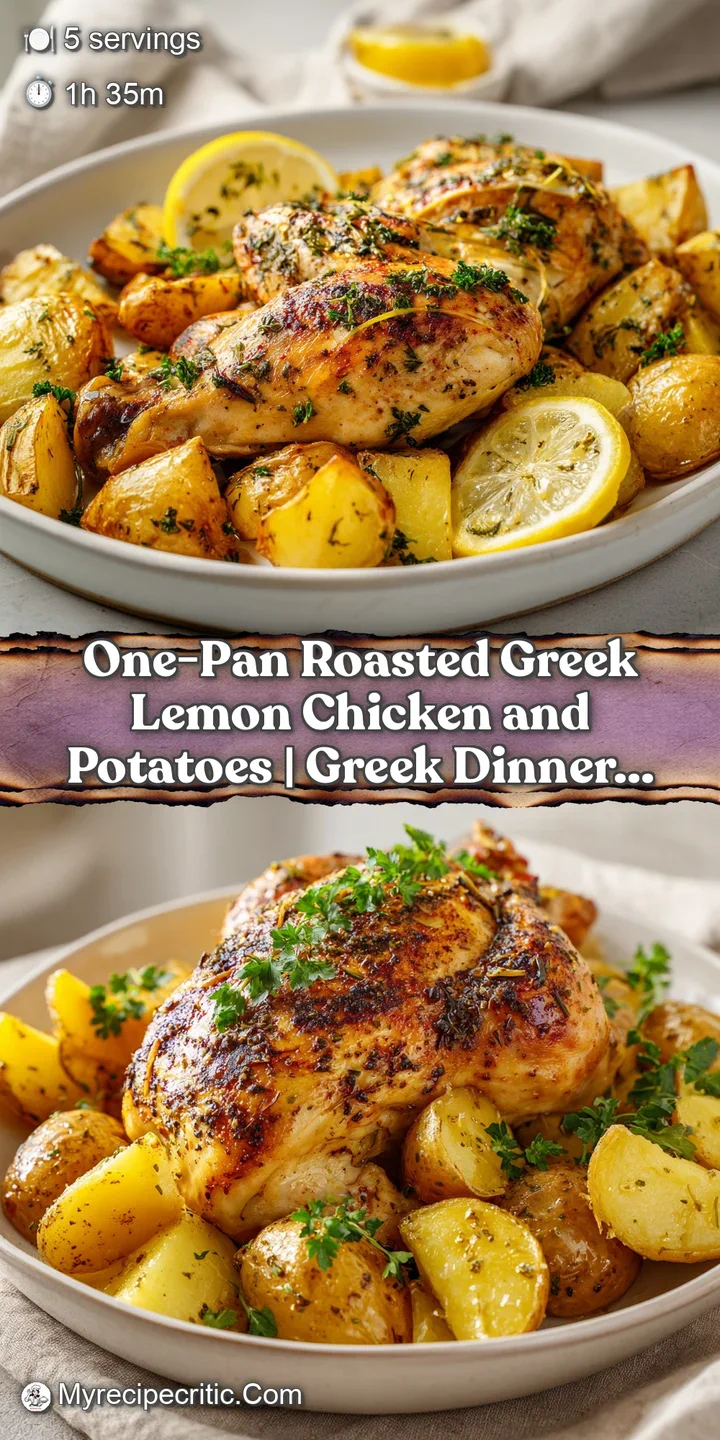
- Flavor/Texture Hook: Shatter crisp skin with velvety, citrus soaked potatoes
- Perfect for: Stress free Sunday family dinners or high protein meal prep
- Creating the Ultimate One Pan Greek Chicken and Potatoes Experience
- High Impact Greek Style Specs
- Essential Ingredients for Mediterranean Flavor
- Tools for a Large Family Roast
- Step-by-Step Roasting and Texture Control
- Expert Fixes for Texture Failures
- Recipe Adaptations and Ingredient Swaps
- Efficient Storage and Repurposing Scraps
- Traditional Serving and Plating Ideas
- Very High in Sodium
- Recipe FAQs
- 📝 Recipe Card
Creating the Ultimate One Pan Greek Chicken and Potatoes Experience
Forget everything you have been told about having to parboil your potatoes to get them soft on the inside while roasting chicken. There is a persistent myth that if you put raw potatoes and raw chicken in the same pan, one will be overcooked while the other stays hard as a rock.
That is simply not true if you understand the geometry of your roasting pan. When I first tried making this in my cramped apartment kitchen years ago, I was terrified of a soggy mess. Instead, the kitchen filled with the sharp, bright aroma of lemons hitting hot oil, and the sizzle from the oven was like music.
The real secret to this dish isn't a fancy technique; it's the chemistry of the fat. As the chicken thighs roast at a high temperature, the skin begins to bubble and the fat renders out, dripping down onto the Yukon Gold wedges.
Those potatoes then essentially confit in a mixture of chicken fat, lemon juice, and olive oil. It is a messy, beautiful process that results in a pan full of gold. You aren't just roasting; you are creating a flavor cycle where every ingredient supports the other.
We are aiming for a specific sensory experience here. We want a skin that provides a literal shatter when your fork hits it, contrasting against a potato that has absorbed so much broth and lemon it feels like silk on the tongue. This isn't a dainty meal.
It is a "set the pan in the middle of the table and let everyone grab a corner" kind of dinner. The sink might be full of dishes by the end, but the satisfaction of that first zesty, salty bite makes every sudsy minute worth it.
High Impact Greek Style Specs
Success with this recipe depends on the interaction between high heat and moisture. Because we are using a significant amount of liquid (lemon juice and broth), we need the oven to be hot enough to evaporate the excess while browning the proteins.
If the oven is too cool, the chicken steams rather than roasts, leading to that dreaded rubbery skin. We also rely on the specific starch content of the potatoes to create a thickened, jammy sauce at the bottom of the pan once the roasting is complete.
The Crunch Mechanism: Semolina or cornmeal acts as a microscopic heat shield, creating extra surface area for the oil to crisp up the potato edges. Acidic Tenderization: The high volume of lemon juice breaks down the tough collagen in the chicken thighs, ensuring the meat stays juicy even at high roasting temperatures.
| Servings | Chicken Quantity | Potato Quantity | Pan Size Needed |
|---|---|---|---|
| 2 People | 1.5 lbs (4 thighs) | 1 lb | 9 inch Cast Iron |
| 5 People | 3.5 lbs (8-10 pieces) | 2.5 lbs | 10x15 Roasting Pan |
| 8 People | 5.5 lbs (14-16 pieces) | 4 lbs | Two 9x13 Bakers |
The choice of pan is just as vital as the ingredients. A pan that is too crowded will trap steam, preventing the potatoes from getting those charred, crispy corners we all crave. If you find yourself with more potatoes than can fit in a single layer, it is better to use two pans than to stack them.
The air needs to circulate around each wedge to transform the texture from boiled to roasted.
Essential Ingredients for Mediterranean Flavor
The quality of your olive oil will dictate the final richness of the sauce. Since we are using a half cup, choose something extra virgin with a peppery finish. The dried oregano is also non negotiable; Greek oregano is typically more savory and less sweet than Mexican varieties. Using the right salt matters too.
Kosher salt has larger grains that don't "hide" in the marinade, allowing you to see exactly how much coverage you have on the meat.
| Ingredient | Science Role | Pro Secret |
|---|---|---|
| Yukon Gold Potatoes | High starch, low moisture | They hold their shape better than Russets while absorbing more fat. |
| Lemon Juice (Fresh) | PH balancer and tenderizer | Zest the lemons before juicing to double the aromatic impact without adding more liquid. |
| Dried Oregano | Lipid soluble flavor | Rub the dried leaves between your palms to "wake up" the oils before adding to the bowl. |
| Chicken Broth | Steam generation | Prevents the garlic from burning in the first 30 minutes of roasting. |
For the marinade and chicken, you will need 3.5 lbs of bone in, skin on chicken thighs. Do not even think about using boneless breasts here; they will dry out long before the potatoes are ready.
You will also need 0.5 cup extra virgin olive oil, 3 large lemons (zested and juiced), 6 cloves of garlic (minced), 2 tablespoons of dried Greek oregano, 1 tablespoon of kosher salt, and 1 teaspoon of cracked black pepper.
For the potatoes, grab 2.5 lbs of Yukon Gold potatoes. Peel them and cut them into thick, uniform wedges. You will also need 0.75 cup low sodium chicken broth and that optional but highly recommended 1 tablespoon of semolina or cornmeal for the crunch factor. Finally, for the garnish, have 0.25 cup of fresh chopped parsley ready to brighten up the heavy flavors. For a different take on Mediterranean poultry, you might enjoy learning about the marinade techniques in this Chicken Gyros recipe.
Tools for a Large Family Roast
You don't need a kitchen full of gadgets, but a heavy bottomed roasting pan is the MVP here. A thin aluminum pan will warp under the 425°F heat and lead to uneven browning. I prefer a large stainless steel roasting pan or a deep ceramic 9x13 dish.
You also want a sturdy whisk to emulsify the oil and lemon juice this ensures the marinade doesn't separate before it hits the chicken.
A meat thermometer is your best friend for avoiding dry meat. While the recipe calls for 75 minutes, every oven behaves differently. Checking for that 165°F (74°C) internal temperature is the only way to be 100% sure you've hit the sweet spot.
Also, a sharp vegetable peeler and a chef's knife are essential for prepping those 2.5 lbs of potatoes into uniform wedges. If the wedges are different sizes, some will turn to mush while others stay crunchy.
Chef's Tip: If you have 10 minutes to spare, freeze your chicken thighs for about 15 minutes before starting. This firms up the skin, making it easier to trim any excess fat without tearing the skin you want to keep for crisping.
step-by-step Roasting and Texture Control
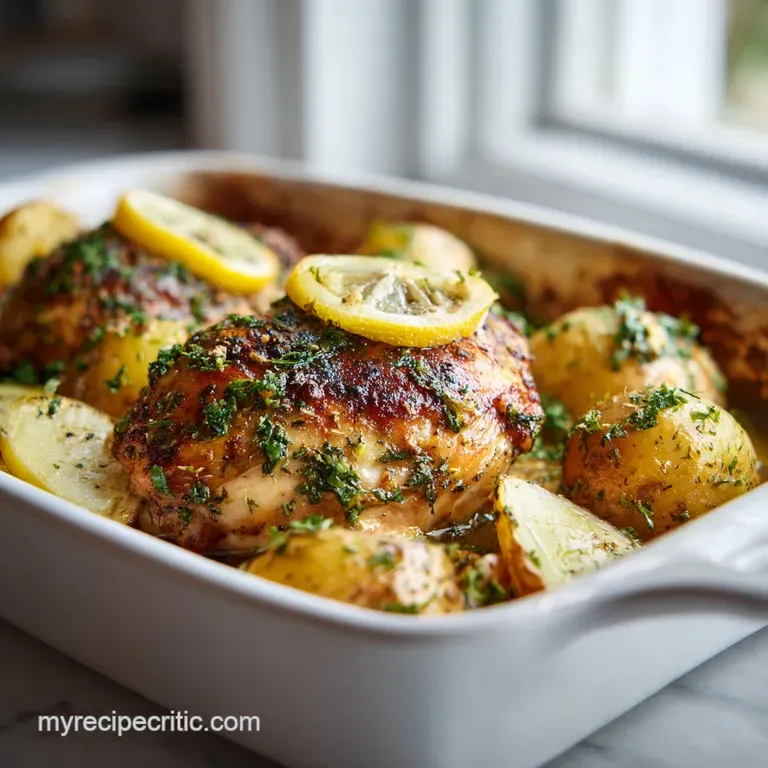
- Preheat the oven to 425°F (220°C). Position your rack in the center to allow even heat distribution above and below the pan.
- Whisk the marinade by combining the olive oil, lemon juice, lemon zest, garlic, oregano, salt, and pepper in a massive bowl. Note: Whisking vigorously creates a temporary emulsion that coats the ingredients better.
- Prep the potatoes by peeling and cutting into wedges about 2cm thick. Add them to the marinade bowl.
- Toss the chicken into the same bowl. Use your hands to massage the marinade under the skin of the chicken pieces.
- Layer the pan by spreading the potatoes in a single layer. Sprinkle the semolina over them until they look lightly dusted.
- Nestle the chicken on top of the potatoes, ensuring the skin side is facing up and not covered by any stray potato wedges.
- Add the liquids by pouring the leftover marinade and the 0.75 cup of chicken broth into the corners of the pan. Note: Don't pour over the chicken skin or you'll wash away the salt and oil needed for crisping.
- Roast for 75 minutes without covering. The kitchen should start smelling like a Greek island about 30 minutes in.
- Check for doneness once the skin is dark golden and the potatoes feel soft when pierced. The internal temp should hit 165°F.
- Rest the meat for 10 minutes. This allows the juices to redistribute and the bottom sauce to thicken slightly.
- Garnish and serve with fresh parsley and a final dusting of oregano for that hit of raw herbal aroma.
Expert Fixes for Texture Failures
One of the most frustrating things is pulling a pan out and finding the potatoes are submerged in liquid. This usually happens if the potatoes release more water than expected or if the lemons were particularly jumbo sized. If this happens, don't panic.
Simply remove the chicken to a plate and pop the potatoes back in for 10 minutes at a higher heat to boil off the excess liquid and brown the edges.
Another common issue is the garlic burning. Garlic becomes bitter when it turns black. By mixing it into the oil heavy marinade first, we are essentially protecting it. However, if your oven has strong bottom heat, the garlic in the liquid might toast too fast.
This is why we add the broth; it keeps the floor of the pan at a lower temperature through evaporation until the potatoes are nearly done.
Improving Sogginess Issues
Soggy potatoes are almost always caused by overcrowding. If the wedges are piled on top of each other, they steam. The steam prevents the Maillard reaction from occurring. To fix this, ensure you are using a large enough pan so that every potato has at least a little "breathing room" around it.
Fixes for Rubbery Skin
If your chicken is cooked but the skin is pale and soft, your oven might be running cold. You can turn on the broiler for the last 3-4 minutes. Just stay right there and watch it; the transition from golden to burnt happens in seconds under a broiler.
| Problem | Root Cause | Solution |
|---|---|---|
| Bitter Aftertaste | Burned garlic or pith in zest | Only zest the yellow part of the lemon; add garlic mid way if oven is very hot. |
| Dry Chicken | Overcooking or lean cuts | Use bone in thighs only; check temp at 60 minutes to track progress. |
| Mushy Potatoes | Wrong potato variety | Switch to Yukon Golds; avoid Russets which break down too fast in liquid. |
Common Mistakes Checklist
- ✓ Pat the chicken skin bone dry with paper towels before marinating (moisture is the enemy of crunch).
- ✓ Don't skip the lemon zest; the juice provides the sour, but the zest provides the floral aroma.
- ✓ Always roast uncovered; a lid will turn your roast into a stew.
- ✓ Use a deep enough pan to hold the 0.75 cup of broth without it spilling over when you move the pan.
- ✓ Let the dish rest; cutting into the chicken immediately lets all that "liquid gold" run out onto the plate instead of staying in the meat.
Recipe Adaptations and Ingredient Swaps
While the traditional version is a classic for a reason, you can definitely play around with the components based on what is in your pantry. If you don't have Yukon Golds, Red Bliss potatoes are a decent secondary choice because they hold their shape well. However, they won't get as creamy on the inside.
For those who enjoy a more complex flavor profile, adding a few sprigs of fresh rosemary along with the oregano can add a woody depth to the "Greek chicken and potatoes" profile.
If you are looking for a quicker weeknight version, you can try a Chicken Parmesan method for the chicken and roast the potatoes separately, but you will lose that beautiful fat mingling effect. For a true one pan variation, some people like to add Kalamata olives or chunks of Feta cheese during the last 10 minutes of roasting. The feta won't melt completely; it will just get warm and soft, adding a salty tang that cuts through the richness of the chicken fat.
| Original Ingredient | Substitute | Why It Works |
|---|---|---|
| Dried Oregano | Dried Thyme | Similar earthy notes, though less "traditional" for Greek profiles. |
| Chicken Broth | Dry White Wine | Adds a sophisticated acidity. Note: Alcohol burns off, leaving a fruity residue. |
| Semolina | Panko Breadcrumbs | Provides a similar "shatter" crunch, though texture is slightly coarser. |
Efficient Storage and Repurposing Scraps
Leftover Greek chicken and potatoes actually hold up surprisingly well because the fat in the sauce protects the meat from drying out in the fridge. Store everything in an airtight container for up to 4 days. When reheating, I highly recommend using an air fryer or a toaster oven rather than a microwave.
Five minutes at 350°F (180°C) will bring back a semblance of the original skin crispness, whereas a microwave will make the skin soggy and the potatoes rubbery.
Don't throw away the bones or the pan drippings! The liquid left in the bottom of the pan is a concentrated flavor bomb. I like to pour it into a glass jar and keep it in the fridge; it solidifies into a lemon garlic "schmaltz" that is incredible for sauteing greens the next day.
The bones can be tossed into a freezer bag until you have enough to make a Mediterranean style stock.
Traditional Serving and Plating Ideas
This dish is a complete meal on its own, but it truly shines when paired with something cold and crisp. A traditional Horiatiki (Greek salad) with cucumbers, tomatoes, and plenty of red onion provides the necessary crunch to contrast the soft potatoes. I also love serving a big dollop of cold Tzatziki on the side.
The yogurt based sauce acts as a cooling agent against the warm, garlicky chicken.
When plating, make sure to spoon plenty of the pan juices over the potatoes just before serving. The juices contain all the rendered fat and concentrated lemon that might have settled at the bottom.
A final sprinkle of fresh parsley isn't just for looks; it provides a hit of vitamin C and a grassy freshness that wakes up the heavy, roasted flavors. If you are serving guests, bring the whole roasting pan to the table it’s a rustic, impressive sight that invites everyone to dig in.
Very High in Sodium
1485 mg of sodium per serving (65% of daily value)
The American Heart Association recommends limiting sodium intake to no more than 2,300mg per day, with an ideal limit of less than 1,500mg per day for most adults.
Tips to Reduce Sodium
-
Reduce Kosher Salt-25%
Significantly decrease the 1 tablespoon of kosher salt. Start by using only 1 teaspoon and adjust to taste at the table if needed. This is the primary source of added sodium.
-
Use Low-Sodium Broth-30%
Replace the 0.75 cup of chicken broth with a low-sodium or no-salt added chicken broth. This will drastically cut down on hidden sodium.
-
Boost Lemon Flavor
Increase the amount of lemon zest and juice. The bright, acidic flavors can help compensate for reduced saltiness, enhancing the overall taste without adding sodium.
-
Amplify Herbs and Spices
Enhance the recipe's flavor profile by adding more dried Greek oregano, garlic, and cracked black pepper. Consider adding other low-sodium herbs like rosemary or thyme.
-
Salt at the Table-25%
Omit the 1 tablespoon of kosher salt entirely from the recipe and offer a small salt shaker at the table for individuals to add salt to their own portion if desired. This gives control to the consumer.
Recipe FAQs
How to get the chicken skin perfectly crispy?
Arrange the chicken pieces skin side up on top of the potatoes to ensure they are fully exposed to the heat. Roasting at 425°F (220°C) is essential to render the fat and achieve a golden, crisp texture.
Can I use a different type of potato?
Yes, but Yukon Gold potatoes are recommended for their buttery texture that holds up well during the 75-minute roast. Avoid starchy baking potatoes, as they may disintegrate under the long cooking time and broth.
Is it true I should skip the resting period?
No, this is a common misconception. You must let the chicken and potatoes rest for 5-10 minutes after removing them from the oven, as this allows the juices to redistribute and ensures the meat remains succulent.
How to ensure the potatoes don't get mushy?
Cut your potatoes into uniform, thick wedges and arrange them in a single layer to prevent overcrowding. If you enjoyed mastering this technique of texture control, see how the same principles of heat distribution apply in our Chicken Broccoli Casserole.
How to know when the chicken is fully cooked?
Use a meat thermometer to verify the internal temperature has reached 165°F (74°C). Relying on a thermometer is the only way to guarantee safety while avoiding overcooking the thighs.
Should I wash the chicken before marinating?
No, never wash raw chicken. Washing poultry increases the risk of spreading bacteria around your kitchen and actually prevents the skin from crisping properly by adding unnecessary moisture to the surface.
How to incorporate the semolina or cornmeal?
Sprinkle the semolina or cornmeal directly over the potatoes once they are arranged in the roasting pan. This creates a friction based crust that adds an extra layer of crunch to the exterior of the potato wedges.
Greek Lemon Chicken Potatoes
Ingredients:
Instructions:
Nutrition Facts:
| Calories | 1068 calories |
|---|---|
| Protein | 52.4 g |
| Fat | 75.6 g |
| Carbs | 39.8 g |
| Fiber | 4.9 g |
| Sugar | 3.1 g |
| Sodium | 1485 mg |
