The Best Flavorful Boiled Chicken Breast Method
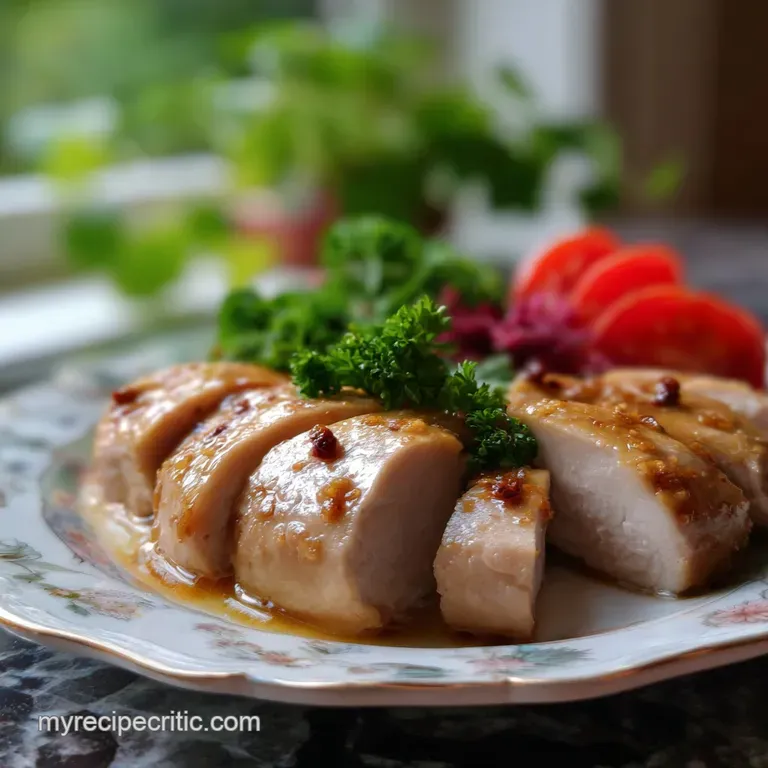
- Effort/Time: 5 minutes prep / 15 minutes cooking.
- Flavor Hook: Deeply aromatic and savory, not watery.
- Perfect for: Grab-and-go salads, meal-prep bowls, or creamy pastas.
Master the Art of the Juiciest Boiled Chicken Breast
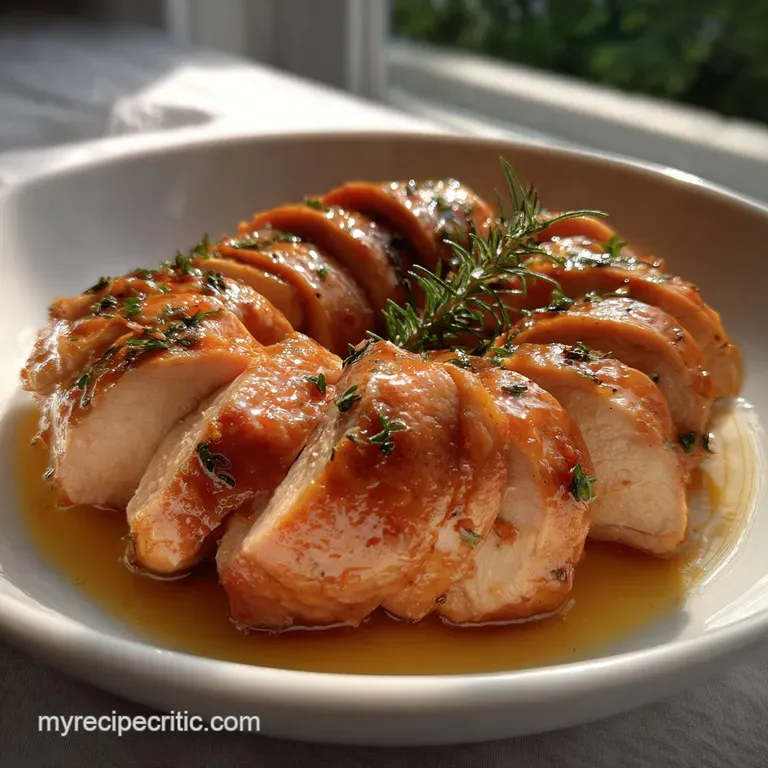
Let’s Get Real About Boiling Chicken
Ever bitten into a piece of boiled chicken breast that felt like a pencil eraser? We’ve all been there, standing over a pot of bubbling grey water, wondering where we went wrong.
I used to think boiling was just a utility a quick way to get protein into a bowl of noodles until I realized I was essentially mummifying the meat in high heat.
The first time I tried to make a boiled chicken breast for a salad, it was so dry I had to drench it in a gallon of mayo just to make it swallowable. It was a texture nightmare. But once I understood the relationship between water temperature and muscle fibers, everything changed.
Today, we are ditching the "rolling boil" for a sophisticated, gentle simmer. This isn't just about cooking meat; it’s about a controlled thermal environment that keeps the intracellular juices exactly where they belong.
The result is a boiled chicken breast that is actually succulent, shattering the myth that "boiled" equals "bland."
The Science of Why it Works
- Gentle Denaturation: Keeping the water at a sub-boiling simmer (approx. 180°F to 190°F) prevents the protein fibers in the boiled chicken breast from tightening too quickly and squeezing out moisture.
- Aromatic Infusion: Aromatics like garlic and bay leaves release fat-soluble and water soluble compounds into the poaching liquid, which then migrate into the meat via osmotic pressure.
- Connective Tissue Softening: Even in lean cuts, a gentle heat allows the small amounts of collagen to soften without the muscle fibers becoming tough and stringy.
The Science Behind 2 lbs Boneless, Skinless Chicken Breasts
- What They Do
- Acts as the primary lean protein structure and the canvas for infused flavors.
- The Chemistry
- Through the process of protein denaturation, the translucent, folded proteins uncoil and bond together, creating a solid, opaque structure that traps water.
- Why This Matters
- By managing the speed of this denaturation, we ensure the boiled chicken breast maintains a "velvety" mouthfeel rather than a "grainy" or "dry" one.
The Science Behind 1 tsp Fine Sea Salt
- What It Does
- Seasons the meat deeply while modifying the protein structure to hold more water.
- The Chemistry
- Salt promotes osmotic balance and interacts with the myofibrillar proteins, specifically myosin, causing them to dissolve slightly and create a gel-like matrix.
- Why This Matters
- This "brining" effect during the cook ensures that the boiled chicken breast retains 10% more moisture than unsalted chicken, providing a seasoned bite from edge to center.
The Science Behind 2 Bay Leaves and 1 stalk Celery
- What They Do
- Provide a complex aromatic backbone consisting of terpenes and phthalides.
- The Chemistry
- As the water heats, it acts as a solvent, extracting volatile organic compounds that are absorbed by the porous surface of the chicken.
- Why This Matters
- These compounds add a "savory" depth that counteracts the natural blandness of lean white meat, making this boiled chicken breast stand out in dishes like a Homemade Chicken Parmesan recipe.
Ingredients & Substitutions
| Original Ingredient | Substitute | Why It Works |
|---|---|---|
| 4 cups Chicken Broth | 4 cups Water + 1 Tbsp Better Than Bouillon | Provides a concentrated savory base with high sodium control. |
| 1 Medium Yellow Onion | 2 large Shallots | Offers a more delicate, sweet alliaceous flavor profile. |
| 3 Cloves Garlic | 1 tsp Garlic Powder | Functional but lacks the depth of fresh crushed cloves. |
| 3 Sprigs Parsley/Thyme | 1 tsp Dried Poultry Seasoning | Concentrated herbal notes, though the liquid will be darker. |
Chef's Tip: For an unconventional flavor boost, add a 1 inch piece of peeled ginger to the pot. The gingerols provide a subtle heat and help tenderize the meat.
step-by-step Instructions to Perfect Boiled Chicken Breast
- Prep the aromatics. Quarter the yellow onion and smash the garlic cloves using a Wüsthof Classic Chef’s Knife to release their essential oils. Note: Crushing garlic initiates the enzymatic reaction that creates allicin, maximizing flavor release.
- Clean and trim. Remove any excess fat or silver skin from the 2 lbs boneless, skinless chicken breasts to ensure a uniform texture. Note: Removing silver skin prevents the meat from curling or distorting during the poaching process.
- Construct the poaching base. Place the onion, garlic, celery, bay leaves, and peppercorns into a Lodge 6 Quart Enameled Cast Iron Dutch Oven. Note: Cast iron provides superior heat retention, which is critical for maintaining a steady simmer.
- Add the liquids. Pour in the 4 cups of low-sodium chicken broth and add the Diamond Crystal Fine Sea Salt. Note: Using low-sodium broth allows you to control the exact salinity of the final product.
- Submerge the chicken. Lay the chicken breasts in the pot, ensuring they are completely submerged and not overlapping excessively. Note: Total immersion ensures even heat distribution across all surfaces of the meat.
- Bring to a "lazy" simmer. Heat the pot over medium high heat until the first few bubbles break the surface, then immediately drop the heat to low. Note: A rolling boil is the enemy of tenderness; you want "shimmering" water, not "roiling" water.
- Skim the impurities. Use a fine mesh skimmer to remove any grey foam that rises to the top during the first 5 minutes. Note: This foam is denatured sarcoplasmic protein; removing it keeps the poaching liquid clear and the flavor clean.
- Monitor the temperature. Cook for 12 15 minutes, using a ThermoWorks Thermapen to check the internal temperature of the thickest part of the breast. Note: Pull the chicken at 160°F; carryover cooking will bring it to the food safe 165°F without drying it out.
- The Resting Phase. Transfer the boiled chicken breast to a cutting board and let it rest for at least 5 minutes before slicing. Note: Resting allows the muscle fibers to relax and reabsorb the hot juices, preventing them from leaking out.
- Final Shred or Slice. Depending on your use case, either shred with two forks or slice against the grain for maximum tenderness. Note: Cutting against the grain shortens the protein fibers, making the meat easier to chew.
Why Your Boiled Chicken Breast is Rubbery
When the water temperature is too high, the muscle fibers undergo "compressive shrinkage." This physical reaction tightly winds the protein strands, squeezing out the water like a wrung out sponge. To avoid this, never let the water reach a full boil once the chicken is added.
| Problem | Root Cause | The Fix | Pro Protocol |
|---|---|---|---|
| Rubbery Texture | Water temp > 200°F | Reduce heat to "low" immediately | Use a thermometer to keep water at 180°F |
| Bland Flavor | Insufficient salt/aromatics | Increase salt to 1 tsp per quart | Cold start the aromatics to extract more oils |
| Dry Center | Overcooking | Pull chicken at 160°F | Use a digital probe thermometer for accuracy |
Common Myths
Myth: You must boil the water before adding the chicken. Truth: Starting with cold or room temperature liquid allows the chicken and the water to rise in temperature together, leading to a more even cook and better flavor infusion for your boiled chicken breast.
Myth: Boiled chicken is only for dieting. Truth: While it is low in fat, boiled chicken breast is a culinary staple in French and Chinese cuisines (like Hainanese Chicken) because it highlights the purity of the meat. It’s the perfect base for a Franks Buffalo Chicken Dip recipe.
Storage & Reheating
- Fridge: Store in an airtight container for up to 4 days. Keep a tablespoon of the poaching liquid in the container to maintain moisture.
- Freezing: This boiled chicken breast freezes beautifully. Shred it first, then store in a freezer safe bag for up to 3 months.
- Reheating: Avoid the microwave! Reheat gently in a pan with a splash of broth or water over low heat until just warmed through.
Flavor Variations
- Mexican Style
- Replace parsley with cilantro and add a halved lime and 1 tsp of cumin to the water.
- Asian Inspired
- Add 2 slices of fresh ginger, 1 star anise, and a splash of soy sauce.
- Mediterranean
- Use lemon peels instead of onion and add 1 tsp of dried oregano. This version is incredible in a Chicken Gyros Recipe.
This boiled chicken breast is truly a "masterclass" in simplicity. Once you nail the temperature control, you'll never go back to those dry, overcooked versions. It's the ultimate kitchen hack for anyone who loves high protein meal prep without the fuss.
Trust me, your future self (and your salads) will thank you!
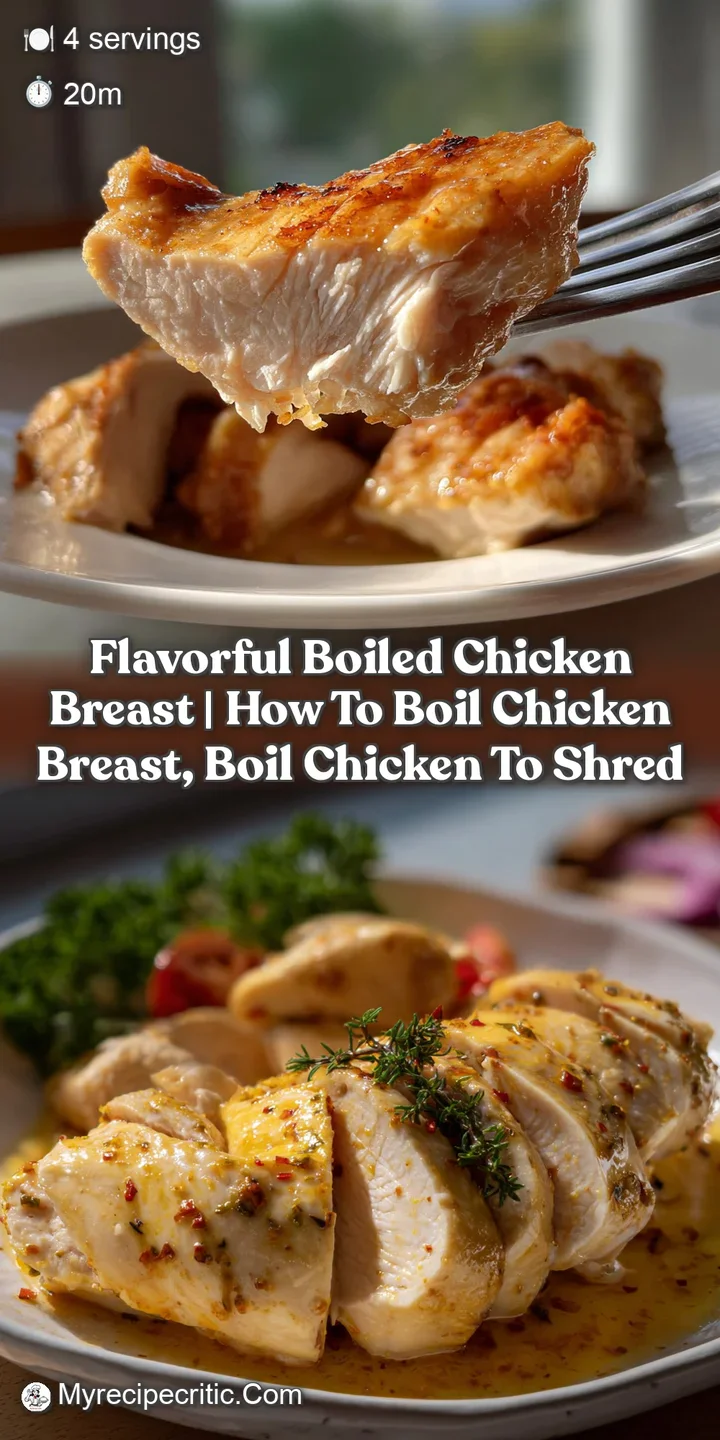
Recipe FAQs
What is the minimum safe internal temperature for boiled chicken?
165°F (74°C) for at least 15 seconds. This temperature guarantees the destruction of potential pathogens like Salmonella. Use a probe thermometer inserted into the thickest part of the breast for accuracy.
Can I boil frozen chicken breast directly without thawing first?
Yes, but cooking time increases significantly. Cooking from frozen leads to uneven heating, risking an undercooked center while the exterior dries out. This extended time impacts texture negatively, unlike the controlled poaching suggested for juiciness.
Why does my chicken come out dry and stringy?
Boiling too aggressively denatures muscle proteins too fast. Rapid, high heat cooking forces moisture from the muscle fibers, resulting in toughness. Protein coagulation must occur gently between 160°F and 180°F for tenderness.
- Simmer gently, never a rolling boil
- Remove from heat immediately at 165°F
- Let the chicken rest in hot water post cooking
Should I use bone-in or boneless chicken breast?
Boneless breasts cook faster and are easier to shred. Bone-in provides slightly more flavor due to marrow and connective tissue leaching into the water. If aiming for shredded chicken for dishes like The Queens Homemade Chicken Salad Recipe Fit for Royalty, boneless is generally preferred for convenience.
Is poaching the same as boiling?
No, poaching is a gentler method than boiling. Boiling involves vigorous surface agitation and temperatures exceeding 212°F, while true poaching occurs just below simmering, around 160°F to 180°F. This lower temperature range is critical for retaining moisture.
Can I boil chicken in flavored broth instead of water?
Absolutely; using broth enhances flavor delivery significantly. Replacing water with chicken stock or vegetable broth infuses aromatics directly into the meat as it poaches. This foundational flavor works well in recipes requiring pre-cooked shredded meat, such as Best Chicken Salad Recipe Homemade My Creamy Easy Version.
Myth: Adding salt to the water makes the chicken taste saltier.
Myth: Adding salt to the water makes the chicken taste saltier. Reality: Salt primarily helps denature muscle proteins slightly, allowing them to retain more moisture during heating.
Proper seasoning requires adequate salt concentration in the cooking liquid, but it doesn't inherently over salt the final product if managed correctly.
Flavorful Boiled Chicken Breast
Ingredients:
Instructions:
Nutrition Facts:
| Calories | 278 kcal |
|---|---|
| Protein | 52 g |
| Fat | 6 g |
| Carbs | 1 g |
| Fiber | 0 g |
| Sugar | 0 g |
| Sodium | 680 mg |
